
One of the main criteria when choosing a cow is the taste and quality of its milk. It can happen that after purchasing a cow, she begins producing milk with a bitter taste, especially in winter. This is certainly disappointing, but don't despair. First, it's important to understand the cause and then try to correct it. There are many possible causes: worms, vitamin deficiency, poor-quality food, insufficient grazing, and other illnesses.
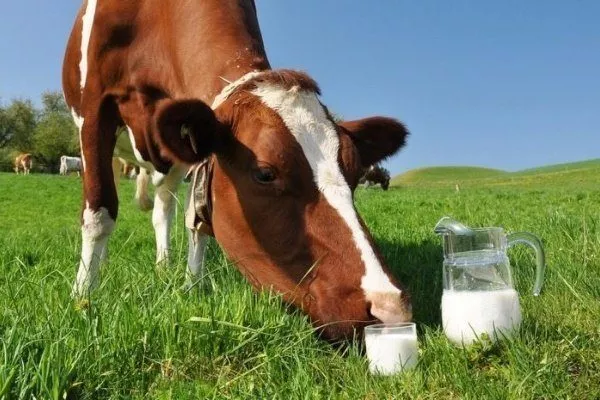
The main causes of bitterness
First, it's important to understand that milk is a very complex compound produced by the mammary glands of many animals, including cows. After the first birth, a cow produces this delicious and nutritious milk. The taste and quality of this liquid depend on its composition, which contains numerous enzymes.
The main and most common cause of bitter milk is the production of lipase, which begins several months before the calf is born. However, many owners of these beautiful animals insist that this phenomenon occurs not only during this period. There can be many causes, including poor nutrition, serious illnesses, and many others.
| Cause | Frequency of occurrence | Associated symptoms |
|---|---|---|
| Liver/GLD disorders | 90% of cases | Yellowness of the mucous membranes, lethargy |
| Helminthiasis | 65-70% | Cough, sweating, decreased milk production |
| Pregnancy | 100% in the last trimester | Decreased milk volume |
| Mastitis | 40-50% in first-calf heifers | Clots, change in consistency |
| Cobalt deficiency | 30% in poor soils | Pica |
Dysfunction of the liver or gallbladder
If milk tastes bitter, veterinarians first check the animal's liver and gallbladder, as in 90% of cases, the bitterness is caused by problems with these organs. This can be either a congenital disorder or an acquired one due to microbial contamination. If the analysis reveals that the condition is congenital and incurable, the heifer is culled. If it is acquired, treatment begins.
Worms
An equally rare cause of bitter milk is a worm infestation. In this case, the digestive tract and other nearby organs are analyzed, and once a diagnosis is made, the animal undergoes treatment.
How can you tell if a heifer is infected with worms?
- The animal coughs and sweats; in the summer this may be due to the heat, but if sweat is secreted in the winter, then 99% of the time it is worms.
- The bitterness is present immediately, but not strong, and the longer the milk sits, the more bitter it becomes, the cream bubbles, and the sour cream has a very bitter taste.
Many people wonder how to remove the bitter taste from milk. This can be done by heating the milk to 40 degrees Celsius; when it cools, the bitterness should disappear. But the question shouldn't be how to remove the bitterness, but how to cure the cow. A couple of times a year, stool tests should be performed to detect worms.
Your doctor may prescribe the following medications to get rid of parasites:
- Rolenol;
- Clozaverm;
- Brontel;
- Browalsen;
- Albendazole;
- Brovadazole.
Before giving a cow any medication, check the instructions to determine whether it's safe for pregnant heifers and nursing mothers. Also, don't overdose, thinking this will speed up the removal of worms. Also, check the instructions to determine how long it takes for the medication to be eliminated from the body. During this time, you should avoid drinking milk or eating meat from the cow.
Pregnancy
Milk production is directly related to pregnancy and childbirth; this is when the milk supply begins to flow. During the last couple of months of pregnancy, milk production decreases. Milk production should remain consistent throughout lactation, varying only during two periods: immediately after birth (colostrum) and after breastfeeding.
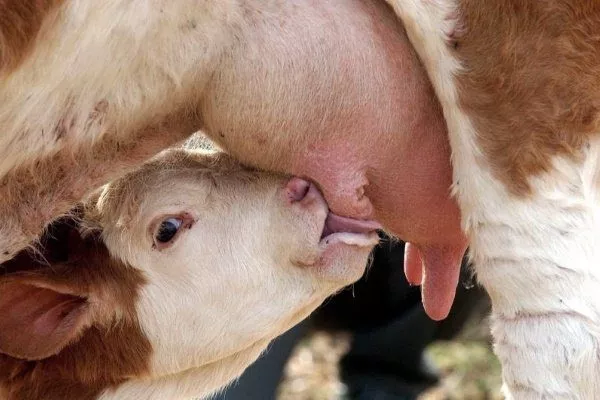
Cows and other livestock produce colostrum immediately after birth, which allows the calf to acquire antibodies to boost its immunity. Colostrum tastes very different from milk: it's fatty, salty, and viscous, and can have a slight bitterness.
A couple of months before birth, milk production also changes, as the expectant mother's body undergoes a radical transformation and devotes all its energy to the fetus. During this period, the cow must be weaned and prepared for the dry period.
If this isn't done promptly (or if it's not started early), the milk will contain more salts than calcium. Furthermore, the milk will become fatter and contain a lot of protein, but the amount will decrease. A bitter taste may be due to hormonal changes.
Poor nutrition
What a cow eats throughout the day directly affects the taste of the milk she produces. There are many plants that, when ingested, accumulate in the mammary glands and are then excreted in the milk. This can result in a bitter taste.
- If livestock eat a lot of cruciferous plants, alkaloids can accumulate.
- Eating green onions will affect the bitterness of the milk.
- If an animal eats wormwood in the fall, its milk will be bitter, but in the spring they consume this herb with pleasure.
- Argan, garlic and tansy can also affect the taste of milk.
In addition to the above, bitterness can occur if the feed was improperly selected or if the diet is monotonous. Rotten or spoiled grains alter the taste of milk, as do potatoes, carrots, and rutabagas. If consumed in large quantities, these can add bitterness to the milk. If the bitterness is due to the feed, it should be temporarily eliminated and later replaced with another food.
Mastitis
Milk from mastitis is not only bitter, but also salty, has an old taste, is low in fat, and contains clots. There are several types mastitis, and depending on the species, the taste and symptoms will vary.
You can't prescribe treatment for a cow yourself, as different medications are available for each type of mastitis, and treating, for example, purulent mastitis with a medication intended for acute mastitis can kill the cow. Therefore, only a veterinarian can diagnose the disease.
| Type of mastitis | milk pH | Fat content (%) | Protein (%) |
|---|---|---|---|
| Purulent | 7.8-8.5 | <1.5 | 1.8-2.0 |
| Fibrinous | 7.5-7.8 | 1.7-2.0 | 2.1-2.3 |
| Catarrhal | 7.0-7.4 | 2.1-2.5 | 2.8-3.0 |
| Norm | 6.5-6.8 | 3.2-4.0 | 3.0-3.5 |
- Purulent. The udder, or more precisely the affected part, increases in size, and its temperature rises. The milk has a salty taste, is yellow due to pus, and is bitter and fat-free. The animal has no appetite, is lethargic, and indifferent.
- Fibrinous. The udder also enlarges, the temperature rises, and the animal loses appetite, even for its favorite foods. There are lumps inside that can be felt by hand. The milk is greenish-yellow with yellow crumbs or clots. Lactation stops for three days, and even after the animal has fully recovered, the milk will not return to its previous quality and quantity.
- Purulent-catarrhal. Lactation also ceases, and if there is any milk, it becomes red, bitter, and salty. The udder in a certain area becomes hard and red, and a lymph node swells. After three days, the cow begins to feel better, but if left untreated, the condition becomes chronic, and with proper treatment, it disappears completely.
- SpicyThis type of mastitis often occurs after the birth of a calf. The udder becomes red and painful, and the affected area hardens. The milk becomes thin, bitter, and grainy.
- Catarrhal. Catarrhal mastitis is common during the first 30 days of milking. This causes a quarter of the cow's udder to swell, and after four days, pea-like lesions appear around the teat. The milk contains clots, and its fat content decreases.
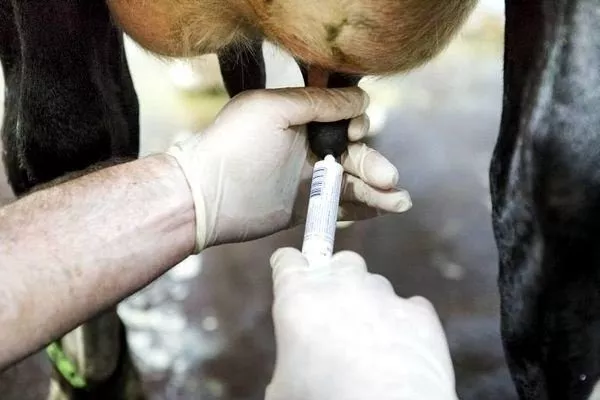
Breast injuries
Any injuries or bruises can directly alter the taste of milk. This is far from the primary sign of inflammation; clots will form, the color will be completely different, and the udder will have an abnormal appearance.
Microbial development
It often happens that milk is initially tasty, but after about 24 hours, it becomes bitter. This could indicate pathogenic bacteria have entered the milk and begun to multiply. The storage area is dusty, and this dust settles on the milk. This most often occurs if the udder isn't washed properly or if the barn isn't sanitary.
Secondary causes
It's quite common for milk's taste to change due to improper storage. After milking, milk must be heat-treated to kill pathogens. On farms, milk is immediately pasteurized, bottled, and sold. Other farms cool it in special tanks before selling it. This is done to prevent the milk from spoiling quickly.
In a home setting, where the farm is large and complete sterilization is virtually impossible, spoilage or the introduction of pathogenic microorganisms into the heifer's body is quite possible. Initially, the milk will taste good, but then, under certain circumstances, it will begin to spoil:
- If milking is done by hand, it can spoil very quickly under the influence of the sun.
- If you store milk at temperatures between 25 and 40 degrees, the milk can quickly spoil.
- Copper and iron utensils should not be used for milking or storing milk.
However, milk generally spoils and tastes bitter due to the contamination of pathogenic microbes or violation of sanitary standards. If you milk a cow whose milking equipment or the milker's hands are dirty, this same dirt will enter the milk, and bacteria will multiply.
It's not for nothing that they say the first milk streams should be expressed into a separate container and discarded, as they harbor many microbes. Furthermore, it's important that the milking container be clean, free of residue from previous milking, and that detergents be thoroughly rinsed off, as even these factors can cause the milk to taste bitter.
Mineral deficiency
If the analysis did not reveal worms, but the milk still tastes bitter and the following symptoms were noticed:
- The cow licks its owners, walls, trees, the ground and other strange objects.
- Milk loses its fat content.
- The amount of milk decreases.
Mineral fertilization scheme
- Blood test for microelements (once per quarter)
- Introduction of cobalt chloride: 20-40 mg/head/day
- Sulfur addition: 50 g/head/day
- Controlling copper levels in the diet
- Water-soluble B vitamins
This means the cow is lacking minerals, most likely cobalt. Animals require very little of this trace element, but many soils lack it even in small doses. This problem can be solved, however; pink tablets called "Sodium Cobalt" are available at pharmacies. Two tablets a day are sufficient, and the treatment course lasts a month.
This problem is purely soil-related, so it will recur constantly until the cow moves to another grazing area. Therefore, preventative maintenance is necessary every three months.
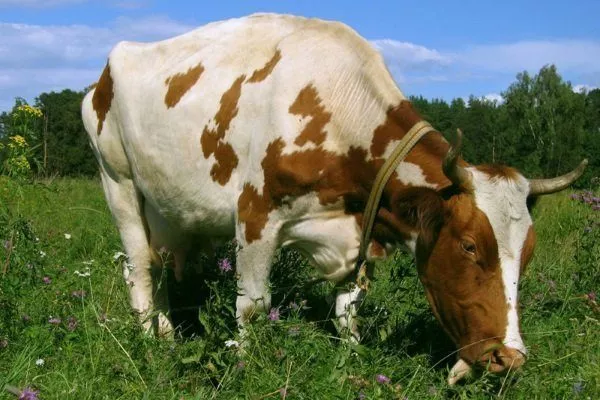
Diseases of infectious origin
Leptospirosis is the most common disease in cows. This disease has no symptoms, so owners are unlikely to suspect anything amiss. Therefore, it's important to have blood tests done regularly so your doctor can make an accurate diagnosis and prescribe appropriate treatment.
How to get rid of the bitter taste?
In almost all cases, the bitter taste can be eliminated independently or with the help of a veterinarian. However, to do this, it's necessary to determine the exact cause before taking any action. Only one factor cannot be cured: congenital diseases that affect milk quality. Other issues can be addressed, but the question remains: how long will it take to fix the situation?
| Cause | Solution to the problem |
| Before launch | If the milk starts to taste bitter a couple of months before giving birth, this is a sign that the heifer should be let go. |
| Lack of sugar | In this case, the animal simply needs to add a little sugar to its food. |
| The acidity in the stomach has increased | You can buy a slime containing soda at the pharmacy; one teaspoon should be added to the food daily. |
| Avitaminosis | It is necessary to review the heifer’s diet and add more vitamins to it; the required dose can also be administered intramuscularly. |
| Colds | You need to visit a veterinarian, and only he can prescribe the correct treatment. |
| Worms | Twice a year—in early spring and early fall—an animal should be given antiparasitic tablets. If worms do occur, prescribing medication is the job of a veterinarian. |
| Poor hygiene | The room where the animal is kept must be ventilated, cleaned daily, and the cow must be washed and the milking areas washed before milking. |
| Poor feeding | Grain and hay should be high-quality, without any additives. A small amount of beetroot, molasses, and beet tops should be added to the diet daily. |
There are many possible causes for bitter milk in cows, and a doctor can provide a definitive diagnosis. However, in some situations, such as improper feeding or care, the owner must recognize and address the issue themselves. If the condition is not detected and treated promptly, it will become chronic, and the cow will have to be culled. Regular blood and urine tests and deworming medications are important preventative measures.