
Goats are valued for their undemanding living conditions and robust health. Their illnesses are most often caused by poor sanitation, poor housing, and inadequate feeding practices. Every goat breeder should know how to prevent illness, recognize its symptoms, and what to do if an animal becomes ill.
Infectious diseases
This is the most dangerous group of diseases, spreading through various routes—air, water, food, and direct contact. Infections can have various etiologies, including viral, bacterial, and fungal. It's important to know that many infectious diseases of goats are dangerous to humans.
| Name | Pathogen | Symptoms | Treatment |
|---|---|---|---|
| Brucellosis | Brucella melitensis | Asymptomatic, miscarriages in females, swollen testicles in males | Incurable, slaughter |
| Pasteurellosis | Pasteurella | High temperature, diarrhea, respiratory damage | Serum, antibiotics |
| Listeriosis | Listeria | Damage to the nervous system, abortions, mastitis | Tetracycline antibiotics |
| Foot-and-mouth disease | RNA virus | High temperature, ulcers on the mucous membranes | Symptomatic treatment |
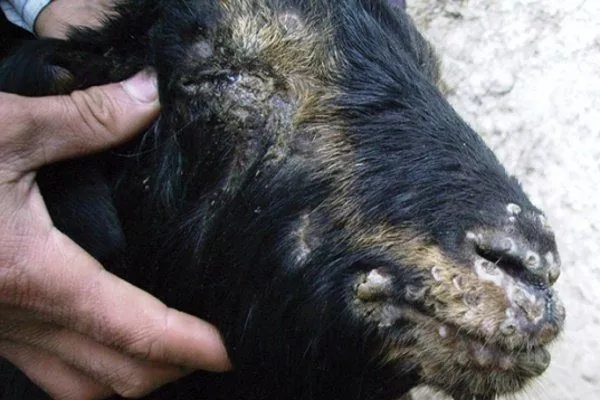
| Smallpox | Sheep capripoxvirus | Fever, rash, suppuration | Symptomatic treatment |
| Infectious pleuropneumonia | Mycoplasma | Cough, wheezing, nasal discharge | Osarsol, Novarsenol |
| Infectious mastitis | Pathogenic agent | Hard udder, pus in milk | Antibiotics, udder massage |
| Furunculosis of the udder | Staphylococcus | Abscesses on the udder | Disinfection, removal of abscesses |
| Trichophytosis | Trichophyton fungi | Hairless spots on the skin | Fungicides |
| Infectious stomatitis | Various factors | Inflammation of the oral mucosa | Irrigation with solutions |
| Footrot | Bacteroides nodosus | Hoof rot | Surgical removal, antibiotics |
Brucellosis
The causative agent is the bacterium Brucella melitensis. Animals can become infected in various ways. The bacteria enter the body through sexual intercourse, through wounds, and through food and water. The infection can also be transmitted during abortions, through blood and amniotic fluid. The disease is dangerous to humans.
Symptoms. The disease is virtually asymptomatic. Diagnosis is only possible with a blood test. Frequent miscarriages in females and swollen testicles in males can be warning signs. Brucellosis can also cause joint problems, making it difficult for the goat to stand up or even move around.
Treatment. The disease is incurable. If diagnosed, the animal is slaughtered, and the premises are disinfected.
Prevention. The herd is subject to mandatory inspection every six months, including bacteriological testing. Animals are purchased only from reputable sellers.
Pasteurellosis
Caused by Pasteurella, this pathogen is weakly resistant to disinfectants. It dies at 70-90°C within 5-10 minutes. The pathogen survives in water and soil for 26 days, and in manure for 72 days. Transmission occurs from infected individuals, through feces, and nasal mucus.
Symptoms. The incubation period ranges from 4-5 hours to 2-3 days. Symptoms depend on the progression of the disease, which can be:
- Sharp. A sharp rise in temperature and diarrhea are observed. However, sometimes the disease is asymptomatic.
- Subacute. Temperature up to 41-42°C. Depression, respiratory damage – the animal breathes hoarsely, coughs, and has a runny nose. Goats also show signs of conjunctivitis, swelling in the intermaxillary space, and diarrhea.
- Chronic. Exhaustion, anemia, swelling of the legs and joints are observed.
Treatment. Diagnosis is based on a bacteriological examination of the internal organs of deceased animals. Symptoms are similar to those of paratyphoid fever and anthrax. Affected animals are given injections of 60-80 ml of pasteurellosis serum. Antibiotics, such as tetracycline, are administered. Sulfa drugs and symptomatic treatments are recommended.
Forecasts. Mortality is up to 75%. A hyperacute course usually leads to rapid death. In a subacute course, recovery occurs within 5 days.
Prevention. Vaccination of healthy individuals. Boosting immunity in animals exposed to sick individuals. Disinfection of premises.
Listeriosis
This disease affects virtually all animal species, including humans. It attacks the nervous system and causes abortions, mastitis, and septicemia. The causative agent, Listeria, is a highly resistant bacterium that survives in soil and on plants. Infection occurs through infected animals, urine, feces, and milk. Some animals are carriers of Listeria.
Symptoms. The incubation period is 7-30 days. The course can be acute, subacute, or chronic. Clinical manifestations are varied, including nervous, septic, genital, atypical, and asymptomatic forms. The nervous form is characterized by the following symptoms:
- oppression;
- heat;
- photophobia;
- lack of appetite;
- diarrhea;
- spasm;
- crooked neck;
- coma.
Treatment. There is no effective specific treatment. At the onset of the disease, tetracycline antibiotics are administered. Chlortetracycline, oxytetracycline, or tetracycline are administered 2-3 times daily. The dosage is 25-30 mg per 1 kg.
Forecasts. With the nervous form of the disease, animals usually die within 10 days. The genital form leads to abortions and mastitis. The atypical form is rare. The prognosis is generally poor.
Prevention. The bacteria are easily inactivated with common disinfectants. Quarantine new animals. Animals showing signs of listeriosis are slaughtered promptly.
There's a special kind of animal in nature—fainting or collapsing goats. They often suffer from paralysis, either from fright or surprise. The animal faints for 10-15 seconds. It's important to remember that all goats are extremely timid, and stress is a common cause of illness.
Foot-and-mouth disease
A highly dangerous disease caused by an RNA virus (a bacteriophage whose genome is an RNA molecule). Once in an animal's body, the virus rapidly multiplies. Initially, epithelial cells are affected, then the virus spreads throughout the body. Infection occurs in pastures, in animal shelters, and from sick animals. The virus enters through wounds and mucous membranes.
Symptoms. The disease has an acute course. Affected individuals exhibit:
- high temperature;
- oppression;
- drop in milk yield in dairy goats;
- loss of appetite;
- animals limp;
- salivation;
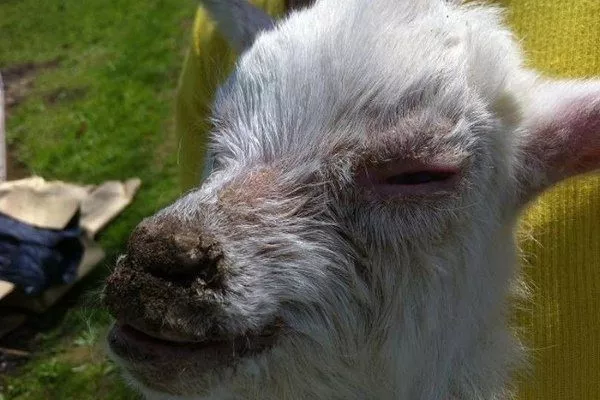
- the mouth, wings of the nose, udder and hooves become covered with small ulcers, which burst after 2-3 days;
- The ulcers ooze a sticky liquid.
Treatment. There is no effective treatment. Typically, a combination treatment is used, the success of which depends on the animal's condition, age, and immunity. Affected animals are separated from the herd, milk is boiled, and the area is disinfected with a hot solution of iodine monochloride. Treatment procedure:
- give light food;
- the oral cavity is washed 3-4 times a day with potassium permanganate (a light pink solution);
- treat the affected areas with an antiseptic;
- They smear their hooves with birch tar.
If the animal overcomes the disease, it will develop immunity to foot-and-mouth disease. Recovery occurs in about a week.
Forecasts. The disease is especially dangerous for kids, with a 50% mortality rate. With timely and adequate treatment, there is a chance of recovery.
Prevention. Animals should be purchased only from reputable farms. New animals should be quarantined. Carefully inspect the herd to promptly detect any illnesses, and maintain cleanliness and hygiene in the premises where the goats are kept.
Smallpox
The causative agent is the Sheep capripoxvirus. It penetrates epithelial cells. It survives at low temperatures for over two years. When frozen, it remains viable indefinitely. It remains dangerous indoors for up to six months, and in pastures for two months. When heated to 53°C, it dies within 15 minutes. Fine-wool sheep and young animals are at risk.
Smallpox has been known in humans for 3,700 years, but its infectivity in small ruminants was discovered much later. The infectivity of smallpox in goats was proven in the 18th century.
Symptoms. The pathology develops in stages:
- At first the animal is depressed, and then a fever sets in.
- After two days, reddish spots (roseola) appear.
- Within three days, roseola transforms into papules (nodules) with a red ring.
- Papules transform into vesicles (bubbles filled with serous fluid) within 5-6 days.
- Suppuration lasts for three days (pus accumulates in the vesicles).
- Drying of pustules, formation of scabs and scarring.
The disease is accompanied by:
- inflammation of the mucous surfaces of the respiratory tract and gastrointestinal tract;
- erosion and even ulcers on the pharynx and trachea;
- hemorrhages on the internal layers, in the lung tissue - focal gangrene;
- enlargement of the spleen and lymph nodes;
- change in liver color;
- myocardial flaccidity.
External symptoms:
- swelling of the eyelids;
- serous and then purulent discharge from the nose;
- difficulty breathing;
- pink rash (head, lips, udder, genitals) transforms in accordance with the stages described above.
Treatment. There is no specific effective treatment. Therapy is aimed at relieving symptoms and supporting the immune system. Animals are given antibiotics to prevent complications. Sick animals are transferred to isolation wards and given intensive feeding, with a preference for semi-liquid food.
Forecasts. In severe cases, slaughter is recommended. With a strong immune system and optimal conditions, recovery is possible.
Prevention. Compliance with quarantine regulations. New animals must be quarantined for one month. Regular herd inspections by a veterinarian are required. Vaccination is recommended.
Infectious pleuropneumonia
The causative agent is a mycoplasma virus that invades the body, causing damage to the lungs and pleura. The disease is especially dangerous for animals under three years of age. Transmission occurs from infected animals through airborne droplets, coughing, sneezing, and urine. The incubation period is 7-24 days.
Symptoms. The first sign of the disease is a sharp jump in temperature, followed by:
- loss of appetite;
- oppression;
- severe cough;
- hoarse breathing;
- discharge of mucus from the nose.
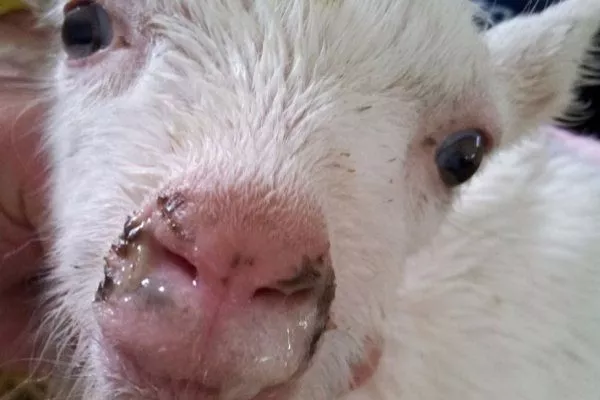
Treatment. The animals are isolated. The room is sanitized and all surfaces are disinfected. The animals are given Osarsol and Novarsenol.
Forecasts. If the animal develops a hyperacute course, death occurs within 12-16 hours. With a normal course and adequate treatment, recovery occurs within 4-5 days.
Prevention. If the infectious pleuropneumonia situation in the area is unfavorable, vaccination is recommended in August. Sanitary precautions should also be observed when housing, feeding, and handling animals.
Infectious mastitis
An acute infectious disease caused by a pathogenic agent that enters the female's udder. Infection occurs through contact with infected animals or carriers of the pathogen. The disease primarily affects females giving birth for the first time.
Symptoms. Signs of infectious mastitis:
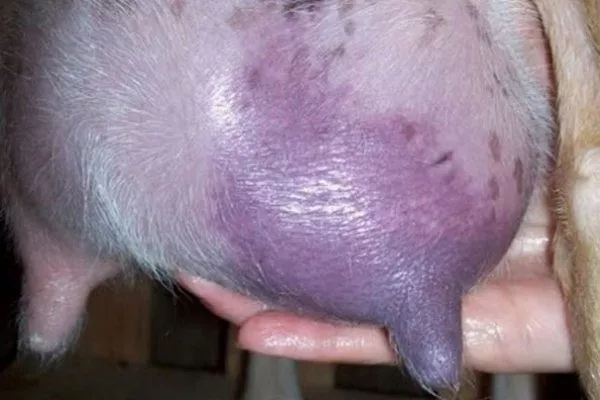
- bluish-purple color of the udder;
- the affected area of the udder increases in size and hardens;
- the udder oozes a watery liquid, later pus and blood flow out of it;
- high fever;
- lack of appetite.
Treatment. Sick goats are isolated in a separate room. The udder is massaged and milked. Antibiotics such as penicillin or erythromycin are administered intramuscularly. Norsulfazole is administered orally. To slow the progression of the infection, streptomycin or other antibiotics are administered through the milk ducts. Camphor application to the udder is also recommended.
Forecasts. Inflammation often results in gangrene of the udder, which is fatal in 80% of cases.
Prevention. Support the immune system of pregnant and postpartum females. Maintain proper sanitation and hygiene during milking. Treat teats with Dermisan – 50 g per 10 liters.
Furunculosis of the udder
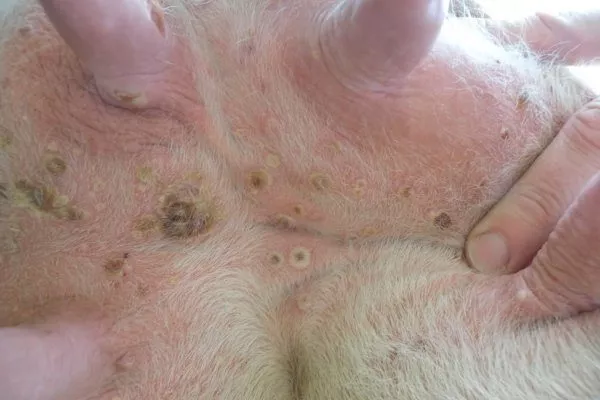
This is a purulent-necrotic inflammation of the hair follicle or sebaceous glands caused by a staphylococcal infection. The bacteria enter through scratching and other microtraumas of the skin.
Symptoms. Inflammation occurs in the sebaceous glands and hair follicles. Suppuration begins. The skin turns red and yellow. The boils are firm to the touch. Touching the inflamed area causes pain. Pus oozing from the boils leads to the formation of further abscesses.
Treatment. The udder should be trimmed of hair. The skin should be washed with warm soapy water. The udder should then be disinfected, dried scabs from boils should be removed, and the affected areas should be lubricated with iodine.
Forecasts. If treatment is started on time, the prognosis is favorable.
Prevention. Udder hygiene, cleanliness, adequate feeding, no drafts. Vitamin and micronutrient supply.
Diseases of the genitals
Diseases of the reproductive organs are divided into androgenic (diseases of the genitourinary organs in males) and obstetric-gynecological pathologies of females.
Symptoms. Symptoms depend on the type of disease:
- Orchitis. Inflammation of the testicles in goats, accompanied by fever and depression.
- Prolapse of the vagina and uterus. Complete or partial. Observed in the second half of pregnancy.
- Vulvitis - inflammation of the vulva.
- Vaginitis - inflammation of the vagina.
- Vestibulitis - inflammation of the vaginal vestibule.
- Endometritis – inflammation of the uterine mucosa.
Treatment. Treatment is prescribed depending on the type of disease and its severity. In severe cases, antibiotics are used.
Forecasts. The outcome of treatment is unpredictable – too many factors influence the result.
Prevention. Compliance with the rules of maintenance, a complete diet and regular examination.
Trichophytosis
This disease is also known as ringworm. It is caused by trichophyton fungi, which are resistant to heat and disinfectants. It remains active in the environment for a long time – the fungus can be found in soil, and in goat's rue – on bedding and equipment. Small rodents are carriers. Infection also occurs from animals that have recovered from the disease. Unfavorable weather conditions, such as cold, humidity, and drafts, contribute to the disease.
Symptoms. The incubation period is 7-30 days. The disease is chronic, characterized by the appearance of round spots on the skin. These spots are hairless and covered with whitish-gray scales and crusts. The nose, ears, skin around the eyes, head, neck, and legs are typically affected.
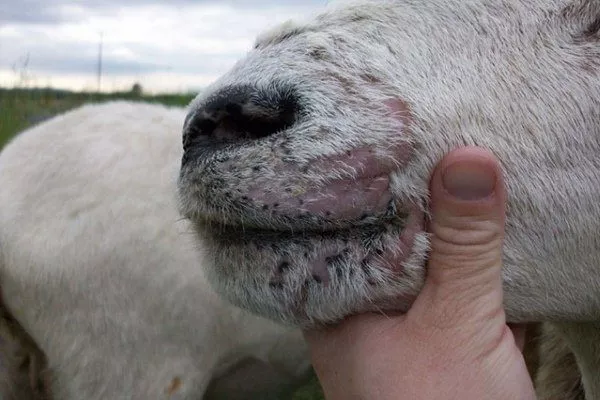
Treatment. The disease is diagnosed based on clinical presentation, ultraviolet irradiation, and microscopic examination of scrapings. The affected area should be treated with fungicides.
Forecasts. With proper and timely treatment, the prognosis is favorable.
Prevention. Maintaining normal living conditions. Walking animals, cleaning, ventilation, and disinfection of premises. Vaccination with low-toxicity live and inactivated vaccines.
Infectious stomatitis
The disease involves inflammation of the oral mucosa. Thermal, mechanical, chemical, and biological factors can trigger the condition. Stomatitis can also accompany infectious and invasive diseases, digestive disorders, and metabolic disorders.
Symptoms. Clinical manifestations:
- violation of chewing function;
- reluctance to eat;
- putrid odor from the mouth;
- salivation;
- the goat makes chomping sounds and rubs its muzzle against the legs;
- redness of the mucous membranes;
- erosion of the mucous membranes of the cheeks, tongue, and gums is possible;
- near the mouth and nostrils - blisters that burst and dry out, forming scabs.
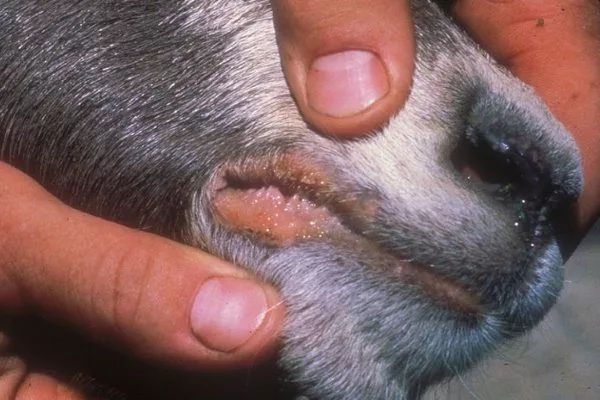
Infectious stomatitis is contagious to humans. When caring for sick goats, it is essential to observe sanitation standards and wear rubber gloves.
Treatment. Stomatitis should be diagnosed differently from rabies. During treatment, avoid irritating the mucous membranes. Animals are fed jelly, decoctions, and chatterboxes. The mouth is irrigated with a 3% hydrogen peroxide solution. Other solutions used include a solution of soda, Lugol's solution, boric acid, rivanol (1:1000), furacilin (1:5000), and infusions of chamomile, string, and sage. The oral cavity is also irrigated with sulfanilamide powder.
Forecasts. The illness lasts 2-3 weeks. The prognosis is favorable with timely treatment.
Prevention. Vaccination is recommended. Maintain proper sanitation and hygiene, clean the premises regularly, keep equipment in good order, and quarantine new animals.
Footrot
Hoof rot is caused by the bacterium Bacteroides nodosus, which can survive in hoof tissue for up to 5 years and outside of it for up to 15 days. The infection is spread by livestock.
Symptoms. If foot rot becomes chronic, the horny layer of the hoof rots, and the soles and walls peel off. Signs of the disease include:
- limping;
- the animal tucks its legs in and licks its hooves;
- the skin between the hooves becomes reddened, inflamed, bald, and swollen;
- the interhoof space exudes an unpleasant rotten smell.
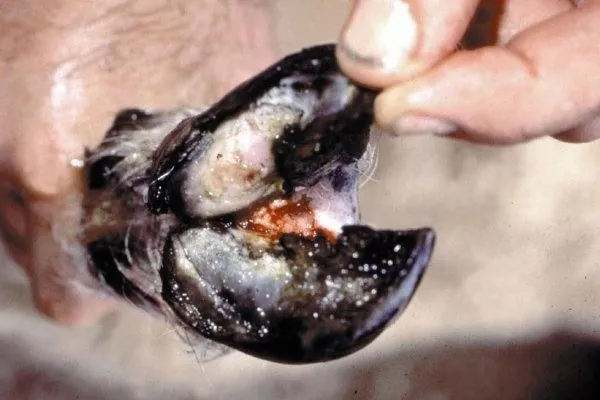
Treatment. Sick goats are separated from the herd and placed in a dry room. Affected hoof tissue is surgically removed. The hooves are disinfected, using, for example, formalin. Affected hooves are immersed in a 10% formalin solution for 5 minutes. The goats are given antibiotics.
Forecasts. If the disease is left untreated, gangrene of the legs may develop, and then death may occur.
Prevention. Hooves are wiped with chloramine. Goats can be allowed onto the infected pasture after two weeks, once the bacillus has died.
Non-communicable diseases
Non-infectious diseases vary in etiology and clinical presentation. They all occur in a single animal and are not contagious. These diseases may be caused by:
- mechanical trauma;
- improper or insufficient nutrition;
- violation of conditions of detention - cold in the room, unsanitary conditions;
- poisoning by poisonous plants or poor quality food.
Cracked nipples
The main cause of cracked teats is poor milking technique. The problem can also be related to poor cleanliness, poor-quality, or damp bedding. Cracks are dangerous because they can develop into mastitis if pathogenic bacteria enter the cracks.
- ✓ Behavioral changes, such as decreased activity or refusal to eat, can be an early sign of many diseases, but the article does not focus on these behavioral changes.
- ✓ Increased time spent lying down may indicate joint problems or general malaise that is not mentioned in the article.
Symptoms. Cracks are discovered during milking. The animal experiences pain during milking. Restless behavior is the first sign that cracks are appearing.
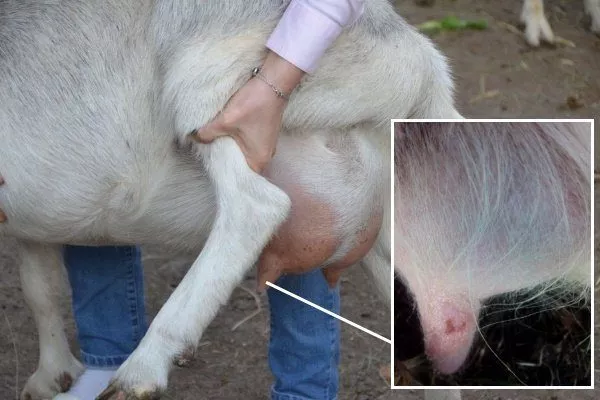
Treatment. The udder is treated with a boric acid solution. Lubricate the udder with Vaseline or melted butter. To speed up the healing of cracks, apply an aloe leaf, first cut lengthwise. Compresses are made with an alcohol tincture of nettle leaves. The following are also suitable for treatment:
- propolis ointment;
- Solcoseryl;
- wax with boiled vegetable oil.
Forecasts. If cracks are detected in time and measures are taken to prevent mastitis, the prognosis is good.
Prevention. Maintaining proper hygiene and milking techniques. Providing adequate nutrition and maintaining cleanliness.
Mastitis (non-infectious)
The disease affects the mammary gland. Mastitis develops due to improper milking, udder trauma, and poor housing conditions (cold, dirt, drafts, etc.). Mastitis varies in its clinical presentation, but all develop due to microbial infection.
Symptoms. Signs of the disease:
- the affected part of the udder hardens and becomes hot to the touch;
- The milk of sick goats contains flakes, sometimes even pus.
Treatment. The goat is milked frequently because it's important to avoid milk from weighing down the diseased udder. A full udder causes pain. Rubbing the udder with camphor oil is recommended. The goal of treatment is to reduce swelling and normalize lactation.
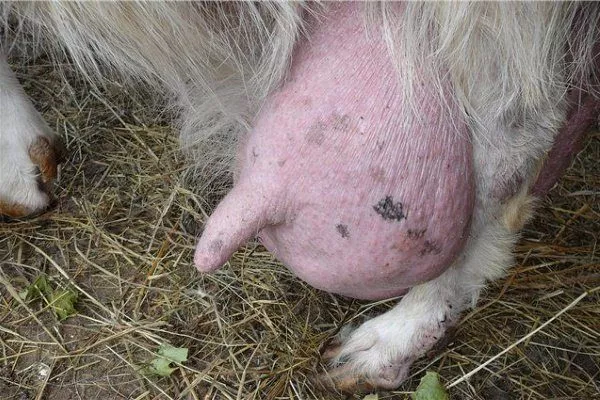
To reduce milk production, the goat is given no succulent feed and is given a laxative: a glass of vegetable oil and two tablespoons of Glauber's salt dissolved in 0.5 liters of water. A compress of vinegar and liquid clay can be applied to the udder (3 tablespoons per 1 liter of water). Antibiotics are essential. The most commonly used are Dorin, Ceftriaxone, Cobactan, and Nitox.
Forecasts. With proper treatment, the prognosis is favorable.
Prevention. Regular preventive examinations, creating normal living conditions, and providing a nutritious diet are essential. Factors that could cause udder injury should be eliminated. Apply udder sanitizers before and after milking. To allow the goat's mammary tissue to recover, it is recommended to start the goat 8-10 weeks before the expected lambing date.
Injuries
Goats are very active animals, often jumping over obstacles and climbing trees. This behavior can lead to injury.
Symptoms. The symptoms depend on the nature of the injury – these can be bruises, wounds, fractures – closed and open.
Treatment. Treatment procedures are carried out in accordance with the nature of the injury:
- Wounds should be washed with a weak solution of potassium permanganate, lubricated with iodine and sprinkled with naphthalene.
- The hair is cut off at the site of the injury, the damaged area is smeared with iodine, and bandaged.
- If stones or splinters get into the hoof cuts, the foreign body is removed and the excess horn is trimmed. The inflamed area is disinfected with an antiseptic.
- In case of fractures, a splint is applied, limiting the animal’s movement.
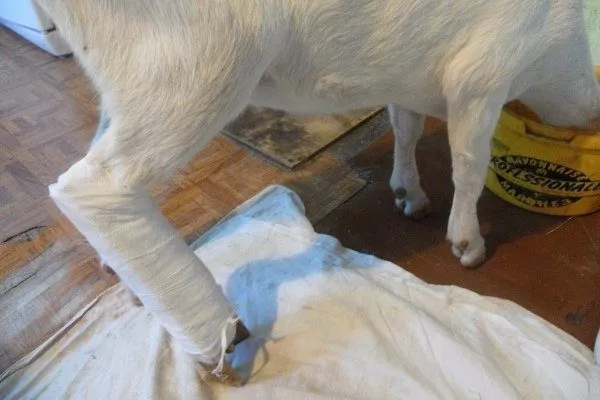
Forecasts. The outcome of treatment depends on the severity of the injury and the correctness and timeliness of the assistance provided.
Avitaminosis
The disease is observed due to a deficiency of vitamins A, B, D, and E. Some vitamins are synthesized in the goat's body, but others can only be obtained through feed. Avitaminosis is observed in goats fed feed deficient in copper, selenium, and cobalt.
Symptoms. Vitamin deficiencies in kids lead to poor growth and nervous system problems. Symptoms include an unsteady gait, convulsions, and leg paralysis.
Avitaminosis negatively impacts the reproductive capacity of animals. Without vitamins, goats do not reproduce.
Treatment. The essence of treatment is to replenish vitamin deficiencies. Sick animals are fed special foods and supplements, including:
- fish oil;
- products containing retinol (in spring the retinol content in hay drops);
- carrots, bran, sprouted grains are sources of B vitamins;
- Meat and bone meal, yeast, dairy products – this is vitamin D.
To compensate for the lack of vitamin E, goats are given sodium selenium.
Forecasts. A timely response can save sick animals. If left untreated, vitamin deficiency in kids can lead to mortality rates of up to 60%.
Rickets
Due to improper feeding, kids suffer from vitamin D deficiency – rickets.
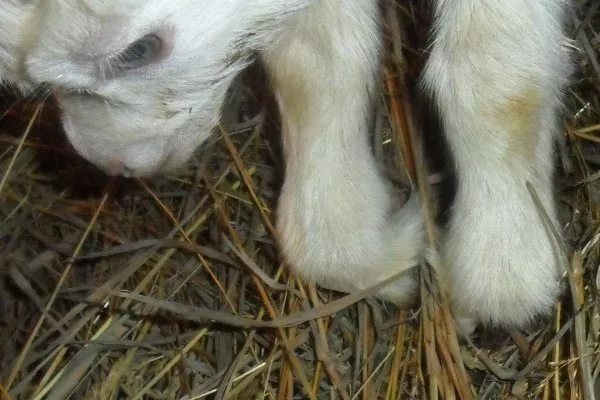
Symptoms. Sick kids develop hooves that twist. They lack vitamins D and A. Kids with rickets are weakened.
Treatment. It takes a long time to get the kids back to normal – their diet is adjusted and vitamins are administered by injection.
Forecasts. If you patiently follow the treatment requirements, the prognosis is favorable.
Prevention. The most sensible approach is to prevent rickets by following proper feeding and care for kids. Providing them with vitamins A and D, as well as calcium and phosphorus, which are essential for skeletal development.
Arthritis and arthrosis
Diseases of this kind are chronic and difficult to treat.
Symptoms.Changes in the shape of the joint, pain and swelling, lameness, and the animal lying down more often, not putting weight on the affected leg. Weight loss may occur due to difficulty moving.
Treatment.It's essential to provide the animal with rest. It's also important to include alfalfa with reduced amounts of concentrates, glucosamine, and chondroitin in the diet. Additionally, regularly massage the affected joint with joint ointments or liniments, and provide regular exercise.
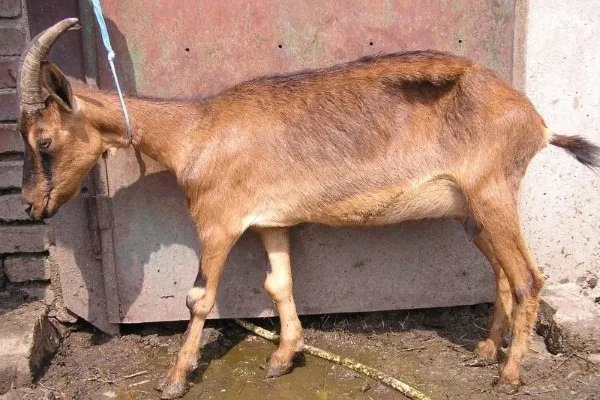
A goat with joint disease
Forecasts. With proper treatment, the animal's quality of life improves.
Prevention. Providing animals with warm and dry housing, balanced nutrition and regular grazing.
Ketosis
Ketosis is associated with metabolic disorders. Triggering factors include energy deficiency in feed, excess protein, feed high in butyric acid, and an improper diet. At-risk groups include overweight goats, pregnant and lactating goats, animals that are sedentary, and animals that don't get enough sunlight.
Symptoms. Clinical signs of ketosis:
- constipation;
- lack of appetite;
- lethargy;
- rapid breathing;
- dull coat;
- poor weight gain;
- drop in milk yield.
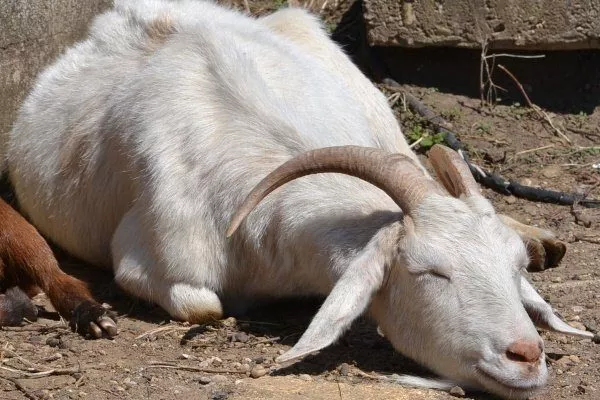
Treatment. Diet adjustments. It should be based on high-quality meadow hay, green fodder, concentrates such as bran, legumes, and compound feed. Goats are given vitamins such as Eleovit, Gamavit, and others. Gamavit can be administered by injection. A 5% glucose solution is recommended for intravenous administration. Rumen acidity should be reduced by administering 20 g of sodium bicarbonate daily for two weeks.
Forecasts. If appropriate measures are taken, the prognosis is favorable.
Prevention. Proper feeding, taking into account the females' pregnancy status. Eliminate low-quality feed from the diet. Proper silage preparation. Regular grazing of goats.
Poisoning
Poisoning is usually caused by feed treated with pesticides. Animals can also become poisoned while grazing, eating grass contaminated with pesticides, or drinking water from sources contaminated with toxins.
Symptoms. The symptoms depend on the poison, but in animals the following are mainly observed:
- diarrhea and vomiting;
- decreased vision;
- convulsions, paralysis;
- rapid breathing, rapid pulse.
Treatment. Gastric lavage with a tube. Laxatives, mucus-releasing decoctions, and activated charcoal are administered. If the poison is identified, the appropriate antidote is administered.
Forecasts. The outcome of treatment depends on the toxicity of the poison, its quantity, and the timeliness of the assistance provided.
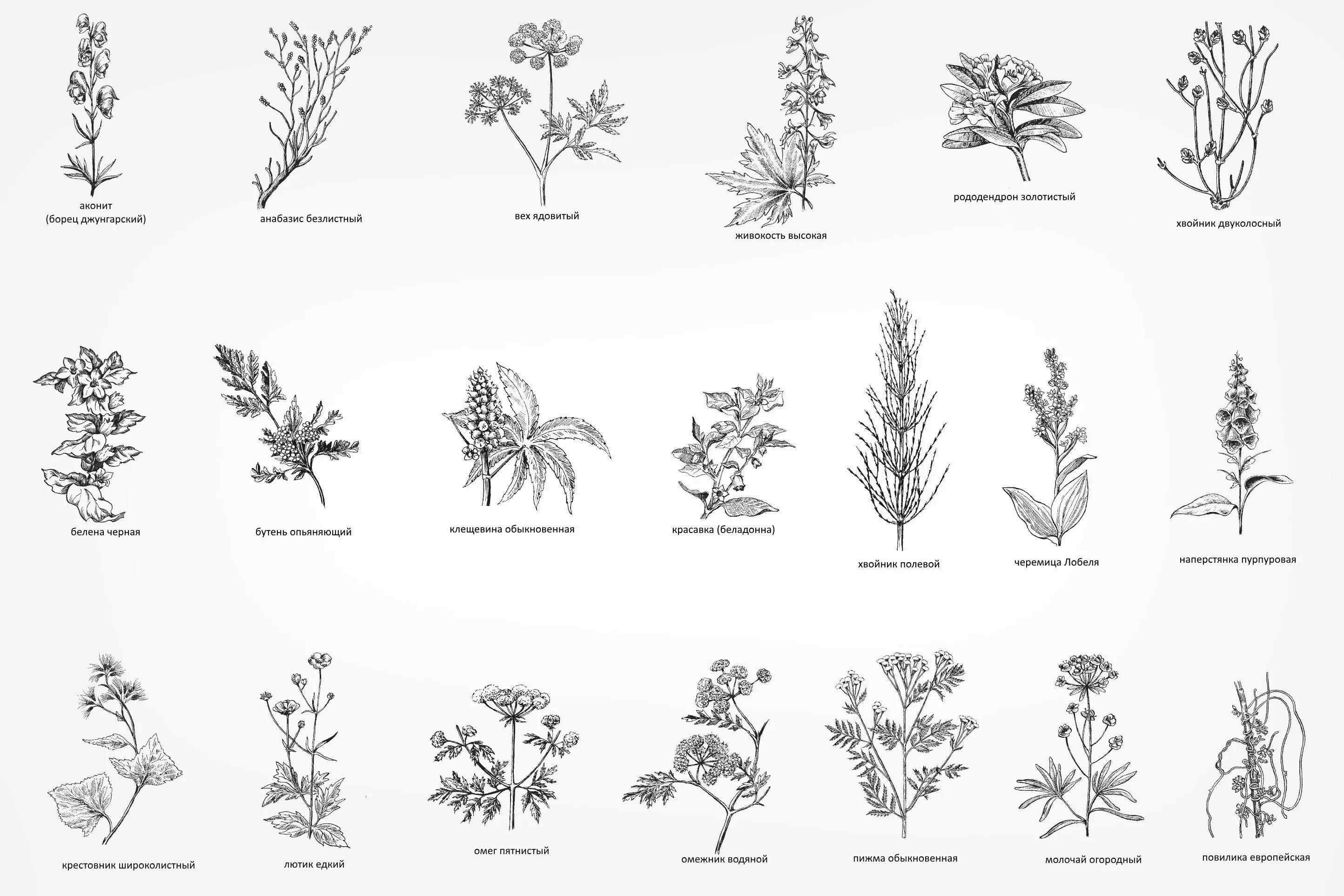
Prevention. Be mindful of your animal's feeding habits: buy high-quality feed, store it properly, and avoid pastures with poisonous grasses, as shown below (click to enlarge).
Dyspepsia
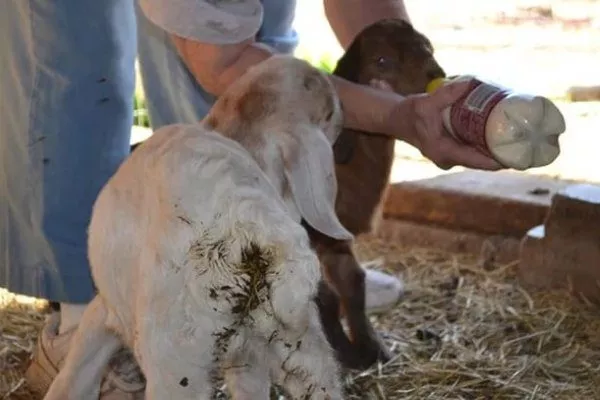
This disease affects newborn kids. It's caused by a disruption of the digestive and metabolic processes. It occurs due to an unbalanced diet during pregnancy and after lambing. If the goat doesn't eat properly, the quality of her milk decreases, and with it, the kids' immunity.
Symptoms. Affected kids exhibit dehydration and intoxication. Signs of dyspepsia include:
- reluctance to eat;
- diarrhea;
- feces are yellow-gray in color, with an unpleasant odor;
- depressed state - the kids mostly lie down;
- the stomach is bloated;
- decrease in body temperature.
Treatment. Treatment procedure:
- Sick individuals are placed in isolation.
- They switch to therapeutic fasting, which lasts 8-12 hours.
- Several times a day they are given a heated solution of sodium chloride to drink.
- If necessary, the veterinarian may prescribe antibiotics - Sulgin or Phthalazol.
- If improvement occurs, the kids can start to receive milk within 12 hours.
Forecasts. If treatment is delayed for 3-4 days, the kids may die. They must be given plenty of water.
Prevention. Complete and proper nutrition for pregnant and lactating goats.
Gastroenteritis
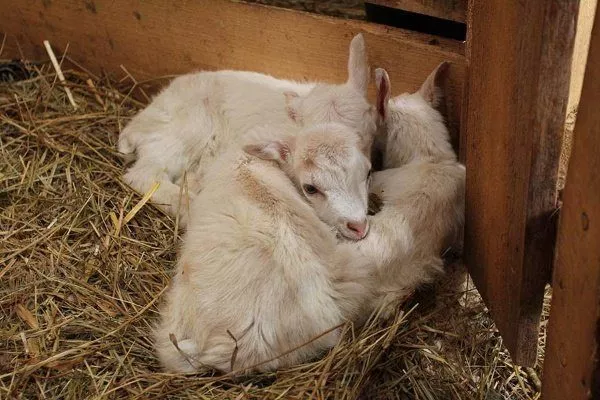
Gastroenteritis can be caused by drinking low-quality water or feed. The disease affects the abomasum and intestines. Young animals are usually affected. Abrupt weaning and the transition to a plant-based diet can also trigger the disease. Kids can also become ill if they are nursed by a mother doe with mastitis.
Symptoms. Initial symptoms:
- constipation alternating with diarrhea;
- mucus and blood in the stool;
- increase in temperature;
- rapid breathing and pulse;
- trembling and convulsions;
- rare and scanty urination;
- the whites of the eyes become bloodshot and then turn yellow;
- lethargy, reluctance to move;
- lack of appetite;
- no reaction to irritation – noise, touch, etc.
Treatment. Therapy depends on age:
- Treatment of adultsCastor oil is given to ease bowel movements. Antibiotics, such as Sulgin or Phthalazol, are given for 5-7 days. The dose is 0.2 g per kg of body weight. Intestinal disinfectants, such as Ichthyol, Resorcinol, and Lysol, are also given. Oak bark decoction, flaxseed infusion, or oatmeal infusion are also given. To prevent dehydration, saline is administered subcutaneously or intravenously. For heart problems, glucose is given by injection.
- Treatment of kids. They are separated from the herd and fed concentrated feed. They are kept on a fasting diet for 24 hours. They are given clean water to drink. On the second day, the kids can be sent out to pasture. In severe cases, they are kept in the stall, fed high-quality grain and mixed feed. In severe cases, a veterinarian will prescribe medication.
Forecasts. With proper and timely treatment, the prognosis is favorable.
Prevention. To prevent the herd from eating unsuitable vegetation, it is necessary to move it to the stall in a timely manner in the autumn.
Acute tympany of the rumen
This disease is typical for the summer season. Rumen tympany is caused by green feed and is accompanied by gas formation in the rumen due to fermentation of the vegetation. Gas accumulation occurs due to eating green feed on an empty stomach or drinking large amounts of water before grazing. Rumen tympany is caused by certain grasses, such as vetch, alfalfa, and clover. Rumen gas accumulation can also be caused by corn cobs, fallen apples, cabbage leaves, carrot and beet tops, and moldy grain.
Symptoms. The disease has only an acute course. Symptoms:
- categorical refusal of food;
- frequent tail wagging;
- the animal, looking at its belly, constantly bleats pitifully;
- bowel movements become more frequent;
- The animal tries not to move so as not to provoke attacks of pain.
If emergency measures are not taken in a timely manner, the symptoms will worsen:
- breathing quickens;
- the stomach is bloated;
- the animal is coughing;
- the gait becomes unsteady;
- the mucous membranes acquire a bluish tint;
- my feet get cold.
Treatment. It is necessary to call a veterinarian. Treatment procedure:
- the animal is lifted vertically and placed on its hind legs;
- they stretch out their tongue and insert a straw rope into the oral cavity;
- massage the stomach, pouring cool water over it;
- During the massage, the goat is given a solution to drink: a teaspoon of kerosene, creolin or ammonia (choose one of the solutions) is poured into 0.5 liters of water.
In advanced cases, when the animal is minutes away from death, surgical puncture of the scar is performed using a special instrument called a trocar. The puncture is made in the area of the hunger pit.
A goat owner explains the main causes of acute rumen tympany and how to treat it in her video:
Forecasts. If tympania is allowed to progress, a fatal outcome is inevitable.
Prevention. Before taking goats out to pasture, they should be fed dry hay. Avoid grazing goats early in the morning if there is dew or frost on the grass. Avoid watering the herd before grazing or feeding green fodder.
Bronchitis (non-infectious)
Exposure to airborne irritants (smoke, ammonia vapors), as well as hypothermia and malnutrition, can cause inflammation of the bronchial mucosa. The disease primarily affects individuals with weakened immune systems. A weakened immune system can be triggered by various illnesses, stress, abnormal temperature conditions, exposure to a stuffy environment, and poor diet.
Symptoms. Clinical signs:
- oppression;
- lack of interest in food;
- high temperature;
- rapid breathing and pulse;
- wheezing in the lungs, cough;
- mucus flows from the nose, which may have an unpleasant odor.
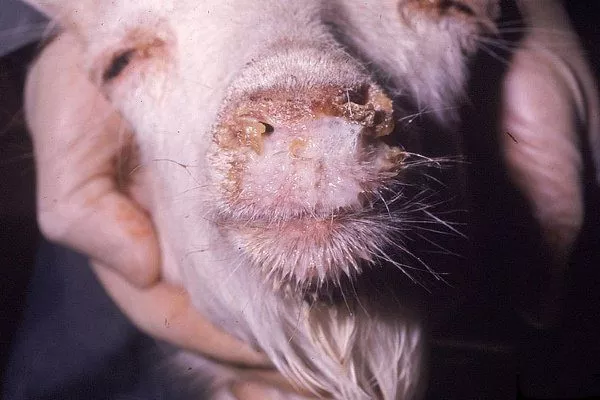
Treatment. The causes of airborne contaminants are eliminated. Sick animals are removed from the herd to a warm, dry area. Nutrition is enhanced with high-energy feed. A small amount of clean hay, legumes, and mixed feed are given. Mineral supplements and vitamins, chalk, and licks are essential. Kids are given fish oil. Individual or group inhalations are performed with vapors of turpentine, creolin, tar, and sodium bicarbonate. Antibiotics are prescribed in case of infection: penicillin or norsulfazole.
Forecasts. With a timely response to the disease, proper treatment, good maintenance and feeding, the prognosis is favorable.
Prevention. A warm room without drafts. Complete nutrition for goats.
Parasitic diseases
Parasitic diseases are caused by living organisms that parasitize on the surface of the body or inside the body.
Piroplasmosis
The cause of the disease is the bite of an ixodid tick.
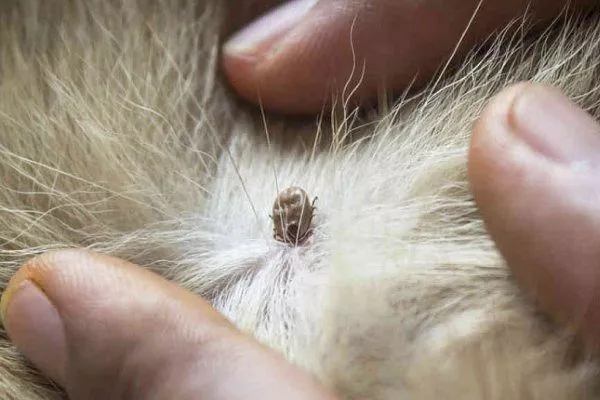
Symptoms. The disease can be diagnosed by the following signs:
- anemia;
- heat;
- weakness;
- red urine;
- rapid pulse;
- refusal to eat;
- rapid breathing;
- diarrhea;
- yellowing of the eyeballs and mucous membranes of the mouth (a sign of liver damage).
Treatment. Diamidine or Azidine are administered by injection. Symptoms are relieved and the patient is switched to a dietary diet.
Forecasts. A cure is possible. With proper treatment, the prognosis is favorable.
Prevention. Regular inspection of the herd.
Monieziosis
Helminthiasis. Infection becomes noticeable within a month or a month and a half.
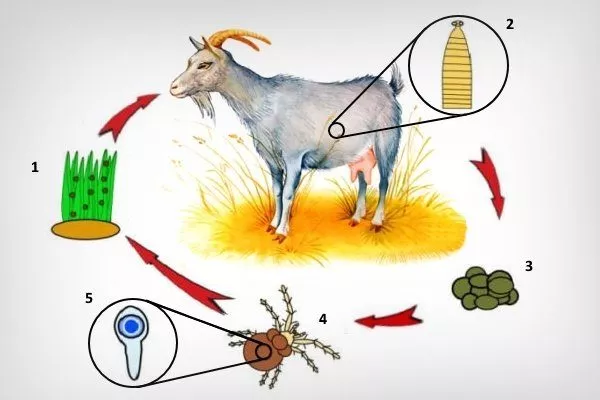
The development cycle of monieziasis: 1 - the animal eats grass along with the soil, which may contain soil mites infected with monieziasis; 2 - after one and a half months, adult monieziasis (tapeworms) develop in the intestines of the goat; 3 - sick animals defecate, and along with the feces, mature segments of monieziasis are excreted, which lay a large number of eggs; 4 - soil mites eat the feces of goats, along with the monieziasis eggs, and thereby become infected; 5 - in the intestines of the tick, the eggs continue their development to a certain stage, until the tick is swallowed by cattle along with the grass.
Symptoms. Signs of infection:
- weight loss;
- dull coat;
- refusal to eat;
- apathy;
- mucous feces in which fragments of helminths are visible.
Treatment. They give copper sulfate (in the form of a 1% solution orally, no more than 60 ml per head) or drugs - Fenasal, Panacur, Cambendazole.
Forecasts. Monieziasis is especially dangerous for kids. If left untreated, the worms completely block the intestines, and the animal dies.
Prevention.For prevention, goats are dewormed four times: the first time 14-16 days after being taken out to pasture; the second – 15-20 days after the first deworming; the third – 25-30 days after the second, and then once in September.
Fascioliasis
The disease is a helminthiasis. The flatworms, called Fasciola, inhabit the liver and bile ducts. Infection occurs during grazing, and one animal can then infect the entire herd.
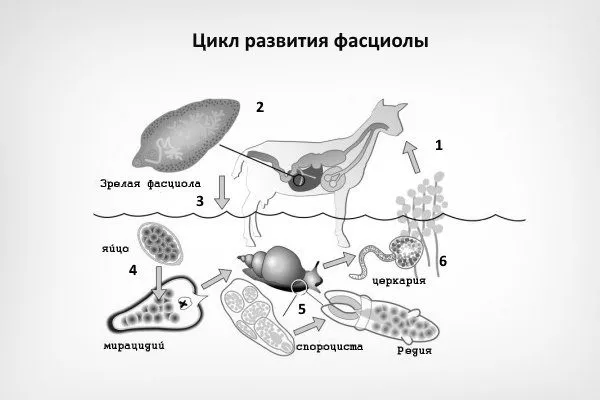
1 - the animal drinks water or eats pond grass infected with fascioliasis; 2 - the larva enters the goat's intestines, then penetrates the bloodstream and reaches the liver, and, stopping in the bile ducts, continues its development until the stage of mature fasciola; 3 - helminth eggs are excreted with the animal's feces (for their further development, they must enter water); 4 - a larva (miracidium) is formed from the egg, which floats in water and after a while is swallowed by pond snails; 5 - the larvae undergo further development while in the snail's body; 6 - after 1-2 months, cercariae (tailed larvae) are formed, which exit the mollusk and attach to plants (the cercariae then discard their tail and close in a dense shell to maintain their viability even if the plants are mown and dried).
Symptoms. Signs of infection:
- temperature up to 42°C;
- oppression;
- refusal to eat;
- diarrhea and constipation;
- the chest and lower jaw swell;
- anemia;
- The mucous membranes are initially pale, then turn yellow.
Treatment. Taking anthelmintic drugs – Acetvikol, Ursovermit, Fazinex or others.
Forecasts. If left untreated, exhaustion and death occur; with timely treatment, the prognosis is favorable.
Prevention. Avoid grazing animals near water. If this is not possible, preventative deworming is necessary before placing them in stalls and three months later.
Echinococcosis
The causative agents are cestodes. They parasitize the body, penetrating the liver, lungs, spleen, and kidneys. They are dangerous to humans. Animals can ingest cestodes' eggs and segments with food, causing infection.
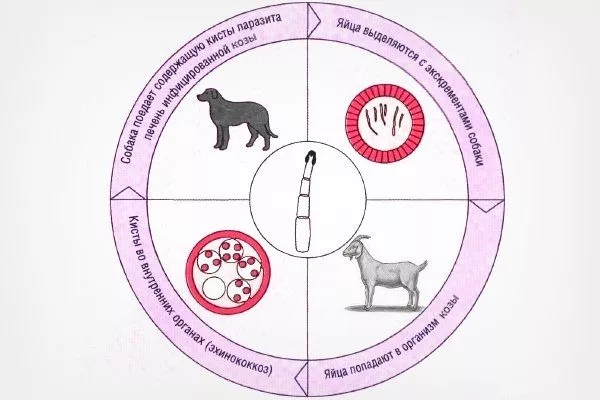
Life cycle of echinococcus
Symptoms. Signs of infection:
- weight loss;
- gastrointestinal disorders;
- jaundice;
- cough and difficulty breathing - if parasites have settled in the lungs.
Treatment. There is no effective treatment. The outcome is unfavorable.
Prevention.Do not allow dogs into livestock buildings, feed storage areas, exercise areas and pastures. Regular deworming of dogs with any broad-spectrum anthelmintic drugs is recommended.
Linognathosis
Lice infestation due to overcrowded housing.
Symptoms. Signs of lice infestation:
- the animal is constantly scratching itself;
- with a large number of lice - restless behavior;
- on the head and dewlap – dermatitis.
Treatment. Insecticides are used – emulsions and aerosols. A second treatment is required after two weeks. Products include Chlorophos, Phoxim, Insektol, and others.
Forecasts. It is easier to cure an animal at an early stage by destroying the larvae in a timely manner.
Prevention. Feeding high-quality food. Maintaining sanitation standards.
Taking care of your goats' health not only helps preserve their numbers but also maintain high herd productivity. Timely vaccinations, regular veterinary checkups, and attentive handling are key to a healthy herd.