
The world of cacti is remarkable not only for their prickly stems and ability to survive in the harshest conditions, but also for their colorful flowers and unusual fruits. For indoor and ornamental plant enthusiasts, the process of bud formation, flowering, and subsequent fruit ripening is particularly fascinating. This cycle reflects the plant's health.
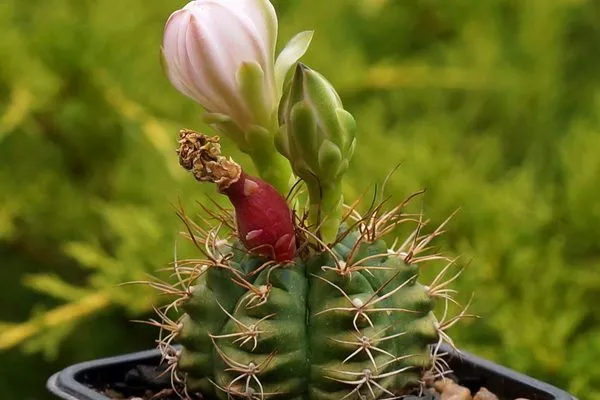
Do all cacti bloom indoors?
Cactus flowering depends on many factors, including the plant's age, species, growing conditions, and care requirements. Many species bloom regularly in the wild, but achieving this indoors can be significantly more difficult.
Some cacti species bloom frequently, even at a relatively young age. For example:
- Echinopsis And rebutia can bloom already 2-3 years after planting.
- Mammillaria usually bloom after 3-5 years.
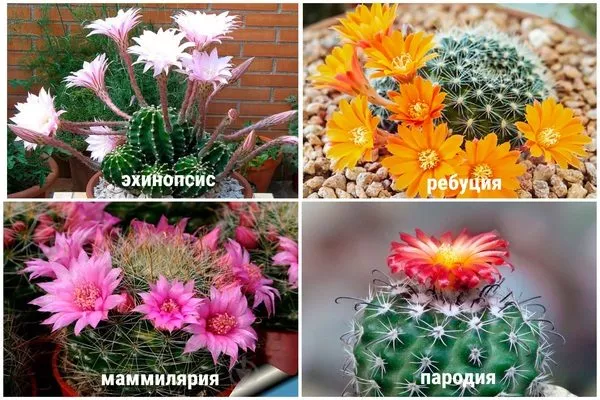
However, there are varieties that bloom extremely rarely or only at a mature age:
- Parodies and some large columnar cacti They can bloom only after 10-15 years if they are provided with conditions close to natural ones.
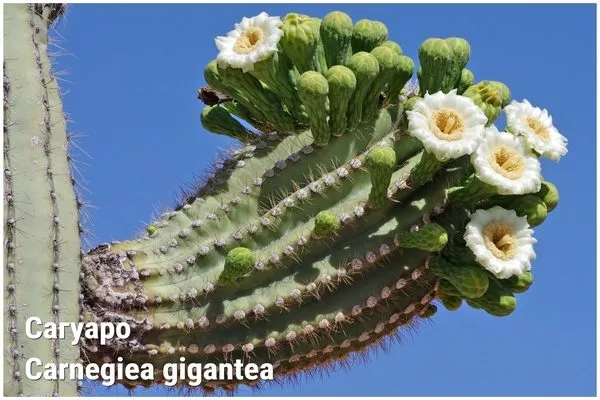
- Saguaro (Carnegiea gigantea) It practically never blooms indoors (only in the wild), as this requires several decades and specific climatic conditions.
Young cacti most often do not bloom, even if all other conditions are ideal. Flowering usually begins only after the plant reaches sexual maturity, which can take anywhere from several years to decades, depending on the species.
Home conditions often differ from natural ones, and this directly affects flowering:
- Lighting. Most cacti require bright sunlight. A lack of it will result in the plant growing green and healthy, but not producing flowers.
- Temperature. To stimulate flowering, many species require temperature differences between day and night, especially during the dormant period.
- Watering and fertilizing. Regular but moderate watering and proper fertilization stimulate bud formation.
- Rest period. Many cacti require a winter rest period with minimal watering and cooler temperatures (usually 8-12°C). Without this, flowering may not occur.
You will find maximum useful information about what conditions indoor cacti need to bloom. Here.
Which cacti will definitely bloom at home?
Some cacti are highly likely to bloom, even with basic care. These are often compact species adapted to indoor conditions and mature relatively quickly.
Below is a table with detailed information:
| Types of cacti | Age of flowering | Flowers | Features of care for flowering |
| Mammillaria | 3-5 years | Pink, red, white, yellow. A crown around the top. | Bright sun, winter dormancy at +10-12°C. |
| Echinopsis | 2-4 years | Large, often fragrant. White, pink, red, orange. | Direct light, moderate watering, cool winter. |
| Rebutia | 2-3 years | Small, bright: red, orange, pink. | Bright light, cool winter peace. |
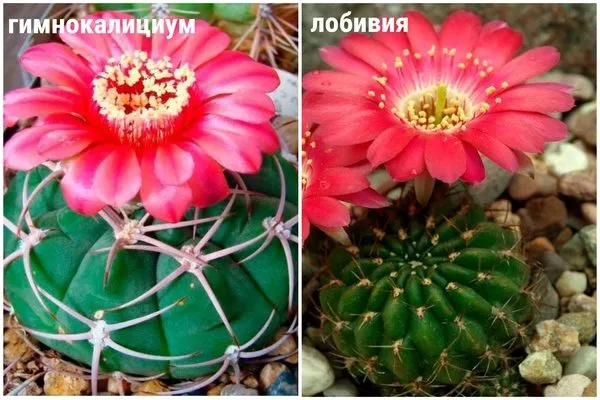
| Gymnocalycium | 3-6 years | Small. White, pink, pink-red. | Diffused light, winter dormancy at +8-12°C. |
| Lobivia | 2-3 years | Large, bright: red, orange, pink. | Bright sun, moderate watering, winter dormancy. |
| Miniature Cereus | Depends on the type | Large, usually white, aromatic. | Direct or bright light, dormant period in winter. |
How long does the flowering process last?
The flowering process of cacti varies greatly depending on the plant species, growing conditions, and time of year. Indoors, flowering can last anywhere from a few hours to several weeks.
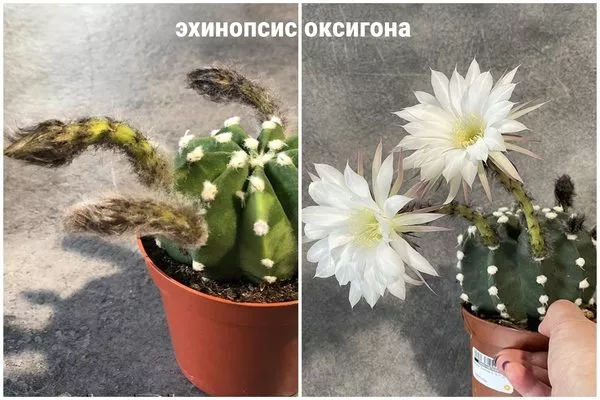
Let's take a closer look:
- Short-term flowering (several hours - 1 day). Some cacti, especially echinopsis, produce large flowers that open in the evening and fade the next day. The flowers of these species are often bright and fragrant, but short-lived. For example, Echinopsis oxygona has a flower that lasts approximately 24 hours.
- Average duration (2-7 days). Compact species, such as Mammillaria or Rebutia, produce several flowers at once, which last for several days. The flowers open gradually, allowing you to admire the plant for a longer period.
- Long flowering period (1-3 weeks). Some Gymnocalycium and Lobivia species can hold their flowers for up to two weeks, especially with proper light, temperature, and moderate watering. This lifespan can be extended with cool night temperatures and filtered daylight.

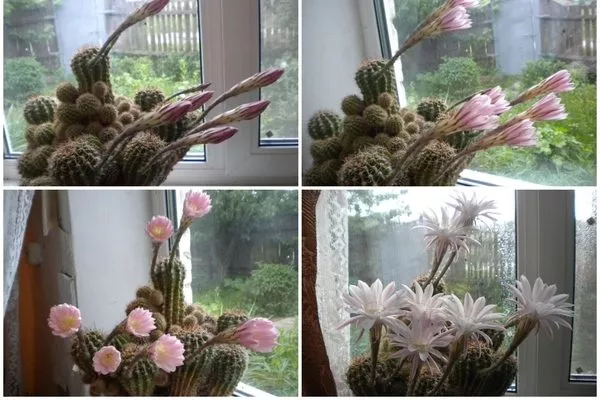
Some cacti, such as Rebutia, have flowers that open gradually, forming a "crown" of flowers around the top, creating the effect of continuous bloom for 1-2 weeks. In such cases, individual flowers last 2-5 days, but the overall impression of a blooming plant lasts longer.
The flowering process
Cactus flowering is a complex biological process that involves several stages: plant preparation, bud formation, and the actual blooming of the flowers. Success depends on the age, species, care conditions, and adherence to the plant's natural dormancy cycle.
Preparing for flowering
Before a cactus blooms, the plant goes through a preparatory phase, which can last several weeks or even months. During this period, the following processes occur:
- Accumulation of nutrients. The plant focuses its energy on forming flower buds rather than stem growth. Phosphorus and potassium fertilizers, which stimulate bud development, are especially important for this.
- Reaction to seasonal changes. Many cacti species require winter dormancy with lower temperatures and reduced watering. This cold period stimulates the formation of flower buds and creates a biological "impulse" for flowering in the spring and summer.
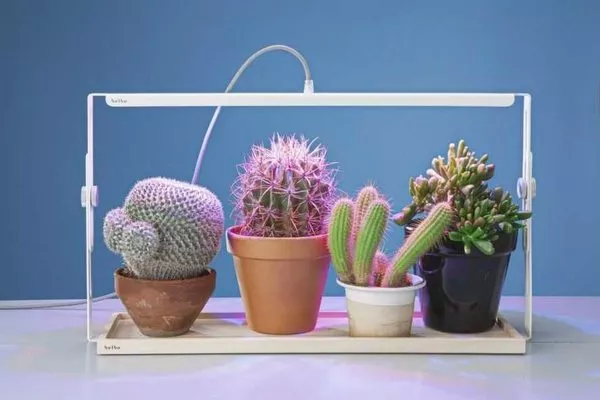
- Optimal lighting conditions. Bright sunlight or supplemental lighting from phytolamps is essential for bud formation. Insufficient light can slow down or completely stop the flowering process.
Flowering phases
Each phase has its own characteristics, plant needs, and care requirements, and knowing these stages helps create optimal conditions for lush and long-lasting flowering.
After preparation, the crop goes through several stages of flower opening:
- Formation of buds. Small buds of future flowers appear at the top or sides of the stem. At this stage, the cactus actively consumes water and nutrients to support the bud's development.
- Flower growth and coloring. The bud enlarges, changes color, and becomes noticeable and beautiful. Sometimes, the blossoming is accompanied by a gradual unfurling of the petals.
- Flower opening. The petals open fully, the flower reaches its maximum size and brightness.
After flowering, the petals gradually fall off, and the plant returns to its normal growth phase. It's important to maintain moderate watering and avoid nitrogen feeding during this period to prevent the cactus from focusing its energy on vegetative growth prematurely.
Factors affecting flowering
Flowering depends on many factors. Even a healthy plant won't always produce flowers if even one key care element is disrupted.
What influences the flowering of a crop:
- Plant species and age. Different cacti species have different flowering patterns: some bloom after 2-3 years, others after 10-20 years. Young plants are usually focused on growth and root development, so they bloom later.
- Lighting. Bright light is essential for flower bud formation. Many cacti require at least 4-6 hours of direct sunlight per day. Insufficient light results in elongated stems, poor growth, and a lack of flowers. Some species benefit from supplemental lighting with phytolamps during the winter.
- Watering and humidity. During active growth, cacti require regular watering, but overwatering can lead to rot and flower failure. During dormancy, reduce watering significantly to prevent root rot. Air that is too dry or humid can also affect bud development.
- Feeding and nutrition. For flowering, not only nitrogen fertilizers (which stimulate growth) are important, but also potassium and phosphorus, which are responsible for bud formation and flower health. A deficiency of these elements slows flowering or even stops it altogether.
- Stress and plant immunity. A cactus's health directly impacts its ability to bloom. Pests, diseases, repotting in unsuitable soil, or root damage can all cause stress, causing the plant to focus on recovery rather than blooming.
- Seasonality and the biological clock. Many cacti bloom strictly at specific times of year. For example, Rebutias often bloom in the spring, and Echinopsis in the summer. Disruption of the natural light regime and seasonality (for example, excessive light in winter) can delay or completely suppress flowering.
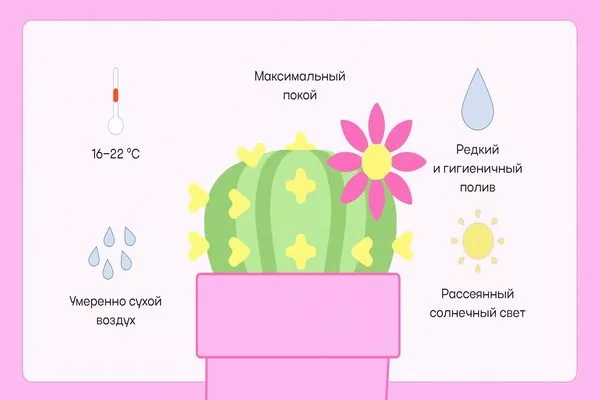
Cactus bloom is the result of a combination of natural factors and proper care. Even minor care errors can delay or completely prevent blooming.
Basic rules for caring for cacti at home
Cacti are often perceived as easy-to-grow plants that can thrive without much care. But in reality, they require the right conditions to thrive, and especially to flower.
Location
The location of the plant plays a key role, as it determines how much light and heat the crop receives, as well as how protected it is from adverse factors.
However, when choosing a location, you need to consider other points:
- South and south-east facing windows are the best option for most species, as they provide sufficient light and warmth.
- Places with constant drafts and sudden temperature changes should be avoided: cold air can cause stress and stop growth.
- If we are talking about small decorative species, they can be kept on shelves with additional lighting, which allows for even distribution of light and the creation of mini-compositions.
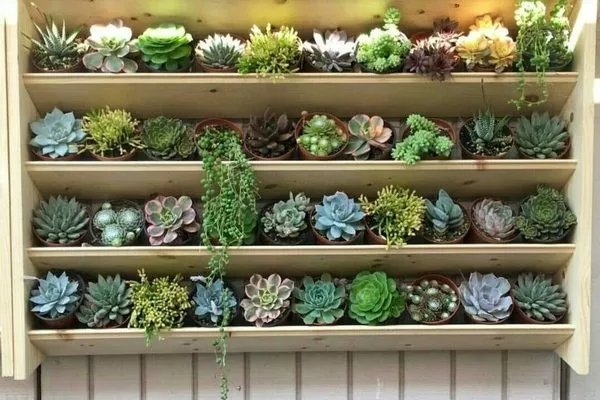
A correctly chosen location helps the plant maintain its natural shape, strengthen tissues and form buds.
Lighting
Lighting is essential for cacti. In the wild, they thrive in bright sunlight, and indoors, without sufficient light, the plant will not be able to grow and bloom properly.
Sunlight affects photosynthesis, stem coloration, and flower bud formation:
- Most species require at least 4-6 hours of direct sun per day, especially in spring and summer.
- When there is insufficient light, the cactus begins to stretch, loses its compact shape and stops producing buds.
- In winter, natural light is scarce, so it is useful to use phytolamps for additional lighting, especially if the plant is kept on a north or west-facing window.
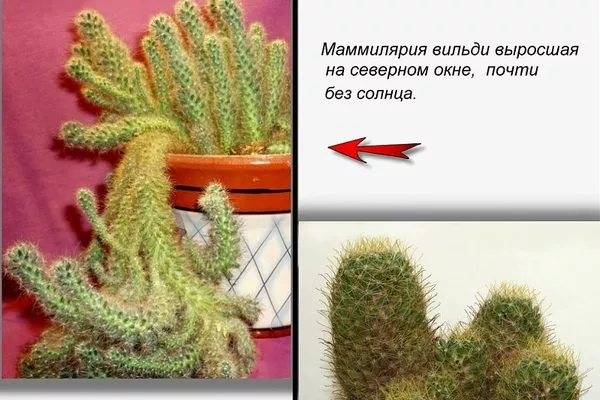
Some cacti, such as Mammillaria and Rebutia, can tolerate filtered light, but direct sun makes them bloom more profusely.
Soil moistening
Watering cacti requires a special approach, as these plants originate from arid regions and are adapted to infrequent but abundant water supply. At home, it's important not just to water, but to mimic the natural cycle of rain and drought.
Follow these recommendations:
- During the period of active growth (from spring to late summer), water the cacti regularly, but only after the soil has completely dried out.
- In autumn and winter, most species require rest: reduce watering to a minimum or stop completely to avoid root rot.
- Water should only reach the soil, not the stems or flowers, otherwise there is a high risk of fungal infections.
- It is better to use soft and settled water at room temperature.
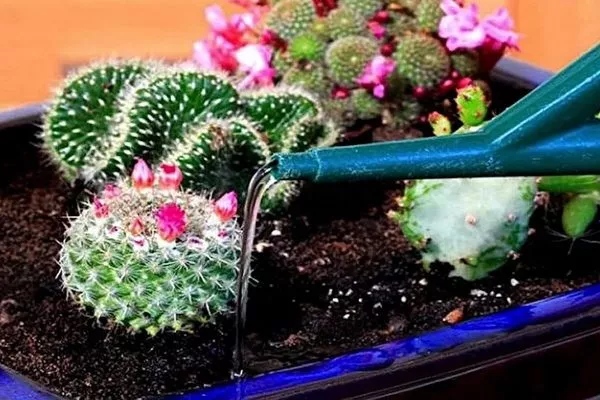
Proper soil moisture helps maintain the health of the root system and the formation of buds in the coming season.
Temperature
Temperature directly influences the growth and flowering of cacti. These plants are adapted to the fluctuations between daytime heat and cool nighttime temperatures, so they also require this contrast indoors.
Please follow the requirements:
- The optimal temperature for most species in summer is +20-30°C during the day and about +15-20°C at night.
- In winter, a drop in temperature to +8-12°C stimulates the plant to enter a dormant phase, which is critical for the formation of flower buds.
- Lack of day/night cycle or a winter that is too warm can completely block flowering.
Fertilizers
Nutrition plays an equally important role as light and temperature. Cacti don't require a lot of nutrients, but without them, they become weak, grow poorly, and bloom less frequently.
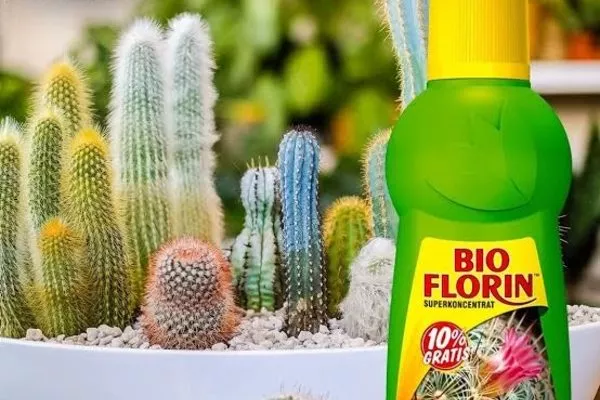
It is important to select the correct fertilizer composition and adhere to the application schedule:
- In spring and summer, apply solutions with low nitrogen content and high concentrations of potassium and phosphorus, which are responsible for the formation of buds and flowers.
- Nitrogen is necessary for the growth of green mass, but its excess makes the stem watery and prevents flowering.
- Fertilize once every 3-4 weeks during the active growth period. Apply fertilizer only to moist soil to avoid burning the roots.
- During the dormant period (autumn-winter), completely exclude any fertilizing.
You can find out more details about what fertilizers are suitable for cacti and how to use them correctly. here.
Why didn't the cactus bloom?
Cactus blooms are always a long-awaited event for gardeners. However, sometimes a plant goes years without buds, despite appearing healthy. The causes can range from care issues to hidden diseases. To understand the problem, it's important to consider several factors.
Pests
Parasitic insects can significantly weaken a cactus, leaving it with no energy left to bloom. Particularly dangerous are:
- spider mite – sucks the juice from the tissues, leaves and shoots become pale;
- scale insects and mealybugs – form white or brown deposits, inhibiting growth;
- thrips – leave silvery stains and damage delicate tissues.
Diseases
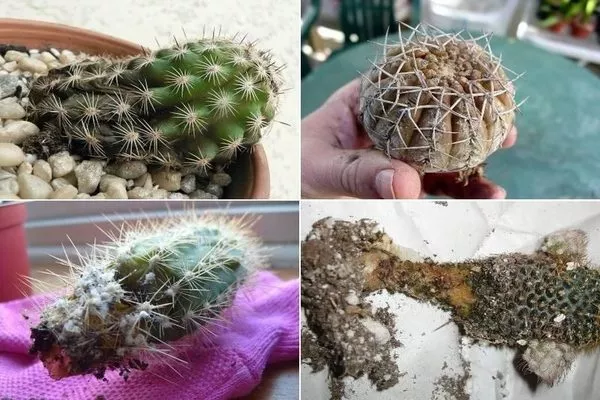
If a cactus is affected by fungal or bacterial infections, it spends its energy on survival rather than on bud formation. The most common causes are:
- root rot – develops with overwatering and poor drainage;
- fusarium – leads to wilting and blackening of tissues;
- spots and mold – interfere with normal photosynthesis.
Inappropriate pot size
The size of the container plays a major role. It's important to consider a few things:
- If the pot is too spacious, the cactus will focus its energy on root development rather than flowering.
- If the container is too tight, the root system suffers from a lack of nutrition.
Inappropriate substrate condition
Over time, the soil compacts, losing air permeability and nutrients. As a result, the roots become less productive, and the plant experiences stress.
You shouldn’t expect flowering if the soil:
- too heavy and clayey,
- exhausted, without regular feeding,
- waterlogged and poorly drained.
A properly conducted procedure will help solve the problem. transfer using a suitable substrate and a good pot.
Pot material
Sometimes even the container itself interferes with flowering. For example:
- plastic – does not allow air to pass through well and can retain excess moisture;
- metal – heats up and cools down quickly, causing stress to the roots;
- glazed ceramics – retains moisture, which increases the risk of rot.
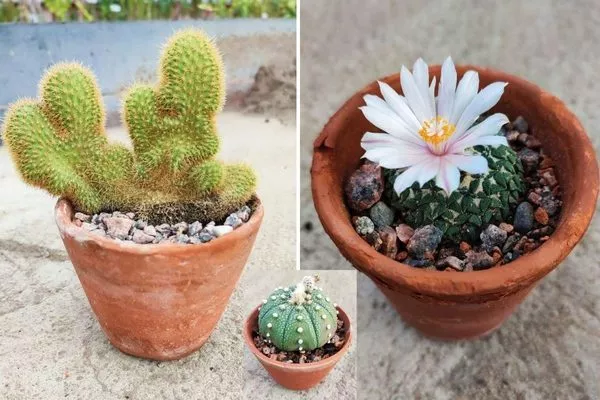
The optimal option is considered to be an unglazed clay container, which ensures natural evaporation of moisture and a healthy environment for the roots.
Fruit formation and ripening
After flowering, cacti begin the process of fruit set. This process lasts from 2-3 weeks to several months, depending on the species and growing conditions. During this period, the plant actively uses the nutrients stored in the stem, so it is important to maintain it with water and, if necessary, fertilize.
The importance of fruits and flowers in plant growing
Cactus flowers and fruits have a dual meaning. On the one hand, they are a natural stage in the plant's life cycle, enabling its reproduction. On the other hand, they are prized for their ornamental value and nutritional value.
Many species are grown specifically for their unusual fruits, rich in vitamins and antioxidants. Furthermore, cactus fruits and flowers are often used in decorative arrangements and cooking.
Types of edible cacti
Edible cacti play an important role in the diets of people in Mexico, South America, and even some Mediterranean regions. These plants are prized not only for their unique flavor but also for their rich nutritional content: they contain B vitamins, ascorbic acid, calcium, magnesium, and antioxidants.
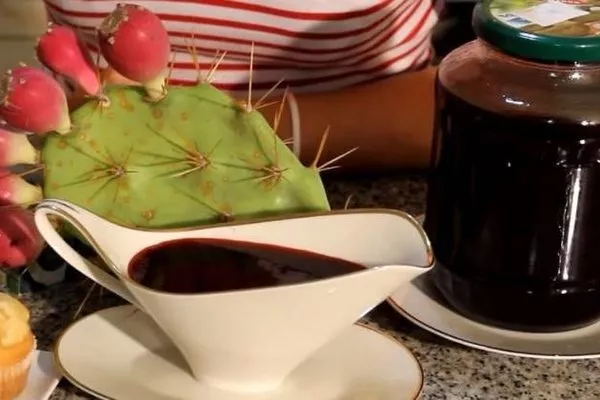
Cacti are used to make drinks, side dishes, sauces, and the fruits are used as desserts. Several varieties are particularly popular.
Prickly pear
One of the most popular cacti for miniature gardens. Its flat, succulent segments give the plant a unique appearance, and it's compact and space-saving indoors.
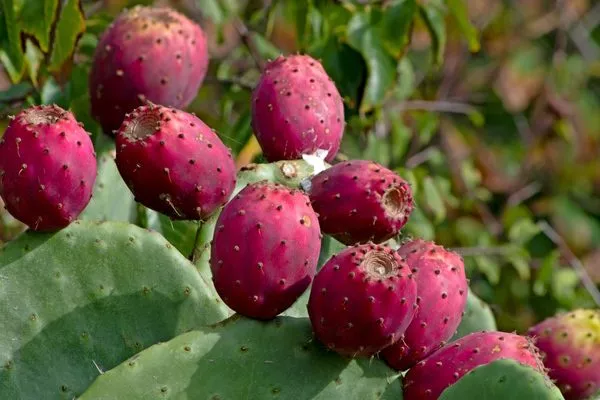
Prickly pears They are unpretentious, tolerate dry soil well, and require minimal care. In summer, they can delight with beautiful yellow or pink flowers.
Pitahaya
Pitahaya, or dragon fruit, is grown in miniature gardens not for its fruit, but as a striking ornamental cactus. Its long stems droop gracefully, making it often used in hanging arrangements.
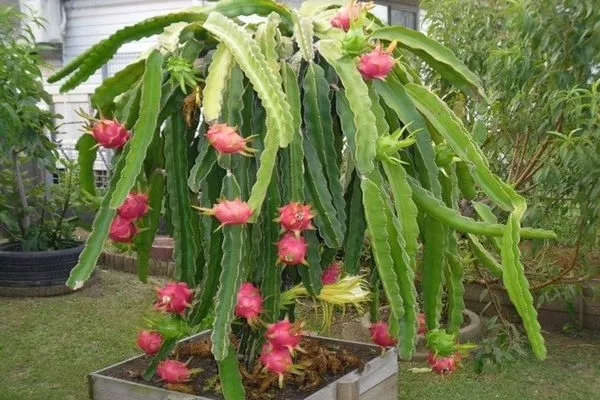
This variety rarely blooms indoors, but even without flowers, it looks impressive. The key is to provide it with sufficient light and a stable support for growth.
Christmas Clergyman
It differs from the typical "prickly" cacti. It has flat stem segments and vibrant blooms that appear during the winter months. This makes it especially valuable for miniature gardens, as it adds a lively touch to the arrangement during the colder months.
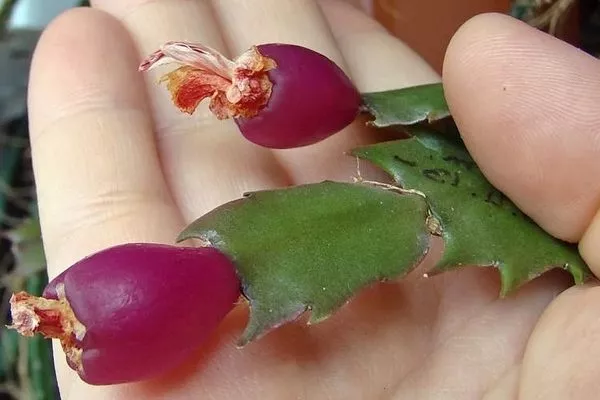
The Christmas cactus loves diffused light and regular but moderate watering.
Mammillaria prolifera
A miniature cactus that forms dense "cushions" of numerous round stems. This growth habit makes it ideal for miniature gardens and potted arrangements.
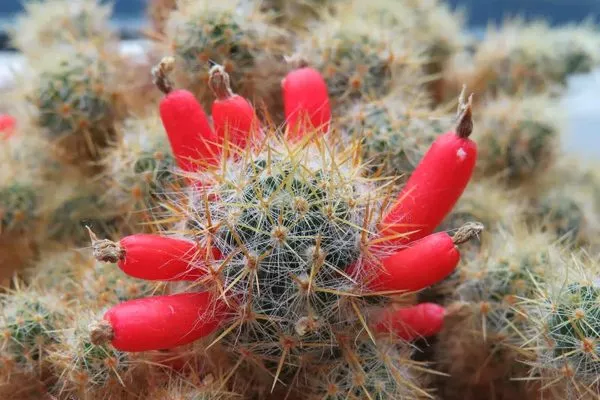
Mammillaria blooms with small white or cream-colored flowers that stand out beautifully against the spines. This species is very hardy and easily propagated by cuttings.
Grandiflorus
Prized for its large, fragrant flowers that open at night, it remains compact indoors and is suitable for miniature gardens.
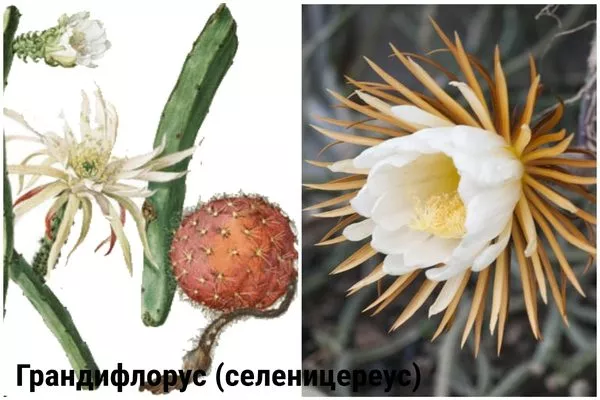
Grandiflorus flowers are white or pink, very showy, but last only one day. The plant itself is undemanding and can go for long periods without watering.
Prutovik (rhipsalis)
Characterized by elongated, slender stems covered in dense, bristly spines, it looks unusual in miniature gardens due to its upright form.
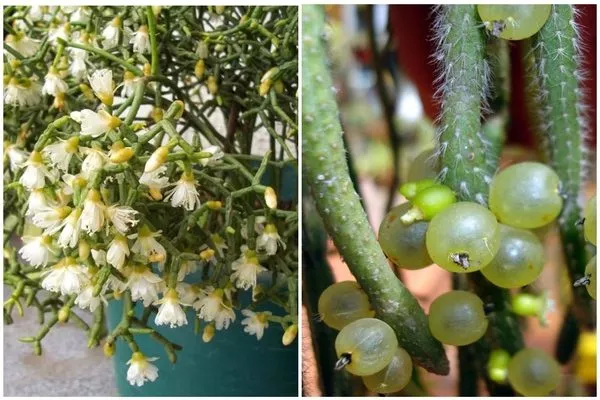
With proper care, it can bloom with tubular red or orange flowers, adding a vibrant touch to the arrangement. It prefers plenty of light and dry air.
Other species
In addition to those listed, miniature gardens often include rebutias, echeverias, and astrophytums. These plants are characterized by their compact size, variety of shapes, and ease of care.
How to eat cactus fruits?
Cactus fruits are edible in many species, but they need to be prepared properly to avoid irritating your mouth with the spines and to enjoy the flavor. Follow these guidelines:
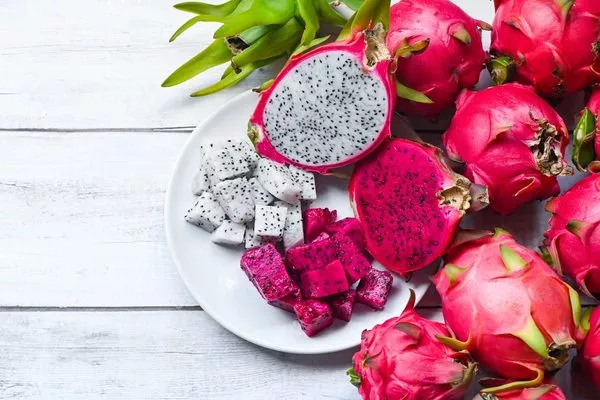
- Selecting a fruit. It's best to choose ripe, soft-to-the-touch specimens (such as prickly pears or dragon fruit). Unripe fruits can be tart or too hard.
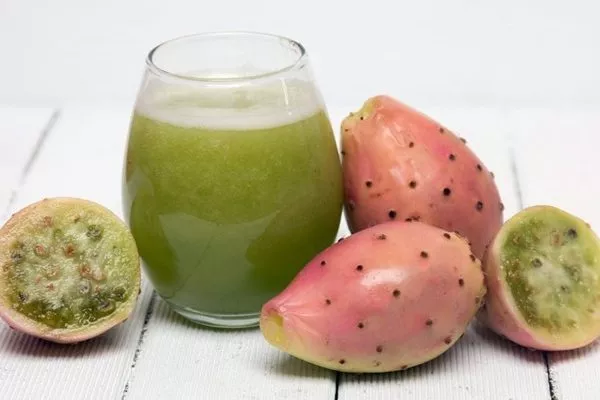
- Removing thorns. The prickly pear's skin is covered with tiny spines (glochidia) that easily pierce the skin. To remove them, rinse under running water and gently brush. You can also burn the skin over a flame or roll the fruit while wearing gloves.
- Cleaning. Cut off both ends of the fruit, make a longitudinal cut in the peel, and carefully peel it off. The juicy flesh remains inside.
- Use. Eat the pulp with a spoon or cut into pieces. You can swallow the seeds (they're small and safe, like those of kiwi). Use the pulp in salads, smoothies, desserts, and jam.
Popular types for eating:
- prickly pear – sweet and sour juicy fruits;
- pitahaya – sweet, tender pulp;
- grandiflorus and mammillaria – the fruits are small, with a pleasant sweet taste.
Benefits of cactus flowers and fruits
The flowers and fruits of cacti are not only beautiful but also beneficial to human health. In various countries, they are used in both folk medicine and cooking.
Useful qualities:
- Source of vitamins and minerals. The fruits and petals contain vitamin C, B vitamins, magnesium, potassium, calcium and iron, which strengthen the immune system and support metabolism.
- Antioxidant action. Substances contained in fruits and flowers slow down the aging process, neutralize free radicals and reduce the risk of inflammation.
- Digestive support. Cactus fruits are rich in fiber, which improves bowel function, normalizes bowel movements, and helps with constipation.
- Lowering blood sugar levels. Regular consumption of certain species (such as prickly pear) helps stabilize glucose levels, which is beneficial for type 2 diabetes.
- Cholesterol regulation and heart protection. Cactus juice helps remove "bad" cholesterol, improving the condition of blood vessels and reducing the risk of cardiovascular disease.
- Anti-inflammatory effect. Infusions and decoctions of flowers are used to relieve inflammation, stomach pain and joint ailments.
- Strengthening skin and hair. Oils and extracts from flowers and fruits nourish the skin, protect against dryness and irritation, and are used in cosmetology.
- General tonic effect. Fresh fruits quench thirst, replenish fluids in the body and increase energy levels.
The ripening of flowers and fruits in cacti is a natural stage of their development, delighting owners with vibrant colors and sometimes delicious gifts. Watching this process is not only fascinating but also rewarding: it helps you better understand the plant's needs and adjust care promptly. The right conditions guarantee lush blooms and fruit production every year.