
Preparation domestic cacti Preparing cacti for winter is an important care step that ensures their healthy development next season. Properly created conditions allow plants to rest, recuperate, and lay the foundation for beautiful blooms next spring. Let's take a detailed look at all aspects of preparing cacti for successful wintering.
Why do cacti need to overwinter?
Before winter, cacti enter a dormant period, essential to their natural life cycle. This period allows the plants to recharge, gain strength and resources for subsequent growth and flowering. The quality of their wintering determines the size and shape of their flowers, the rate of new shoot growth, and the overall health of the cactus.
Duration of wintering for cacti
The optimal wintering period for most cacti species ranges from 2 to 3 months. Traditionally, the dormant period begins in November, when daylight hours decrease and overall light levels decline.
Simultaneously reducing watering and lowering the temperature encourages cacti to naturally enter a state of dormancy. This is important because maintaining high temperatures causes the plant to continue to actively evaporate moisture without receiving sufficient moisture.
Thus, properly organized wintering creates conditions that allow cacti to restore strength and prepare for a new vegetative cycle, which subsequently promotes their active growth and flowering.
The main stages of preparation for winter and the best conditions
The preparatory activities are based on several key actions:
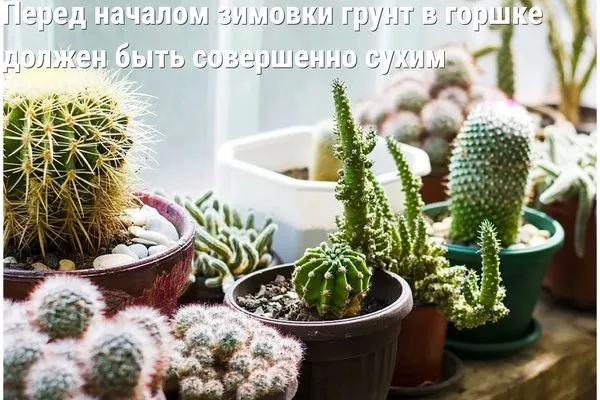
- Gradually reduce watering in the fallThe frequency should be reduced as early as September-October. This is done to allow the plant to gradually transition into dormancy.
Instead of regularly watering once every week or every week and a half, reduce the interval to once a month or even less frequently. It's crucial to wait until the soil is completely dry before watering again. - Choosing a suitable place for winteringChoose a cool, yet bright location for storing cacti over winter. It should be protected from frost and sudden temperature changes. Here are some possible options:
- A closed greenhouse or hothouse is suitable if additional heating and light can be provided.
- A cool room or corridor: the main condition is the absence of heating and good ventilation.
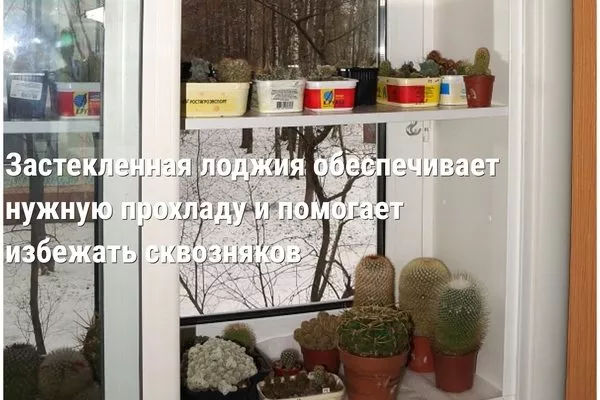
- Balcony or loggia: the ideal option is if the balcony is insulated and equipped with double glazing.

- Providing the required level of lightingEven though cacti enter a dormant state, they still require adequate light. They should receive at least 8 hours of daylight per day.
If natural light is insufficient, use phytolamps or fluorescent lamps, installed at a distance of approximately 30 cm from the plants. - Wintering temperature controlKeep in mind that different types of cacti have different temperature preferences. Most will thrive in temperatures between 5 and 15 degrees Celsius.
Please follow the following recommendations:- Central Asian species: temperature around +10…+15°С.
- American varieties: tolerate lower temperatures down to +8°C.
- Forest epiphytic cacti: maintain temperatures around +1…+20°C.
- Maintaining optimal air humiditySince most cacti originate from dry areas, high humidity is undesirable for them. Create artificially dry air by regularly ventilating the room or using a hygrometer to monitor humidity. The optimal level is 40-50%.
- Refusal to use nutritional formulationsStop applying mineral fertilizers a month or two before winter begins. Plants need rest, and additional nutritional stimulation will disrupt their natural resting cycle.
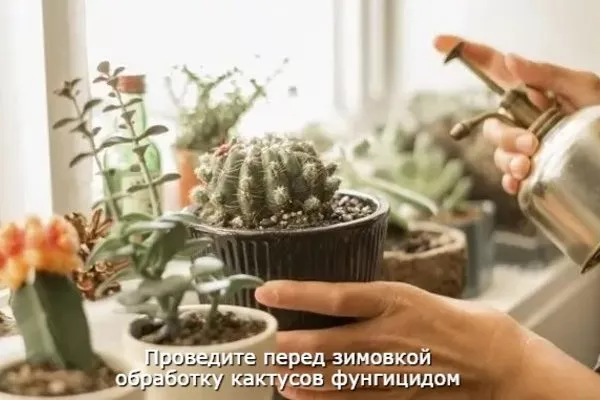
- Pest and disease controlBefore storing cacti, thoroughly inspect them for pests and diseases. Remove old, dead plant parts and treat them with a special fungicide or acaricide solution.

What else can be done?
A constant temperature is the key to successful cacti care. Temperature fluctuations can lead to a variety of problems, including root rot and mold.
Creating a mini greenhouse
A mini greenhouse allows you to achieve several goals at once:
- the ability to regulate temperature and humidity inside the structure;
- the greenhouse protects plants from direct sunlight, preventing overheating;
- The greenhouse material serves as a barrier against adverse weather conditions.
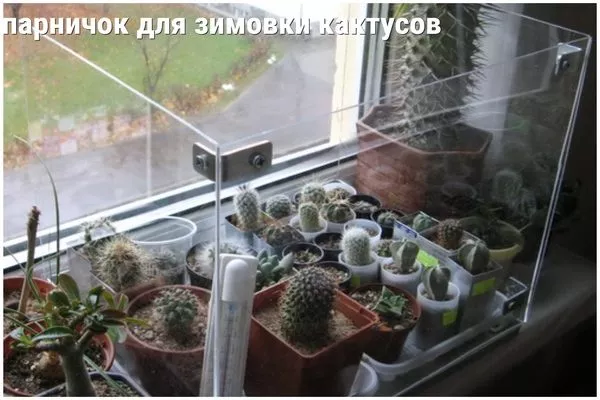
To build an effective mini greenhouse, follow these simple steps:
- Determination of sizesExamine the cacti and choose the appropriate diameter and height for the greenhouse. The height should allow for free air circulation and leave room for future plant growth.
- Selection of raw materialsYou'll need readily available and inexpensive materials, such as a wooden frame and a transparent covering, such as plexiglass or film. Plywood or thin boards are suitable for the frame.
- Assembling the structureAssemble the frame, securing the side walls and roof. Ensure the connections are secure and airtight.
Leave ventilation gaps. It's crucial to leave a small gap between the side of the structure and the window. This will ensure adequate ventilation and prevent moisture from accumulating inside. - Installation of the coatingPlace a sheet of plexiglass or stretch film over the top of the greenhouse, securing the edges of the material with staples or clamps.
Following these recommendations will help create comfortable conditions for your cacti, protecting them from harmful influences and promoting harmonious growth and development.
Alternative options for overwintering cacti
If building a mini greenhouse seems like a difficult or out-of-reach option, don't worry—there are plenty of other solutions for ensuring the perfect wintering experience.
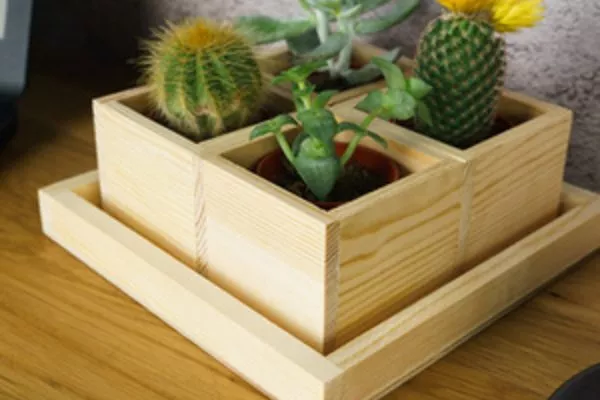
Options for wintering premises:
- Open cabinet in the kitchenKitchen cabinets can be excellent storage areas for cacti during the winter months. The main advantage of this option is proximity to natural light and a constantly controlled temperature.
- A box on an insulated loggiaBoxes or shelves on an insulated balcony provide an excellent way to keep plants separate from the living space. Thanks to special insulation and temperature control, you'll achieve the desired microclimate.
- BasementIdeal for overwintering, especially if temperatures are maintained between 5 and 15°C. It's important to maintain low humidity, otherwise the plants may be susceptible to fungal diseases.
Key points to consider:
- Strictly adhere to the established temperature limits.
- Ensure good air circulation to prevent mold growth.
- Provide plants with long daylight hours.

When storing in dark rooms, be sure to try to give the plants an additional dose of artificial light (phytolamps, fluorescent lamps).
Potential problems with improper preparation for winter
Failure to comply with wintering rules can lead to the following problems:
- Freezing of rootsToo low a temperature can kill the roots, making further recovery impossible. More useful information about cactus root problems and solutions awaits you. Here.
Development of fungal diseases: Excess moisture combined with cold temperatures creates ideal conditions for the spread of fungi.

- Plant deformation: Incorrect positioning may result in trunk distortion.
Recommendations for returning cacti to the active phase after wintering
After hibernation ends, cacti are ready to return to active growth and development. Proper care will help plants recover more quickly from their dormant period and prepare for healthy growth and flowering.
Below we've compiled the key recommendations to help your cactus easily transition into the active growing phase:
- Gradual increase in temperatureThe first step to awakening cacti after winter is to gradually increase the ambient temperature. Over the next few weeks, raise the thermometer readings to the recommended levels for your specific plants.
The ideal solution is to install greenhouses or hothouses with adjustable heating, which will make it easier to control temperature changes. - Normalization of irrigation regimesIn early spring, resume watering in small doses. Initially, watering should be infrequent and limited to allow the root system to adapt to the new activity.
After the first two or three times, gradually increase the amount of water until you reach your normal hydration schedule.
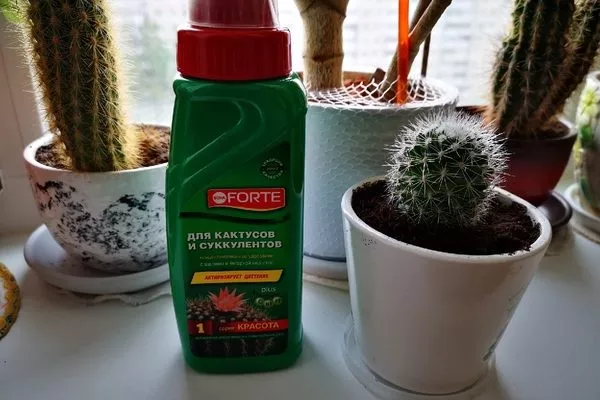
- Fertilizer and nutritionResume applying mineral fertilizers three to four weeks after the start of active watering. It's important to start with low concentrations and gradually increase them to the normal levels.
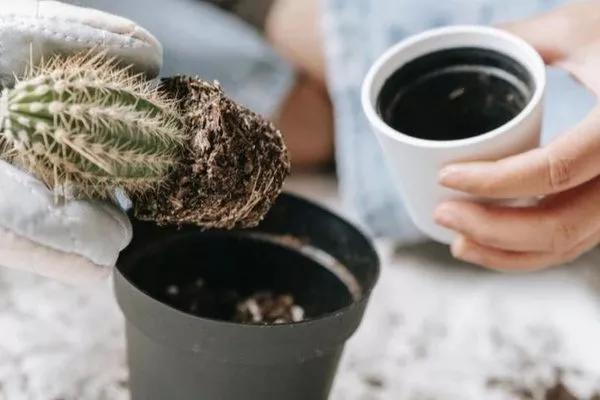
Preferably, specialized complex fertilizers for cacti and succulents contain phosphorus and potassium, which promote growth and budding. - Transplantation and propagationSpring is the perfect time for transplants Old cacti and dividing bushy species. Pay attention to soil quality and drainage, as proper soil composition prevents disease and supports active root development.
- Additional care and hygieneCheck your plants for pests and diseases, and remove any dry or damaged areas. Periodic treatment with insect repellents will help protect your collection from mites and other harmful organisms.
Final readiness check for the active phase
Your cactus is ready to enter its active period if the following criteria are met:
- The temperature has stabilized and meets the requirements of the species.
- Watering regimes are standardized and do not conflict with the plant’s needs.
- The necessary fertilizers have been applied. You'll learn about which nutrient solutions are suitable for these houseplants. here.
- Sanitary treatments have been carried out.
- There are no problems with parasites and diseases.
You will find more useful information about the conditions cacti need to bloom luxuriantly in the spring. Here.
What to do during a prolonged thaw?
If a prolonged thaw sets in, outdoor cacti may emerge from dormancy prematurely. If you notice signs of wilting, gently water the plants with a pipette to compensate for the loss of moisture. However, deliberately stimulating them to emerge from dormancy too quickly is not recommended.
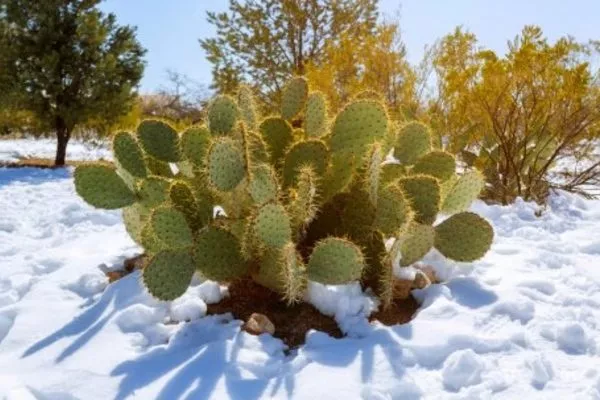
If weather conditions remain mild and the thaw continues for more than a week or two, cacti usually end their dormancy period earlier than expected.
In this situation, succulent plants will need help transitioning to the active phase. Take the following steps:
- Slowly resume watering, starting with a small amount of water and increasing it gradually (you will find more details on how to properly water cacti Here).
- Start gradually increasing the duration of lighting by using phytolamps.
Following these recommendations will give your cacti a great start to the new season and ensure a bountiful harvest of flowers and fruit. The key is to continue caring for your plants, even during their natural dormancy period.