
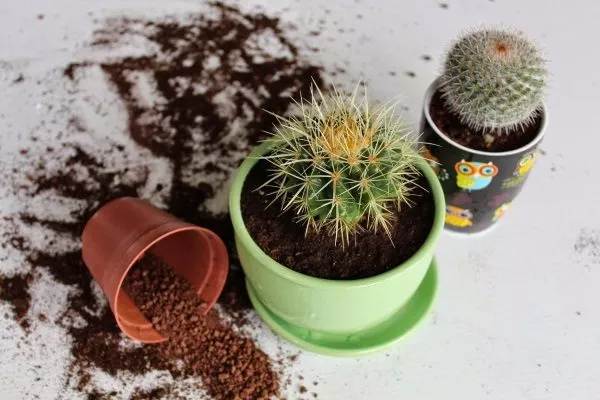
When cactus If a cactus starts to outgrow its current pot, this is a sign that it needs repotting. Even a novice can handle repotting—it's not a particularly difficult task. Cacti have their own characteristics, but following certain guidelines will help ensure a successful repotting without any hassle.
Features of cactus replanting
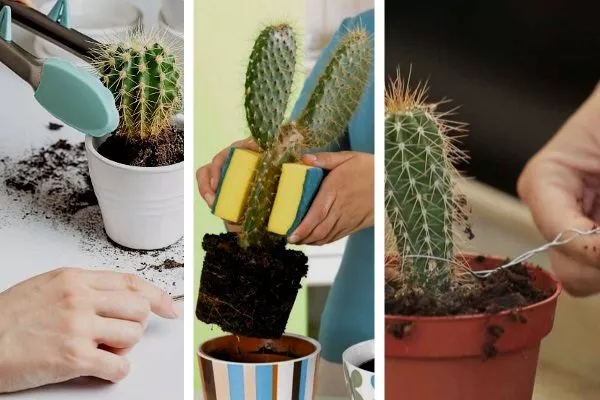
Repotting a cactus requires special sensitivity and attention. Even minor scratches during repotting can have detrimental effects on the plant. When approaching the issue of how to repot a cactus correctly, it's important to exercise care and caution.
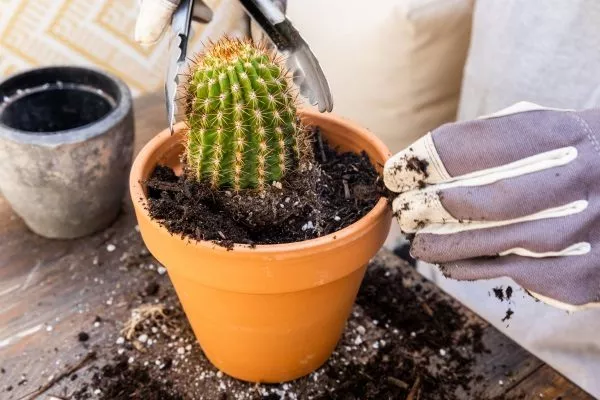
Time and frequency
Cacti can be repotted at any time of year, but the most suitable period is considered to be from late autumn to early winter. When considering mammillaria, there are some specific considerations to consider.
Young specimens can be repotted annually, while mature plants only need to be repotted every 2-3 years. The optimal time for repotting is spring, when the cactus is already beginning to emerge, which facilitates its adaptation to its new location.
There's a specific timeframe for repotting the Christmas cactus. It's recommended to repot it after flowering, usually around the end of February. Young Christmas cacti can be repotted annually, while mature specimens only need to be repotted every four to five years.
Choosing a pot
The choice of pot for a cactus depends on the characteristics of its root system.
Helpful tips:
- If the plant has taproots, choose a deep pot. Cacti with shallow roots will thrive in wide, shallow pots.
- When choosing a container diameter, focus not on the plant's size, but on its roots. Even if the above-ground part appears large, don't transplant a plant into a larger pot if its roots are weak. This can lead to stunted growth and a lack of flowering.
- Choose a pot 1-2 cm larger in diameter than the previous one. Avoid overly large pots to prevent overwatering, which can lead to root rot.
- Plastic, clay, or ceramic pots are suitable for repotting. Plastic retains moisture and heat, while clay and ceramic allow moisture to evaporate, preventing overwatering.
Preparing the cactus
When repotting cacti, stop watering for 3-4 days before repotting. Allow the soil to dry completely. When repotting young plants, thoroughly remove any old soil from the root system. For mature cacti over 5 years old, leave some soil around the roots.
Some experienced gardeners suggest a warm root bath method:
- Immediately after removing the plant from the pot, soak the roots in warm water (at 50-55°C) for 10-15 minutes. This process helps remove old soil and prevents potential diseases.
- After this, dry the roots thoroughly. In some cases, it's recommended to hang the plant by the root collar, but you can also place the cactus on cardboard or paper for 24-48 hours to dry.
- ✓ The water temperature for the root bath should be strictly 50-55°C to avoid damaging the root system.
- ✓ Root drying time after the bath is 24-48 hours, depending on the humidity of the environment.
Carefully remove soil from the roots, avoiding damage. Even small breaks or scratches can be fatal to the cactus.
Preparing the pot and soil
Properly preparing the pot and soil are key steps before repotting a cactus. Here's how:
- Rinse the pot thoroughly, dry, and disinfect. To disinfect the soil, heat it in the oven for 60 minutes.
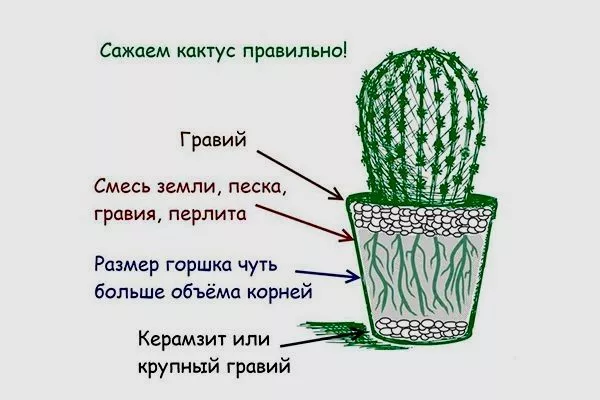
- Place a layer of drainage material, such as pebbles, expanded clay, or crushed rock, at the bottom of the pot. This will help prevent moisture accumulation and root rot.
- Add a layer of fresh soil to the pot. This will allow the plant to absorb the new soil and make the repotting process easier.
- Use specialized soil for cacti or prepare your own mixture.
If desired, add a small amount of sand, perlite, or vermiculite to the soil. This will help improve drainage and aeration.
Stages of transplantation
Repotting a cactus is a responsible task that requires attention and commitment. Follow these instructions:
- Remove the soil from the roots, carefully inspecting the stems and root system. This procedure can reveal diseases and pests. If you find rotten areas, carefully trim them off with a sharp knife, disinfecting the blade first.
- Treat wounds with charcoal or sulfur powders. If pests such as root worms or nematodes are detected, treat with a solution effective against these pests. Allow the roots to dry before replanting.
- Take a prepared container and place a fine drainage layer on the bottom. The thickness of the layer depends on the size of the pot, but it should be at least 1/5 of the capacity.
- Place the cactus in the center of the container, carefully spreading out the roots.
- Fill the empty space with substrate (3/5 of the container).
- Press the soil lightly with your fingers to distribute it evenly between the roots. Don't compact the soil too much. Tap the outside of the pot to ensure the soil mixture evenly fills the space.
- Make sure that the root collar (the junction of the roots and the stem) remains above the soil surface.
- Add a top layer of drainage using decorative crushed rock, small shells or stones (about 1/5 of the container).
How to repot: process specifics depending on cactus type
The process of repotting a cactus depends on the type of plant. Cacti can be small, large, rootless, or thorny. Depending on these factors, the procedure may vary.
- ✓ Small cacti require more frequent repotting – annually, due to the rapid growth of the root system.
- ✓ Large cacti need support during repotting to avoid damage to the stem.
Small
Repotting a small cactus is an important step that requires precise execution to ensure the plant's successful development. It's best to repot in spring or summer, when the cactus is actively growing. When choosing a new pot, choose a slightly larger size to allow the roots room to grow freely.
Follow the recommendations:
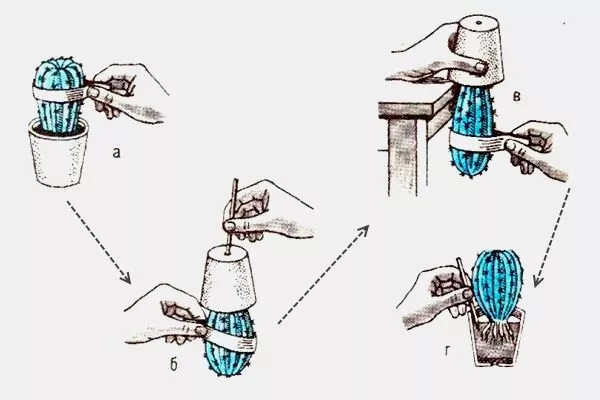
- Carefully remove the cactus from its original pot, avoiding damage to the roots.
- Free the roots from old soil, removing dry and curled roots.
- Prepare a new pot by filling it with a well-draining mixture of sand, perlite, and coarse soil.
- Place the plant in a new pot, distribute the roots and fill the empty spaces with soil.
- After replanting, give the plant time to adapt by placing it in a bright place, but protecting it from direct sunlight.
Big
If you have a thriving large cactus at home, sooner or later you'll face the task of repotting it. The best time to repot a cactus is in the spring or summer, when it's in its active growth phase.
Step-by-step instructions:
- Water the plant generously before repotting to ensure the soil is moist and to make it easier to remove the cactus from its current pot.
- Prepare new soil consisting of 2/3 sand and 1/3 coarse peat soil.
- Carefully remove the cactus from the old pot and separate the roots from the old soil.
- Remove damaged or dry roots, leaving only healthy ones.
- Place the plant in the new container and gently compact the soil around the roots.
- Water the cactus generously after repotting and place the pot in a warm place with adequate light.
Proper repotting will provide a large cactus with favorable conditions for long and healthy growth, delighting it with its beauty for many years.
Without roots
In some cases, a cactus may lose roots when repotted. This can be caused by various factors, such as overwatering or overheating the pot. However, there are ways to save the plant.
First, remove all dead and diseased parts of the cactus. Then, place the plant in a separate pot with new soil. The fresh soil will help prevent further root damage. Allow the cactus to remain in the pot for a while, allowing it to receive sunlight.
Barbed
Repotting a prickly pear cactus is a task that requires careful attention. The plant is very sensitive to changes in growing conditions, and improper repotting can result in a loss of its decorative appeal.
There are several rules that help maintain the health and aesthetic appearance of the plant:
- The ideal time to repot a prickly pear cactus is spring. During this period, the plant's growth is active, allowing the roots to adapt more quickly to the new conditions.
- Cacti thrive in a soil mixture consisting of sand, perlite, coarse gravel, and a small amount of potting soil. Prepare this soil mixture in advance so that everything is ready on the day of repotting.
- Choose a pot that is slightly larger than the previous one, but not too spacious to avoid losing roots when replanting.
The process of repotting a prickly pear cactus can be a daunting one, but proper preparation and following the guidelines will ensure the plant survives the process successfully.
Possible problems
Incorrect soil moisture is one of the key issues requiring attention. Regulating watering volume is crucial: excess moisture can cause root rot, while insufficient moisture will lead to plant dehydration.
Incorrect lighting affects the health of cacti. They require bright but diffused light, avoiding direct sunlight. Placing the plant in the shade can slow its growth or even lead to its death.
Temperature conditions affect cacti. While they are tolerant of high temperatures, low temperatures (below 10 degrees Celsius) can cause root rot in mature plants and tip wilting in young specimens.
Aftercare
Cacti require specific care after repotting. There are several key aspects to consider when growing the plant.
Place
To successfully care for cacti, it's important to provide them with the right lighting and optimal temperature conditions. Helpful tips:
- Cacti require 4-6 hours of bright sunlight per day. Avoid direct sunlight, as it can cause burns. For forest species, filtered light from a window is suitable. In winter, place the cactus in a south- or west-facing window. In summer, move the plant outdoors.
- Houseplants are sensitive to sudden temperature changes. Avoid placing your cactus near a window that is frequently opened or in areas prone to drafts.
- It's believed that cacti can absorb harmful radiation, causing them to wilt. The key factors in a healthy cactus are access to sufficient sunlight and proper care.
Cactus wilting is usually due to insufficient light or disease. Proper lighting and maintaining optimal temperature conditions will help plants remain healthy and beautiful.
Watering
Caring for cacti throughout the seasons requires adapting and taking into account the plant's needs. Helpful tips:
- Spring and summer (period of active growth). During this period, the cactus is actively growing and requires more moisture. Water the plant generously, but less frequently—about once every 10 days.
- Winter (rest period). During the winter months, cacti enter a dormant state and become less active. Reduce watering to once every 3-4 weeks, as the plant is less active in absorbing moisture.
Please note that different types of cacti Plants may have different watering needs. Forest species, for example, may require slightly more moisture than desert species. Misting with a spray bottle can help maintain optimal humidity levels.
Air and sun
Air and sunlight play an important role in caring for cacti. Here are some aspects to consider:
- Ensure good air circulation around the cactus. This will help prevent moisture buildup and reduce the risk of root and stem rot.
- Avoid drafts, especially during winter dormancy. Sudden changes in temperature and humidity can negatively impact the plant's health.
- Diffused light received through a window or from sun filtered through curtains is preferred by cacti.
- In summer, if the weather conditions are favorable, cacti can be taken outdoors, providing them with additional sunlight.
Maintaining the right balance between airiness and sunlight will allow cacti to thrive and stay healthy.
Question and Answer
Growing cacti can be challenging for inexperienced gardeners. We've provided answers to frequently asked questions:
It's very difficult to repot a plant during flowering while preserving flower buds. The plant will likely drop them immediately after repotting. However, in some situations, repotting during flowering may be necessary. For example, this may occur in the following cases:
- damage to the container or pot, resulting in it breaking;
- the plant was seriously rotted;
- The flower was attacked by pests.
If you need to repot the plant, follow the standard procedure, but do so with extreme caution.
In addition, it is time to repot a cactus in several cases:
- growth has slowed down;
- the pot became too tight;
- not enough moisture;
- unsightly appearance.
When actively growing, repot the cactus annually. Typically, repotting can be done every three years. Older plants should avoid repotting, as they may react to it with stress.
- deterioration of health;
- root overpopulation;
- plant deformation;
- soil depletion;
- increased risk of diseases and pests;
- growth restriction.
Repotting is an essential part of cactus care. Despite this plant's specific requirements, the repotting process, based on choosing the right time, properly preparing the pot and soil, and careful repotting technique, will ensure optimal conditions for growth and prosperity.