
Snakeheads are amazing fish that resemble snakes in appearance and character. They have a scaly surface and move like rattlesnakes. These predators eat everything, including fish that fit in their mouths. Snakeheads are characterized by vibrant coloration, depending on the variety. This article discusses snakehead breeding, the species and aquarium conditions for keeping the fish, and its unusual properties.
Description and characteristics
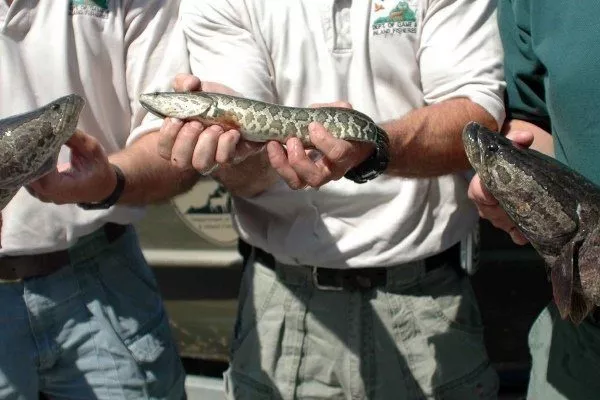
The snakehead fish, especially when young, resembles a snake, hence its name. It has a flattened head with a slightly elongated snout and wide-set, snake-like eyes. The snakehead has a large mouth and well-developed jaws. The fish is distinguished by its elongated, dense body, covered in small, plate-like scales that resemble snakeskin. The scales are greenish-brown.
The fish's sides and back are adorned with dark spots bordered by black, with smaller spots scattered across its white belly. Black stripes adorn both sides of its head.
The snakehead's coloration can change depending on its age. When young, the fish have red, orange, or bright yellow stripes on its body. As it matures, the stripes begin to darken, eventually turning black.
An adult predator can weigh up to 10 kilograms and reach over 1 meter in length. The fish's legendary resilience is due to its unique respiratory system. In addition to wide gill openings, the fish has paired suprabranchial sacs connected to the skin, which help it breathe vital atmospheric air. Occasionally, the predator rises to the surface of the water to take a breath of oxygen. When doing so, the snakehead makes a chomping sound.
The fish is adapted to surviving in a completely dry lake. To do this, during the winter, the predator digs a 60-100-centimeter-deep chamber in the muddy bottom, coats its walls with its own mucus, and remains there until the lake fills with water through constant rainfall.
If the summer is dry, the fish migrate to deeper waters. Snakeheads can travel tens of kilometers. For the winter, they form small groups of up to 10 individuals, hiding in burrows under steep banks.
Distribution and underwater conditions
The snakehead fish is adapted to living in oxygen-poor waters. This is valuable for the preservation of species when a body of water becomes partially eutrophicated. This process often occurs in small rivers, lakes, and artificial reservoirs.
In the wild, snakehead fish inhabit Southeast Asia, bays on the Syr Darya, ponds in the Krasnodar region, and the Lower and Middle Amur basins. They are also found in the Moscow region and Ukraine, in Lake Khanka, in Africa, and in the Kogo and Chad rivers. Scientists have discovered several species of this fish in seven US states. Some experts believe someone has intentionally released snakeheads into American waters to get rid of them.
Types
There are a huge number of varieties of snakehead fish. Each species has distinct external characteristics and behavioral patterns.
| Name | Body length (cm) | Water temperature (°C) | Aggressiveness |
|---|---|---|---|
| Golden Cobra | 40-60 | 20-26 | High |
| Red | 100+ | 26-28 | Very high |
| Dwarf | up to 20 | 18-25 | Average |
| Imperial | up to 65 | 24-28 | High |
| Rainbow | up to 20 | 18-25 | Low |
| Bankanesis | up to 23 | High | |
| Channa Lucius | up to 40 | 24-28 | High |
| Ocellated | 40-45 | Low | |
| Spotted | up to 30 | 9:40 | High |
| Channa Striata | up to 90 | ||
| African snakehead | 35-45 | ||
| Stuart | up to 25 | Low | |
| Pülcher | about 30 | Average |
Golden Cobra
The fish's body reaches 40-60 centimeters. It is considered an aggressive fish and is best kept alone. The golden cobra was first encountered in the northern state of Assam, India. The snakehead prefers cool water, ranging from 20-26 degrees Celsius.
Red
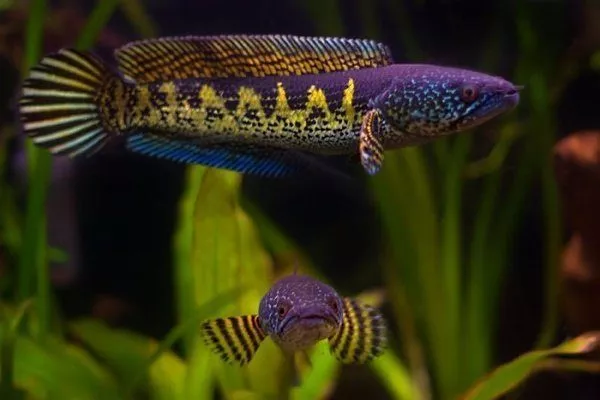
This is one of the largest fish species. Its body length can reach 1 meter or more, even in captivity. Keeping a snakehead in an aquarium requires a very large tank, 300-400 liters per individual.
The red fish is very aggressive: it will attack any fish, including its own relatives and even larger specimens. It tears its prey to pieces. It can attack even when not hungry. This fish has a large fang and can even attack its owner.
When young, the fish are attractive, with bright orange stripes all over their bodies. As they mature, the stripes fade, and the fish's coloration turns dark blue. Red snakeheads are undemanding in terms of maintenance, thriving in water temperatures of 26-28 degrees Celsius.
Dwarf
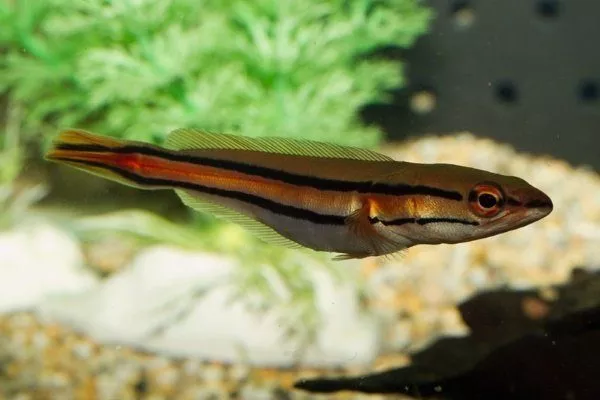
A common variety suitable for aquarium keeping. This fish originates from northern India. It is kept in cool water at a temperature of 18-25 degrees Celsius. It is distinguished by its small size, reaching up to 20 centimeters in length. It usually lives with other fish, but can also fight with them.
Imperial
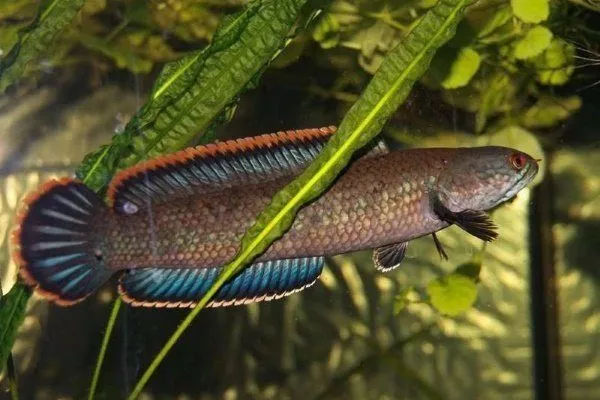
The emperor snakehead reaches up to 65 centimeters in length. It is kept in large aquariums with similarly large tankmates. The emperor fish prefers water temperatures between 24-28 degrees Celsius.
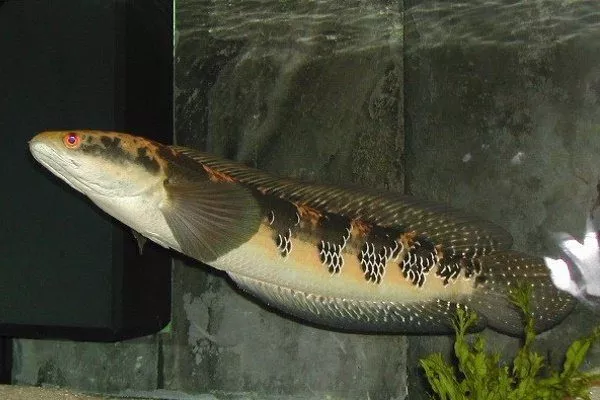
Rainbow
A small fish with a peaceful nature, the rainbow snakehead's advantage is its length of up to 20 centimeters. It has the most vibrant colors. Like the dwarf variety, it is suitable for aquarium keeping in similarly cool water conditions.
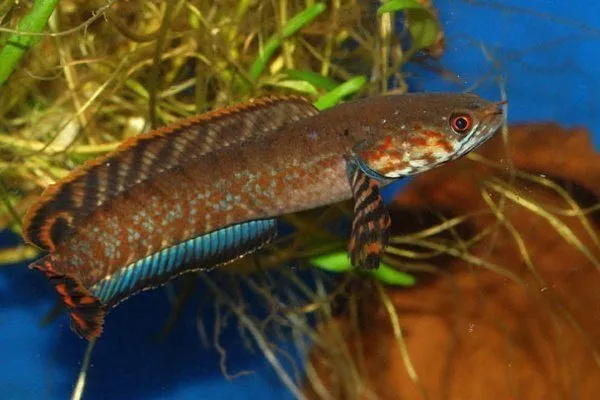
Bankanesis
This fish, up to 23 centimeters long, is known for its aggressive nature. It is not suitable for keeping with other fish. The snakehead originates from rivers with highly acidic water. While it doesn't need to be kept in such extreme conditions, the pH level should be low, as higher levels can negatively impact the fish's immune system.
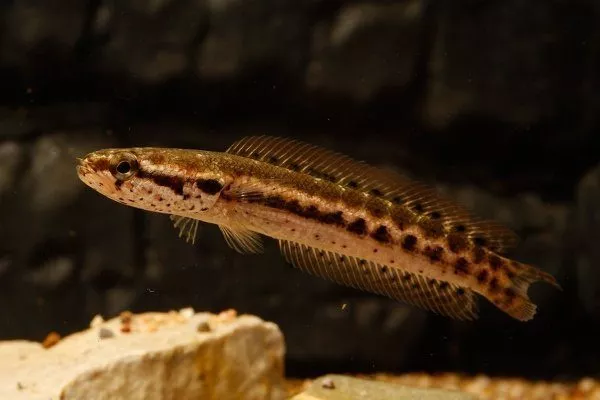
CHANNA LUCIUS
This fish can reach up to 40 centimeters in length, requiring conditions equal to those of a larger species. This aggressive fish, kept with larger, stronger specimens, is best kept alone. It thrives in water temperatures of 24-28 degrees Celsius.
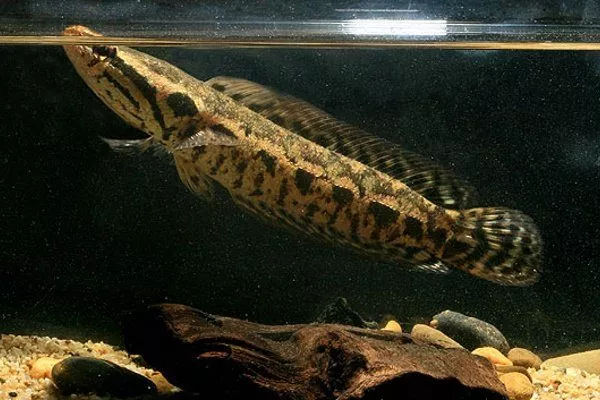
Ocellated
The most beautiful species in Southeast Asia. Its distinctive characteristics include a laterally compressed body shape, while other species have a cylindrical structure. It adapts well to neutral water, although in the wild it inhabits waters with higher acidity than normal. It has a calm disposition. It is suitable for keeping with larger fish, reaching a body length of 40-45 centimeters. It rarely rests on the bottom of the aquarium. It is a fast swimmer.
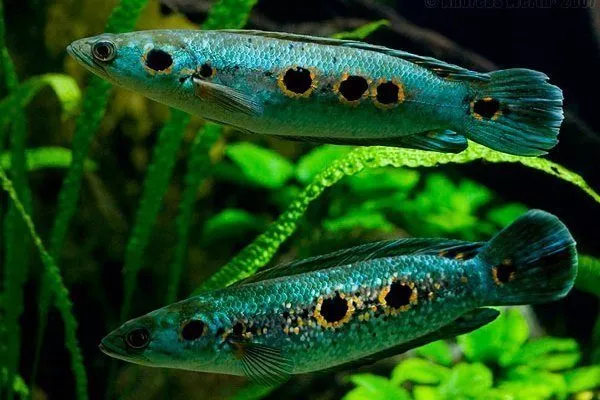
Spotted
The spotted snakehead is native to India. It thrives in a variety of conditions, from cool to tropical. It is best kept at temperatures ranging from 9 to 40 degrees Celsius (40 to 104 degrees Fahrenheit). It tolerates a wide range of water conditions without difficulty, and acidity and water hardness are not particularly important. This small fish grows up to 30 centimeters (12 inches) in length. It is known for its aggressive nature, so it is recommended to keep it in a separate aquarium from other fish.
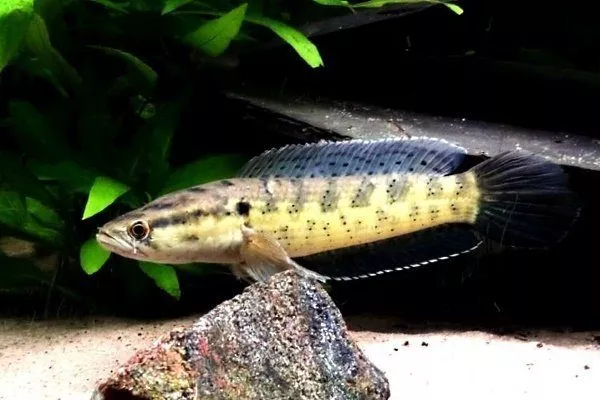
Channa Striata
An unpretentious variety, it doesn't require any special conditions. It's a large fish, reaching up to 90 centimeters in length.
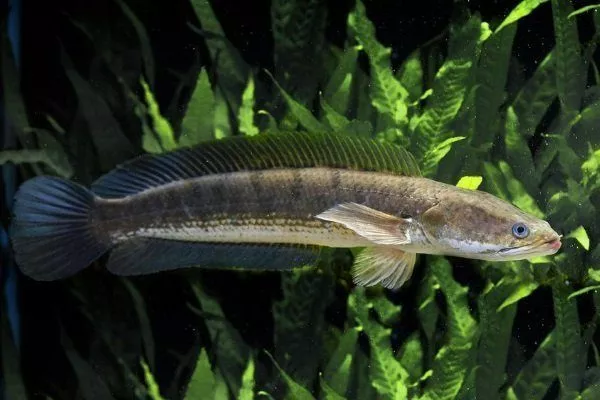
African snakehead
The snakehead is similar in appearance to the CHANNA LUCIUS (magnificent snakehead), especially in terms of housing requirements, but has longer, more tubular nostrils. Its body length reaches 35-45 centimeters.
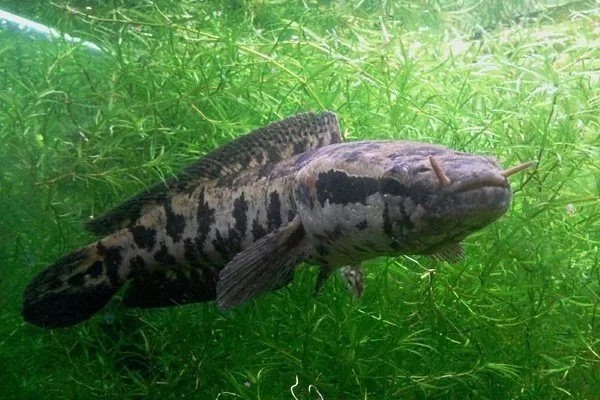
Stuart
The snakehead, also known as a shy fish, reaches up to 25 centimeters in length. This fish prefers permanent hiding places, so an aquarium should have plenty of them. It won't attack prey that is larger than itself, and it won't attack when its prey isn't approached.
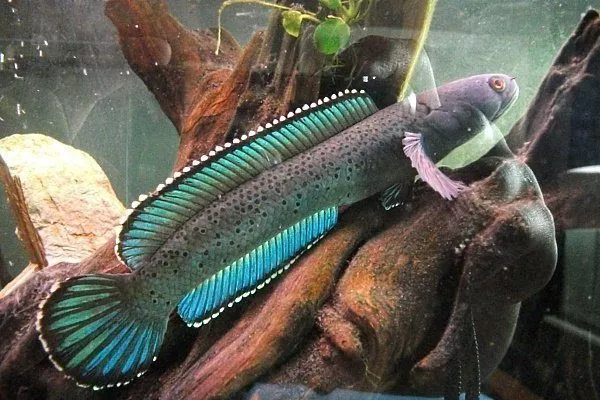
Pülcher
The pulcher snakehead grows to about 30 centimeters in length. They are considered a territorial species and can coexist well in schools. They may attack other fish if they sense danger. They eat anything they can fit in their mouths. A distinctive feature is the presence of two large fangs in the center of their lower jaw.
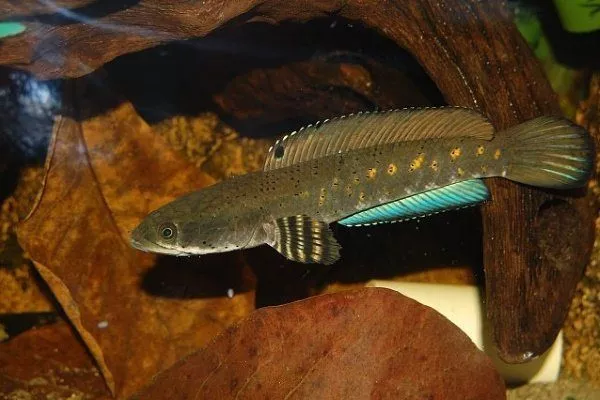
Lifestyle
The snakehead is considered a very agile predator, whose strategy is to quickly lunge from ambush. It feeds on anything it can catch and consume. Its preferred food items include other fish, amphibians, insect larvae, waterfowl chicks, and adult insects, including those found in the atmosphere. During floods, its diet often includes mice, chicks, and other terrestrial creatures.
Reproduction
Snakeheads reach sexual maturity at two years of age. At this age, their body length exceeds 35 centimeters. Snakeheads prefer to spawn during the warmer months, when water temperatures range from 18 to 20 degrees Celsius.
- Check the water temperature, it should be between 18-20 degrees.
- Provide underwater plants for nest building.
- Isolate the snakehead pair from other fish in a separate aquarium.
Selecting various underwater plants, the fish builds a capacious nest, reaching approximately 1 meter in diameter. Inside, it lays eggs containing its own fat particles; the eggs float and remain in the upper water layer until the fry hatch.
Female snakeheads are highly productive, capable of laying up to 30,000 eggs up to five times per season.
Fry
The incubation period lasts two days. After three to four days, the fry begin to actively frolic near the surface of the water, but do not swim far from the nest. The parent continues to protect its offspring for several weeks, guarding them from predators. This continues until the fry learn to hunt independently, forage for food, and survive in the wild.
In the first days after hatching, the fry feast on algae and plankton. But after the small fish develop several rows of teeth, they become predators, attacking all living things.
Nutrition
The snakehead is considered an insatiable fish, possessing a flexible, well-developed jaw. Its sharp, strong teeth instantly seize its prey, chewing it in seconds. The snakehead is the most dangerous predator found in all freshwater bodies of Primorye. It preys on all aquatic life. It feeds on small fish, but can also attack larger fish, even those larger than itself.
Protection of offspring
A snakehead family carefully tends its offspring and the water where the nest is located. The fish protect their relatives. To ensure the stable development of the eggs, adult snakeheads use their fins to create a constant water current.
Snakeheads, that is, the female and male, remain together even after the fry hatch. The parents guard and protect the fry during their development, ensuring a high chance of survival.
Change of habitat
Snakeheads prefer calm, quiet bodies of water with plenty of logs and driftwood. They prefer to inhabit bodies of water with plenty of algae and reeds. Snakeheads are not bothered by the low oxygen levels in such waters—they can replenish it by swimming to the surface.
Keeping in aquariums
Adults placed in an aquarium will try to find various ways to escape their "cage" and reach freedom. Even in a closed aquarium, the fish will try to break the glass with its powerful body. Once on the ground, the snakehead wriggles like a snake and moves in the same manner, searching for a new habitat.
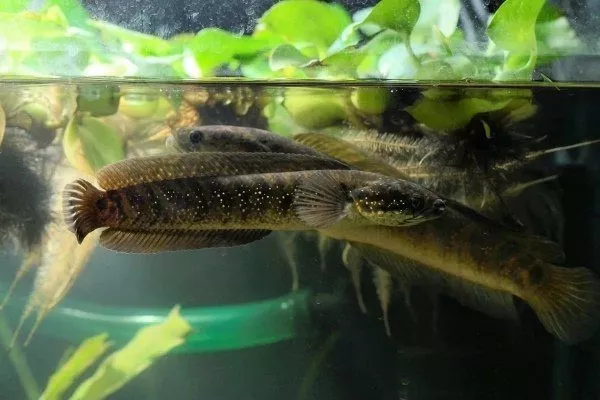
- ✓ The volume of the aquarium must be at least 100 liters for one individual.
- ✓ A lid is required to prevent fish from escaping.
- ✓ The aquarium must be equipped with shelters for the snakehead to live comfortably.
If you add a young snakehead to an aquarium, it will grow larger as it ages, making space for it increasingly limited. It will destroy and bite any fish in its vicinity. It's important to choose aquariums with a minimum capacity of 100 liters and keep only one snakehead per aquarium. Releasing this predator into water sources is prohibited.
Experienced specialists say that, if necessary, snakeheads can be trained to eat shrimp, snails, pieces of meat, mussels, and earthworms. Adult fish are fed once a week—this keeps them happy. Water quality isn't particularly important, but if dirty water isn't changed for a long time, ulcers may develop on the snakehead's head, which will only disappear after a water change.
If snakehead fry have hatched, they are grouped by size to prevent weaker specimens from becoming food for older fish. The eastern snakehead is preferred for aquariums due to its small size—up to 15 centimeters in length.
When the first snakeheads were imported to the UK, they fetched up to £5,000. Today, the price of these predators has dropped significantly, but they're still quite high for a fish—around £1,500.
What fish do you keep snakeheads with?
It's acceptable to house snakeheads with other fish. However, not all species are suitable for cohabitation. The size of both the snakehead and its tankmates must be taken into account.
Neon tetras should not be kept in the same aquarium with snakeheads, as they will become prey for the predator. Preference should be given to larger fish that the snakehead can live with without being swallowed. For snakeheads up to 40 centimeters long, peaceful, energetic, and maneuverable fish, such as small carp, are the best tankmates.
It's not recommended to keep cichlids, such as Managua cichlids, with the snakehead. As this species ages, it becomes large and overly strong, becoming a serious competitor for the snakehead.
| What kinds of snakeheads can live with what kinds of fish? | |
| Predatory and large snakeheads | Small snakeheads |
| It is recommended to keep the following varieties of snakeheads separately:
· golden cobra; · red; · imperial. | Small snakeheads are kept with the following fish:
Will get along with the following neighbors:
|
Catching snakeheads
Fishing for snakehead is more like hunting. The only advantage is that the fish bite from lunch until evening. You don't have to wake up early in the morning to catch them.
It's recommended to fish for this predator from a PVC boat, as it's comfortable to stand in. A motorboat isn't necessary, as the engine will only get in the way, constantly snagging in the thick grass. The snakefish usually fights fiercely, so a sturdy, two-handed rod is recommended.
When fishing, you'll have to exert maximum effort, pulling the fish through the grass. The rod should be equipped with a powerful reel that can withstand heavy loads. A drum reel with a fast drag is preferable.
Snakeheads are caught without leashes, as they would be awkward to use. Although the fish will feed on almost anything, a rubber frog is the best bait. Catching a river snake is difficult: the rubber bait is dragged through the water so it bounces. The predator may be capricious and not take the frog simply because it's swimming in the wrong direction. The fish can take the bait in a variety of ways: tossing it over the water and then grabbing it, simply pouncing on it, or swatting it with its tail.
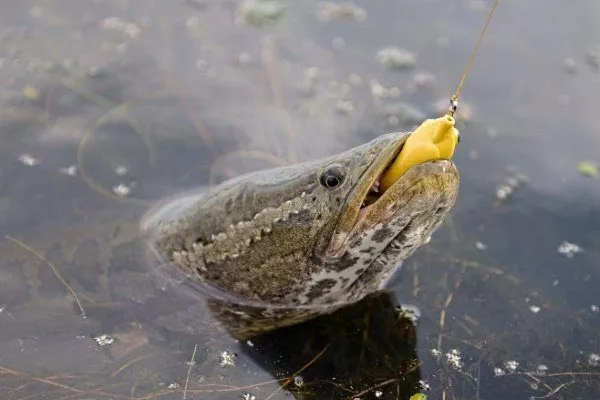
It also happens that a snakehead simply begins to play with its prey, chewing and nibbling it. In this case, the hook is set intuitively. Snakeheads have bony, hard mouths, requiring a strong hook.
This kind of fishing leaves only exciting impressions and pleasant emotions. Ultimately, you can bring home a trophy after the fishing trip, or you can come home empty-handed, but with fond memories.
Snakehead breeding
Because it's so difficult to recreate the required conditions, breeding fish is extremely rare. Determining the sex of an individual is difficult. Some scientists believe that females are slightly plumper than males. Pairing is determined by placing 4-6 fish in a separate tank, and they will then pair off on their own.
A large aquarium with hiding places and no other fish is chosen for breeding. Depending on the species, snakeheads require different conditions for spawning:
- Gradually reduce the water temperature, creating natural conditions for the rainy season.
- Do not create absolutely any conditions.
Some species brood their eggs in their mouths, while others build a foam nest. After spawning, the fish guard their young.
Unusual properties
Snakeheads are predatory fish that inhabit the weeds of water bodies. They have several unusual characteristics that make them even more unique:
- As the fish mature, their coloring changes. Juveniles typically have bright yellow or orange-red stripes on their bodies; these fade over time, leaving the fish with a grayish or dark blue hue. This is important to know for those considering breeding snakeheads in an aquarium. However, it's also important to note that other snakehead species are different: they only become more attractive with age.
- This predator can survive even out of water. It thrives on land for up to five days. River snakeheads tend to change their habitat frequently. They can easily move from one body of water that has begun to dry up to another full of water.
- It can easily tolerate low oxygen levels in water. Paired respiratory sacs, connected to the skin, allow the fish to breathe atmospheric oxygen. This is essential for the fish. In dry ponds, the snakehead can survive for several months: it burrows into the silt to a depth of more than a meter, forming a thick layer of mucus on the walls.
The snakehead is an unusual fish, captivating simply by its name. It differs in both its appearance and its habitat. There are a huge number of varieties, each with a different appearance and character.