
The loach is a freshwater fish belonging to the class Ray-finned, order Cypriniformes, family Loachidae, and genus Loach. The fish gets its name from its snake-like wriggling motion. While the loach is unpopular among fishermen due to its unsightly appearance, its meat is comparable in taste to many other species.
Description of the fish
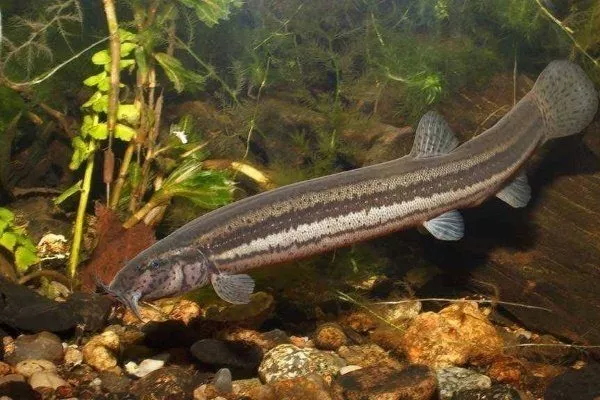
This fish grows up to 30 cm in length, with an average length of 15-18 cm. It has small, but quite visible scales. Its head is small and elongated, with yellow eyes located on top. Its body is long, resembling a snake. It is called a squeaker because it wriggles and squeaks when caught. Its tail is small and rounded.
There are barbels near the mouth, varying in number from 6 to 12. The nostrils are elongated and rounded. Males have a thick and long second ray of the pectoral fin, unlike females. Males also have a thickening on one and both sides, formed by fatty tissue. Loaches can live for about 10 years.
Habitats
The loach fish lives in the following reservoirs:
- Europe;
- South Asia;
- East Asia.
The fish inhabits all freshwater bodies containing mud or silt. The loach easily adapts to any environment.
These fish can even be found in dirty rivers and lakes, where they live on the bottom or buried in the mud. Loaches sleep during the day, emerging to hunt only in the evening and at night.
Varieties of loach
The loach family includes a wide variety of fish species, totaling 177. Let's look at the most common loach species:
| A type of loach | Description |
| Common loach | The smallest fish belonging to the loach family. They are found throughout almost all of Europe, with the exception of a few countries. This species is most commonly found in the CIS, northern China, Japan, and Asia. The fish reaches no more than 10 cm in length. Its body is light yellow, with large spots on both sides. |
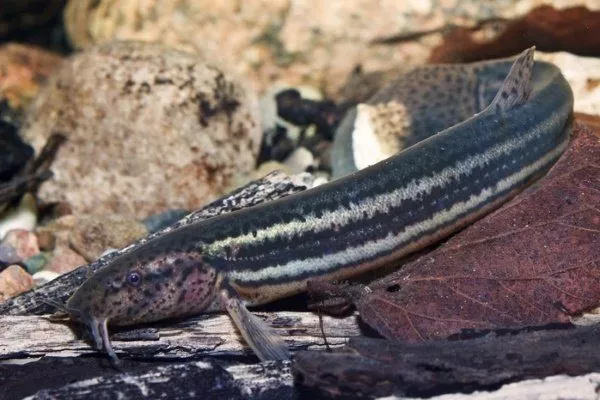
| Common loach | This loach is found in muddy waters in Europe and Asia. Its back is brown with numerous dark spots. The fish reaches 15 cm in length, sometimes reaching up to 30 cm. Coloration varies depending on the location and habitat. Most loaches have a brown back with numerous dark spots, and a yellow belly with numerous spots. A thick dark stripe runs down the center of the body, from which narrow stripes extend. |
| Amur loach | This fish can be found in northeast Asia, Siberia, Sakhalin, Japan, and China. It is one of the largest fish in the loach family, reaching 25 cm or more. Those kept in aquariums do not exceed 18 cm in length. Its coloration is yellow-copper or light brown. |
Lifestyle
Loaches are unpretentious in their habitat, surviving even in areas devoid of other fish. If they lack oxygen, they will rise above the water and gulp air, producing a squeaking sound, hence the popular name "squeak." Their squeaking can be heard, especially in the summer.
Loaches prefer swampy, stagnant, or slow-moving waters. They love weedy areas, channels, and bays. This fish is remarkable for its strong sinuosity and long lifespan. During droughts, loaches burrow into the mud, making them impossible to see with the human eye in such extreme conditions.
What does a loach eat?
Fish of the loach family feed on invertebrates, insect larvae, small crabs, crayfish, lobsters, and mollusks. They also enjoy eating the eggs of other fish. No other fish can rival the loach in its ability to search for prey on the bottom of lakes and rivers.
The following fish can eat the loach itself:
- pikes;
- perches;
- burbots.
Beneficial properties
River loach isn't considered a valuable fish in Russia, but its meat is highly palatable, juicy and fatty, with no small bones. In Asia, this fish is prized and considered a delicacy. Loaches are used as bait for catching pike, catfish, and burbot. While hooked, loaches can remain viable for up to 24 hours. This fish is also useful for mosquito control, as they consume large quantities of eggs, especially those of malarial mosquitoes.
Because loach flesh has a slimy, muddy smell, fishermen often breed them in clean ponds. First, the fish are cleaned of slime using ash, then thoroughly rinsed under running water.
This fish is used to make fish soup, but frying is rarely used.
Loach dishes contain many useful substances:
- Vitamin A. Ensures the health of mucous membranes and improves the production of sex hormones.
- Vitamin B. Increases overall body tone and strengthens the immune system and heart muscle.
- Vitamin D. Promotes proper development of the skeleton and teeth.
- Fatty acids and amino acids. It has a beneficial effect on the cardiovascular system and normalizes cholesterol levels.
- Microelements. Magnesium, potassium, fluorine, zinc, potassium and iodine contribute to the proper functioning of the body as a whole.
Reproduction
Spawning season for loach fish lasts from April to June. Females are highly fecund, laying up to 38,000 eggs. Each egg reaches 1.9 mm in diameter and is brownish in color. A week later, the eggs hatch into 5 mm larvae, which attach themselves to plants using specialized organs. Dense vessels in the pectoral fins also serve as respiratory organs for the larvae.
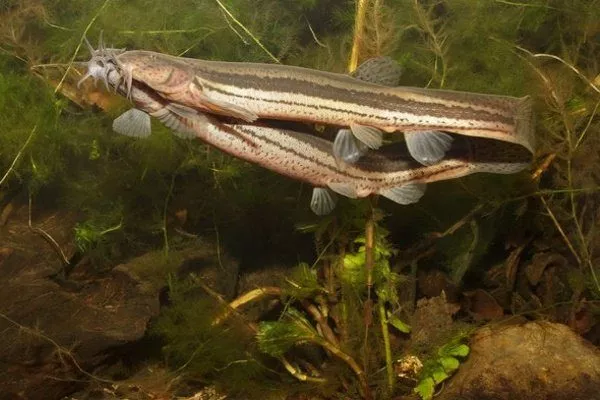
The fry develop and grow quite quickly, reaching 4 cm in length during their first year of life. By the age of three, they reach 13 cm. Loaches are capable of reproducing at the age of three. When the larva is 26 days old, its external gills disappear, and by the time it reaches 30 cm in length, it is considered a full-fledged fish, not a fry.
Breeding and growing loach
Some loaches have a rather exotic appearance, especially Asian loaches. They began to be imported to Russia from Asia as early as the 19th century, as it was fashionable at the time to have at least one loach in an aquarium.
Although these fish get along with other inhabitants, it is still better to keep them separately, since their active lifestyle frightens other aquarium inhabitants.
Loaches are often purchased for subsequent placement in ponds—these fish are good water purifiers. In winter, loaches burrow into the mud and remain dormant for the entire winter, awakening and surfacing only when warmer weather arrives. Loaches can be bred in ponds of any depth.
Even a small hole without solid ice will attract loaches, as they have a high oxygen requirement. In this case, they can be caught by hand, without any equipment. Many fishermen breed loaches in small pits, as they adapt to any conditions.
In Japan, loaches are bred and kept in separate aquariums to accurately predict changes in weather conditions and even natural disasters. These fish often provide more accurate forecasts than dedicated weather stations.
Aquarium loach
Loaches get along well with any other fish species and thrive even in a small aquarium. Aquarium loaches feed on bloodworms, raw meat, worms, and ant eggs. They collect food from the bottom of the aquarium using their barbels, which act as a sensory organ.
| Criterion | Description |
|---|---|
| Aquarium size | Minimum volume 50 liters per individual |
| Water temperature | Optimum temperature 18-24°C |
| pH of water | Neutral or slightly acidic pH 6.5-7.5 |
| Lighting | Moderate, with the possibility of creating shaded areas |
| Neighborhood | Peaceful fish of similar size |
Loaches are very protective of aquarium plants, not damaging them or eating them. It's a good idea to place a few pieces of driftwood on the bottom to create a rocky grotto. It's also recommended to create a small, dark area where the fish will feel at ease, creating conditions as close to natural as possible.
Since the fish is bottom-dwelling, feeding should be heavy, namely:
- worms;
- specialized dry food;
- herbal supplements;
- raw meat.
Loach fishing
Loach are caught using dung or earthworms, using float or bottom fishing rods. Line diameters should be 0.15-0.25 mm, and hooks should be size 5. The bait should be lowered to the very bottom, so the loach won't be able to find it if it gets caught in the mud. In fact, they find food faster and easier at the very bottom than above. Loach are unpretentious and will even take an empty hook without bait.
Fishermen rarely catch loaches for food; they mostly become prey for other fish species, but this is prohibited by Russian law in many areas. To avoid violating state regulations, it is recommended to research this issue in advance for the area where you plan to fish.
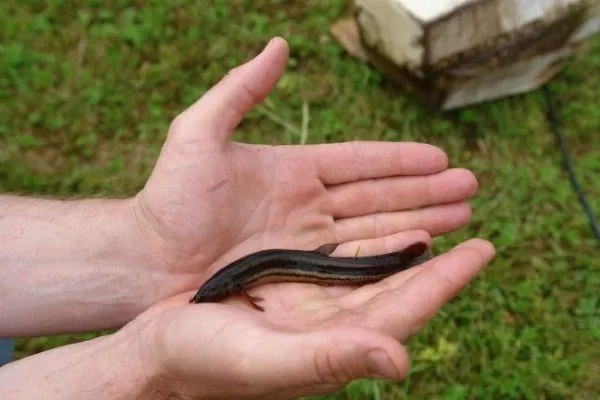
The caught fish must be held firmly with both hands, it wriggles very strongly and, in addition, the fish is slippery.
Interesting facts
There are some interesting facts about the loach fish:
- Fish can remain alive and viable without food for up to 5 months.
- The loach can survive out of water for long periods. Unlike other fish, the loach can breathe through its gills, skin, and intestines. The intestinal walls are lined with blood vessels, which function when oxygen is scarce.
- Large loaches can crawl from one body of water to another; this happens in the morning when there is dew.
- Loaches have always predicted the weather. Twenty-four hours before a thunderstorm, the fish rise to the surface and dart back and forth, greedily gulping air. By these signs, fishermen know it will rain within 24 hours. They dart back and forth because they sense a change in the weather.
Loaches are easy to care for, very hardy, and long-lived. These fish can even survive out of water for about a day, and without food for as long as six months. Loaches are rarely eaten due to their distinctive odor; they are primarily used as bait for other fish. Interestingly, loaches accurately predict changes in weather conditions and the onset of natural disasters.