
Vendace is a remarkable fish, considered a valuable food product. It's used in a variety of low-calorie dishes, making it beneficial for dieters. Vendace is also known as ripus or kil'ts. This article discusses methods for catching and breeding vendace at home.
Appearance and characteristics
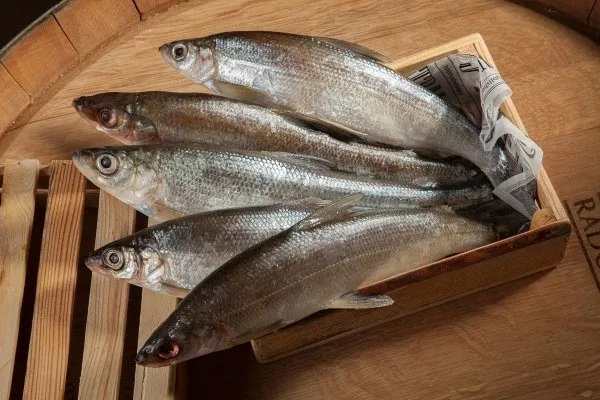
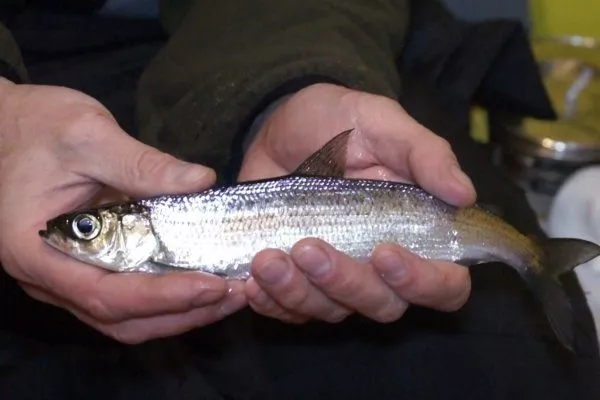
The fish is similar in shape to a herring, and even a quick glance at a vendace can easily confuse the two. The vendace is characterized by a body that is strongly compressed laterally. However, its distinguishing feature is that the lower jaw is slightly longer than the upper, and has a distinctive notch into which the thickened end of the jaw appears to fit.
The keelback's body is covered with large scales, with a lateral line located closer to the back, which is gray-blue in color. The fish's sides are silvery, and the belly is white. The dorsal and caudal fins are gray, while the rest are white.
Vendace are small in size—their body length ranges from 15 to 20 centimeters, with specimens occasionally reaching 35 centimeters. They typically weigh 100 to 180 grams. Some varieties can reach 300 grams.
Where does the fish live?
Vendace prefer deep waters with clay or sandy bottoms. They tend to avoid shallows and warm-water bodies. Vendace are found in Finland, Scotland, Scandinavia, Denmark, Germany, and Belarus. They feed on small crustaceans (daphnia, cyclops, etc.).
The vendace prefers to inhabit cold northern waters. In Russia, fishermen fish in lakes such as Onega, Ladoga, Peipus, Beloye, and Pskov. It also occasionally inhabits rivers, as well as the Gulf of Finland and Botanical Bay of the Baltic Sea.
The fish's worst enemy in the wild is the whooping merganser, which feeds on the young and eggs of this fish. Despite its small size, the whooping merganser is considered a valuable fish for commercial fishing.
Types of vendace
There are several varieties of vendace, the distinctive features of which are their appearance, size and growth.
| Species name | Maximum length (cm) | Average weight (g) | Back color | Main habitat |
|---|---|---|---|---|
| Siberian | 35 | 1000 | Gray-blue | Northern regions from the White Sea to Alaska |
| European | 30 | 300 | Gray-blue | Lake Ladoga, Pskov, Onega, and Peipus |
| Pereslavskaya | 35 | 300 | Gray-blue | Lake Pleshchevo |
| Belomorskaya | 25 | 50 | Gray-blue | Rivers of the White Sea basin |
Siberian
The Siberian vendace, also known by fishermen as "Ob herring" and "saurei," is found in northern regions stretching from the White Sea all the way to Alaska. It is a semi-anadromous fish and is considered a valuable commercial fish. Reaching up to 35 centimeters in length, the average weight of the fish can reach up to 1 kilogram. Siberian vendace is consumed fresh, salted, and smoked.
European
A large species found in enclosed bodies of water in Finland and northern Russia. This subspecies is extremely rare in the Gulf of Finland and Botany Bay. Most individuals inhabit Lake Ladoga, Lake Pskov, Lake Onega, and Lake Peipus.
The European vendace is similar in appearance to a herring: it has a narrow, elongated body and a convex lower jaw. Large scales are loosely set on the surface. The fish's back is a gray-blue color, the belly is white, and the sides are silvery. The fish can reach up to 30 centimeters in length and weigh around 300 grams.
Pereslavskaya
This subspecies of the European vendace is found exclusively in one body of water—Lake Pleshchevo, a freshwater, enclosed body of water located in the southern Yaroslavl region. The fish is considered endangered and is listed in the Red Book. Its fishing is prohibited.
Prefers cool, oxygenated water. The fish can reach up to 35 centimeters in length. The average weight of a vendace is about 300 grams.
Belomorskaya
The most widespread and abundant fish. It inhabits the rivers of the White Sea basin and the region's lakes. Fishermen can also encounter it in the rivers that flow into the Barents Sea. Local fishermen call it "herring" or "zeld." It is the smallest subspecies of vendace.
The White Sea vendace has a narrow body, convex at the ventral end, and a straight back. Its small head bears small eyes and an upward-facing mouth. The upper jaw is shorter than the lower. Its body is covered with large, loosely spaced scales. The fish's back is grayish-blue, its sides are silvery, and its belly is almost white. The dorsal and caudal fins are dark, while the rest are light black.
Adult vendace reach a length of up to 25 centimeters. The most common catches are 14-17 centimeters long. The average weight of the fish is 50 grams. Individual specimens can reach a weight of up to 150 grams, but they are rarely caught. White Sea vendace, which inhabit lakes, are even smaller.
Diet
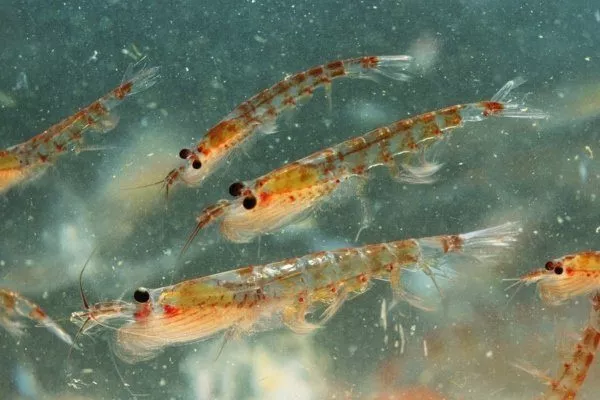
Small crustaceans are the main food throughout the year. Daphnia, cyclops, and cypris crustaceans are found in the stomachs of these fish. During the day, these crustaceans are found near the bottom, and the vendace therefore stays in deep water. At night, the prey moves to the sandy shores inshore, and schools of vendace follow them.
Besides crustaceans, vendace's preferred food includes worms, mollusks, and insect larvae. In summer, they feed on insects that have fallen into the water. This is especially true during the period when they emerge en masse. Then, their stomachs are filled with various mayflies and other bugs.
Lifestyle and spawning
The vendace's lifestyle differs little from other whitefish. It can be described as a peaceful fish, preferring a schooling lifestyle. It feeds on animal prey and tends to migrate around the water in search of food. Its growth is slow, and it reaches sexual maturity only at six years of age. The Pereslavl variety is an exception, as it begins to reproduce at two to three years of age.
Vendace spawning begins in late autumn. It's short-lived, lasting only two weeks. Depending on the year, spawning may end in early winter. To spawn, the fish gather in large schools and settle in shallow areas with sandy or muddy bottoms, preferring underwater hills, slopes, and drop-offs.
- Checking the water quality for compliance with the parameters: temperature 4-6°C, pH 6.5-7.5.
- Arrangement of spawning areas with a sandy bottom.
- Monitoring the health of breeders before spawning.
Vendace spawn at night. Depending on her body weight, a female can lay between 7,000 and 15,000 eggs, each about 1.5 millimeters in diameter, in a single spawn. Hatching occurs in the spring. A significant portion of the eggs are consumed by ruffs, perches, and other inhabitants of local waters.
The rest of the time, vendace "walk," moving around the reservoir in search of food. They are found in large numbers in the delta areas and lower reaches of rivers. In early autumn, they migrate seasonally to the upper reaches of rivers and lakes to spawn before winter.
How to catch fish?
Vendace is a valuable fish, and anglers know that catching it is a thrilling experience. Fishing is done with float and bottom tackle, but winter and summer jigs and vertical jigging are also used.
On float tackle
The fish are caught only at great distances from the shore and in great depths. Vendace tends to dwell in the lower layers of the water. Both float and running rods are acceptable for fishing. It's best to choose rods with a running rig. The fish are hardly shy, but heavy-duty tackle is not recommended.
For winter gear
Ice fishing for vendace is a thrilling activity in winter. This can be done using jig rods. Jigs or hooks baited with shellfish, bloodworms, worms, and other baits are used.
In the summer
In summer, as in winter, a nod-type rig is used, equipped with pole rods with special nods. Vendace is caught using standard winter jigs: small shot, droplets, and ants. Dark-colored baits are best. Nods and jig weights are selected based on fishing conditions.
Lures
To catch vendace, bait includes shellfish, invertebrate larvae (including worms), fish fillets, and bloodworms. When fishing with spinners, it's also recommended to use pieces of meat.
Breeding and growing of vendace
Pond fish farming is profitable and cost-effective. However, to set up a business, an entrepreneur must determine the most suitable fish species, the appropriate breeding method, and the specifics of its maintenance. The profit and benefit of vendace farming and cultivation will be obvious if all the details of the business plan are followed.
- ✓ Availability of cold water with a temperature not exceeding 20°C.
- ✓ The depth of the reservoir must be at least 2 meters to ensure sufficient oxygen supply.
- ✓ The bottom of the reservoir should preferably be sandy or clayey; avoid silty areas.
Pond fish farming: all types
Today, pond fish farming is divided into two main types: warmwater and coldwater. Vendace is a fish that tends to avoid warm-water bodies, so the latter option is more suitable. Based on the cyclical nature of the process, pond farms are divided into full-system, nursery, and hatchery systems.
A full-system fish farm covers the entire fish growth cycle, from fry to adult commercial fish. Nursery farms raise adult fish, while hatcheries raise larvae, fry, and fingerlings, sometimes raising fish for up to two years. Depending on the duration of the farming cycle, companies are divided into those with one-, two-, and three-year turnovers.
Reservoirs for keeping vendace
A well-developed pond farm requires several ponds for different needs and seasons. The first and most important pond on the farm is the spawning pond. This pond has many stringent requirements for its design and maintenance. It must be located in a non-marshy area with young vegetation and favorable conditions for reproduction, egg hatching, and larval development.
In ponds, the water supply and drainage must be fast and independent. The spawning pond should be used exclusively for spawning.
Next, you will need to build a fry pond, where the environment must be nutritious and free of toxins and parasites that can harm small fish.
After the fry pond, the fish are released into a nursery pond, where they are fed and where the young of the year mature. For convenience, it is recommended to locate nursery ponds near wintering ponds.
Another important factor in any successful fish farm is the presence of a wintering pond. Many vendace often die during wintering. This occurs due to a lack of oxygen and unfavorable temperature conditions. The pond should be no more than 1.5 meters deep. It is recommended to install a nearby water source in a peat-free area.
Growing ponds are designed for commercial fish, which is why they are larger than other ponds; vendace require more freedom. A size of 150 hectares is recommended. A larger pond is not recommended, as it is very difficult to control all stages of fish growth and development. Small ponds are more productive due to the better conditions they provide for the development of a food supply.
Beneficial properties
Vendace is a freshwater fish, but its healthy fat contains a large amount of Omega-3 acids. This is due to the fact that the fish prefers to feed not on phytoplankton, but on tiny crustaceans, which are found in abundance in northwestern lakes.
The benefits of Omega-3 are well known. First and foremost, these fats are essential for the human body to maintain membrane integrity and support mental function. Many adults experience deficiencies in these nutrients.
Omega-3s in vendace meat don't last as long as in the meat of the sea bream. However, modern deep-freezing technology solves this problem. When properly frozen, the fish retains its beneficial properties for a long time. Among other things, vendace contains the following substances:
- Protein. It is easily absorbed and digested by the body.
- Vitamin PP. It actively participates in oxidation-reduction reactions throughout the body.
- Histidine. It is an essential acid that promotes cell growth and renewal.
Fish meat is also rich in minerals: sulfur, molybdenum, chlorine, fluorine, zinc, chromium, calcium, magnesium, phosphorus and others.
Another beneficial property is that vendace is low in calories—only 45-88 calories per 100 grams. It also contains a minimal amount of bones compared to other freshwater species: barely 1/10th of the amount. This makes smoked, salted, and dried vendace a delight to eat.
Gastronomic value
Vendace can be prepared in a variety of ways. It's prized not only fresh but also salted or smoked. Vendace in tomato sauce and marinated is considered delicious and popular. The fish is also fried in sour cream sauce.
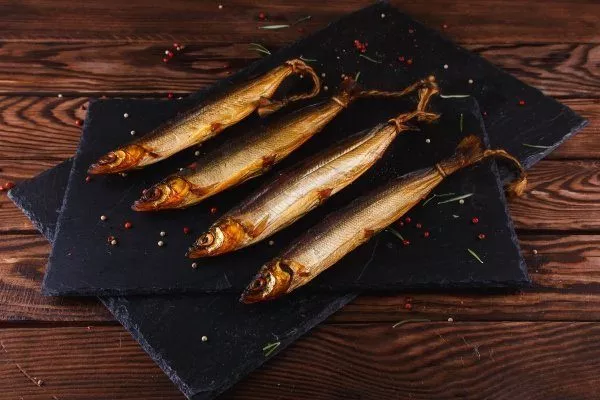
Vendace is the basis of a traditional Finnish dish—a pie made from unleavened fried dough. Properly preparing vendace guarantees the most delicious dishes. Before cooking, be sure to wash the fish, remove its skin, and let it drain. Then, prepare the fish according to your personal preferences.
For example, it's very popular to marinate vendace by boiling it for a while, then, after it cools, adding a dressing of vinegar, bay leaf, finely chopped horseradish, and salt. Afterward, the fish is sprinkled with dill and allspice, the dill is added, and the marinade is left for several days. This allows the fish to soak in the vinegar, then a weight is placed on top and the marinade is left for two weeks. This dish will be a true highlight of any holiday table.
Fried vendace is delicious, as is fish soup made with this fish. There are no contraindications for consumption, except for those with seafood allergies.
Interesting information about fish
There are several interesting facts about vendace. Here are a few:
- The coat of arms of the city of Pereslavl-Zalessky depicts smoked vendace.
- The vendace, a fish native to Lake Pleshcheyevo, was once used to prepare dishes that were later served to the royal family. Previously, catching and selling the fish was prohibited. Those who violated the order were sentenced to death.
- Vendace was part of the coronation dinner.
- Vendace is considered a favorite fish among Finns, as it's traditional to fry the fish fillet, coat it in flour, and serve it to street festivities. The fish is fried in two oils: butter and rapeseed oil. This significantly improves the fish's flavor.
Vendace is a unique fish with excellent flavor and virtually no bones, making it prized by many gourmets. It's used to prepare a variety of delicious dishes, including fish pâtés and even dumpling fillings. This fish is bred and raised in ponds, and demand for it remains high.