
Fin rot (pseudomonas) is a fish disease that can affect pond inhabitants. There are several causes of this disease in ponds, but all are infectious. If left untreated at the first sign of symptoms, it can lead to the death of many fish.
Causes of fin rot
Fin rot occurs during the active development of pathogenic bacteria Aeromonas punctata and Pseudomonas fluorescens. The disease is contagious and spreads from one fish to another within a few days.
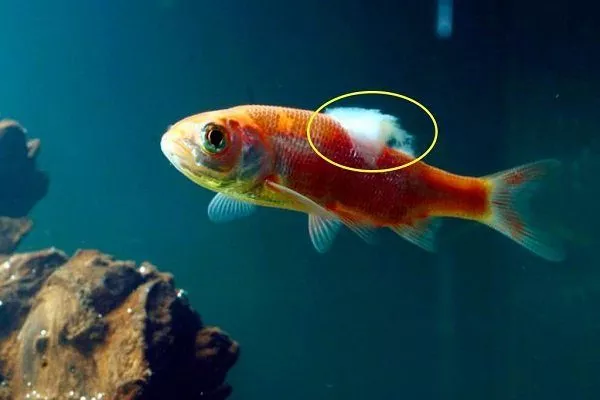
The bacteria that cause the disease are classified as aerobic rods. They can thrive in areas with oxygen (even in small amounts) or nitrates. The genus of the pathogen is irrelevant. They can inhabit both salt and fresh water.
The development of the disease is influenced by several factors:
- Violation of temperature regime. Each fish species requires a specific aquatic temperature. When these temperatures rise or fall, the fish go into shock, and their immune systems stop functioning properly.
- Stress. Pond fish often become ill with sudden changes in water parameters. Therefore, completely changing the pond water is not recommended. Many fish become lethargic after such a change, and illness quickly affects them.
- Poor water quality:
- rotting algae;
- pollution of the pond with household waste and waste products;
- unsuitable acidity levels in the aquatic environment.
- Injuries. Farmers keeping several different species in the same pond should remember that some are very voracious (such as carp) and can injure smaller fish. In carp, damaged areas can lead to infection.
- Improper diet. In addition to live food, pond fish require food rich in vitamins. It is recommended to add food to the pond one at a time. Overfeeding or improper supplementation can lead to immune system dysfunction.
- Infected new individuals. Before adding new fish to the pond, quarantine them or add antiseptics to the pond to increase resistance to diseases.
Aeromonas punctata and Pseudomonas fluorescens are present in all farm ponds. The normal range is 103-104 CFU/g. At this level, the fish's immune system can cope with the bacteria, preventing disease from developing. The situation changes when the aerobic rods become more numerous.
Which fish are prone to the disease?
| Name | Temperature conditions | Stress resistance | Water quality requirements |
|---|---|---|---|
| swordtails | 22-26°C | Average | Clean, free from contamination |
| platies | 24-28°C | High | Clean, moderately hard |
| neons | 20-26°C | Low | Very clean, soft |
| barbs | 22-26°C | High | Clean, moderately hard |
| viviparous fish | 18-28°C | High | Clean, hard |
| gold | 18-22°C | Average | Clean, free from contamination |
| labyrinthine | 24-30°C | High | Clean, soft |
| characins | 22-28°C | Average | Clean, soft |
Pond fish rarely suffer from fin rot. The bacteria most often affects young salmon. Fish with veil-shaped fins are vulnerable. Also at risk are:
- swordtails;
- platies;
- neons;
- barbs (especially cherry ones);
- viviparous fish;
- golden;
- labyrinth fish (gourami, macropods, etc.);
- characins.
Symptoms of the disease
To maintain the health of your pond fish, regular inspection is recommended. The first sign of disease is a white clouding of the fin edges (sometimes with a blue tint). As the disease progresses, the fin tips die off, become significantly shorter, and split into rays.
Symptoms of fin rot:
- In young individuals, the tail and fins decompose; in adults, the edges of the fins begin to rot, and then the base.
- Red spots on the fins. These occur due to a disruption in the circulatory system.
- Complete disappearance of fins in fry.
- Purulent ulcers first on the fins, and then on the entire body of the fish.
- Clouding of the eyeballs.
Treatment
Begin treating fish for fin rot at the first sign of symptoms. If bacteria have begun to infest, treatment may be ineffective. Experienced farmers use a variety of methods to combat the disease.
Partial cleaning
Partial cleaning is performed in the same way as regular cleaning. The only difference is the absence of disinfection. Basic procedures:
- Remove all decorative components and wash them thoroughly.
- Wash the plants.
- Replace one third of the pond water.
- Siphon the soil if possible.
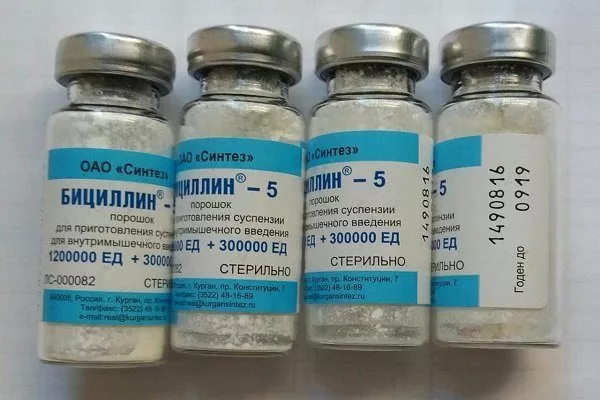
Rinse the plants with plain running water or treat them with a Bicillin-5 solution. To do this:
- Dilute 1 ampoule of the substance in 1 liter of warm water.
- Stir well.
- Place the plant in the resulting mixture and leave for 3 hours.
Medicines
Pharmaceutical products are effective against pseudomonas. The key is to use the correct dosage and follow the instructions.
Medicines that can cure fish fin rot:
- Biseptol-480. Take 1/8 of a tablet. Grind it into a powder. Stir in 5 liters of running water. Place the infected fish in the resulting solution.
Change the solution daily, ensuring the water is well-oxygenated. Leave the fish in the Biseptol-treated water until they are fully recovered. - Levomycetin. Dosage: 1 tablet per 20 liters of water. First, grind the product into powder. Then, use any container and dissolve the tablet in water. Pour the solution into the pond. Add a fresh dose of the medication every 3 days, at a rate of 30% of the pond's total volume.
The course of treatment is until all symptoms of the disease disappear from the fish. - Biomycin solution. Add the preparation directly to the pond – 1.5 grams per 100 liters of water. The treatment course is 21 days.
- Streptocide. Dissolve 1.5 grams of powder in 10 liters of warm water (28 degrees Celsius). Place the sick fish in the solution. Return them to the pond after 30 minutes.
- Potassium permanganate (potassium permanganate). This remedy helps combat the disease only in its early stages. The dosage is 1 gram per 20 liters of water. Dissolve the powder in any container and pour half into the pond. After 5 minutes, add the remaining solution.
Perform the treatment twice a day—morning and evening. Stop adding manganese to the water once the coating on the fish's fins has completely disappeared. - Bicillin-5. The preparation is used to treat not only plants but also fish. Dilute the antibiotic in water at a rate of 5,000 units (one ampoule) per 1 liter of liquid. Soak infected fish in the solution for 30 minutes. The treatment course is 6 days.
- Tetracycline. Add the medication to the pond at a dosage of 70-150 mg per liter once a week for 2 months. The antibiotic is ineffective if the pH is above 7.5.
- Methylene blue solution. Prepare it at a rate of 10 mg per 1 liter of liquid. Place the fish in the resulting mixture for 30 minutes. Use these baths once every 3 days. Duration of treatment is 2 weeks.
- Polymyxin. Place the infected fish in a bath of 60 mg of the product in 1 liter of water for 30 minutes. Repeat this procedure daily for 5 days.
- FormalinMix 1 ml of the substance with 6 liters of water. Place the affected fish in the container with the resulting mixture for 15 minutes (the first session lasts 5 minutes). Repeat the procedure once every two days.
In rare cases, the medication may cause illness in fish. If your fish is behaving unsatisfactorily, discontinue bathing.
Hydrogen peroxide
Be careful with hydrogen peroxide. Incorrectly dosed solutions can harm fish and pond microflora. The standard concentration is 25 ml per 100 liters of water.
The treatment course lasts from 2 to 14 days, depending on how quickly the fish show signs of illness. Add hydrogen peroxide directly to the pond water once a day.
Salt
Pseudomonas can be treated with ordinary table salt. The recommended concentration is 15 g of salt per 5 liters of water. Conduct the treatment simultaneously with a partial cleaning of the pond. While the pond is disinfecting, place the affected fish in the salt solution.
The treatment course is not specific. Depend on the fish's condition. Discontinue treatment once all signs of fin rot have completely disappeared.
When is treatment useless?
Treat fish for fin rot promptly, before the muscles and blood vessels are destroyed. Fish with damaged caudal, dorsal, and pectoral fins have no chance of survival.
Criteria by which it can be determined that treatment is futile:
- red spots at the base of the fins;
- ruffling of scales and their loss;
- significant enlargement of the abdominal cavity;
- exophthalmos;
- complete absence of fins and the formation of erosion in their place.
What is the danger of this disease?
Juvenile fish have a severe disease response. In 80% of cases, they die. Adult fish are more resistant to the bacteria and, with proper treatment, recover. However, their fins remain deformed.
Farmers are advised not to supply contaminated fish to the market. Although the bacteria pose no danger to humans, the risk of poisoning remains.
Preventive measures
It's impossible to completely protect pond fish from fin rot, but it's possible to reduce the risk. To do so, follow these guidelines:
- Replace 30% of the water in the artificial pond once a week;
- Include vitamin-rich food in the fish’s diet, but do not overfeed;
- Before adding new individuals to the pond, place them in quarantine for 10 days;
- If any fish is suspicious, relocate it;
- When constructing a pond, use only disinfected soil;
- Monitor the temperature of the fish's environment;
- use preventative medications (they are specific for each breed, check with specialists at veterinary pharmacies);
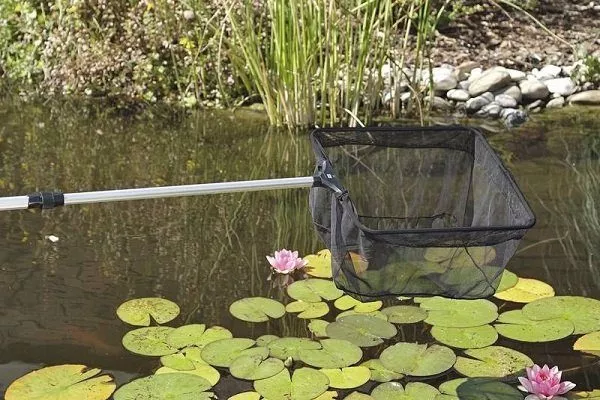
- Each pond should have its own landing net.
- ✓ Presence of white spots on the fins.
- ✓ Unusual behavior, such as lethargy or lack of appetite.
- ✓ Visible damage to the skin or fins.
Fin rot is a disease caused by aerobic bacteria. It spreads rapidly and can kill the vast majority of fish in a pond. Farmers can use over-the-counter medications to combat the microorganisms or try to protect their aquatic inhabitants with preventative measures.