
The appearance of wart-like growths (cysts, lymphocysts) on the fins and skin of pond inhabitants is a sign of ill health that should not be ignored. This symptom is characteristic of many fish diseases, particularly lymphocystosis. If left untreated, the disease will cause significant damage to the fish farm.
The main cause is lymphocystosis
The formation of spherical growths on the body of pond fish is often caused by lyphocystis (cellular hypertrophy, grape-like nodularity). This is an infectious disease caused by the Lymphocystivirus (or LCDV).
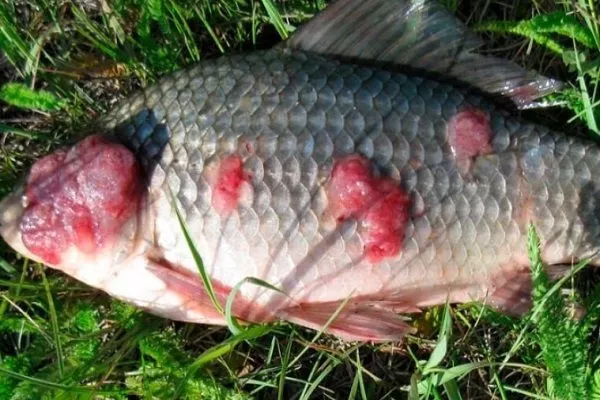
This fish disease It has been known since 1874. Its symptoms were first observed in members of the flounder family, and then in other species. The cause of the disease was only identified in 1962.
Lymphocytosis is considered less dangerous than other iridoviruses to which it belongs. It is a self-limiting infection. It is rarely fatal, but it causes considerable harm to the inhabitants of the infected pond and its owners:
- reduces the marketable appearance of the fish;
- promotes secondary bacterial, fungal and parasitic infections in sick individuals.
With proper care and favorable living conditions, the disease resolves spontaneously within a few weeks (or months). Recovered individuals develop immunity that prevents secondary infection with LCDV.
Symptoms
Pond inhabitants infected with Lymphocystivirus exhibit external signs of illness. These include:
- individual miniature nodules (diameter 1-1.5 mm) of white, gray or black color are present on the fins, skin, and gills;
- sometimes on the body of a sick individual there are grape-shaped tubercles of a pinkish-red color;
- the affected areas of the skin appear somewhat swollen due to the proliferation of connective tissue;
- the eyes bulge if the tissue in contact with the back wall of the eyeball is infected;
- protruding gills (this symptom is observed in advanced disease that has resulted in the proliferation of gill tissue).
As the disease progresses, the nodules increase in size. In cases of severe cellular hypertrophy, they cover the entire surface of the fish's skin and fins. Over time, the lymphocystic lesions rupture, leaving wounds that quickly heal.
The infection can affect not only the skin and fins of pond dwellers but also their internal organs. Lymphocytes sometimes form on the stomach walls, inside the spleen, liver, and ovaries. In this case, death is inevitable.
Causes of the disease
The main cause of lymphocystis infection in pond fish is contact with an infected individual. Transmission typically occurs when a healthy pond fish picks at the warty growths on an infected fish. The risk of infection is especially high during the spawning season.
The list of factors that contribute to the development of this disease in fish includes the following:
- wounds on the body resulting from fights with other inhabitants of the pond;
- damage to the skin caused by parasitic infestations and diseases;
- long-term transportation of fish;
- stressful situations that provoke a weakening of the immune system;
- unfavorable living conditions, in particular overcrowding of the pond, poor water quality and improper temperature conditions;
- insufficient care (injury to reservoir inhabitants due to careless actions of fish farm workers, use of low-quality feed).
Once inside the fish, the virus infects cells, affecting their functionality. It begins to control protein synthesis. The infected cell produces new virus particles, growing abnormally in size. It is covered by a capsule of a dense protein substance. This is the lymphocyst.
The formation of persistent infection foci is common in natural reservoirs. A similar situation can occur with inadequate care of pond fish during artificial breeding.
Prevention and treatment
According to veterinarians, lymphocystis is not highly contagious. Avoiding contact between sick and healthy fish is sufficient to prevent a mass outbreak of the disease in the pond. To achieve this, fish showing signs of LCDV infection will need to be isolated.
Preventative measures can help prevent pond inhabitants from becoming infected with cellular hypertrophy:
- monitoring the health of fish and promptly responding to the appearance of symptoms of any diseases;
- creation of favorable living conditions for pond fish (high-quality water, correct temperature conditions, compliance with the optimal population density indicator);
- proper nutrition;
- refusal to use live food consisting of crustaceans that parasitize wild fish;
- preventing injury to fish during transportation or transfer from one pond (or aquarium) to another;
- a thorough inspection of the purchased fish, refusing to introduce it to other inhabitants of the reservoir if it shows symptoms of lymphocystosis;
- placing new fish into quarantine (duration - from 2 weeks to 2 months) before releasing them into the pond;
- removal of particularly pugnacious and aggressive individuals to a separate aquarium or pond;
- control of the number of males of each species to avoid fights between them;
- preventing stressful situations that weaken the immunity of pond inhabitants.
There are no medications that can cure this viral disease in infected fish. The disease resolves on its own within 3-4 weeks if the fish receives proper care and is kept in a favorable environment.
- ✓ A separate pond with a water temperature of +20-22°C to accelerate metabolism and immune response.
- ✓ Daily replacement of 10% of water to maintain its purity and quality.
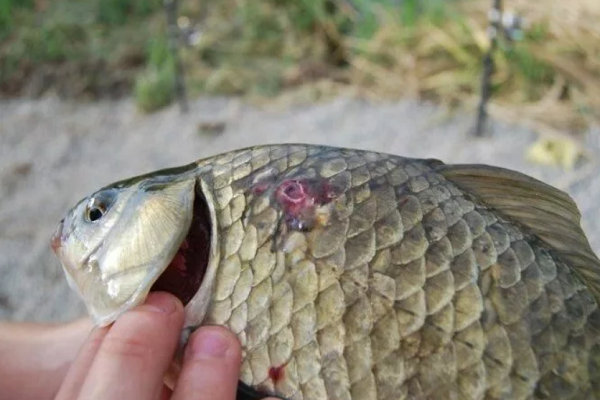
Veterinarians recommend placing sick individuals with external signs of lymphocystis infection (growths and skin lesions) in a quarantine pond with clean water. They will need to be kept well feedProtect from stress. Within a few weeks, the growths on the skin and fins will dissolve, and the wounds will heal.
In cases of severe infection with the grapevine knot virus, manifested by the formation of numerous growths and skin lesions, veterinarians recommend destroying the affected fish and burning its body. These fish should not be fed to healthy pond inhabitants.
Which fish are susceptible to the disease?
About 150 fish species are susceptible to lymphocystis infection. Members of the Perciformes and Flounder orders are particularly susceptible. Grapevine nodule disease affects both marine and freshwater fish. This virus is devastating to advanced fish groups.
Lymphocystis is a common viral disease affecting fish farms specializing in the production and sale of flounder, perch, and pike-perch. The disease results in a deterioration in the fish's marketability, with warty growths appearing on the fins and skin. Treatment involves general sanitary and veterinary measures. The prognosis for affected fish is favorable.