
The Zolotoy Shar turnip is a popular and sought-after variety among Russian gardeners. Its excellent characteristics make it suitable for beginners. This crop boasts excellent productivity, health benefits, and a strong immune system. With proper and timely care, you can reap bountiful harvests and high-quality root vegetables.
Introduction to the variety
The Golden Ball turnip is a valuable food product that can be consumed both fresh and processed. It's rich in vitamins and microelements that promote long-term health.
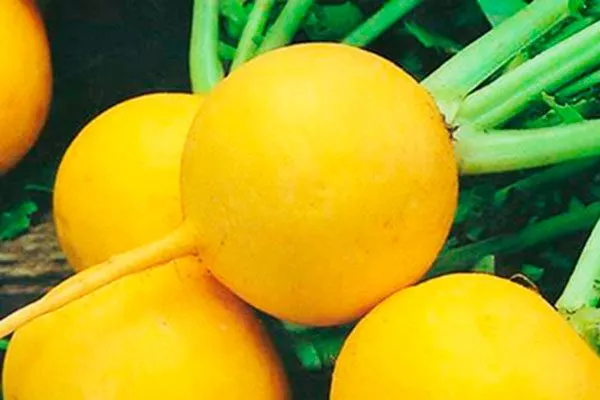
- ✓ Average weight of root crops: 160-190 g, possible up to 400 g.
- ✓ Period from germination to technical maturity: 65-70 days.
The variety is characterized by high yields – from 2.3 to 2.9 kg per square meter. From germination to technical maturity, it usually takes about 65-70 days.
Description of appearance
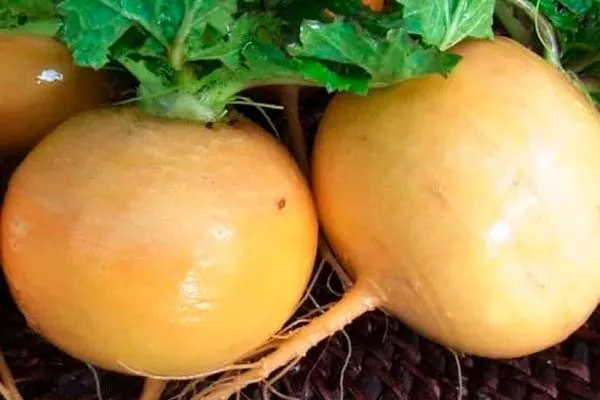
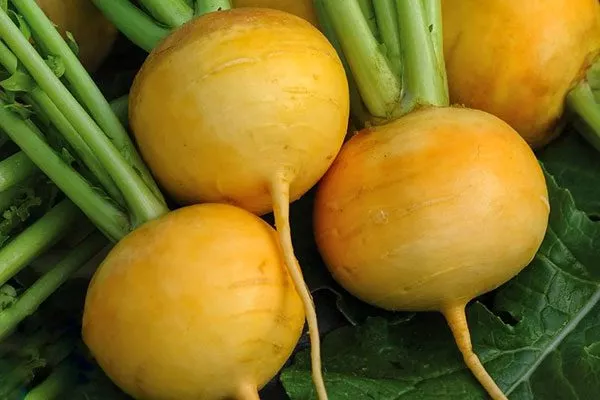
The turnip's rosette of leaves is semi-erect, reaching a height of 38-42 cm. The roots are large, weighing from 160 to 190 g, and sometimes up to 400 g. The shape is round or slightly flattened, with a smooth golden-yellow surface and thin skin.
Landing
Growing turnips is an important step that determines the future harvest. Follow these recommendations:
- The plant prefers sunny, well-lit areas, but can also grow in partial shade. Avoid planting it in the same spot several years in a row; it's better to alternate it with other crops, such as legumes or tomatoes.
- Fertile, light, sandy loam or loamy soil with a neutral pH (6-7) is ideal. The plant does not grow well in acidic, heavy, or excessively wet soils.
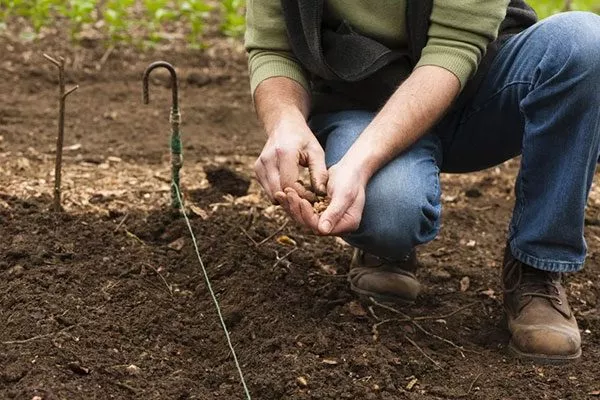
- In the fall, dig the beds to a depth of 20-25 cm, adding rotted manure or compost (3-4 kg per square meter) and wood ash to improve the soil structure. In the spring, loosen the soil and remove weeds.
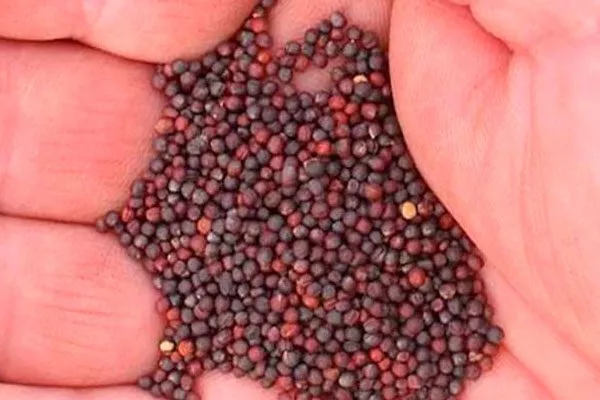
- Soak the seeds in a potassium permanganate solution to disinfect and germinate. Harden them to increase their resistance to temperature fluctuations.

- Sow the planting material in two stages: in the spring (April-May) for summer and autumn harvests, and in the summer (July) for winter storage, as later planted root crops store better.
- ✓ Optimal soil loosening depth before planting: 20-25 cm.
- ✓ Critical soil acidity level: pH below 6 can lead to poor root development.
Care instructions
Caring for turnips after planting involves several key steps. Following these agronomic practices ensures a high-quality harvest and helps avoid plant problems.
Follow these procedures:
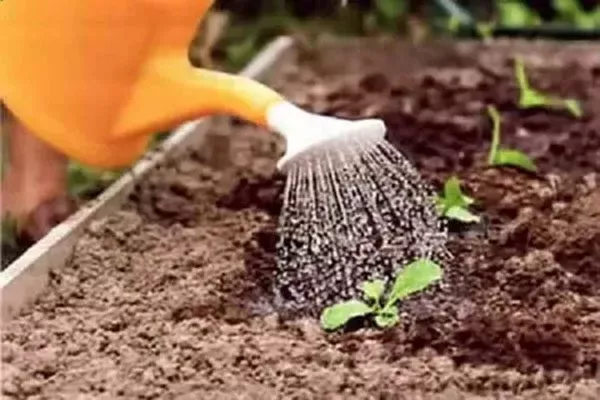
- Watering. Provide the plant with regular watering, especially during the early stages of growth and root formation. The soil should remain slightly moist, but not waterlogged. Water the roots in the morning or evening, using warm, settled liquid.
During hot weather, water more frequently, preventing the soil from drying out, otherwise the vegetables will become tough and bitter. - Thinning. When the seedlings develop 2-3 true leaves, remove weak plants, leaving 8-10 cm between them. This allows the roots to develop freely, without competing for nutrients. Repeat if the plants are still growing too densely.
- Loosening and weeding. After watering or rain, be sure to loosen the soil to a depth of 4-5 cm to prevent the formation of a dense crust that interferes with oxygen access to the roots. Remove weeds regularly.
- Top dressing. After 3-4 true leaves appear, apply organic fertilizer, such as herbal infusion, wood ash, or well-rotted compost. If the soil is poor, add a little nitrogen fertilizer.
During the active growth phase of vegetables (20-25 days after the first feeding), apply complex mineral compositions with an emphasis on phosphorus and potassium (superphosphate, potassium sulfate) to improve the taste and quality of vegetables. - Protection from pests and diseases. Turnips are often attacked by flea beetles, cabbage flies, and aphids. To protect them, dust the plants with wood ash or tobacco dust. Infusions of onion peels, garlic, or soap are also effective.
This variety is susceptible to root rot, clubroot, and other diseases. At the first sign of disease, remove affected plants and spray healthy ones with fungicides. - Mulching. Use grass clippings, straw, or compost. This will conserve moisture, suppress weed growth, and improve the soil structure.
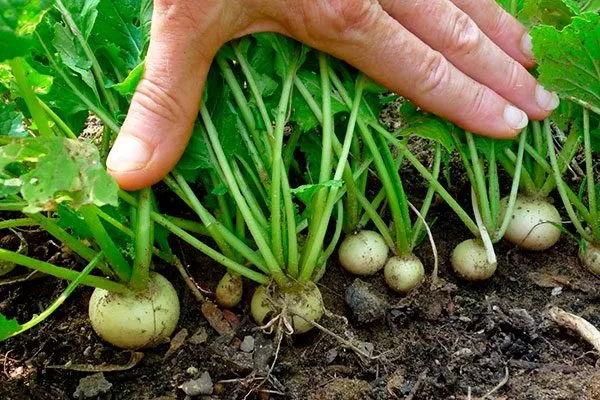
Harvest promptly, before severe frosts. For summer consumption, harvest 65-70 days after sowing; for winter storage, harvest 80-90 days after sowing. Dig up the roots by hand, carefully remove soil, and trim off the tops, leaving 1-2 cm long petioles.
Store in cool, dry places at temperatures between 0 and +2°C and humidity between 90-95%. Place in boxes filled with sand or peat to prevent the fruit from drying out and maintain freshness.
Reviews
The Zolotoy Shar turnip is an ideal choice for gardeners who value high-yielding varieties and want to harvest high-quality root vegetables. It's easy to grow, has a strong immune system, and boasts excellent flavor. Proper and timely care is key to achieving a bountiful harvest with minimal time investment.