
The Japanese Crab tomato is a unique variety with an unusual fruit shape reminiscent of a crustacean's claw. These bright pink, fleshy tomatoes have an excellent flavor, making them popular in fresh salads. While caring for this crop is relatively simple, achieving maximum yields requires proper cultivation techniques.
History and regionality
The variety was developed in Barnaul by breeders from the company "Demetra-Siberia." During its development, the specialists aimed to develop a crop capable of adapting to the harsh conditions of the cold Siberian summer, and their efforts were successful.
Testing of the new variety began in 2005, and by 2007 it was included in the State Register and recommended for cultivation on farms and private farms.
Japanese crab has demonstrated excellent results in various climatic zones, including the North Caucasus, the Volga region, Western and Eastern Siberia, the Far East, and the Northwest. In southern regions, it is cultivated without shelter, sown directly into open ground.
Characteristics and description of the variety
This variety is considered one of the best for salads. Many gardeners rave about it. It's important to carefully study the characteristics of the Japanese crab.
Distinctive features of the plant
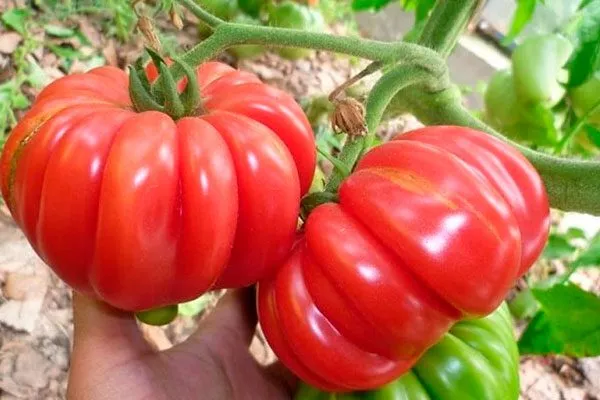
The bushes are tall, reaching heights of 2 meters or more. They have a strong, robust structure, but require support for proper growth, both for the stems and individual clusters.
Other characteristic qualities:
- The leaves are small, rich dark green or emerald in color.
- Simple inflorescences begin to form above the 7-8th leaf.
- Each brush produces 7 to 10 flowers.
The optimal number of clusters per bush is up to 5, which ensures a good harvest. If more clusters form, remove the excess.
Fruit characteristics
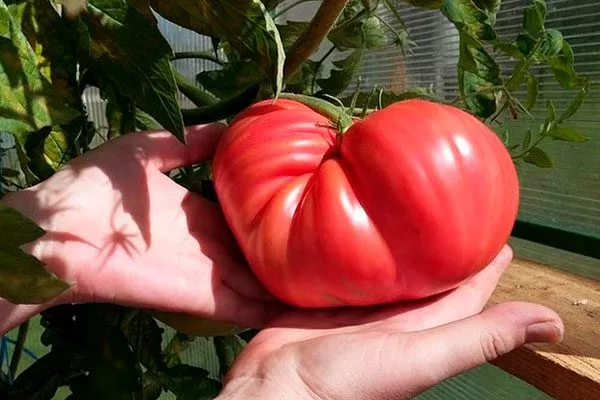
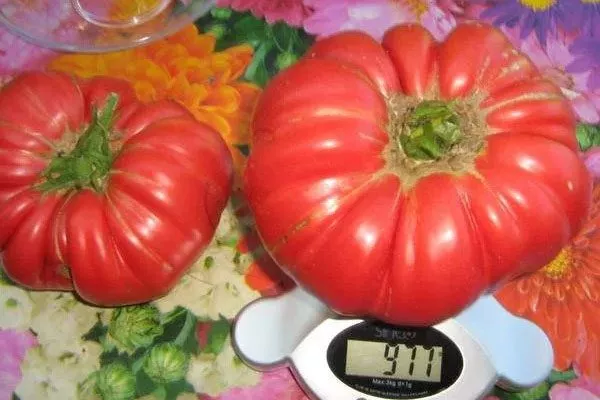
Ripening green tomatoes quickly develop a rich pink color. They have a flat, round shape with moderate ribbing, reminiscent of individual segments.
Features of tomatoes:
- The skin is smooth, shiny, but thin, which negatively affects shelf life.
- There are many seed chambers inside the fruit – about 7.
- The smallest vegetables weigh around 250 g, and the average weight is 300-350 g. With intensive care, the bushes can grow giant fruits weighing more than 500 g at the beginning of the growing season; most often these are the first lower specimens.
The tomatoes have pink, tender flesh of medium density. The flavor is balanced, sweet with a slight tartness. The sugar content is clearly visible when cut.
Ripening time, yield and area of application of fruits
Japanese crab is characterized by a long fruiting period – harvesting occurs from July to September. Varietal characteristics:
- This mid-season variety ripens 110-115 days after germination. In heated greenhouses, tomatoes are grown year-round.
- It is distinguished by its high yield. With proper cultivation practices in greenhouse conditions, it is possible to harvest up to 11 kg of fruit per square meter.
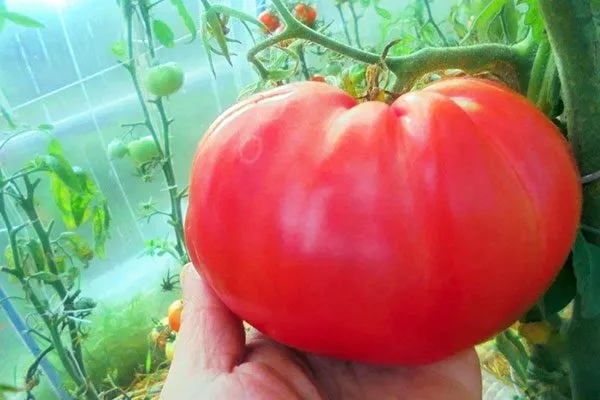
Tomatoes are used primarily fresh – in salads and slicing, as well as for processing into juices, pastes, ketchups and fruit drinks.
Resistance to diseases and pests, adverse weather conditions
The Japanese Crab variety is immune to blossom-end rot and tobacco mosaic virus (TMV). However, in high humidity, it is susceptible to cladosporiosis. In rainy and cool summers, the bushes can be affected by late blight. In hot weather, aphids often appear.
The crop was developed specifically for the harsh Siberian climate. It is adapted to growing in extreme weather conditions, is resistant to sudden temperature fluctuations, and is capable of setting fruit regardless of the number of sunny days or humidity levels.
How to grow seedlings?
Japanese Crab tomatoes are recommended to be grown from seedlings. This produces strong, well-formed seedlings that begin to form their first flower clusters within a few days of transplanting into the open ground.
Seed preparation
Proper treatment of planting material improves germination, reduces the risk of infection, and increases productivity. Follow these important steps:
- Selection of seeds. Inspect the seeds and discard any small, empty, or misshapen ones. To check for suitability, prepare a salt solution (5 g per 200 ml of water). Submerge the seeds in the solution, and after 15-20 minutes, discard any that float to the surface and reserve the sunken ones for planting.
- Warming up. Spread the seeds on a cotton cloth or newspaper and place them on a warm surface, such as a radiator.
- Disinfection. Soak the seeds in a 1% potassium permanganate solution for 15-20 minutes, then rinse with water. If potassium permanganate is unavailable, a 3% hydrogen peroxide solution (1 tablespoon per 400 ml of water) will do. Soak the seeds in it for 12 hours.
- Bubbling. Place the seeds in water at 26-30°C and stir or use an aquarium air pump. This process lasts for 15-18 hours, saturating the seeds with oxygen and increasing their germination rate.
- Soak. Immerse the grains in water (20°C) or a biostimulant for 12 hours: Epin, Zircon, Immunocytophyte.
- Hardening. Wrap the seeds in cloth, then in plastic, and refrigerate for 8 hours, then leave them in a warm room for the same amount of time. Repeat this process 6 times. This method increases the frost resistance of future plants and increases yield by 30%.
- Germination. Spread the seeds on damp cheesecloth covered with plastic wrap and maintain a temperature of 25°C. When sprouts reach 2-3 mm in length, you can sow the seeds in the soil.
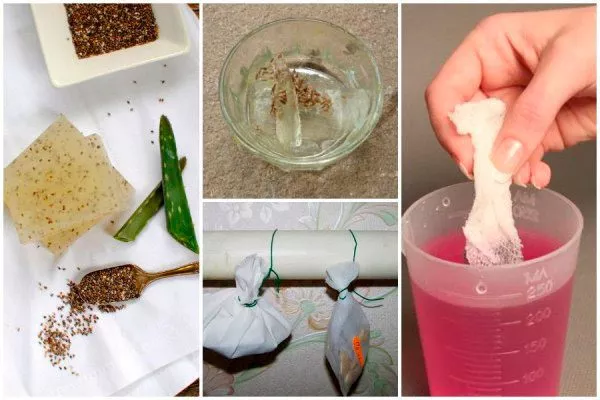
Hardening requires precision. If you're unsure of your skills, it's best to avoid this step. Don't use hydrogen peroxide on coated or coated seeds.
Container and soil
To grow Japanese Crab tomato seedlings, use plastic cups, containers, or bottles. To fill the containers, choose a universal potting soil that contains:
- humus;
- peat;
- river sand.
You can make your own potting soil. Mix the following ingredients:
- 1 part fertile soil;
- 2 parts non-acidic peat (pH 6.5);
- 0.5 parts sand (river or washed);
- 1 part humus or sifted mature compost.
Additionally, add wood ash, dolomite flour, sphagnum moss, and fallen pine needles to improve the soil quality. Disinfect the soil and containers before use: treat them with a potassium permanganate solution or heat them in the oven at 200°C.
Sowing and caring for seedlings
Place the seeds 1-1.5 cm deep in the soil, moisten them with warm water from a spray bottle, and cover the container with plastic wrap or glass. Store them in a warm, well-lit area.
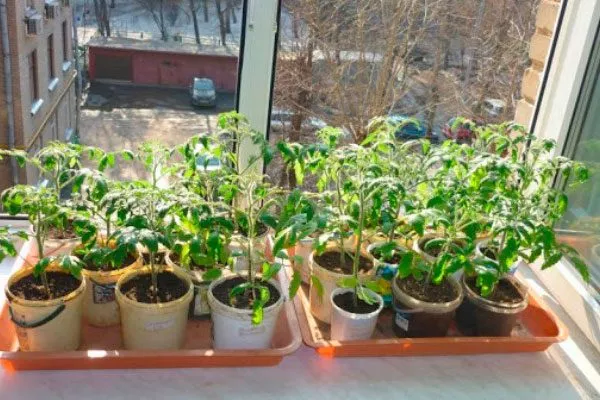
Important recommendations for seedling care:
- To maintain optimal moisture levels, mist the soil regularly, but be sure to ventilate the containers to prevent mold and mildew.
- The first shoots will appear in 5-7 days. Gradually begin removing the plastic covering, increasing the time the plants are exposed to fresh air.
- The optimal temperature for seedlings is +20…+25°C. Avoid sudden temperature changes and cold air currents, and keep seedlings away from open windows.
- For additional light, provide artificial lighting for the first 3 days. After that, 16 hours of light per day is sufficient.
- During the first few weeks, the soil should be moist, but don't allow it to dry out or become too wet. Water carefully, using a disposable syringe without a needle, for example, to avoid damaging the seedlings. The more warmth and light the seedlings receive, the more water they need.
Two weeks after germination, apply the first fertilizer with organic matter, such as compost or manure. Humates, such as Vermicompost, are effective at a reduced concentration (half the recommended dose). Fertilize the seedlings every 7-10 days.
Picking seedlings and hardening
When the seedlings develop their first pair of true leaves, transplant them into separate containers (if you used large-cell cassettes for seedlings, into which you placed one seed at a time, do not carry out this procedure).
Two weeks before you plan to plant your seedlings outdoors, prepare them for the change in conditions: begin by taking them outside for short periods of time (about an hour in the middle of the day) or, if this isn't possible, leave them near an open window. Gradually increase the time spent outdoors, from one hour to a full day.
Transplanting tomatoes into the ground
Japanese crab plant seedlings ready for transplanting should be 20-25 cm tall and have at least six true leaves. Plant them in greenhouses (under plastic) at 45-50 days old, and in open beds when nighttime temperatures are consistently above freezing.
- ✓ Optimum soil temperature for planting seedlings: not lower than +15°C.
- ✓ Distance between bushes when planting: at least 50 cm to ensure sufficient aeration.
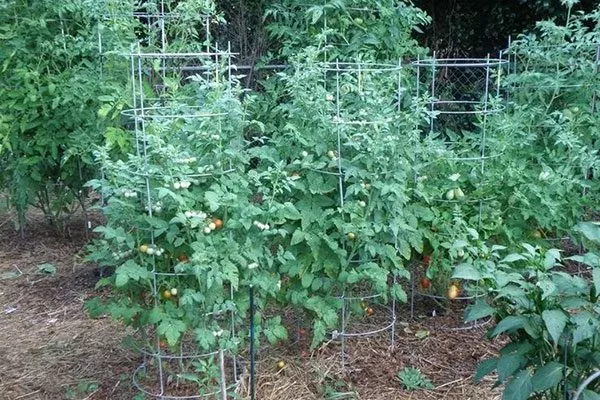
The day before replanting, treat the soil with boiling water or a potassium permanganate solution. Plant 2 to 4 bushes per square meter. Decide on a staking method:
- with pegs;
- trellises;
- fastening to a wire frame;
- fixation on the grid;
- linear fastening.
Do not tighten the garter loop too tightly to avoid damaging the stem.
How to care for Japanese Crab tomatoes?
After transplanting seedlings into the ground or greenhouse, avoid any disturbances for the first 7-10 days. This period is necessary for plants to adapt and develop their root system, and any interventions could cause additional stress.
How to water and feed tomatoes?
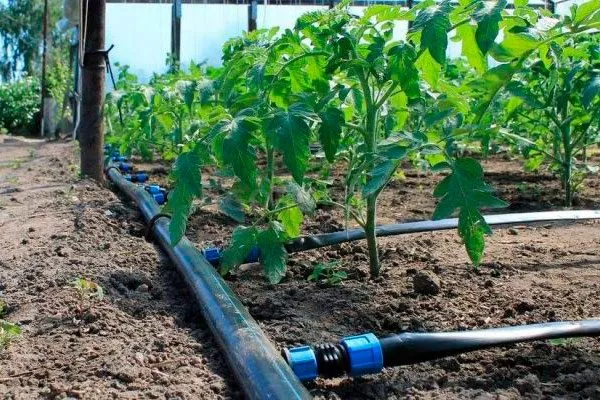
Provide the plant with regular watering, but avoid standing water around the roots to prevent root rot. Water the plants every 5-7 days, using 5-6 liters of water per plant.
Helpful tips:
- Pour water directly under the root.
- Use warm liquid and leave it in the sun for several hours.
- Conduct the event on a cloudy day, early in the morning or late in the evening to prevent leaf burn.
If the soil is sufficiently fertile and rich in organic matter, and the seedlings were grown properly, 2-3 applications throughout the growing season are sufficient for a good harvest. Use mineral fertilizers.
Feeding schedule:
- The first one is – one month after planting the seedlings.
- The second one is at the beginning of fruiting.
- The third one is after 1-1.5 months if necessary.
Once fruiting begins, nitrogen levels should be reduced. Otherwise, the plants will focus their energy on foliage growth, resulting in reduced fruit size and quantity. If tomatoes are experiencing light deficiency, apply potassium fertilizer.
Garter and pinching out side shoots
Train the bushes into a single stem, which promotes earlier harvesting and prevents overcrowding. This approach simplifies care. Begin structuring the plants 1-2 weeks after planting in open ground or a greenhouse.
During the process, remove side shoots that are at least 5 cm long, leaving shorter shoots as they can easily be confused with fruiting clusters. Repeat this procedure every 10-14 days.
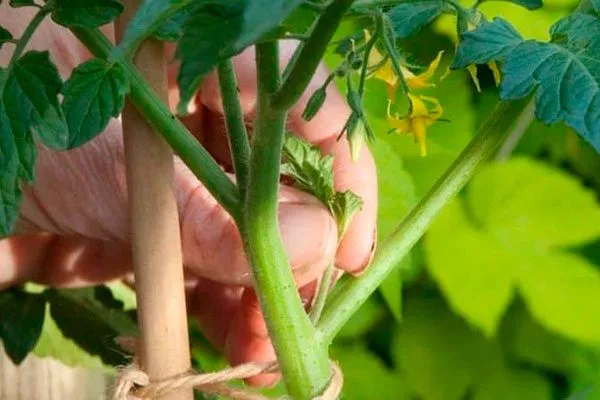
Recommendations for formation:
- Trim the side shoots in the morning to allow the wounds to heal before exposure to sunlight.
- Use sharp, sterilized pruning shears and treat them with a solution of potassium permanganate after each cut to prevent the spread of diseases.
- Remove lateral shoots leaving a stump 1-3 cm long. This is important to prevent new branches from growing.
- Removing yellowed lower leaves improves aeration.
- To get large vegetables, leave no more than 4-6 tomatoes on each brush.
Since the Japanese Crab Plant variety is tall, it requires support. Secure the stems with garden twine or pieces of fabric, and install a trellis.
In mid- to late summer, pinch the tops of the tomato plants to stop new growth and allow the established ones to ripen. Prune the tops above the 5th cluster if the plant is grown outdoors, or above the 7th cluster if grown in a greenhouse.
Soil care
After rain or watering, loosen the soil to prevent crusting, which can negatively impact yield. Compacted soil limits oxygen access to plant roots.
Follow the rules:
- Loosen the soil around the bushes and between the rows, but don't work too deeply. At the same time, remove weeds, as they carry diseases and pests.
- To conserve moisture and prevent weed growth, cover the beds with a layer of straw or compost mulch. This reduces the need for watering and improves soil structure.
Mulch gradually decomposes, enriching the soil with nutrients beneficial for tomatoes. Renew it regularly, as it is washed away over time by rain and watering.
Features of cultivation and possible difficulties
Remove excess shoots, as they draw nutrients and moisture, preventing proper fruit set and reducing fruit size. Although tomatoes can tolerate low temperatures, ovaries begin to fall off at temperatures of 2-4°C, so monitor the temperature.
Diseases and pests
The Japanese Crab tomato has natural immunity to many diseases common to this crop. It is resistant to mosaic virus, root rot, and blossom-end rot. However, under unfavorable conditions, the following diseases and pests may occur:
| Disease/Pest | Signs | Control measures |
| Late blight | Dark spots with a white border appear on the leaves, and a gray coating appears on the underside. The shoots gradually dry out. | Remove affected leaves and spray the plants and soil with copper-containing solutions (Bordeaux mixture, copper sulfate, Hom, Abiga Peak). Alternatively, use a 1:1 solution of whey and water. |
| Cladosporiosis | It affects the lower leaves, where white and yellow spots appear, which over time become brown and velvety. | Treat with fungicides Quadris, Hom, and Abiga-Peak. Repeat after 7-10 days. |
| Spider mite | Small insects that leave sticky webs on leaves. | In the early stages, apply garlic or onion infusion. To control widespread infestation, use insecticides such as Karbofos and Actellic. |
| Colorado beetle | Large striped beetles whose larvae damage leaves and stems. | Collect by hand, dust with ash, and sprinkle with tobacco solution. Insecticides such as Commander, Bombardier, and Prestige are effective for controlling large colonies. |
| Slugs | Mollusks feed on plants at night, leaving glossy trails. | Spread crushed eggshells or wood ash between the rows. Use Fitoverm insecticide. |
When applying chemicals, choose calm, dry weather and avoid rain. It's best to apply the chemicals early in the morning or in the evening.
Disease and pest prevention:
- Sow treated seeds or treat them with fungicides or a solution of potassium permanganate before sowing.
- Practice crop rotation.
- Weed and loosen the soil regularly.
- Spray the bushes with a “milk solution” (1 liter of milk per 10 liters of water with 20-25 drops of iodine) every 2-3 weeks to prevent fungal diseases.
Nuances for open ground and greenhouse conditions
When the weather is hot and sunny, tomatoes in the garden require nitrogen fertilizer. In the absence of sunlight, use potassium fertilizer.
Ventilate greenhouses regularly to ensure fresh air and attract pollinating insects. Avoid drafts, which can damage plants.
Collection and storage
The first tomatoes ripen 110-115 days after germination. They don't store well, so consume them within 7-10 days of harvest.
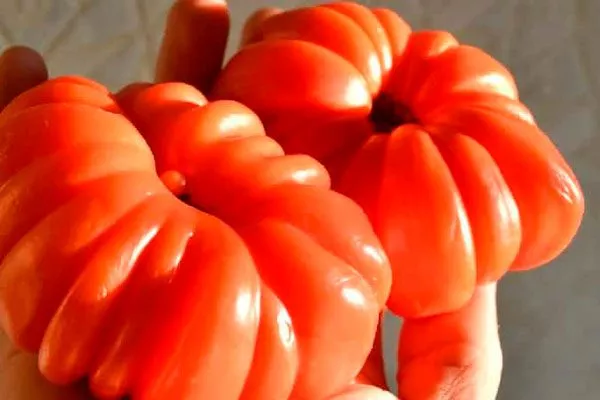
Harvest tomatoes when they are fully ripe and pink, as unripe tomatoes can spoil during ripening. If you must use unripe tomatoes, be sure to remove the firm green area near the stem.
Similar varieties
| Name | Bush height | Fruit color | Fruit weight |
|---|---|---|---|
| Japanese crab | 2 m | pink | 300-350 g |
| A cheerful neighbor | 1.8 m | bright red | up to 350 g |
| Harmonic | 1.8 m | pink-red | not specified |
| Nina | 1.8 m | bright red | 300-500 g |
| Tlacolula ribbed | not specified | not specified | 200-350 g |
| Pink fig | 3 m | not specified | not specified |
In terms of characteristics and description, the Japanese Crab tomato is similar to several other tomato varieties. Similar varieties include:
- A cheerful neighbor. A mid-early indeterminate variety that requires staking and pinching. The fruits are bright red, up to 350 g, and flattened and ribbed. Yields reach 5 kg per plant. The tomatoes have a long shelf life.
- Harmonic. The plant grows up to 1.8 m tall and is trained into single- or double-stemmed varieties. Ripening takes 107-110 days. The tomatoes are pinkish-red, pear-shaped, and ribbed. The flesh is juicy, dark crimson. Yields up to 12 kg per square meter.
- Nina. A semi-determinate bush up to 1.8 m tall, suitable for greenhouse cultivation. The period from germination to maturity is 100-105 days. The fruits are bright red, weighing 300-500 g, rounded, and distinctly ribbed. The flesh contains numerous seed chambers and cavities. Yields are up to 4 kg per plant.
- Tlacolula ribbed. A mid-early indeterminate variety that thrives in greenhouses. The tomatoes are pear-shaped and ribbed, weighing 200-350 g. The flesh is juicy and firm, with a good flavor. Productivity is good—similar to that of the Nina variety.
- Pink fig. A tall vine, up to 3 m tall, suitable for greenhouse cultivation. The fruits are pear-shaped, heavily ribbed, and sweet. Disease resistance is average.
The Japanese crab differs from these varieties in that it is unpretentious, can be grown in open ground, and is highly resistant to pathogenic fungi.
Pros and cons
Summer residents value this culture for its many virtues. They note the following attractive features:
Vegetable growers note the following shortcomings: poor tolerance to excessive humidity, loss of flavor when picked unripe, and poor shelf life. Furthermore, the vegetables are not suitable for whole-fruit canning, as they do not retain their crispness during cooking.
Reviews
Japanese crab tomatoes are highly resistant, resistant to blossom-end rot, and rarely crack, despite their large size. The tomatoes retain their flavor even after processing, and their long fruiting period makes them an excellent choice for growing in any conditions.