
Every plant has a specific life cycle, which includes specific developmental phases. Understanding the specifics of this development helps people manage the growth of various crops, increasing their yields. To better understand the life of any plant, it's important to understand the growing season and all its nuances.
| Factor | Optimal conditions | Unit of measurement |
|---|---|---|
| Temperature | +15 to +25 | °C |
| Soil moisture | 60-70 | % |
| Air humidity | 50-60 | % |
| Illumination | 10,000-15,000 | luxury |
What is the growing season?
Vegetation and growing season are different concepts.
- Vegetation is the state of growth and development of a plant.
- The growing season is the period of time during which a plant undergoes its complete development cycle. This period includes specific phases such as seed germination, bud swelling, flowering, fruiting, and so on.
- ✓ Resistance to temperature changes
- ✓ Soil moisture requirements
- ✓ Duration of the growing season
- ✓ Disease resistance
Controlling the growing season allows for greater yields. Optimal conditions for rapid development can be created for various vegetable and fruit crops. Sometimes this requires accelerating the growing season while delaying fruiting. Some vegetables, on the contrary, require slowing down the growing season to improve harvest quality and subsequent storage.
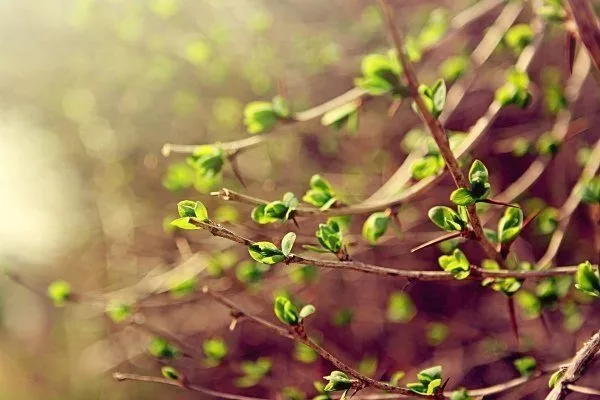
Factors affecting vegetation
The growing season for different plant species and varieties can vary significantly. Average periods range from 3 days to 3 months. These periods depend on several factors, the most important of which are:
- soil condition;
- climatic conditions;
- plant diseases and pathologies;
- heredity of cultures.
The climate in our country isn't always favorable to certain plants. Sometimes crops don't have time to ripen fully, requiring harvesting ahead of schedule. In favorable weather, plants can produce several harvests per year—the extended growing season allows for proper development.
Vegetation depending on the life cycle of plants
A plant's life cycle also significantly influences its growing season. Annual and perennial crops differ in this regard.
Annual plants
Annual plants have the shortest lifespan. In cold climates, annual seeds are planted in the spring, and their seeds ripen by autumn. In southern regions, plants experience continuous vegetation, but their lifespan is only one season.
The rapid growth season of annual plants allows for annual experimentation with plantings due to the constant renewal of species. The advantage of perennial crops is their ease of management, requiring less time and money.
Certain plant species or varieties require two years to complete their growing season. During the first year, bulbs and root vegetables, rich in nutrients, are formed. Seeds or fruits responsible for the species' reproduction are formed the following year. In subtropical climates, vegetation continues naturally, while in cold climates, this is accomplished by replanting overwintered plant parts.
Perennial plants
Perennials continue to bear fruit throughout their entire life cycle. During their first year, they develop organs responsible for storing the nutrients necessary for plant development. After wintering, shoots form, progressing from development to death; these periods can last for many years.
In trees, vegetation is defined by the time of active life, including the beginning of sap flow, budding, and until the shedding of leaves.
Vegetation depending on the season
The period of time of a year for perennial plants is usually divided into 4 periods:
- vegetative growth;
- autumn transitional;
- relative peace;
- spring transition.
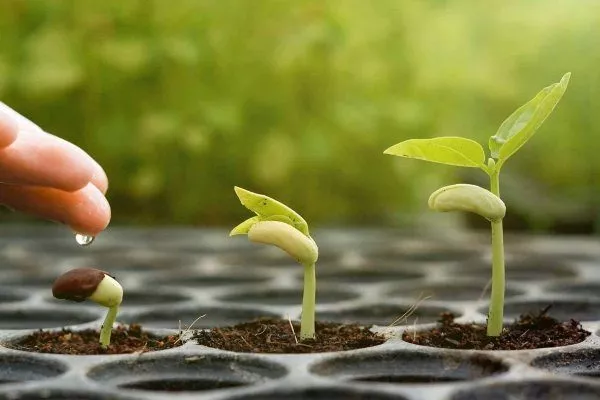
Perennial plants in our country experience these periods annually. The growing season, however, includes only three of these four stages. Winter is not included in this period. Depending on weather conditions, the onset of the spring and fall transition periods may vary.
Autumn period
This period is characterized by the covering of plants with a woody layer. This occurs due to the starch accumulated during their active life—it is converted into sugar, providing good protection during the winter. In autumn, small roots that absorb nutrients continue to grow continuously. They grow until the onset of frost. Most annual plants in our country complete their life cycle in autumn.
Rest period
Visible plant activity ceases during this period. Perennial plants rely on accumulated nutrients to sustain their life. However, in the soil, several dozen centimeters deep, roots continue to function, providing some nutrition to trees and shrubs. By early spring, these nutritional reserves are significantly depleted.
Sometimes you can observe plant activity during a thaw, when the temperature rises high - some grasses begin to turn green, and buds swell on trees.
To maintain the life of perennial plants, it's important to replenish their nutrients. Severe moisture loss during winter can cause plants to die, so additional watering in the fall is a good idea.
Spring period
In spring, plants resume root growth. At the same time, the above-ground portion of the plant becomes increasingly active. This growth process accelerates with increasing daylight hours and higher temperatures. For annuals, this period often marks the beginning of their life cycle.
Growing season depending on plant species
The diversity of plant species on our planet is astounding. Various herbs, vegetables, berries, trees, and shrubs—each member of the flora has its own unique development characteristics. Vegetable and fruit crops are the most important for agriculture, so their growing seasons are worth examining in more detail.
Vegetation of currants, raspberries and gooseberries
After winter, currants awaken early—the buds swell with the arrival of spring. The speed of development depends on the growing region. Following the buds, buds begin to form within a couple of weeks, and flowering lasts no more than a week.
Raspberries begin their growing season at the end of March, and the difference in varieties is not particularly significant. They bloom a few months later, and the berries finish ripening in mid-summer.
Gooseberries begin their growing season earlier than other shrubs. They bloom within three weeks, and the berries appear within two months.
Removing old dry branches helps gooseberries and currants grow better.
The growing season of fruit trees
Here, everything begins with the swelling of flower buds, followed a week later by leaf buds. Depending on the tree species, this period has its own characteristics.
Apple trees begin to bud at 10 degrees Celsius outside. These trees bloom for a week and a half. They can bear fruit all summer, starting in July, until late fall, depending on the variety.
Pears begin to bloom at temperatures as low as six degrees Celsius. Two weeks after the growing season begins, pears begin to bloom. A sudden cold snap may halt growth. A week or more after flowering, the trees begin to bear fruit.
Plum trees finish blooming in May, after which they produce fruits, which finish ripening by August or mid-September, depending on the variety.
Cherry trees are not very demanding in terms of temperature, care, and soil composition, so their growing season begins in April and passes quickly.
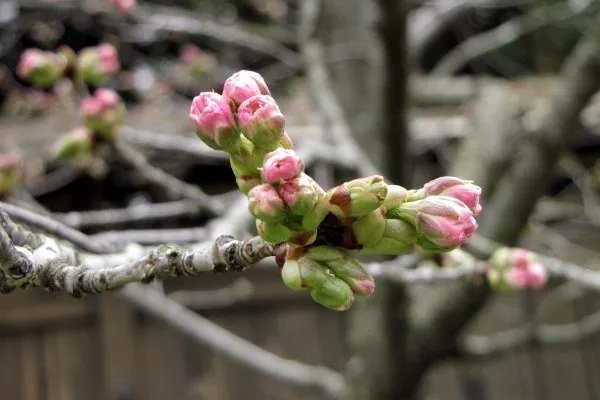
Cucumbers, tomatoes, cabbage, potatoes
According to the duration of the growing season, crops are classified as:
- early ripening;
- mid-season;
- late-ripening.
Table 1. Heat requirements of vegetable plants depending on the growing season
| Vegetable plants | Optimum temperature (°C) | Critical temperature (°C) | |||
| For swelling of seeds | For seed germination | For setting fruits | For seedlings | For adult plants | |
| Eggplant | + 14-16 | + 25-30 | + 25-30 | + 5-6 | - 1 |
| Cabbage | + 2-3 | + 15-23 | + 15-17 | — 2-3 | — 8-10 |
| Carrot | + 4-6 | + 17-25 | + 15-25 | — 2-3 | — 3-4 |
| Cucumber | + 14-16 | + 25-30 | + 22-28 | + 6-8 | + 2-3 |
| Pepper | + 14-16 | + 25-30 | + 25-30 | + 5-6 | - 1 |
| Tomato | + 10-12 | + 25-30 | + 20-27 | + 3-5 | - 1 |
The potato growing season lasts about four months. This average period applies to both early- and late-ripening varieties. First, the sprout emerges, then the potato flowers and pollinates, and finally, inedible fruits appear on the bush. The end of the growing season occurs when the upper part of the plant dries out—this marks the time for harvesting.
Early cucumbers have a growing season of about 100 days, while late-ripening varieties take two weeks longer. The cucumber bush begins to bloom about a month after the start of growth, and then the plant is capable of producing fruit and blooming until the end of the growing season. The growing season ends in early autumn.
The growing season of cucumbers can be accelerated by warming the seeds before sowing.
The growing season for tomatoes is similar to that of cucumbers, but the timeframes are slightly shifted: the earliest ripening tomatoes can ripen in 2 months, while the latest varieties ripen in up to 4.5 months.
For cabbage, this period lasts from 3 months to six months.
Conditions for favorable vegetation
Favorable plant growth is inextricably linked to environmental conditions. The main ones are:
- Warm. Plants require a certain temperature regime for normal growth and development. Above-ground parts of plants require more heat than the root system. Both too much and too little heat impede development and can lead to death.
- Water. It accounts for four-fifths of a plant's wet weight. Huge volumes of it are consumed at any stage of its development. The primary source of moisture is the soil, and air humidity is also important. Artificial irrigation is often an integral part of maintaining the vast majority of plants to obtain the best possible yield.
- Light. In nature, sunlight is the only source of energy for photosynthesis. Light requirements vary depending on the plant species and varieties, growth stage, nutrition, and growing conditions.
- Air. It is the primary source of carbon dioxide, which fuels photosynthesis. Plants, primarily their root systems, also extract oxygen from the air.
- NutrientsPlants also require various minerals to develop organs and produce fruit. Depending on growing conditions, a deficiency or excess of certain elements can significantly slow down development or even lead to plant death. Today, there are numerous organic and specially formulated chemical fertilizers and additives available that can optimize the nutrition of any plant.
All these conditions are of equal importance, and their optimal combination determines the normal growth and development of any plant.
Methods of influencing vegetation
The vegetation period of plants can be influenced using several methods, including:
- watering;
- fertilizers;
- temperature conditions;
- spraying.
Each of these methods is worth considering in more detail.
Watering
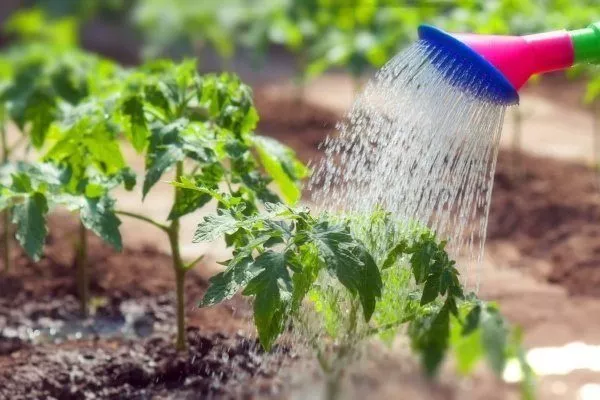
Regular watering is essential for any growing plant. Fruit and leafy vegetables need it most, especially those that are still developing. The optimal time for watering vegetables outdoors is midday or evening; avoid overwatering. If the plants are in a greenhouse, it's best to water before midday so the water has time to fully absorb before nightfall.
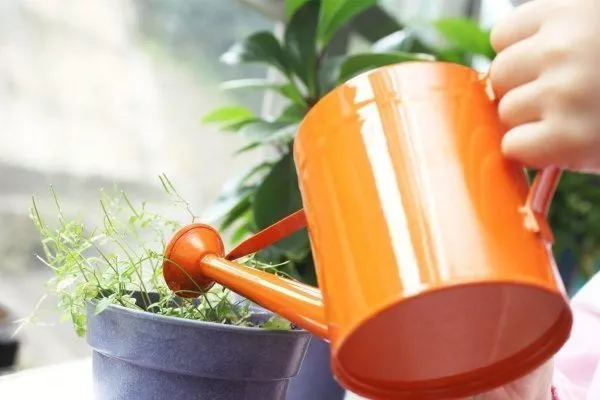
Tomatoes need to be watered at the roots, as watering the leaves increases the risk of certain diseases. Onions only require watering at the beginning of their growth.
Some plants don't require watering as long as rainfall is normal. These include garlic, beets, onion sets, and others.
Fertilizer and feeding
Fertilizers and fertilizers are substances that supplement the nutrition of growing plants and modify the soil's properties. Fertilizing and feeding perennials and trees is especially important. Fruit-bearing bushes that produce crops early begin the growing season with nutrients left over from the fall. Without these nutrients, the plant will not bear fruit annually and will have to conserve some of its nutrients to sustain itself. Therefore, plant care is essential not only in the spring and summer but also in the fall.
Nitrogen-containing fertilizers are suitable for early tree growth. This can ensure a bountiful harvest for several years to come. However, using this fertilizer in the fall is not recommended, as it can actually harm the plant. Bird droppings are also considered a useful solution and fertilizer. Before use, mix them and let them sit for a few days. Afterward, the fertilizer can be applied, diluted by half with water.
Read more in the article, How and what to feed fruit trees and shrubs with.
Spraying
Many plants require regular spraying against pests and diseases; otherwise, harvesting may be significantly delayed and its quality will be significantly reduced. Spraying trees and shrubs begins with the snow melting, when buds are already forming.
There are many different spraying products available on the market today. It's safe to harvest fruit after this treatment only after three weeks. Before spraying, be sure to wear protective clothing: goggles, gloves, and a respirator. These can be purchased at the same specialized stores that sell fertilizers and spraying products.
Temperature
The growing season for plants requires specific climatic conditions. Dry regions typically experience a limited development time, while in temperate climates, this process can be significantly extended, resulting in a larger harvest.
Conventionally, the growing season for most plants coincides with the point at which the average daily temperature in autumn and spring exceeds +5°C. However, it's important to understand that this figure is an average, and each plant species has its own favorable growth temperature.
Depending on their temperature tolerance, plants are classified as cold-hardy or heat-loving. Cold-hardy plants prefer cooler temperatures than average, while high temperatures are harmful; the opposite is true for heat-loving plants. Therefore, before planting any crops, it's important to study their sensitivity to specific climatic conditions in a given area.
To ensure healthy plant development, it's also important to be aware of various plant diseases. Diseased plants should be removed before planting; burning is the best option.
Watering and fertilizing are considered the most effective ways to ensure optimal growing conditions. Plants should be watered regularly, depending on the water requirements of each species. Nitrogen-containing and organic fertilizers should be applied in the spring and summer. These measures can significantly increase yields.
Acceleration of vegetation
With increased vegetation speed, plants produce a harvest earlier. This can sometimes be extremely beneficial, prompting people to use special methods to accelerate vegetation to increase yields. These methods are based on providing plants with the necessary moisture and nutrients, along with the use of growth-promoting substances. These methods include:
- Growing in a hydroponic setupHydroponics involves growing plant roots not in soil, but in a special substrate suspended in a nutrient solution. Mineral wool, crushed stone, expanded clay, or coconut fiber are often used as such a substrate.
- Use of growth stimulants. These products are based on phytohormones. By stimulating growth, they promote intensive root formation, flowering, increase the number of ovaries, and accelerate fruit ripening. When using these products, it's crucial to know their intended purpose and strictly adhere to the dosage.
- Cultivation by aeroponics method. With this method, the plant and its roots are suspended. A sprayed nutrient solution continuously mists the root system, while other parts of the plant are not. A huge advantage of this method is the minimal risk of pest infestation and disease, as there is no contact with the soil.
The use of the aeroponics method allows for the complete automation of cultivation systems.
Reasons for slow vegetation
The causes of slow vegetation can generally be attributed to an imbalance in the factors that determine normal plant development. The most common cause of slow vegetation is temperature imbalance. Hot summers, for example, are detrimental to certain crops, which can lead to a sharp reduction in yield. Frosts can also slow plant development.
Any lack of heat, water, light, and nutrition can cause problems with plant growth and development, so it's important to monitor them, especially during the growing season.
Application of new technologies
Today, agricultural development has reached impressive heights. Scientists believe that in the near future, humans will completely eliminate most agricultural work, automating cultivation and harvesting processes as much as possible. Along with these claims, genetic engineers are constantly developing new plant varieties that are resistant to various external factors, such as temperature, diseases, pests, and drought.
The concept of vegetation is receiving increasing attention every day, and this only means a stable increase in yield, production profitability, plant quality characteristics, and many other important factors.
Ecologists consider the vegetation process a fundamental stage of plant development. It's important to understand that any disruption in this process can have adverse effects on any crop. Therefore, it's crucial to monitor and care for plants during their growing season.