
Weeds differ primarily in their harmfulness—some varieties are poisonous, while others are medicinal. Therefore, it's important for gardeners to learn to recognize garden weeds and control them properly. This can be accomplished using a variety of agricultural practices, chemicals, and folk remedies.
Classification of weeds by reproduction method
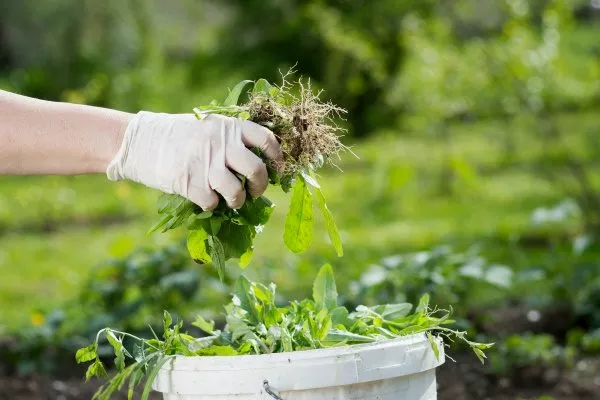
The primary method of weed propagation is by seed, but there are perennial varieties that also spread vegetatively, that is, without seeds (roots, tubers, etc.). All of them are divided into biological groups. Specifically:
- creeping;
- tuberous;
- rhizome;
- root sucker;
- bulbous type.
| Name | Type of reproduction | Root depth (cm) | Cold resistance |
|---|---|---|---|
| Creepers | tendrils, stem shoots | 10-60 | Low |
| Bulbous | bulbs, seeds | 10:30 | Average |
| Tuberous | tubers, seeds | 20-50 | High |
| Rhizomes | rhizomes | 10-60 | High |
| Root suckers | root shoots, seeds | 20-70 | Average |
Creepers
They are rarely found in agricultural fields, but are more common in open, uncultivated meadows, forest edges, and pastures. They prefer high humidity and low-lying areas. They spread to vegetable gardens thanks to frequent crop irrigation and fertile soil.
Peculiarities:
- propagation is carried out by means of tendrils, stem shoots, which take root through nodes;
- the stems are equipped with numerous buds, which after rooting are transformed into leaf rosettes;
- The creeping weed does not tolerate cold, so it dies in winter, but only its above-ground part, while the roots successfully overwinter until spring.
These weeds quickly spread across the entire garden, suppressing other weeds and crops. The most common ones are creeping buttercup, silverweed, ivy-leaved ground ivy, bindweed, and others.
Bulbous
Propagation is exclusively by bulbils, which form in the underground part of the garden bed. The bulbils are characterized by increased fleshiness, which allows for rapid growth. At the end of the growing season, propagation occurs by seed.
What does an onion consist of:
- bottom (shortened, underdeveloped stem);
- closely spaced leaves extend from it;
- The stem has axillary buds on the sides and top.
Bulbous plants grow in meadows, pastures, and virgin soil, among legume and grain crops. They are most common in central Russia and the southern regions.
Tuberous
These are plants that form fleshy thickenings consisting of internodes (one or more). These stem tubers are located on the part of the shoots that are underground (called stolons). Instead of leaves, scales are formed. These scales can be microscopic, barely noticeable, noticeable, deciduous, or persistent.
The underground stems also have buds (located in the axils of the scales). From these buds grow stem tubers. The weed can also form root tubers, which lack reduced scales, as tubers develop from lateral or adventitious roots.
Rhizomes
Rhizome propagation is common to most weeds. They are difficult to eradicate, as they rapidly spread over large areas. They thrive in all types of soil and in various locations, severely infesting field crops.
Underground stems with shortened internodes assist the roots in propagation. Simply put, they act as reserve organs for vegetative propagation. They also store a huge amount of nutrients.
Other features:
- root shoots are located at a depth of 10 to 60 cm, depending on the type and variety of weed;
- The internodes contain reduced scaly leaves, apical and lateral buds, and adventitious roots.
Root suckers
These plants reproduce particularly well vegetatively—the roots produce numerous offshoots that spread in different directions over long distances. This happens like this:
- vertical roots grow deep;
- along with this, they release horizontal roots that direct growth upward;
- They contain buds from which root shoots are formed.
Controlling root-suckering weeds is very challenging. The situation is further exacerbated by their high seed production rate. Most weeds have volatiles, which allow the wind to quickly disperse the seed throughout the garden.
How to fight weeds?
Various methods are used to control weeds. Each plant has its own specific methods and means, but there are also general ones. These are applied equally to all.
- ✓ Consider the soil type and its moisture content before choosing a control method.
- ✓ Pay attention to the growth phase of the weed to determine the most effective treatment time.
Folk remedies
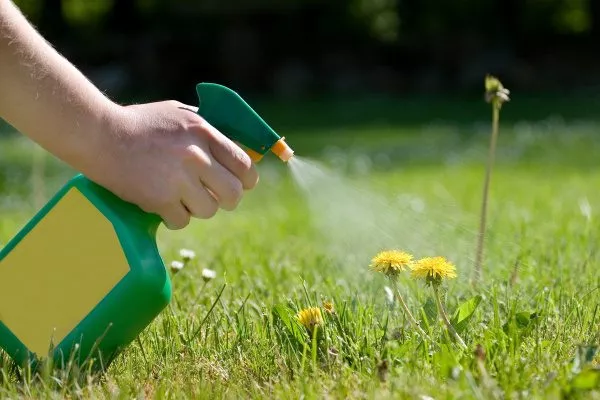
Industrial weed killers are considered unsafe, so many gardeners and horticulturists resort to folk remedies. Their main advantage is safety. However, not everyone realizes that even these methods can be dangerous.
For example, you cannot treat the soil with the following compounds:
- Saline solution It copes well with weeds, but after treatment for one or two years no crops emerge.
- Alcohol is considered ineffective and dangerous for the soil.Some gardeners recommend using a solution of this chemical to kill weeds. However, this also burns the soil, which negatively impacts its condition. Another drawback is that the grass still grows back quickly.
- You can't burn grass, as the soil's microflora changes significantly. Because of this, planting vegetables is prohibited for the next two years.
- Using Coca-Cola It is considered a pointless and too expensive idea, so never use this life hack.
There are effective and safe remedies worth considering:
- Table vinegar 9%. Use with caution, as it kills not only weeds but also vegetable crops. For this reason, experts recommend using this method only after harvesting or before planting seeds. Recommendations:
- Ingredients: 10 liters of water, 600 ml of vinegar;
- do not water the soil, but spray it;
- If you need to destroy grass during the growing season, direct the spray from the spray bottle directly onto the grass, avoiding vegetable plantings;
- To deacidify the soil (it will become acidic after vinegar), add about 80-100 g of wood ash per 1 sq. m;
- For increased effectiveness, add any detergent.
- Herbicide soap. It's homemade: mix equal parts salt, vinegar, water, and finely grated brown laundry soap. Let it sit for 2-3 hours, then spray on weeds.
- Soda. To prepare a working solution, take 1 liter of water, 250 g of baking soda, and 0.5 bar of laundry soap. Let it sit for 2 hours and then spray. Keep in mind that the soil will become slightly acidic, so amend these areas with compost or peat moss.
Commercial weed control products
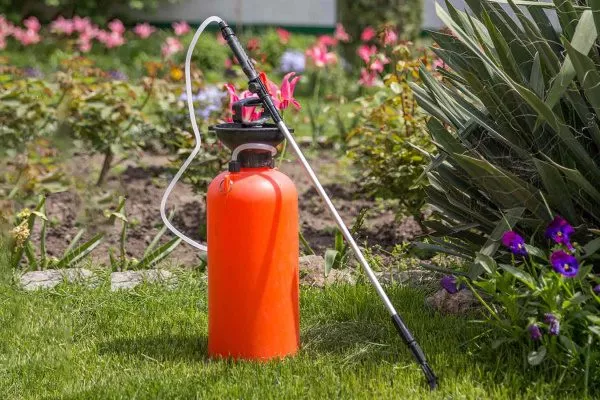
Store-bought products are more effective than traditional remedies, but they are considered harmful not only to soil and crops but also to human health. For this reason, it is recommended to wear protective equipment such as gloves, masks, and goggles when spraying certain chemicals.
The products work simply: after application, the root system and foliage die off after a period of time. The gardener simply collects the material and destroys it.
These products are not that cheap, especially when considering large areas of treatment, so it is recommended to mow the grass before using them, which will reduce the consumption of the working solution.
Herbicides are used to control weeds. They are divided into two types:
- continuous action - these are those that destroy any type of weed (they are more expensive);
- selective influence, that is, selective - preparations that affect only certain types of plants.
The most popular purchased products:
- Imazapir
- Glyphosate
- Dicamba
- Chisalofop-P-ethyl
- Metribuzin
- Lintur
- Ground
- Roundup
- Miura
- Glyphos
- Grader
- Hurricane Forte
- Agrokiller
- Tornado Extra
- Lapis lazuli
Use the preparations strictly according to the instructions, otherwise you can cause irreparable damage to crops and soil.
You can also combat wild plants with EM products: first, pour a working solution onto the area, then cover the area with thick black plastic film (agrotextile can be used instead). This process is carried out in the fall, and the cover is removed in the spring. Additionally, the soil is composted.
Mechanical methods
This is a labor-intensive and time-consuming method of weed control, but it's the safest and most effective. What does mechanical weeding involve?
- timely thinning of grass by hand;
- weeding with a hoe so that the roots can be uprooted;
- mandatory digging of the area in spring and autumn, after which the remaining weeds are collected;
- for destruction, deep digging and subsequent covering with dark material (agrofibre) is used;
- mulching the soil with wood chips and leaves;
- sowing green manure in the fall – rye, mustard, etc.
The most common weeds
There are a number of weeds that are most common in gardens across our country. These are the ones that gardeners, farmers, and summer residents must combat:
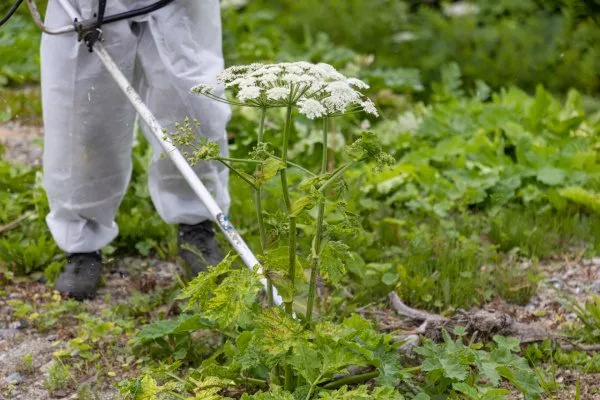
- Hogweed. It is both an annual and a perennial plant, as it comes in different species. Hogweed, despite its appetizing name, is considered toxic and even dangerous. This toxicity is why the weed is often used in folk medicine to treat various ailments.
Not all varieties are poisonous, however; only Sosnowski's, Wild, and Mantegazzi's hogweeds are poisonous. The other hogweed species (Herring, Siberian) are quite harmless. General characteristics of the plant: height – 20 to 250 cm; flowers – very small, mostly white (sometimes with pink, green, or yellow tint), borne in umbels up to 40 cm in diameter.

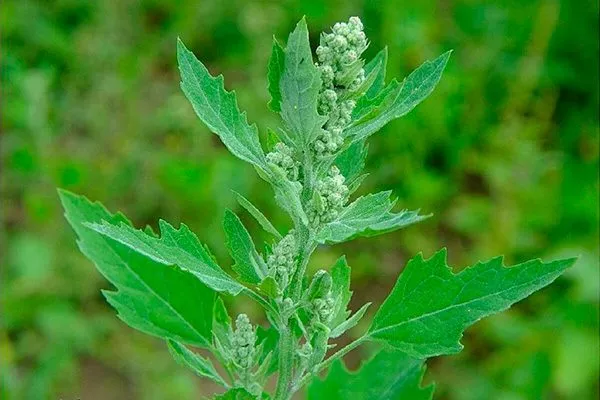
- Quinoa. Another name for this plant is common goosefoot. This weed tolerates low temperatures well, grows up to 1.50 meters tall, and is used to make decoctions and infusions. Its roots are shallow, making them easy to uproot, but the seeds fall early and abundantly, so you'll have to deal with them before flowering.
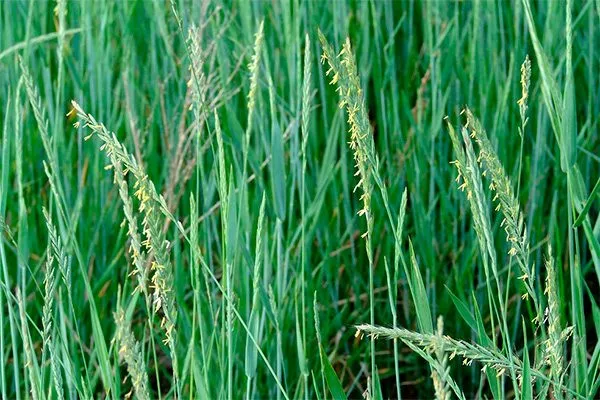
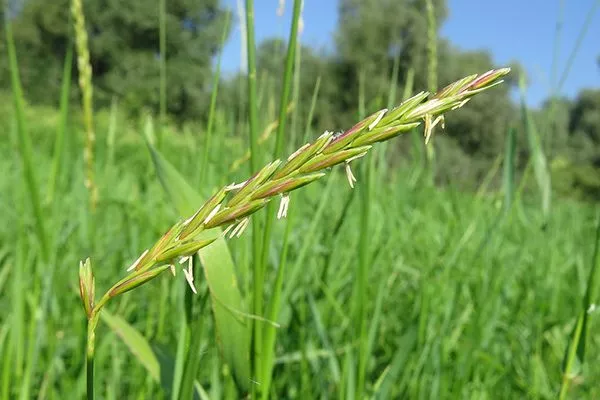
- Creeping wheatgrass. It's a perennial grass growing up to one and a half meters tall. There are many varieties—some edible, others poisonous. This genus is very resilient, so dig your garden more often and use pesticides.
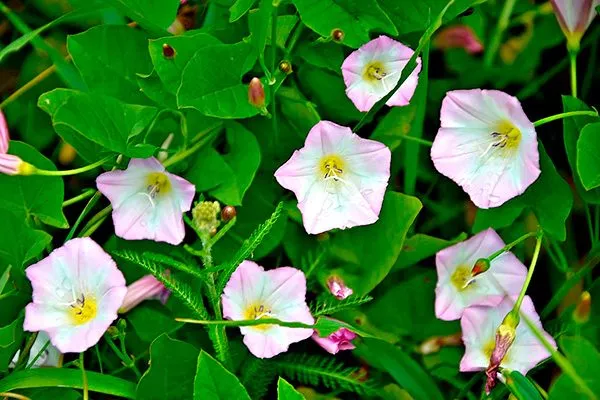
- Field bindweed. Also known as birch or dodder, it is distinguished by deep roots (up to 3 m) and rapid growth of shoots. To deplete the root system and prevent seed development, the apical portion must be completely pruned five times per season.
- ✓ The presence of volatiles on seeds to determine the method of dispersal.
- ✓ Root depth to select the removal method.
What other weeds are found in the garden?
A little less common, but still present in our gardens, are a number of other weeds. They are as follows:
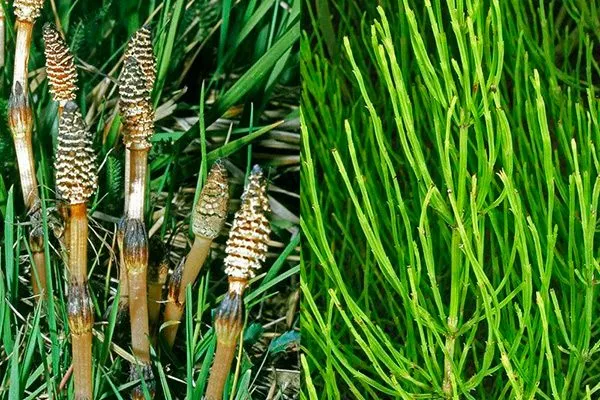
- Horsetail. Considered a medicinal plant, it is not subject to complete eradication. Other names include stilt grass and pusher grass. It is a spore-bearing perennial herb, growing up to 30-50 cm tall. It reproduces by the growth of tuberous offshoots.
It is not recommended to use chemicals for destruction, so the best option is planting green manure, digging, and weeding.
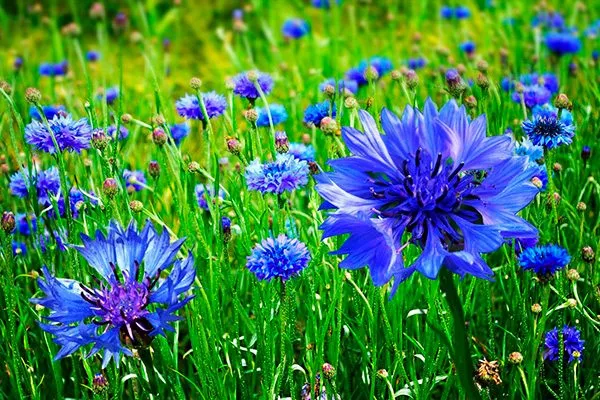
- Blue cornflower. Reproduced exclusively by seed, the plant is considered a medicinal plant and typically grows in the fall. It is a monoecious, subadult species with stems up to 1 m long. The fruits contain volutes, so the seeds are dispersed by the wind. Herbicides are used for control.
- Pigweed palmate. It's considered one of the most resilient herbs, unaffected by drought and poor soil. It reproduces by root suckers, as the plant has a very powerful root system. Slight damage to the root is enough to initiate new growth.
The weed is not afraid of chemicals and folk remedies, so it can only be removed from the beds by plowing (root depth - 25 cm).
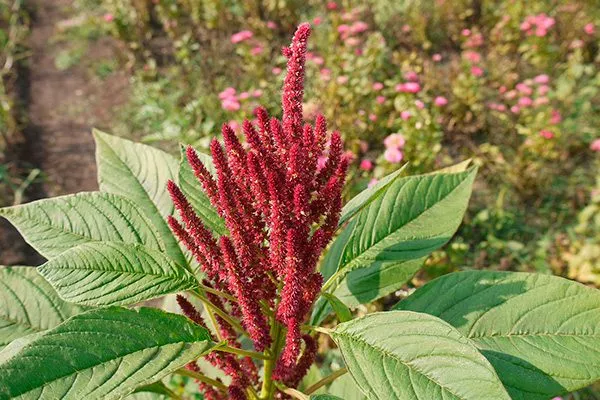
- Shchiritsa (or amaranth). This perennial herb reaches 90-100 cm in height and is propagated by seed, with a single seed once sown in the soil remaining viable for 15-20 years. Pigweed grows as a continuous carpet.
To get rid of it, weeding and digging are used, and it is necessary to spray with herbicides three times.
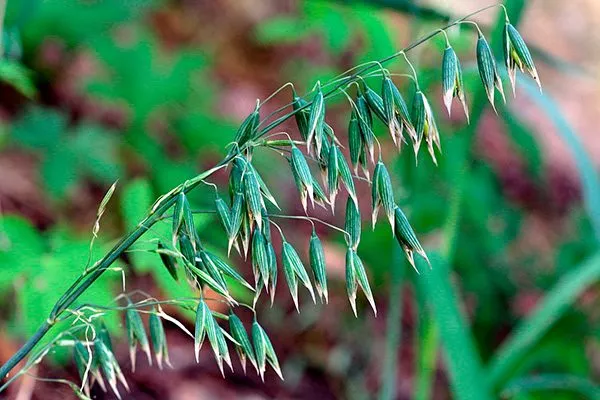
- Wild oats. Although it resembles common oats in appearance, the weed can absorb vast amounts of nutrients, ruining garden crops. Another name for this annual plant is "empty oats." Commercially available pesticides are used for control.
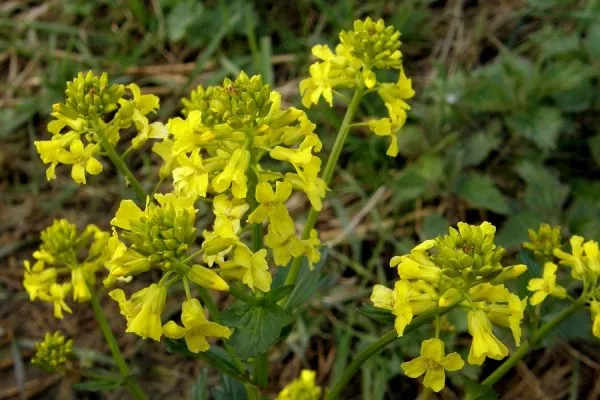
- Common rapeseed. This biennial plant has a taproot, growing to a height of 70-80 cm. It is distinguished by its yellow flowers and complex foliage. It is often used medicinally and culinarily. Propagation occurs by seed.
Herbicides are recommended for control, but only during the early stages of growth. Subsequently, mowing the tops and plowing the soil are recommended.
- Loach. This weed has a very strong root system, which extends 5-6 meters deep. It is considered a type of bindweed and is used in folk medicine. The optimal control method is dense sowing of green manure. Its distinctive feature is the numerous buds located on the root shoot. If accidentally touched, it immediately begins to grow.
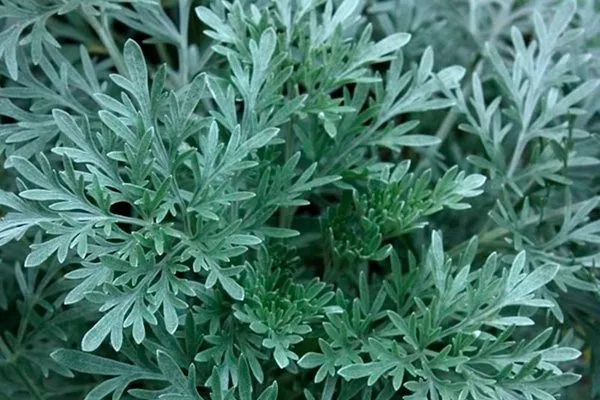
- Common wormwood. This is a medicinal perennial herb growing up to 2 meters in height. Another name is mugwort. It is controlled with herbicides.
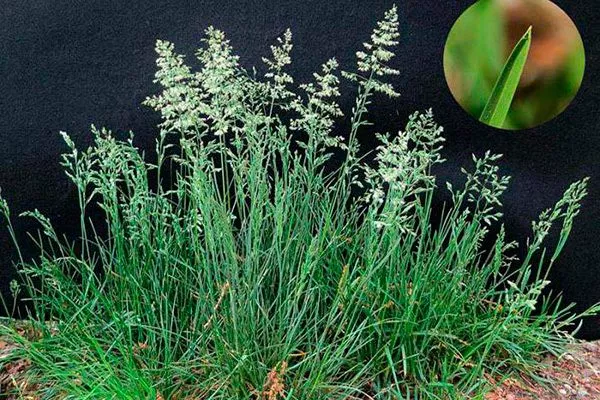
- Annual bluegrass. It's identical to lawn grass, but has distinct spots at the beginning of flowering. It prefers lowlands. It's a creeping plant, so it quickly spreads outward. Control involves using herbicides and mowing the tops of the grass, starting when young.
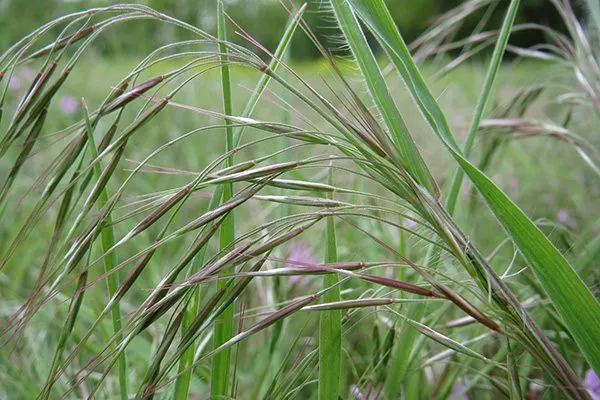
- Field fire. This noxious weed thrives in fertile soil, grows to 40-100 cm, and is an annual or biennial plant. It consists of elongated leaves and hairy spikelets, all gathered together in a single tuft. It is recommended to treat areas before sowing.
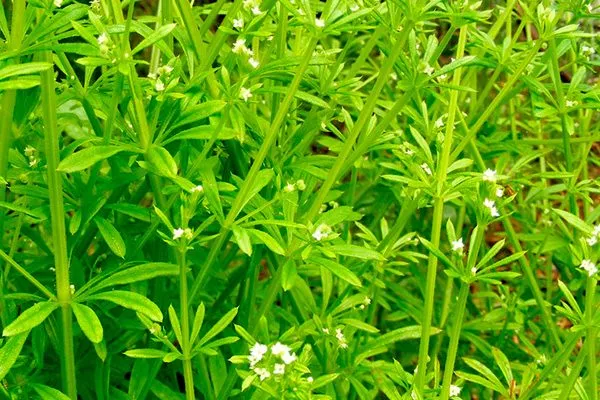
- Cleavers. This well-known plant, whose bristles easily cling to clothing and animal fur, is how it spreads. Moreover, the bush begins to develop from just one fallen petal.
It's easy to control by uprooting it, as its root system is very weak and easily pulled out of the soil. A particular characteristic of the plant is its tendency to intertwine with crops.
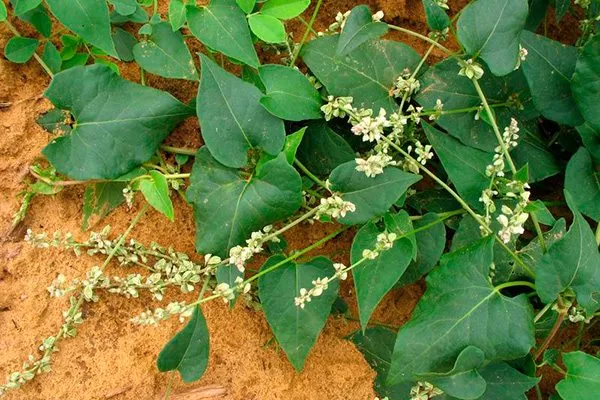
- Convolvulus knotweed. The stems of this annual plant reach up to 1 meter in length and "creep" over other plants, causing them to topple. Small flowers are collected in a single inflorescence. It is controlled with herbicides.
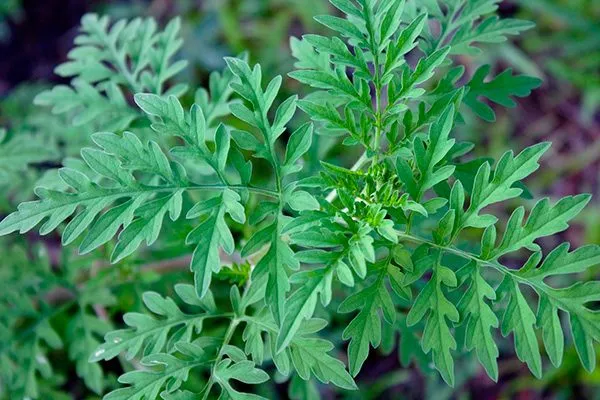
- Ambrosia wormwood. It resembles wormwood in appearance, but lacks the pungent odor. The main danger lies in soil depletion, as the weed actively absorbs nutrients. Therefore, crops near ragweed quickly dry out.
The weeds are quite tall – about 2 m – and are dangerous for humans due to their allergic reaction.
The main requirement is to mow the grass before flowering begins, otherwise the bush will actually grow. Herbicide treatments and timely mulching also help.
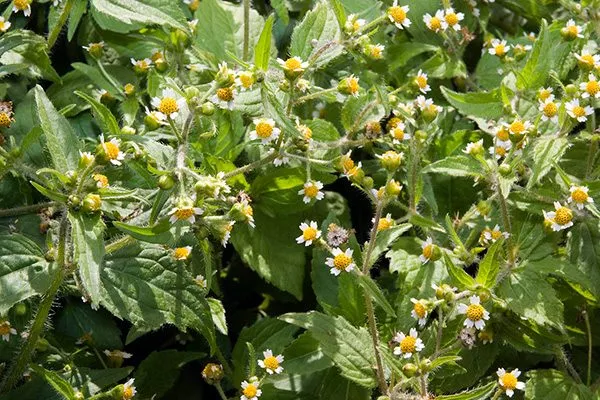
- Galinzoga tetraradiata (or Americana). It is distinguished by its spiny leaves, which range from 10 to 70 cm in height, and shortened petals (white with a yellowish tint). It is a perennial with a multi-root system, allowing it to reproduce rapidly.
Fallen seeds are very viable – they germinate even in unfavorable conditions, so it is best to plant green manure nearby, placing a layer of sawdust between the rows.
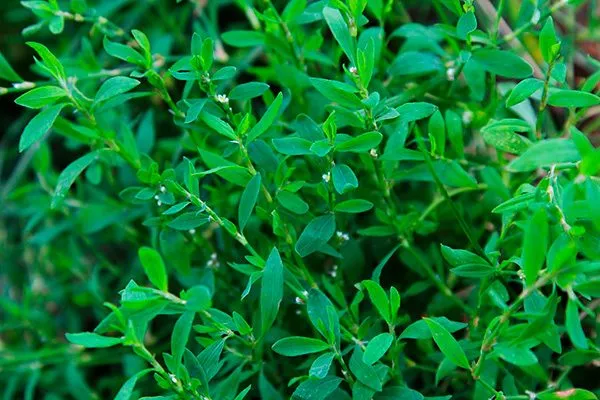
- Bird's knotweed (or knotweed). Considered a medicinal plant, it grows up to 100 cm, tolerates drought well, spreads quickly, and has a strong root system. Only herbicide treatments can help eradicate it.
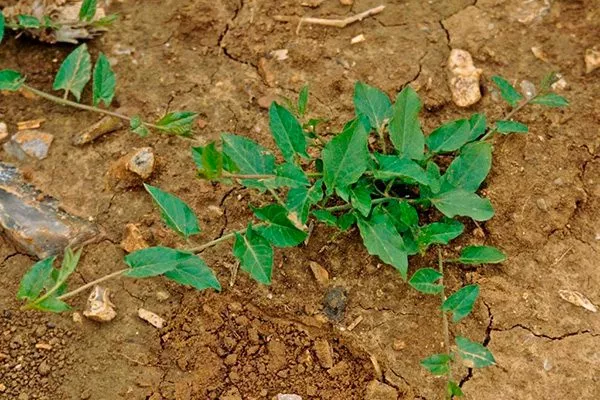
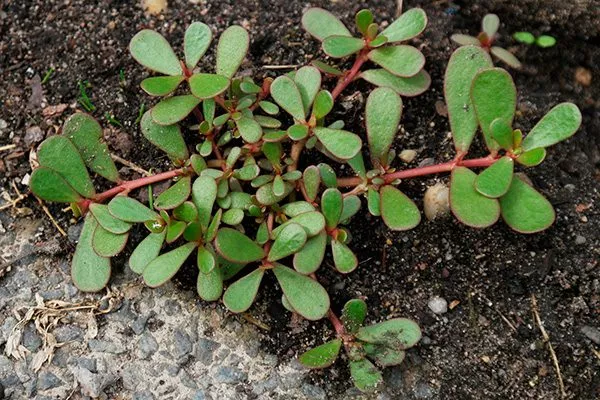
- Purslane. Characterized by reddish-brown stems and bright green leaves with a waxy coating, it produces seeds up to four times per season. It quickly adapts to any conditions. The leaves are sometimes used in salads. Control requires only powerful herbicides (Lazurit, Roundup, etc.).
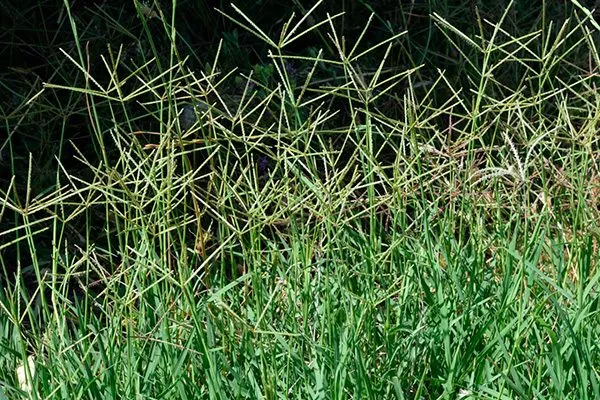
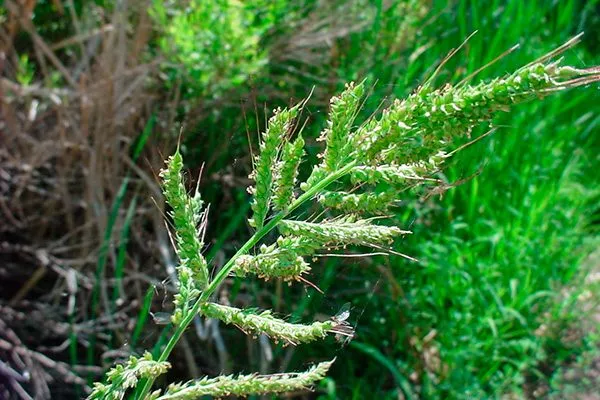
- Barnyard grass (or barnyard grass). It primarily attacks root crops and sunflowers. It grows to a height of 100-150 cm and prefers high humidity. The bush produces numerous seeds, which quickly sprout. It is difficult to control, so spraying with a pesticide and uprooting it is necessary.
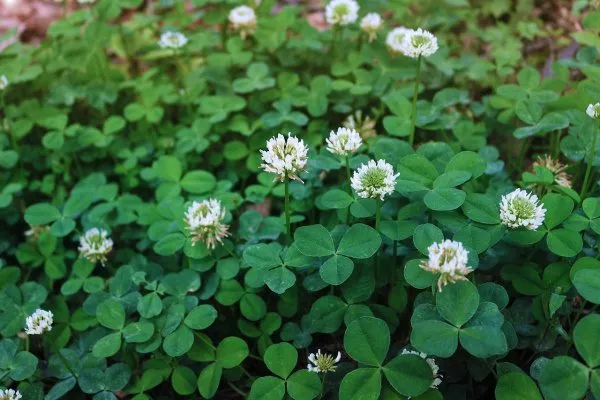
- Clover. Most often found in lawns, it dislikes high levels of nitrogen. Its shoots spread across the entire area. To remove the weed, first water the soil thoroughly, then pull the bush out by the roots.
Garden weeds of Siberia and the Urals
Cold climates also have weeds. These typically include the following species:
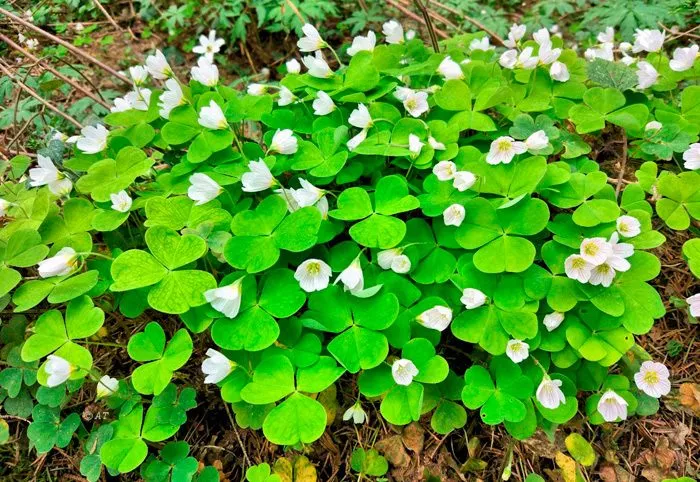
- Common wood sorrel (or cuckoo clover, or hare's cabbage). Height up to 12 cm, creeping root, perennial type, characterized by increased resistance to herbicides, so the only way to get rid of the grass is by digging and weeding.

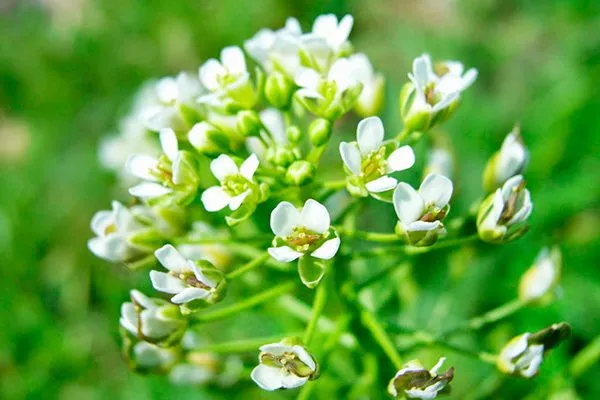
- Field pennycress. Other names include moneywort and pennywort (due to the shape of its leaves). It is a medicinal plant and a noxious weed, growing up to 40 cm tall. Its distinctive feature is that it is pest-free, as it has a garlic-like scent.
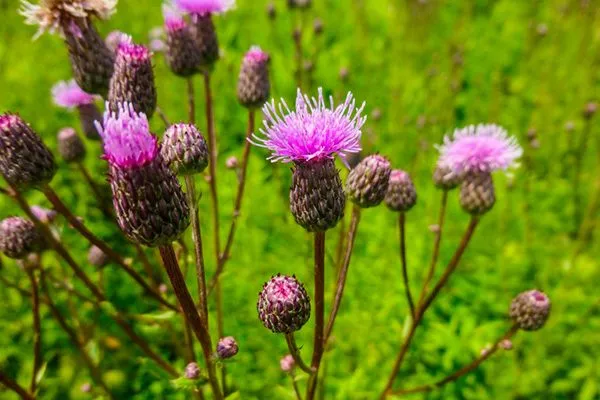
- Field thistle (or pink sow thistle). The root system extends up to 7 meters deep, making it impossible to uproot. Instead, it reproduces by seed, requiring timely mowing. The plant is especially dangerous to crops due to weevils nesting on it. It can be controlled with herbicides.
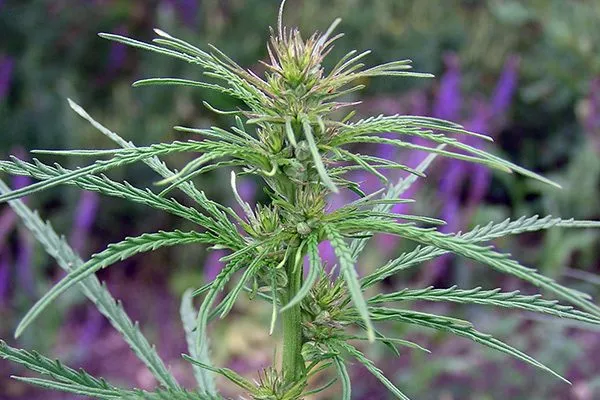
- Weed hemp. In favorable conditions, it grows up to 2-3 meters and is found only in southern Siberia. It can be controlled by tillage and weeding.
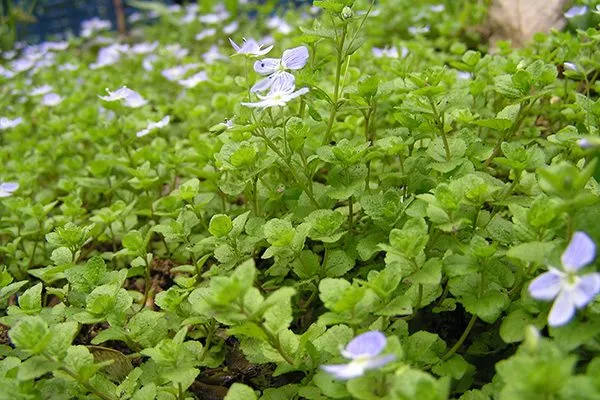
- Veronica filamentosa. Thread-like weeds quickly spread their long shoots, cluttering the entire area. They are frost-resistant but drought-sensitive. They are difficult to uproot and do not respond to pesticides after budding.
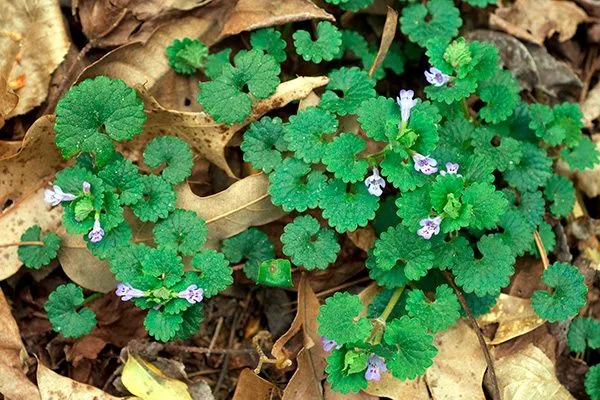
- Ground ivy (or creeping ground ivy, dog and catnip). The roots are strong but shallow; the plant is toxic to crops if present in large numbers. It is used in folk medicine. The only way to get rid of it is by digging up the roots.
Useful and edible weeds
There are a number of herbs that, while not harmful, bring many benefits (used in pharmacology and folk medicine). They are as follows:
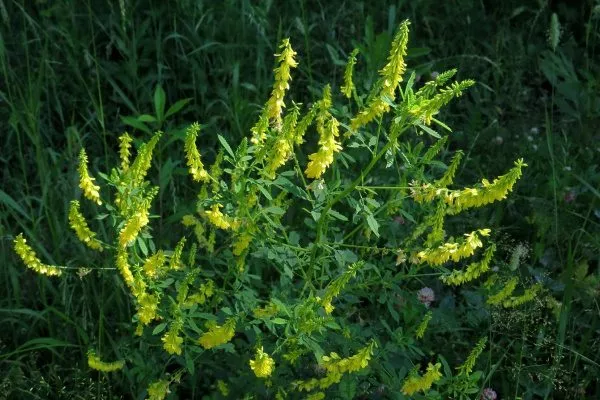
- Sweet clover. It is used to treat problems with the central nervous system, cardiovascular system, gastrointestinal tract, respiratory system, genitourinary system, and joints. It is also recommended for immune and endocrine disorders.
- Creeping wheatgrass. Most often prescribed for colds, osteochondrosis, and joint diseases.
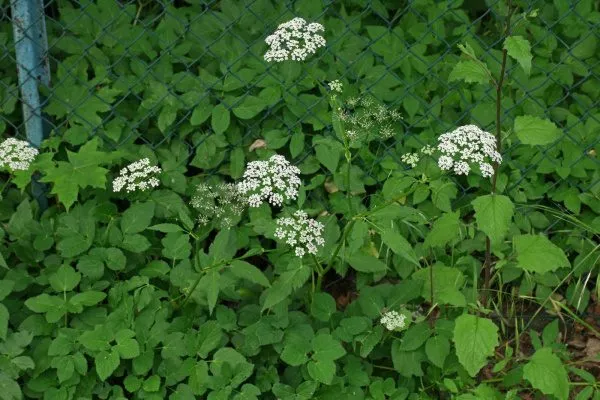
- Goutweed. It is used not only for the treatment of a wide range of diseases, but also for preparing green cabbage soup.
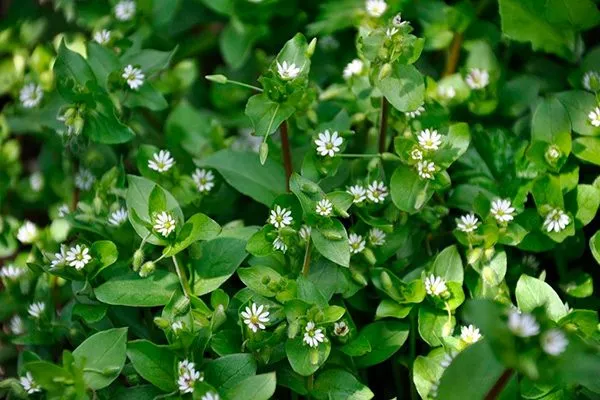
- Woodlouse (or common chickweed). It has anti-inflammatory, diuretic, choleretic, analgesic and antiseptic effects.
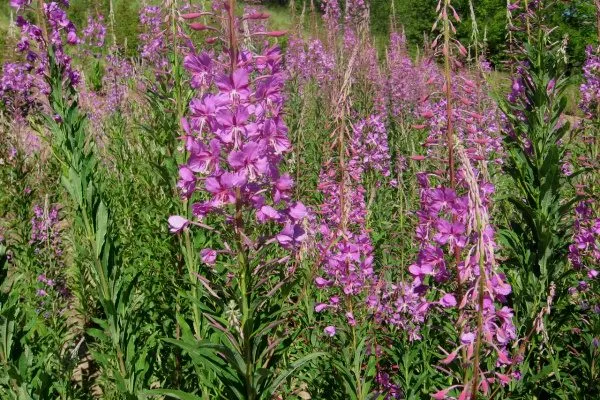
- Ivan tea. Strengthens the immune system, affects digestion, normalizes the psyche and sleep, and cleanses the body.
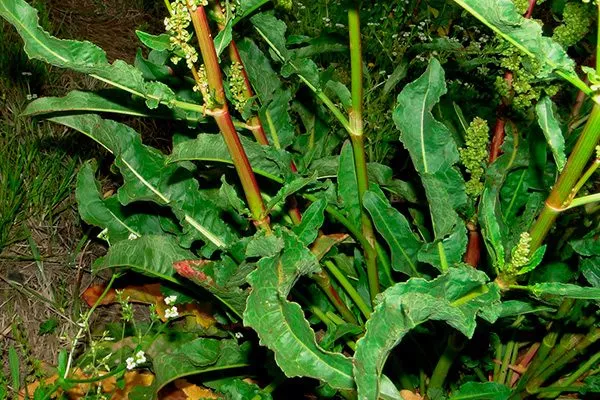
- Curly sorrel. It has an excellent effect on the stomach, suppresses the viability of worms, stops bleeding, relieves inflammation and itching.
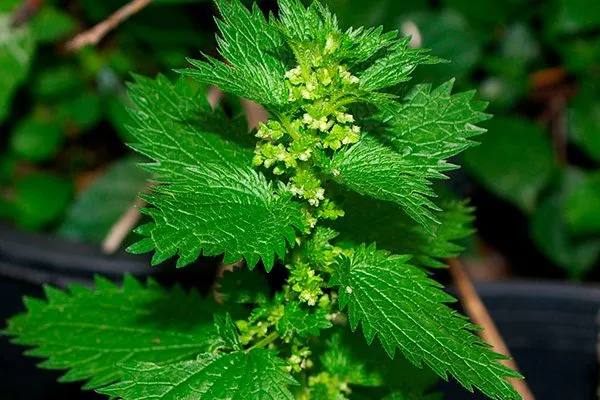
- Stinging nettle. It is used to improve blood composition, reduce inflammation, normalize fat metabolism, and treat heart disease, stomach problems, rheumatism, prostatitis, asthma, etc.
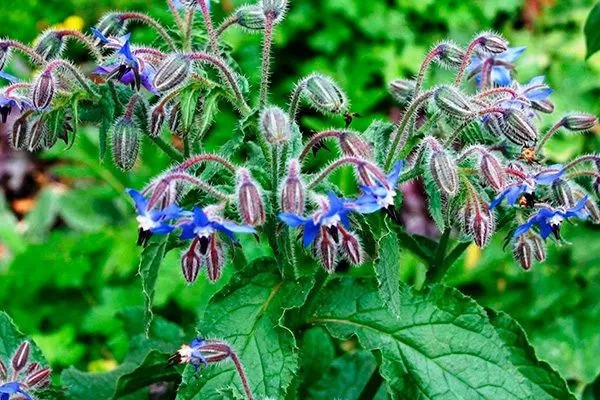
- Borage. Another name is borage, it is used in cosmetology, cooking, to eliminate inflammatory processes, and to destroy cold viruses and bacteria.
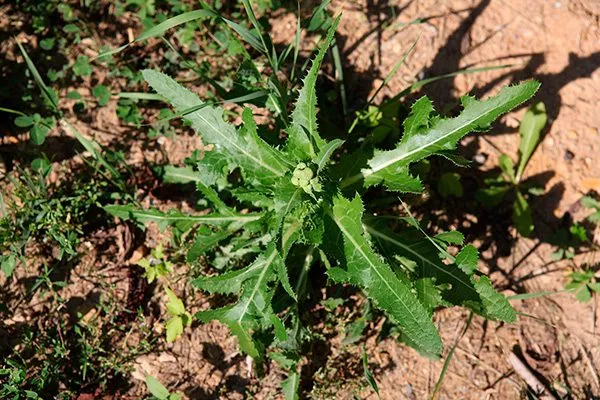
- Milkweed thistle. It has a wide range of effects, from treating the common cold to neuroses and warts.
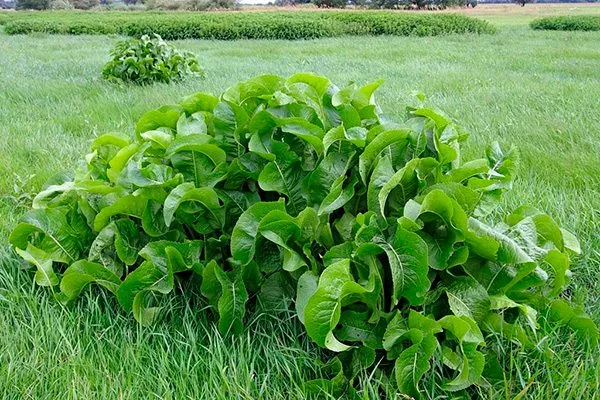
- Village horseradish. It is widely used in food. It is effective against helminths, coughs, stomach ailments, joint diseases, liver and kidney problems.
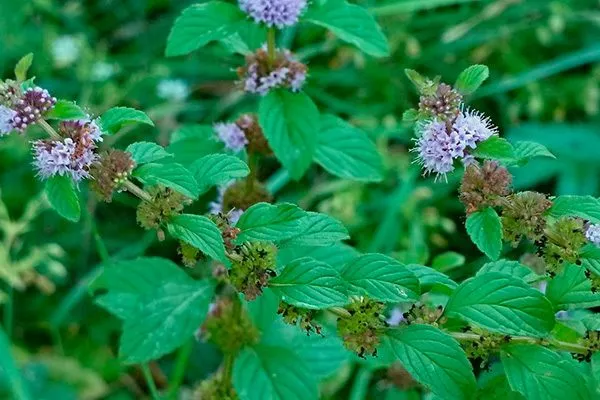
- Field mint. A good expectorant for colds, it has a disinfectant, anti-inflammatory, choleretic, sedative and analgesic effect.
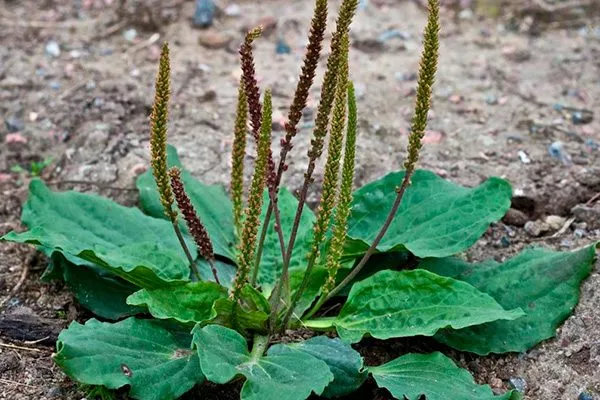
- Plantain. They treat common coughs, as well as pleurisy, tuberculosis, stomach ulcers, E. coli, gastritis, enteritis, boils, open wounds, and inflammatory processes.
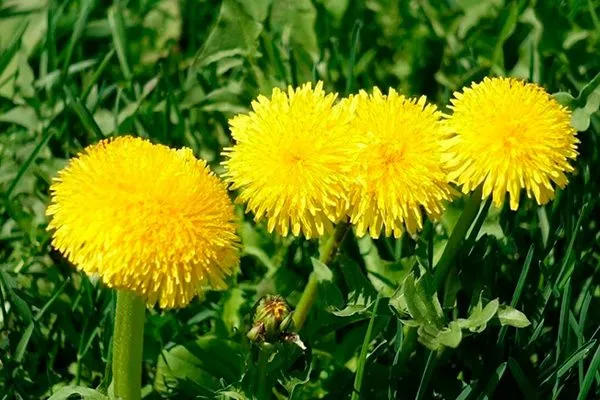
- Dandelion officinalis. It lowers blood pressure, removes cholesterol from the blood, removes harmful substances from the liver, has an antioxidant effect, normalizes sugar levels, promotes weight loss and inhibits the growth of tumor cells.
General tips for getting rid of weeds
If any weeds appear on your property, they must be removed immediately, otherwise they will quickly spread throughout the entire area. Consider a few nuances when dealing with weeds:
- If the roots are heavily branched, dig up the bush with a pitchfork, not a shovel - otherwise, you will be left with cut off shoots that will produce new growth;
- Weed until the seeds are fully formed - if they are already in the soil, it is impossible to get rid of them;
- Apply herbicides on days when rain is not expected, otherwise the procedure will be pointless;
- the weather must be calm, otherwise the liquid solutions will not reach the intended location;
- Do not water the area after treatment with preparations.
Preventive measures
To avoid weed problems, treat early, starting in early spring. This should be done when the snow melts and dry weather stabilizes. In addition to using herbicides, you can do the following:
- Immediately after digging. Cover the beds with black plastic film for about 15-20 days; this will weaken and kill the weeds. If you cover them with transparent material, the grass will quickly sprout, which is also a good idea, as you can eradicate it early in the growing season by uprooting it.
- Immediately after planting crops. Mulch the beds - it will be difficult for the grass to grow.
- If there are perennial weeds in the garden. Perform layer mulching - first, place cardboard (natural fabric, pieces of paper) on the soil, and then organic matter (leaves, mown grass, sawdust) on top.
- Mow the grass before flowers form. If it can't be uprooted, seeds won't form and there won't be any spread.
- Plant crops in bordered beds. Place slate sheets between the rows or make raised wooden fences.
- In the fall, after harvesting, plant green manure. For example, rye, which releases substances that are dangerous to weeds.
- In places with large accumulations of grass. Plant specific crops—zucchini, trailing cucumbers, and pumpkins—to prevent weeds from developing.
Controlling garden weeds is difficult, but entirely possible. To do this, purchase powerful products, use folk remedies, and most importantly, prevent their formation and spread. Strictly follow the dosage instructions—don't exceed the recommended dose, otherwise you'll destroy not only the weeds but also the soil.
A very interesting article, informative and instructive.