
High-quality fertilizer isn't cheap at farm stores. So why overpay when you can use what we throw away as fertilizer? For example, banana peels are an excellent way to improve the nutritional value of seedling soil.
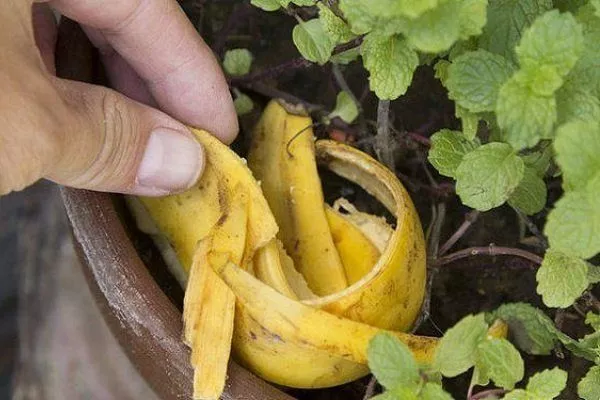
The benefits of banana peel as a fertilizer
Banana peels are worth choosing as a fertilizer, as they have many benefits.
- the peel contains calcium, magnesium, and phosphorus: these substances are necessary for the favorable growth of seedlings of fruit and indoor plants;
- Magnesium is essential for greenhouse seedlings, providing them with useful nutrition.
- The peel contains plant hormones that stimulate growth and fertility.
It makes sense to use banana fertilizer for seedlings only in combination with well-structured soil.
The main advantage of this type of fertilizer is its low cost. Its disadvantages include the release of harmful chemicals from the peels, so it is recommended to combine the fertilizer with humates, which create a barrier to nitrate penetration.
How to make fertilizer for seedlings from banana peels?
There are many recipes for using this product as a fertilizer. We'll share those that are the most popular among gardeners due to their high effectiveness.
The easiest and fastest way
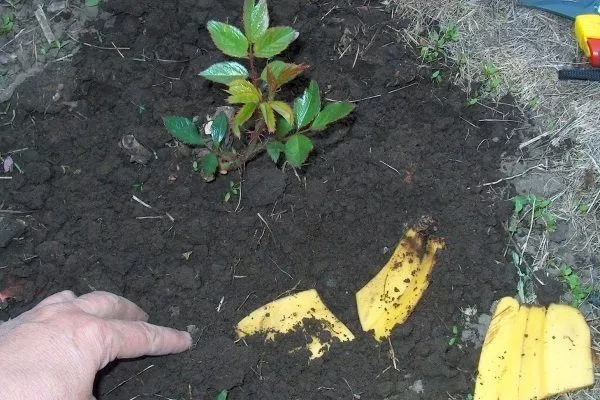
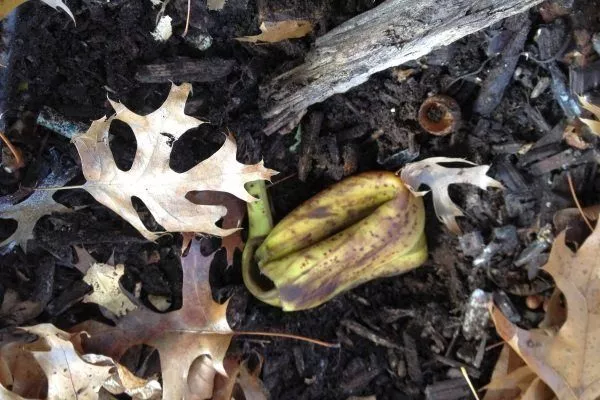
The peel should be cut into small pieces and each piece buried in the soil. Gardeners claim that even the most frail seedlings have grown after this treatment.
After 10 days, there is no trace left of this fertilizer; it is completely absorbed by bacteria.
Heat treatment
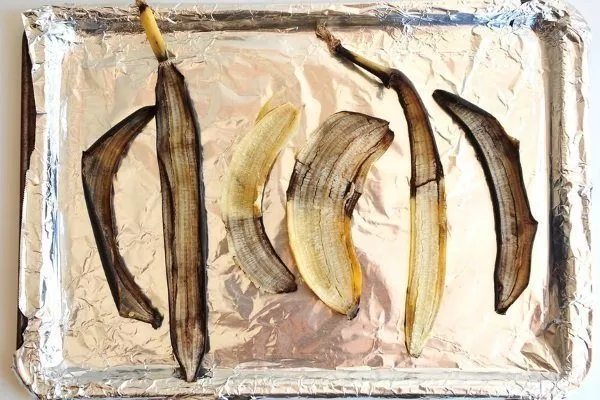
Fried banana fertilizer will greatly benefit the soil where your seedlings are growing. The preparation process involves the following steps:
- Carefully lay foil on a baking sheet.
- Place banana peels on foil. It's recommended to cut them into small pieces beforehand.
- Place the baking sheet in the oven or stove preheated to 180 degrees Celsius. You can prepare the fertilizer while baking the dish.
- In about 20-40 minutes, the skin will be fried. It needs to be cooled.
- The final step in preparing the fertilizer is to soften it with a fork or blender. Then, transfer it to an airtight bag.
Carefully add 1 tablespoon of fertilizer to the soil for each seedling. Positive results will not take long to appear.
Dry powder
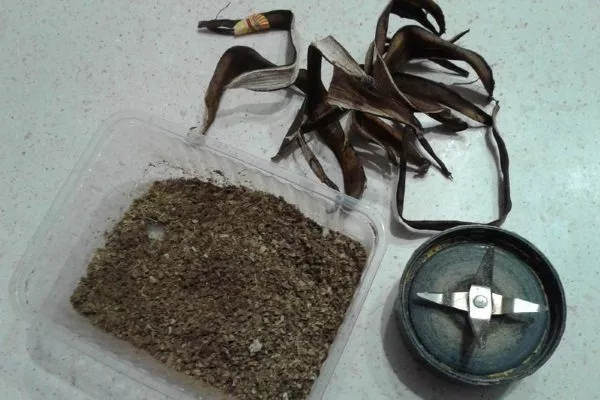
Banana peels can be used to make a powder suitable for fertilizer. The preparation process is quite time-consuming, but the fertilizer is easy to use and combine with other soil-boosting substances. The preparation process is as follows:
- The skin should be thoroughly washed and placed in sunlight or on a radiator.
- Its readiness for use will be indicated by its black or dark brown color and brittleness. Depending on the temperature, this can occur within a day or a week.
- The dried product should be ground in a blender or coffee grinder until it reaches a homogeneous consistency.
There are two options for using the powder:
- It can be sprinkled on the plant in small quantities, approximately 1-2 tablespoons per unit.
- When planting seedlings, it is permissible to mix it with soil in a ratio of 1 to 10.
After fertilizing, it is imperative to water the plant generously.
Soaking in water
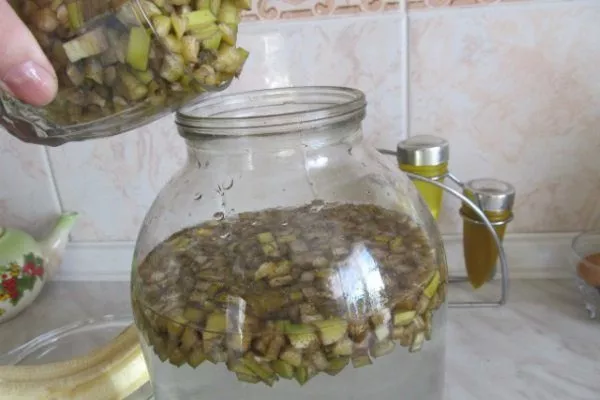
The water-soaked fertilizer method is only suitable for greenhouse seedlings that require sunlight. It's prepared as follows:
- Place the peel, cut into small pieces, on the bottom of a three-liter jar.
- Fill the container with water at room temperature and close the lid tightly.
- After two days, strain them and fill them with clean water again, but in equal proportions.
Use the resulting infusion to water the seedlings growing in the greenhouse.
Freezing
Freezing is the most reliable way to create fertilizer for long-term use. Freezing will preserve the product's nutritional value and integrity.
Throughout the year, you can collect the skins and store them in a tray in the cellar. In the summer, you can use them to make fertilizer.
Banana pulp
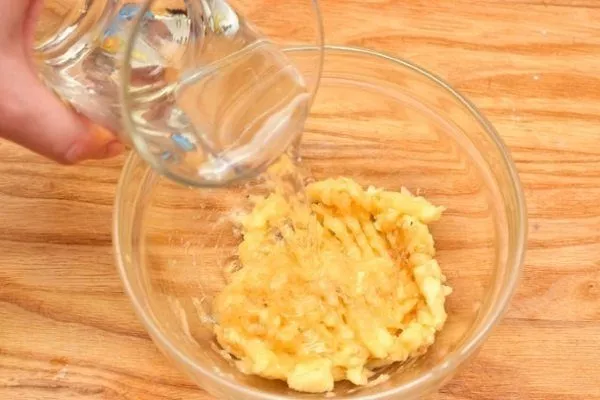
Before planting seedlings, it's recommended to enrich the soil with beneficial nutrients. Banana pulp is an excellent fertilizer option.
The method for preparing it is simple: puree the peels of several bananas with one glass of water in a blender until smooth. Place the peels on top of loosened soil where the plant will be planted.
"Cocktail"
A banana-citrus cocktail will also provide excellent nutrition for seedlings. To prepare it, you need to mix several ingredients:
- peel from one banana;
- orange zest (in equal proportions with banana peel);
- 1 tablespoon of granulated sugar.
Place all ingredients in the bottom of a three-liter jar, add water, and seal tightly with a lid. Let the infusion steep for about three weeks, after which it should be strained and re-mixed with water at a ratio of 1:20. Feed the plant with this mixture no more than once a month.
Compost
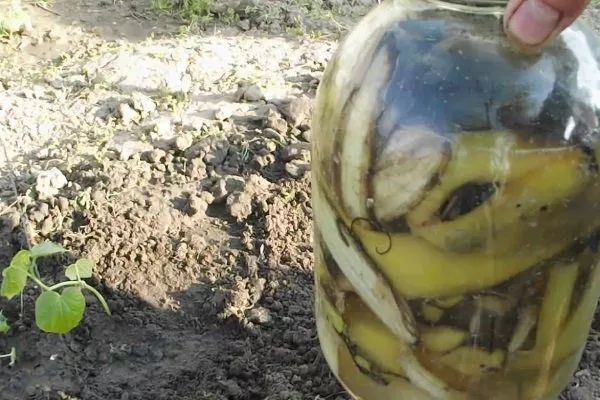
If seedlings aren't growing well at your dacha, it's because they were planted in unsuitable soil. In the spring, it needs to be supplemented with nutrients. Rich banana compost is a common source.
To prepare it you will need:
- Cut the banana peel into small pieces.
- Fill them with Baikal.
- The infusion time is 30 days.
- After a month, the mass needs to be filled with Baikal again.
In the spring, before planting, you need to fertilize the soil with compost, and then plant the seedlings in it.
Contraindications for use
Banana peels aren't exactly a harmless fertilizer for seedlings. They'll only produce positive results if used in moderation. Typically, you should apply this fertilizer no more than once a month, or better yet, once a season before planting. If you overfeed the plant, its leaves will develop a characteristic yellow tint and look depressed.
Before use, be sure to rinse the banana with running water to remove any external contaminants.
Regarding general contraindications, it's impossible to predict how a plant will respond to such a fertilizer. The final result depends on two factors:
- plant type;
- soil type.
- ✓ Consider the type of plant and its nutrient needs.
- ✓ Assess the condition of the soil before choosing a fertilization method.
Only through trial and error can a gardener determine whether this type of fertilizer is suitable for them. According to many gardeners, banana fertilizer has an excellent effect on seedling growth.
Bananas are a delicious and nutritious fruit, a favorite of millions of children and adults. Don't rush to throw away the peels—they make excellent fertilizer for seedlings. Every gardener can experiment to find the best recipe for themselves.