
Candied carrots are an ideal choice for both beginner and experienced gardeners. Their excellent taste, ease of growing, and versatility make them ideal for a variety of culinary experiments. With proper care, they can grow large vegetables and achieve high yields.
Introduction to the variety
This new variety was introduced in 2022. It is a cross between the Berlikum and Nantskaya varieties. The Tsukat carrot has a wide range of uses and is popular among gardeners due to its excellent varietal qualities.
Characteristics of the appearance of the plant and root crops
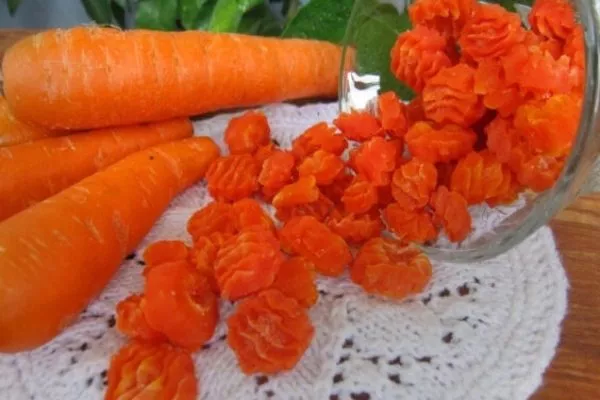
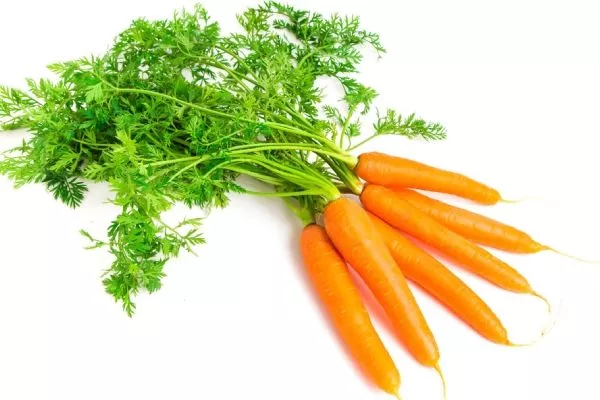
The candied fruit is distinguished by its spreading rosette of leaves. They are finely dissected, green, and medium-length. The roots are long, spindle-shaped, tapering slightly and have a pointed base.
They weigh between 118 and 160 grams, and reach up to 25 cm in length. The surface of the root is slightly ribbed. The flesh is juicy and tender, and the flavor is rated as good to excellent.

Purpose and taste of tubers
Candied carrots are distinguished not only by their excellent taste but also by their wide variety of uses. They are an ideal choice for a variety of dishes. Their sweet flavor is especially prized, making them suitable for both raw and cooked consumption.
It is used:
- As part of fresh salads or simply as a healthy snack.
- They are boiled, stewed or baked in the oven, adding to various side dishes or meat dishes.
- They are preserved, preserving their beneficial properties for a long time.
- Freeze for long-term storage without loss of flavor and nutrients.
- For producing bunches of thyme. Compact, tasty bunches are used as garnishes or in cooking.
Growing and care
Growing candied carrots is a fascinating process that requires specific knowledge and care. Key aspects of cultivating the crop:
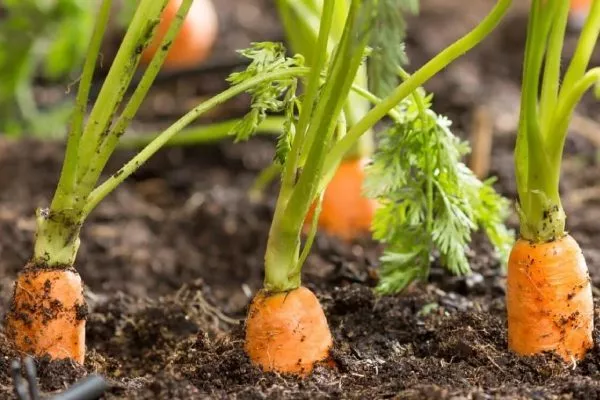
- Prefers loose, well-drained soil with a neutral pH. Sow seeds in deep (10-15 cm) and well-loosened beds. Place them at a depth of about 1-2 cm and leave about 5-7 cm between plants.
- Choose a sunny location, but the plant can also grow in partial shade. The soil should be rich in organic matter and free of stones to ensure even, undamaged root development.
- Keep the soil moist during germination and early growth to promote root formation. Afterward, provide moderate irrigation to prevent root rot. Water carrots regularly, especially during dry periods.
- Plants require additional nutrients, especially nitrogen, phosphorus, and potassium. Apply fertilizer before planting and during active growth, following the instructions on the packaging.
- Regularly loosen the soil around the plants to allow air to reach the roots and prevent weed growth. Weed the area to remove weeds that may compete with the carrots for nutrients and moisture.
Reviews
The Tsukat carrot is a member of the root vegetable family, gaining popularity due to its excellent taste, disease resistance, and versatility. This hybrid variety combines the best characteristics. With proper care, it rewards with generous harvests and large fruits.