
Dill Vladyka is a variety that has deservedly earned its popularity among gardeners and herb lovers. Its excellent taste, aroma, and excellent yield make it the best choice for those seeking a high-quality harvest without extra effort. With proper care, the plant will remain disease-free and pest-free.
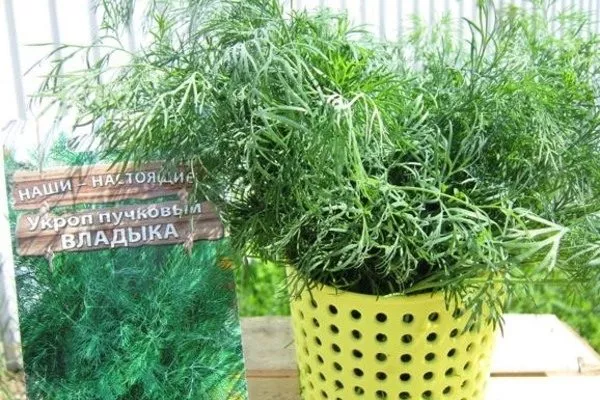
Description of dill Vladyka
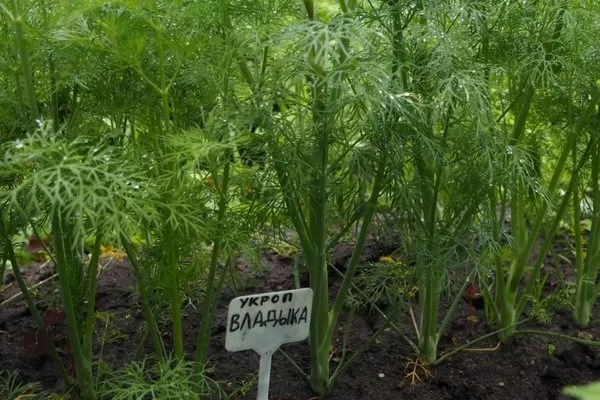
The bushes of this variety have moderate growth vigor. Distinguishing features of the culture:
- dimensions – the height of the bush in the flowering phase reaches 90-100 cm;
- weight - when cut for greens it weighs up to 35 g, and when harvested for spices – up to 140 g;
- main stem – dark green in color with a noticeable bluish tint and a pronounced waxy coating, formation occurs slowly;
- leaves - green, elongated, with deep dissections and a diamond shape, collected in a wide basal rosette;
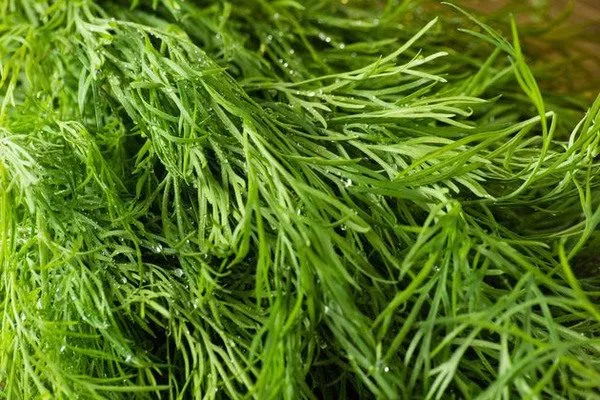
- umbrellas – large and convex, the largest located in the center;
- number of rays – average.
Characteristics
The Vladyka bunch dill variety adapts well to any soil type. Despite its compact size, it produces abundant greens, significantly outperforming many other popular varieties.
History and regions
The crop was developed by Russian breeders E.E. Kandoba and A.V. Kandoba. After extensive testing, it was included in the State Register in 2015.
Today, Vladyka dill is widespread throughout the country and is successfully grown in a wide variety of climates. It is popular in the following regions:
- Central Black Earth;
- Northern;
- North-West;
- Volga-Vyatka.
The variety is cultivated in the Central Federal District, as well as in the North Caucasus, the Middle and Lower Volga regions, the Urals, Siberia and the Far East.
Productivity and ripening time
This variety is mid-season. It takes 65-70 days from germination to umbel formation, allowing for harvesting in July-August.
Based on numerous tests, Vladyka is recognized as one of the most productive dill varieties available today. This result is achieved through repeated harvesting—up to 4-5 times per season. On average, 1 square meter yields:
- on the greens – 2.3-3 kg;
- for spices – 4-4.5 kg.
Purpose and taste
Dill is characterized by its exceptional tenderness and rich, spicy aroma. It complements the following dishes perfectly:
- boiled young potatoes;
- soups;
- borscht;
- meat dishes;
- light salads, etc.
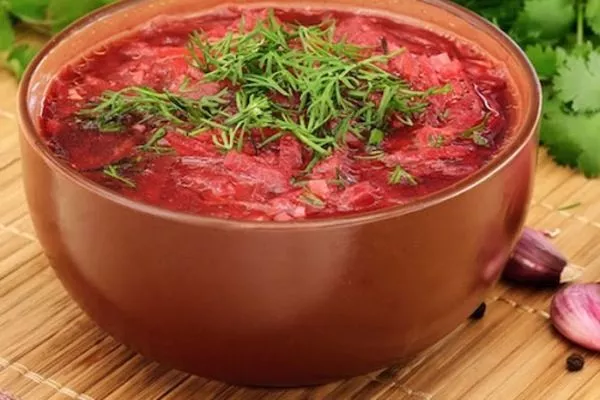
Preserved spices retain their flavor and aroma even after long-term storage, bringing a touch of summer to the cold winter months. These herbs dry and freeze well, and retain their flavor for a very long time after being frozen.
Sustainability
The surface of the leaves and stems of Vladika dill is covered with a thin waxy film that prevents moisture accumulation. This property contributes to the plant's high resistance to diseases and pests, which thrive in excess moisture.
Planting dill Vladyka
Before sowing seeds, prepare the beds and enrich the soil with humus or compost. When choosing a site, keep in mind that dill grows poorly in acidic soils and can die from stagnant moisture. It is not recommended to plant dill in areas where parsley or carrots were previously grown or are currently grown. Read on for all the intricacies of planting dill. Here.
Soil requirements
When growing Vladyka dill outdoors, choose a well-lit area. Although the plant can grow in partial shade, it produces a more abundant, richly colored foliage in full sun.
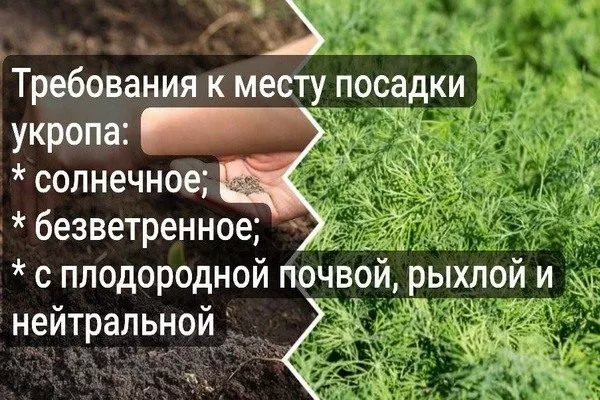
The crop thrives in loose, neutral, well-drained, and permeable soils. Dill doesn't require high fertility—it thrives on the nutrients left over from previous vegetables, with the exception of celery.
It’s best to prepare the beds in the fall: 1-2 weeks before the first frost, dig up the soil and add fertilizer:
- organic matter (humus or compost) – 10 kg per 1 sq. m;
- Superphosphate – 40 g per same area;
- potassium salt – 20 y.
Seed preparation
When sowing dill in the fall, use dry seeds—they don't need to germinate in the fall, and they'll absorb enough moisture from the soil in the spring. For spring and summer sowing, prepare the planting material in advance to speed up germination.
Start the activity about six days before sowing:
- Wrap the seeds in gauze or thin cloth and soak in hot water (about 50°C) for three days, changing the water at least 5 times a day.
- Place them on a damp cloth, lightly sprinkle with damp sawdust and leave for 4 days at a temperature of +20°C.
- Dry the seeds and start sowing.
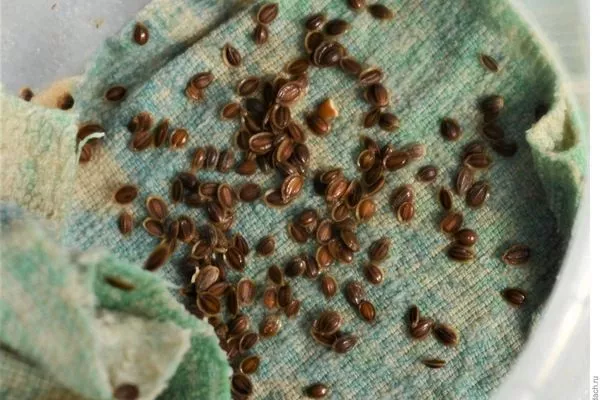
For additional treatment, use 3% hydrogen peroxide – it accelerates germination, disinfects seed material, strengthens plant immunity, and increases resistance to temperature fluctuations.
Follow these steps:
- Dilute 20 ml of peroxide in 500 ml of water.
- Place the seeds wrapped in cloth into the solution.
- Leave on for 12 hours, changing the product every 4-6 hours.
Thanks to this preparation, dill produces uniform shoots in just 5-6 days, and proper planting ensures active plant development and a bountiful harvest.
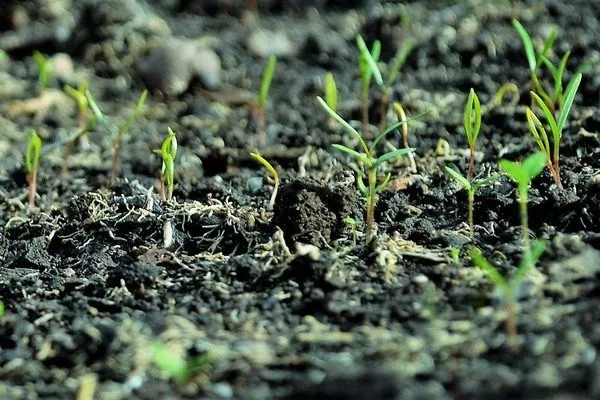
Features of sowing
Helpful tips:
- Winter crops should also be processed in early spring using the same harrows, and at the same time, nitrogen fertilizers should be applied at a rate of 60 kg per 1 ha.
- If a soil crust forms on the surface, remove it by sprinkling or rolling with ring-and-spur rollers. However, the former method is preferable, as a lack of moisture delays the emergence of marketable greens and reduces productivity.
- To obtain an earlier harvest and increase the volume of dill, cover the crops with non-woven material or slit film - it has longitudinal cuts 20 mm long, placed in a checkerboard pattern at intervals of 8 mm.
Winter sowing of dill
Sowing Vladyka dill before winter is quite simple—even beginners can do it. Place dry seeds in open ground in late autumn, before frost sets in. There's no exact time for this—the main thing is to complete the work before the cold weather sets in. In the spring, the seedlings will be among the first to emerge, providing an early harvest of greens.
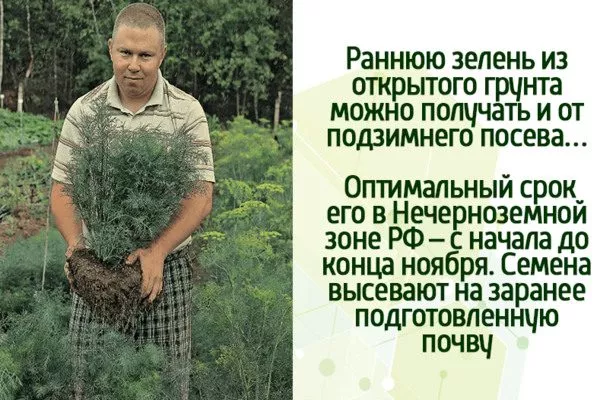
To speed up germination and increase the volume of dill, consider a few rules:
- plant the seeds a little deeper than when sowing in spring – 3-3.5 cm;
- increase the consumption rate of planting material by 25%;
- After sowing, mulch the beds with loose material – this helps retain moisture and protect the seeds from frost.
Growing on a windowsill
In winter, dill Vladyka can be cultivate at home, although energy savings in this case are unlikely, as additional lighting will offset the benefits of forcing on your own. Nevertheless, for those who want to get fresh, nitrate-free greens in cold weather, this is a perfectly feasible goal.
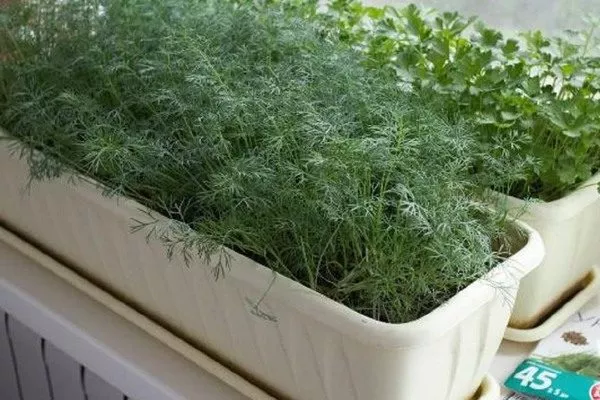
Basic requirements:
- Use a deep container with potting mix (any fertile, but not acidic soil) and drainage. Sow the seeds directly into the permanent location as directed. To speed up germination, soak them first.
- Sow dill for forcing indoors at any time. Although growth slows during winter, no additional fertilizer is required. Overfeeding can harm the plant, so fertilize no more than once every six weeks using a liquid, complex fertilizer.
- A light green color indicates a lack of light in winter. To ensure adequate light, install grow lights or regular fluorescent lamps 50-60 cm away from the dill.
Caring for dill Vladyka
Careful care of the crop guarantees a high-quality harvest, as this variety, like others, requires optimal conditions for growth and development. Regular watering, moderate fertilizing, and timely weeding help the plant develop fully. Standard agricultural practices are also important.
Watering and loosening
These are essential procedures for producing lush and fragrant greens. Follow these recommendations:
- Dill thrives on moisture, so water it every 2-3 days, especially in hot weather. Dry weather can cause the leaves to become coarse and less fragrant. Use 5-6 liters of water per square meter. Water in the morning or evening, away from the scorching sun.
- Use settled, warm water, as cold water inhibits growth and can cause yellowing of the leaves. Water the plant at the root or in furrows to avoid damaging the tender foliage. After emergence, apply a light sprinkler.
What to feed?
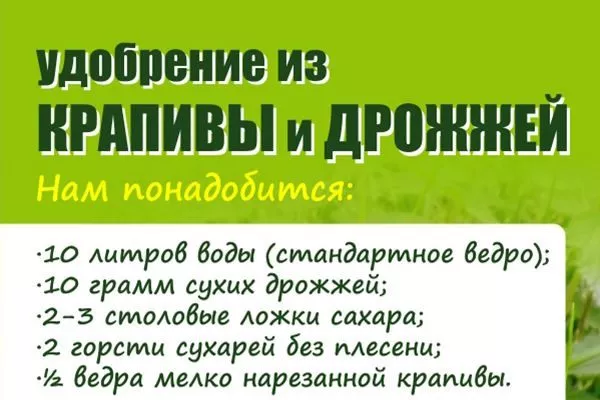
Vladyka responds well to fertilization, but excessive nitrogen fertilizers can accumulate nitrates to harmful levels, so use natural supplements. One safe option is fermented nettle infusion.
How to cook:
- Fill the cut plants with water almost to the edge.
- Let it brew for 5 days.
This fertilizer stimulates active plant growth and imparts a rich emerald hue to the foliage. To enhance its effectiveness, add yeast. Another benefit: nettle infusion helps combat aphids.
Harvesting dill
Harvest the plants for greens when they reach a height of at least 20 cm, as this affects the yield and flavor of the produce. Maximum aroma and productivity are achieved at the inflorescence stage, when the plants reach a height of 25-30 cm.
Basic requirements:
- Start the event in dry weather, avoiding dew, early in the morning or in the evening.
- Cut or remove the greens by the roots, then tie them into bundles and lay them on the ground, covering them lightly. This allows the produce to cool before selling.
Dill greens quickly lose their marketable appearance, so store them at a temperature of +12-18°C and humidity of 85-90% for no more than 36 hours, or at +1-3°C and 90-95% humidity for up to 5 days.
To harvest the plants for spices, cut them when they are in full bloom. Bundle the plants into 5-6 kg bundles and store them in a clean, well-ventilated area at 0-12°C and humidity no higher than 85% for up to 2 days.
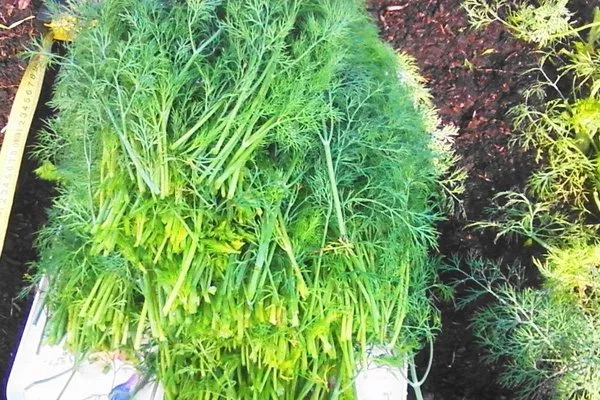
To improve shelf life, pack the herbs in airtight 200g bags and store at 0-3°C. This way, the dill will stay beautiful and fragrant for up to 30 days.
Diseases and pests
The Vladyka is characterized by a strong immune system—he rarely gets sick and is practically immune to insect attacks. However, it's impossible to completely rule out the possibility of developing problems.
The culture may suffer under unfavorable conditions or improper care:
- Powdery mildew - It manifests as a white or grayish coating on leaves and stems. For prevention, treat plants with a potassium permanganate solution twice a month. At the first signs of the disease, use a mixture of mustard powder and water or diluted kefir (1:10).
- Fusarium - Plants begin to quickly turn yellow and wilt. To prevent the disease, disinfect seeds before planting and regularly water the beds with a weak solution of potassium permanganate. Immediately pull out and destroy affected bushes.
- Fomoz - The disease is accompanied by brown spots. As a preventative measure, spray the area with a Fundazol solution before planting. The disease is virtually untreatable, so remove affected plants from the soil and destroy them.
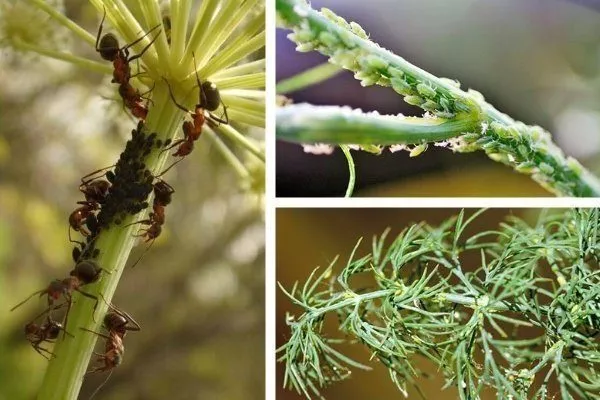
Among pests, aphids and dill moths pose the greatest threat. To control them, use insecticides such as Fitoverm or Bitoxibacillin.
Comparison with other varieties of dill
When choosing a plant for planting, there are a few things to consider. Below are the main differences between Vladika and other varieties:
- Early maturity. Unlike early varieties, such as Gribovsky, Vladyka dill produces greens 7-10 days later.
- Disease resistance. Vladyka has a higher resistance to powdery mildew compared to the Candid and Letniy varieties, which increases the likelihood of a good harvest.
- Aroma. Compared to the popular Super variety, Vladyka dill has a richer and more pronounced aroma, making it preferable for cooking.
- Greenery output. From 1 square meter it is possible to collect 2-3 kg, which exceeds the results of the Amir and Zolotoy varieties, which yield 1.5-2 kg.
Pros and cons
Advantages:
Judging by numerous reviews from gardeners, this variety has virtually no drawbacks. The only drawback is the short shelf life of the fresh greens.
Reviews
Dill "Vladyka" is one of the most popular and sought-after varieties, renowned for its excellent flavor. It is characterized by high yields, requires little care, and is resistant to most diseases. Its rich green color and spicy aroma make it ideal for use in a variety of dishes.