
Salute is the name of a late-ripening variety of bush dill prized for its excellent flavor and rich aroma, as well as its resistance to disease, pests, and adverse weather conditions. Repeated harvesting and rapid growth allow gardeners to reap a bountiful harvest of this herb.
Description of the variety
Plants of this variety have the appearance of a bush with a strong and well-developed rosette of leaves. They have the following external characteristics:
- height - 1 m (during flowering, the “growth” of dill can reach 1.5 m);
- stems: erect, strong, with internodes that are located close to each other;
- good foliage;
- 2-3 dozen large, long-petioled leaves: dark green with a bluish tint, deeply dissected, reaching a length of 30 cm and a width of 30-35 cm, covered with a light waxy coating.
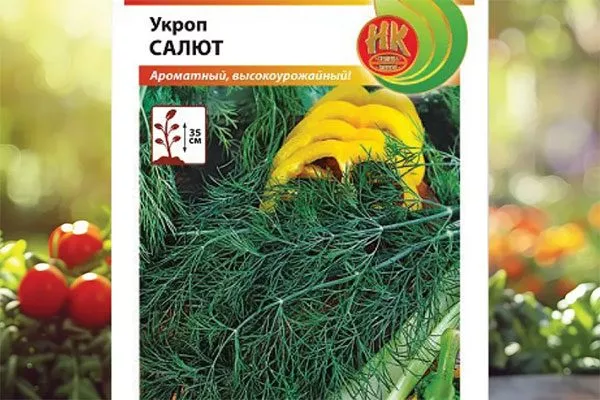
The color of Salute dill grown in shade with little watering differs from that of dill that receives adequate light and moisture. Under unfavorable growing conditions, the foliage appears faded.
Characteristics
This green crop variety owes its origins in 1996 to a group of Russian breeders. It was developed by scientists M. Kh. Girenko, E. M. Khomyakova, Yu. P. Shevchenko, and M. M. Tsiunel, who imbued it with many excellent qualities.
Ripening time and yield
Salute is a late-ripening and highly productive dill variety. The ripening period for this herb is as follows:
- 60 days - from sowing to the first cutting of stems;
- 35-45 days - from germination to technical maturity.
Gardeners begin harvesting leaf litter in June and umbels at the end of the summer season. They often replant to ensure they can continue harvesting aromatic plants in the fall.
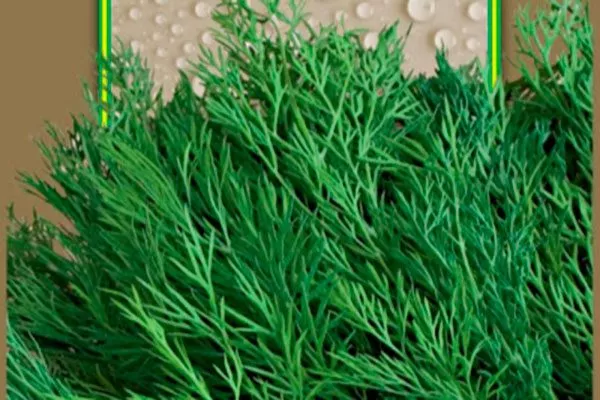
Salute pleases domestic gardeners and farmers growing vegetables for sale with its good yield. Its performance indicators are as follows:
- 2.8 kg per 1 sq. m – average productivity;
- 4.5-4.7 kg per 1 sq. m is the maximum amount of greenery that can be obtained when growing the crop in favorable conditions and with proper care;
- One dill bush in a garden bed produces at least 200 g of foliage.
| Indicator | Meaning | Conditions for achievement |
|---|---|---|
| First cut | 60 days | At a temperature of +15-20°C |
| Technical maturity | 35-45 days | Optimum soil moisture |
| Average yield | 2.8 kg/m² | Standard agricultural technology |
| Maximum yield | 4.5-4.7 kg/m² | Intensive fertilizing + drip irrigation |
| Exit from the bush | 200-250 g | The distance between plants is 15 cm |
Taste and uses
The greens have excellent tasting qualities. They have a delicate texture, juiciness, a slightly sweet flavor without bitterness, but with spicy notes, and a rich dill aroma. They retain their freshness for a long time after being cut.
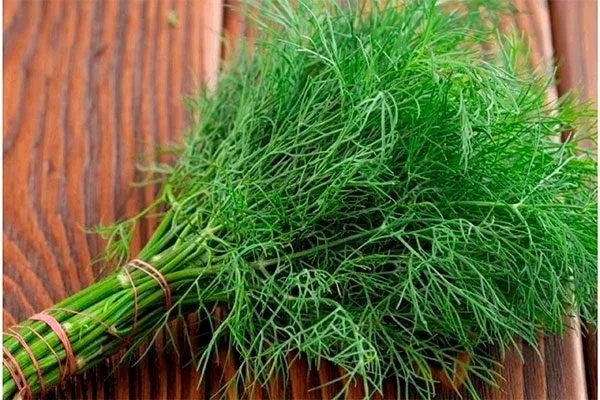
The harvest has versatile uses. It's widely used in cooking. Housewives add it fresh to first and second courses, salads, baked goods, and winter preserves. It's also used as a flavoring and preservative, and as an ingredient in sauces and marinades. It's also used as a seasoning for fish and meat, dried, and frozen.
Herbs aren't just for home cooking. They've also found their way into other areas of life, such as:
- cosmetology (dill juice removes freckles and lightens age spots; in combination with honey, it nourishes, tones and rejuvenates facial skin, and increases collagen production);
- folk medicine (Decoctions, infusions, tinctures, and essential oils are made from various parts of plants—natural remedies for strengthening the immune system, relieving anxiety, and treating hypertension, flatulence, and stomach colic in children).
Useful properties of dill
The green crop is famous for its many healing properties, due to the high content of substances beneficial to human health in its stems, leaves and roots:
- vitamins C, A, group B (B1, B2, B9), E, PP;
- pectin;
- polysaccharides;
- organic compounds such as limonene, carvone, anetofuran;
- phytoncides;
- flavonoids;
- organic acids;
- fatty and essential oils;
- minerals (iron, potassium, calcium, zinc, phosphorus, manganese, etc.).
The plant has diuretic, carminative, antispasmodic, anti-inflammatory, and sedative effects. Eating it helps strengthen the immune system. It has the following beneficial effects:
- improves appetite;
- stimulates the production of bile and gastric juice;
- reduces gas formation in the intestines, helps with bloating;
- relieves nervous tension and irritability;
- relieves insomnia;
- promotes wound healing;
- removes excess fluid from the body, relieves swelling;
- normalizes metabolism;
- strengthens bone tissue;
- facilitates the flow of menstruation, relieves pain, normalizes the cycle;
- makes the walls of blood vessels stronger and more elastic.
The influence of external factors on growth
The development process is directly dependent on the environment in which it is cultivated. Among the conditions that have the greatest impact on the growth and development of vegetative mass, one can see:
- Air temperatureSalute dill seeds germinate at temperatures above 8°C. In consistently warm weather (15-16°C), the plants grow well and quickly in the garden.
Cold, heat, and sudden temperature fluctuations have a negative impact on the crop. These factors weaken its immunity, slow growth, and deteriorate the condition of the bushes. - LightingDill prefers sunny areas with plenty of filtered light. It can also be grown in light shade. The optimal daylight hours are 12-14 hours.
A lack of sun can lead to reduced yields and a deterioration in the appearance and flavor of herbs. Excessive sun exposure is also detrimental to the crop. Under such conditions, the leaves dry out and turn yellow. - HumidityProper watering ensures good plant productivity, lush foliage, and vibrant color. Insufficient moisture causes foliage and stems to lose their elasticity and wilt.
Its excess is just as dangerous. Waterlogged soil is the main cause of root rot, crop disease, and even plant death.
Sustainability
Salute delights domestic gardeners with its strong immunity and resilience. It withstands short-term cold spells and weather changes, exhibits minimal tendency to bolting (premature flowering), and is resistant to diseases and pests.
The variety adapts to a wide range of climatic conditions. It can be grown almost anywhere in Russia. It is approved for cultivation in the following regions:
- Northern;
- North-West;
- Central;
- Middle Volga;
- Ural;
- Far East and others.
Growing
Salute produces a bountiful harvest both in open ground, on a windowsill, and in a greenhouse. Simply follow the planting and care guidelines to achieve excellent results.
Sowing dates
Plant in the spring, waiting until the soil warms to 7-8°C, or in the fall. The following are optimal times:
- in May (in open ground);
- in August or early September;
- in October-November (winter sowing).
Soil preparation
To successfully grow a garden crop, allocate a plot of land for planting the Salute variety that meets the following requirements:
- solar;
- windless;
- not flooded by groundwater;
- not shaded by tall trees and buildings;
- well drained;
- with soil: light, loose, rich in humus, neutral or slightly acidic.
Prepare the chosen garden site for sowing seeds. To do this, dig up the soil and remove weeds by the roots. Improve soil fertility by adding organic matter (compost or humus), using 5-7 kg of fertilizer per square meter. Complex mineral fertilizers are also acceptable.
Seed preparation
Use store-bought seeds or hand-picked umbels for sowing. One plant of the self-pollinating Salute variety produces up to 8 g of seeds, which have a distinct aroma and good germination in the first year after harvest.
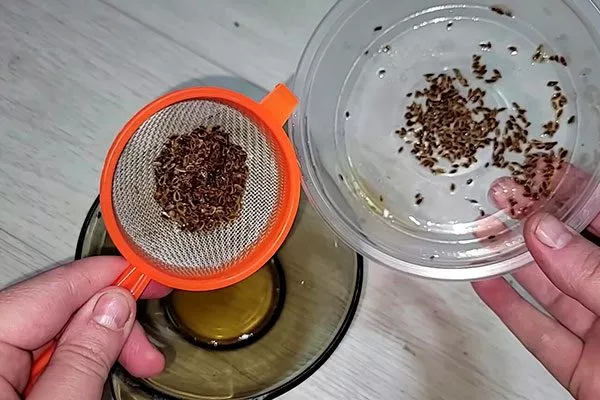
Pre-treat seeds that have difficulty germinating due to their high essential oil content. This will speed up germination. Consider the following:
- warming up;
- soaking in warm water for 1-2 days until swelling;
- etching in potassium permanganate solution;
- treatment with a growth stimulator.
Experienced gardeners improve the germination of dill seeds by keeping them in hot water (+50°C) for 15 minutes, followed by the use of a solution of Immunocytophyte.
Sowing
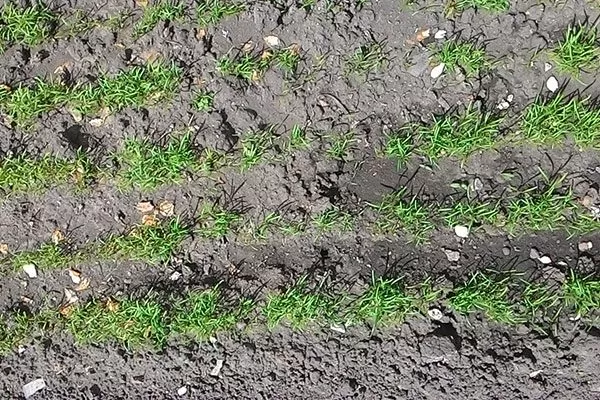
Sow Salute greens in your garden in rows, spacing them 15-20 cm apart. Follow these step-by-step instructions:
- Level the soil in the area. Make furrows in it, 1-2 cm deep.
- Place the seeds in the grooves.
- Cover them with light, loose soil or peat. No need to compact.
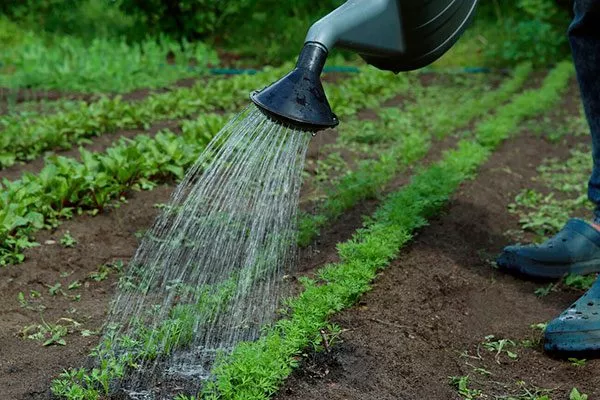
- Water the planting from a watering can with small holes using water that has been settled and warmed in the sun.
How to sow and grow dill in winter?
Greens can be grown not only in an open garden bed, but also in a greenhouse and indoors. All cultivation methods are suitable for winter sowing, ensuring an early harvest.
In open ground
Sow Salute seeds in an outdoor garden bed before winter from late October to early November, after the weather has become consistently cool. Optimal temperatures are:
- soil - no higher than +2°C;
- air temperature - 0°C (at +2°C and above, sprouts will appear in the garden, which will die from frost).
Before sowing, fertilize the soil with compost, humus, and a mineral fertilizer. Form furrows 15 cm apart. Plant the seeds to a depth of 2-3 cm. Do not water. Cover the planting with a layer of mulch (straw or sawdust). In winter, cover it with snow.
In the greenhouse
Before sowing Salute seeds in the greenhouse in the fall, disinfect its interior surfaces. Use soapy or chlorinated water. Ensure adequate ventilation. Install grow lights to provide supplemental lighting for the plants during the winter. Replace the soil with a potting mix consisting of:
- garden soil - 3 parts;
- rotted compost - 1 part;
- sand - 1 part;
- Superphosphate - 10 g per 1 sq. m.
Plant dill seeds in furrows 1-2 cm deep and 15 cm apart. The seeding rate is 1.5 g/m2. Water the bed using a watering can with a fine nozzle. Sprouts will appear in 12-15 days.
Remember that dill is a heat-loving herb. Ensure favorable temperatures inside the artificial shelter for dill growth:
- +20-22°C — until emergence;
- +16-19°C — after sprouting.
On the window
If you wish, you can create a dill bed at home. The Salute variety is suitable for growing in windowsillStock up on everything you need:
- a long, deep container with drainage holes in the bottom;
- light fertile soil (universal store-bought substrate or a mixture of garden soil with peat and sand).
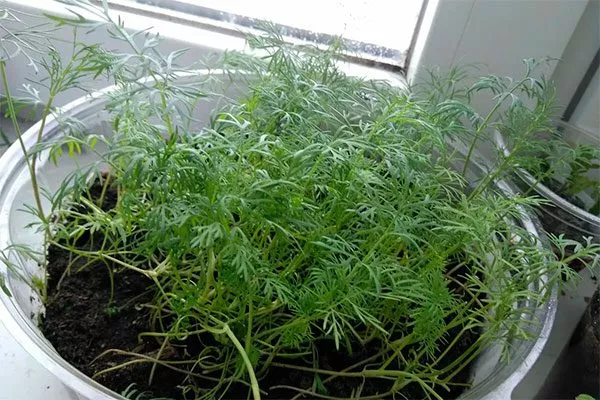
Fill the container with soil, first creating a drainage layer of expanded clay at the bottom. Sow the seeds in furrows 1 cm deep and 12 cm apart. Sprinkle the seedlings with the growing medium. Do not compact it. Gently moisten.
Leave the seedlings in a warm place (22°C) until sprouts emerge. Once sprouts appear, reduce the temperature to 18-20°C. Keep the dill near a windowsill, away from drafts. Provide supplemental lighting (at least 12 hours a day). The substrate should always be slightly moist.
Care Features
Dill is undemanding and fairly easy to grow. To achieve lush, juicy foliage, simply follow proper gardening practices. Pay particular attention to watering, fertilizing, and weed control.
Weeding, loosening
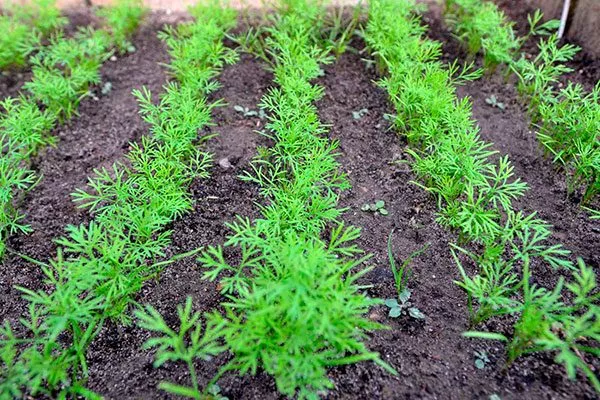
This green crop requires well-aerated soil. Unimpeded oxygen access to the roots prevents root rot. Regular loosening will ensure excellent aeration of the soil in the garden bed. Combine this with weeding. This procedure has positive effects:
- promotes proper growth and development of dill bushes;
- protects them from infections and insects hiding in weeds;
- provides the plant with the necessary amount of light and nutrients.
Watering
During the entire growing season, regularly irrigate the bed with herbs. Observe watering rules aromatic culture:
- “water” the plants moderately and regularly, with a frequency of 1 time per 7 days (in hot weather - 2-3 times a week);
- use settled and sun-warmed water;
- Do not allow the soil to become waterlogged to avoid root rot;
- let the top layer of soil dry out between watering procedures;
- water early in the morning or in the evening;
- moisten the spaces between the rows.
| Growth phase | Watering rate | Frequency | Way |
|---|---|---|---|
| Shoots | 5-7 l/m² | In 2-3 days | Sprinkling |
| Active growth | 10-12 l/m² | Once every 5 days | Along the furrows |
| Before cutting | 15 l/m² | 2 days before cleaning | Drip |
| After cutting | 8-10 l/m² | In 1 day | Sprinkling |
Top dressing
Fertilize Salute dill with complex mineral compounds during the period of intensive green growth. This will allow you to obtain the largest possible harvest.
Pests and diseases
This variety is renowned for its strong immunity. Under favorable growing conditions and with proper care, plants are resistant to infections and pest attacks.
Failure to follow proper agricultural practices is the main reason for the poor health of Salute plants. Overwatering and dampness in the greenhouse cause dill roots to rot and foliage to wilt. Under these conditions, the plant suffers from:
- fungal infections, including black leg;
- bacterial diseases.
To solve the problem, adjust the watering schedule, loosen the space between rows, and ventilate the greenhouse. For treatment, use biological preparations such as Fitosporin-M, Baktofit, and Trichodermin. Dispose of diseased plants immediately. Do not treat greens with chemical fungicides.
If the Salute vegetable crop is not cultivated correctly, it may be attacked by the following dangerous pests:
- umbrella blinds;
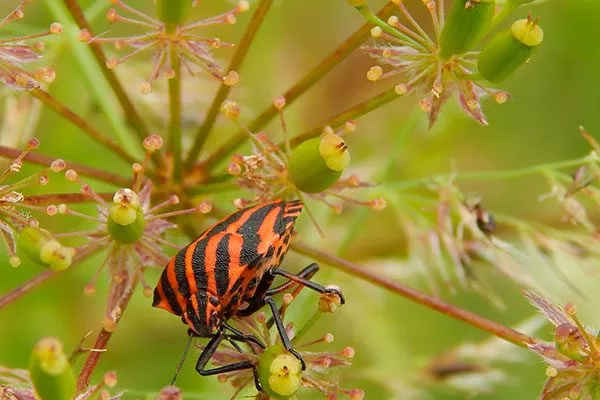
- Italian bedbugs;
- psyllids;
- wireworm;
- coriander seed eater;
- aphids.
Harmful insects and their larvae feed on dill sap, causing yield declines. Pick them off by hand, rinse them off the plants with running water, or use folk remedies (tobacco decoction, soapy water, potassium permanganate or ammonia solution) or the biological product Fitoverm.
Harvesting and storing dill
Begin harvesting herbs from the garden as early as June. Wait until the stems reach a height of 12-15 cm. Repeat cuttings as the plants grow. Perform this procedure in the morning during dry weather. Leave stubs of 3-5 cm on the plants.
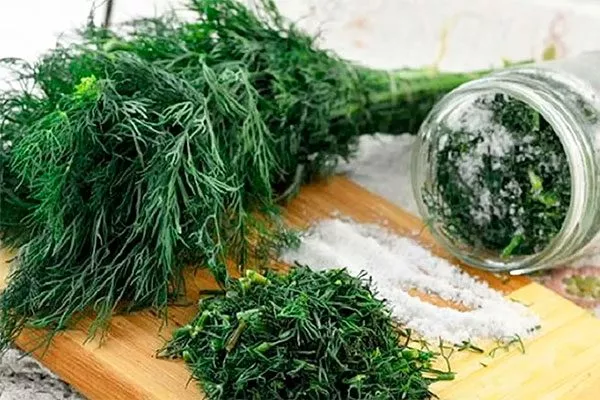
Store cut dill in the refrigerator. It will stay fresh for up to 1 week. For longer storage, dry, salt, or preserve the greens.
Optimal storage conditions
- Fresh (in the refrigerator): +1…+3°C, humidity 90-95%
- Frozen: -18°C in vacuum packaging
- Dried: humidity not higher than 12%, dark place
- Salty: salt concentration 20-25%
Pros and cons
The fireworks have become a favorite among domestic gardeners and farmers growing vegetables for sale due to their many positive qualities:
Gardeners do not find any disadvantages to this variety of dill.
Reviews
Salute is a striking example of a late-ripening dill variety, productive and disease-resistant. Gardeners successfully cultivate it in open beds, on windowsills, and in greenhouses. Both summer and winter cultivation are practiced. Under favorable conditions, the greens grow lush, juicy, very aromatic, and delicious.