
Dill is typically planted in the spring, but some gardeners prefer to sow dill before winter to ensure an early harvest. Read on for more details on the process and varieties suitable for fall sowing.
Zoning
Dill is such an undemanding plant that it grows in a variety of climates. It produces a harvest in both the north and south. However, to ensure dill sprouts, it's important to adhere to the following autumn sowing dates by region:
- for the Urals - the end of October;
- for Siberia - the second half of October;
- for Moscow and the Moscow region - the first days of November;
- for southern regions - mid-November and later.
Selecting a variety
| Name | Ripening period | Disease resistance | Aroma |
|---|---|---|---|
| Aurora | 20-25 days | High | Saturated |
| Gribovsky | 30-38 days | Average | Strong |
| Grenadier | 30-35 days | High | Moderate |
| An early miracle | 30-35 days | High | Saturated |
| Vologda lace | 40-45 days | High | Easy |
Early varieties are suitable for planting seeds in the fall; they will produce young greens 2 weeks earlier than plants sown in the spring.
Varieties suitable for winter sowing:
- Aurora — from sowing to harvesting the tender greens, it takes only 20-25 days. The leaves have a rich aroma.
- Gribovsky — This variety is the least demanding in terms of temperature. The dark green foliage with a bluish tint is harvested 30-38 days after emergence.
- Grenadier — the greens are harvested after 30-35 days. This is an easy-to-grow variety with green foliage and fairly large segments.
- An early miracle — cut when it reaches 20-30 cm in height, that is, 30-35 days after emergence. The variety is resistant to low and high temperatures, as well as most diseases.
- Vologda lace — the harvest is 40-45 days after planting. This cold-hardy variety tolerates temperature fluctuations well and is resistant to stemming.
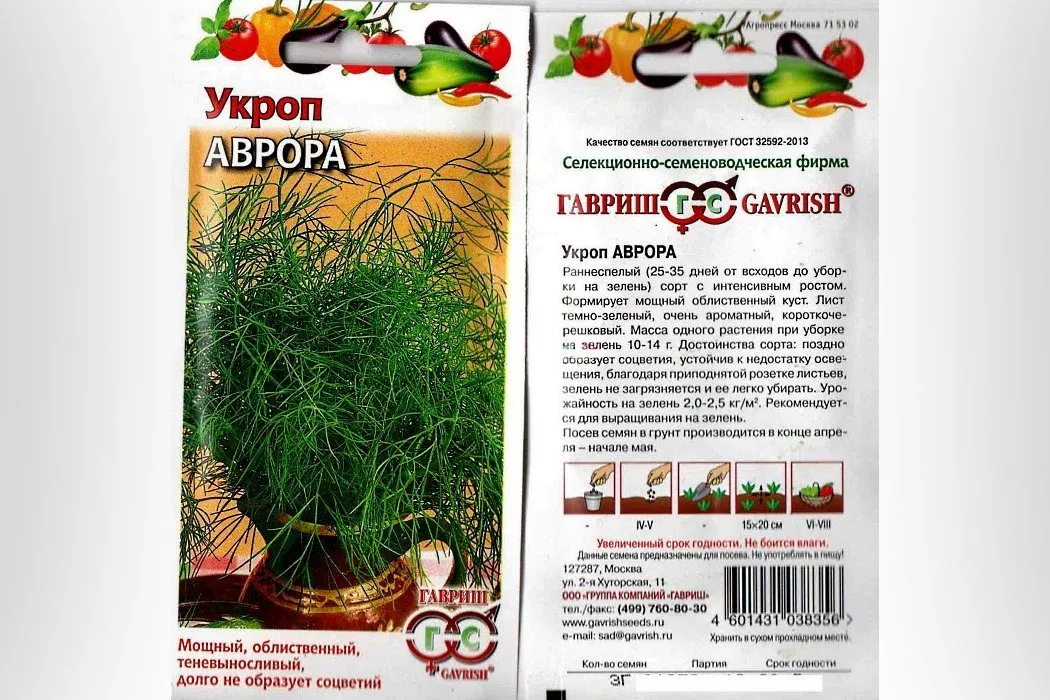
Aurora variety
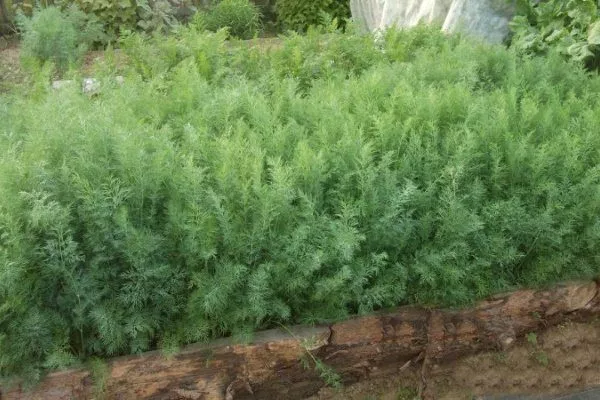
Gribovsky variety
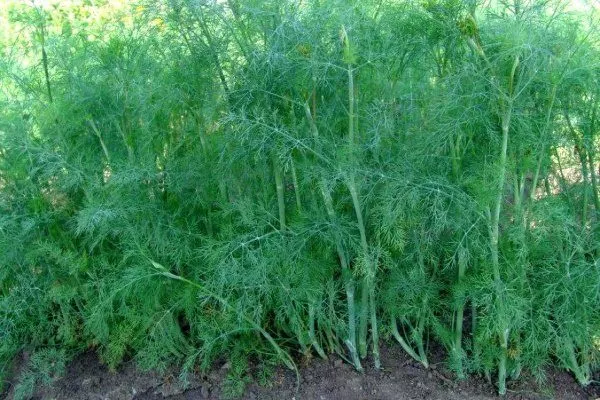
Grenadier variety
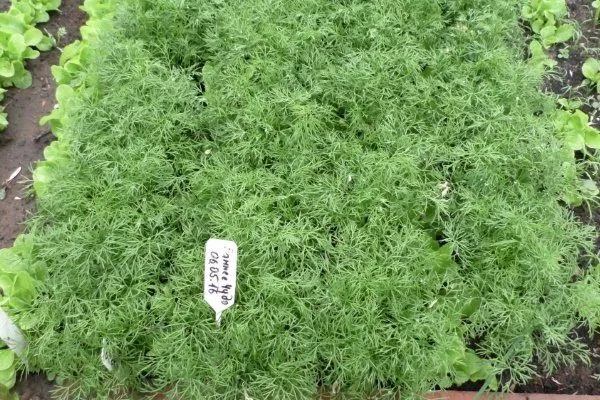
Early Miracle variety
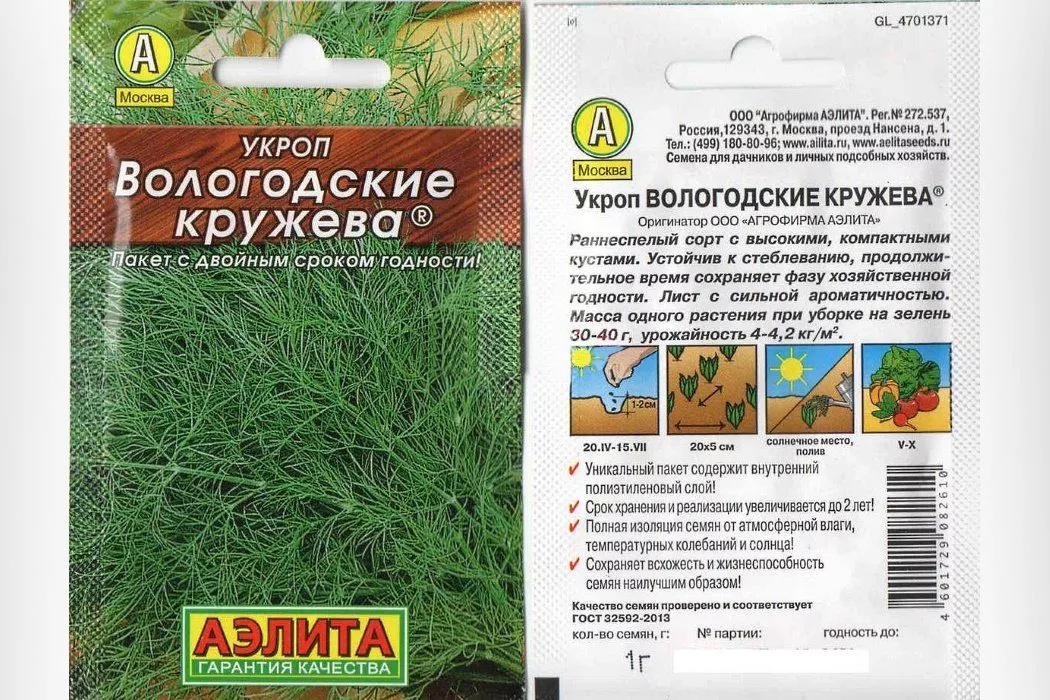
Vologda Lace variety
However, if you want to get fresh greens constantly, then you should also plant mid- and late-ripening varieties:
- Amazon — a mid-season variety. The juicy and aromatic greens are harvested in 50-55 days. The crop is undemanding in terms of soil and climate.
- Umbrella — a mid-season variety, harvested in 34-37 days. The plant tolerates adverse weather conditions well and is resistant to diseases and pests.
- Firework The harvest takes 55-60 days. This variety's distinctive feature is that its leaves never turn yellow and it rarely bolts. Therefore, the harvest is done in 2-3 stages.
- Borey — a late-ripening variety. The plant is tall, reaching up to 140 cm. The leaves of this crop rarely turn yellow. The greens are harvested 45-55 days after emergence.
- Anna — a mid-season variety with very fragrant greens that are harvested after 42-52 days.
- Alligator — a mid-late bush variety, with the greens harvested in 42-45 days. This low-growing plant does not produce umbels for a long time, so it yields several times more than other varieties.
- Buyan — a bush variety with a late ripening period. The foliage is harvested 60-75 days after sowing the seeds. The plant is vigorous, so no more than 30 bushes are left per square meter. The leaves are dark green with a bluish tint and covered with a noticeable waxy coating.
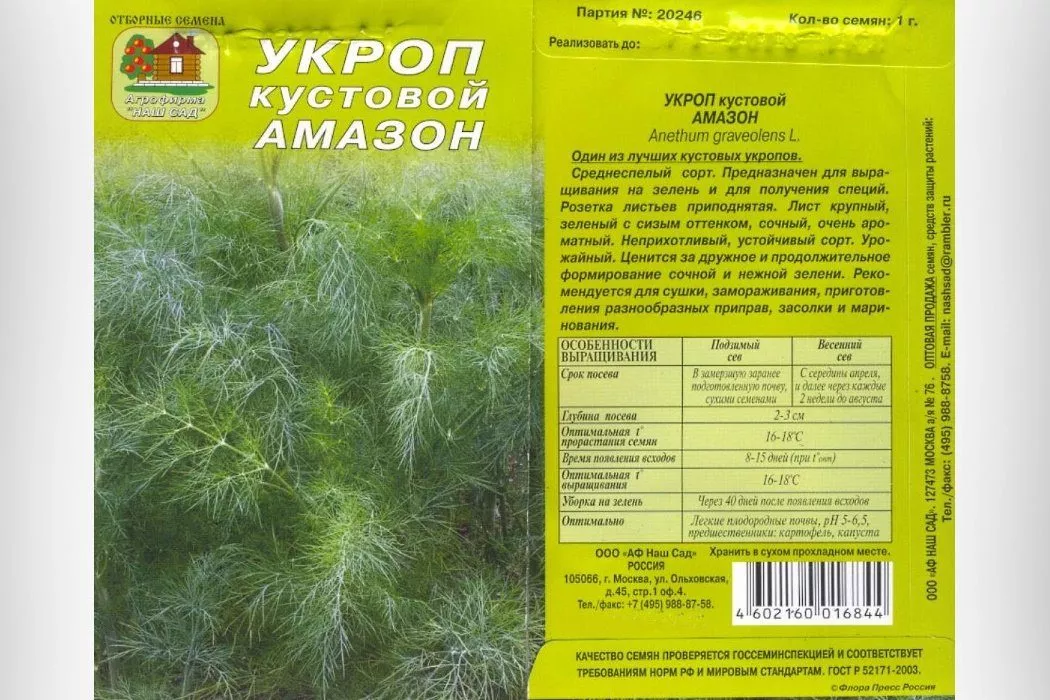
Amazon variety
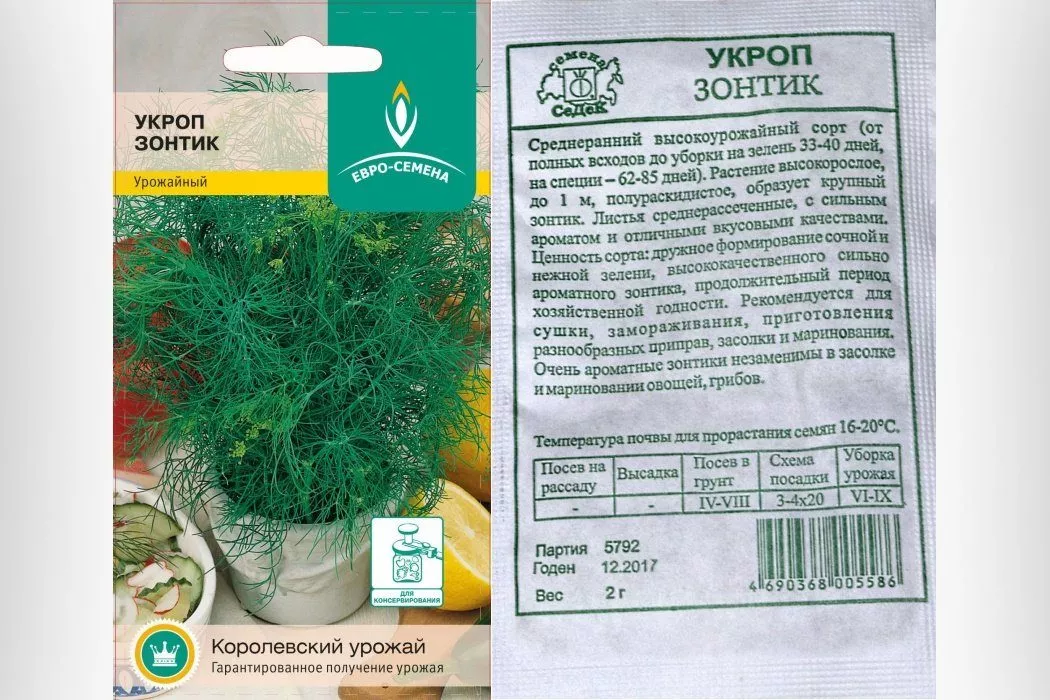
Umbrella variety
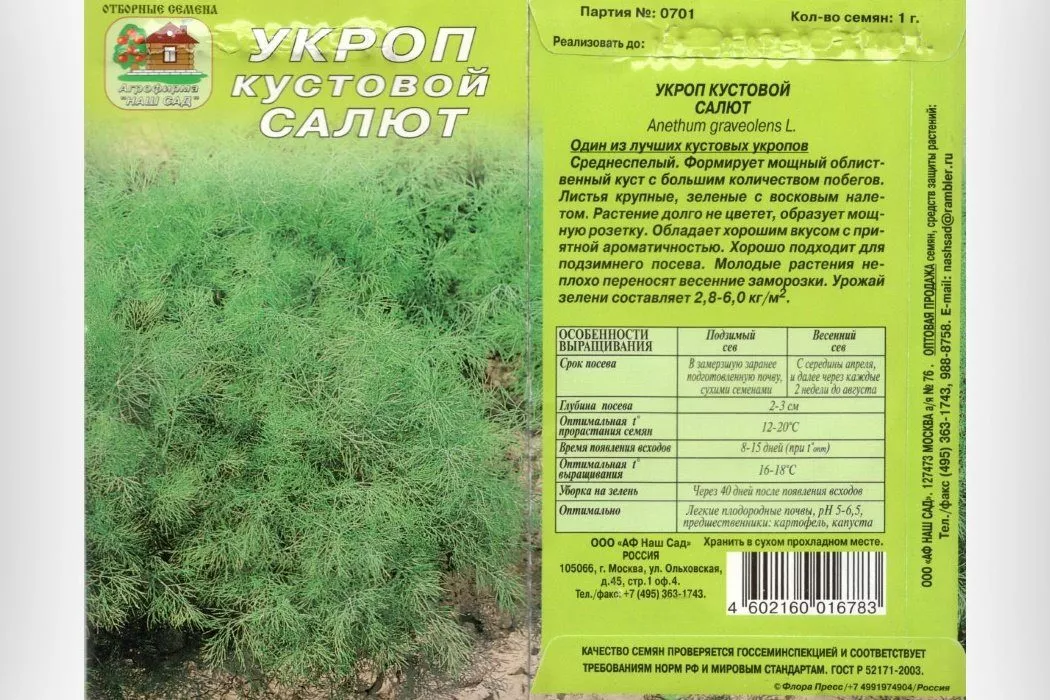
Salute variety
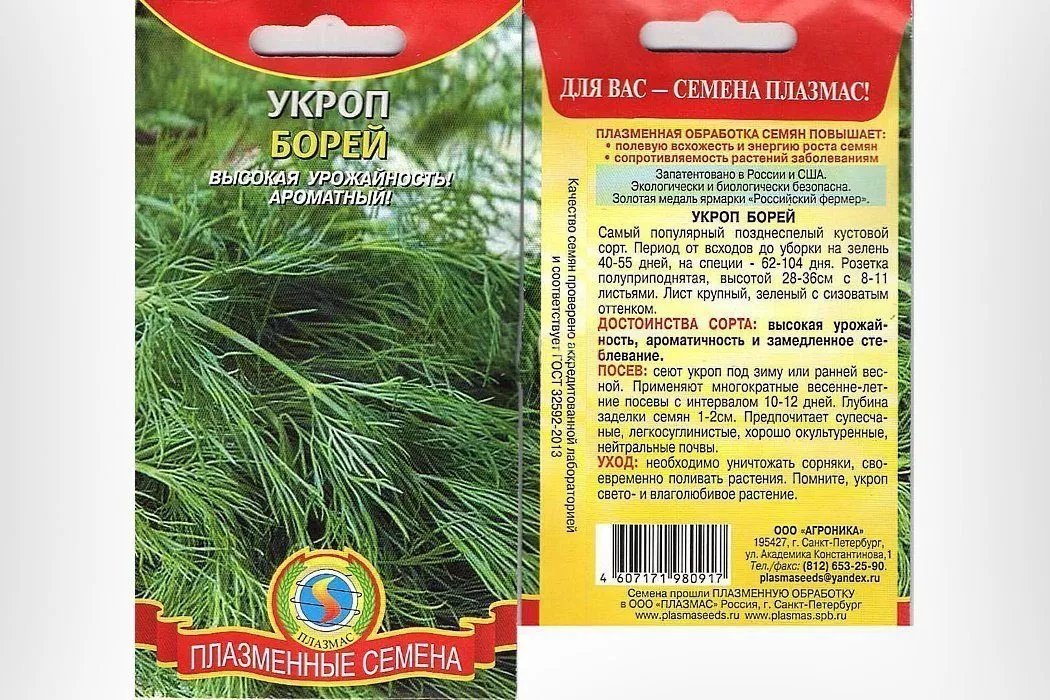
Borey variety
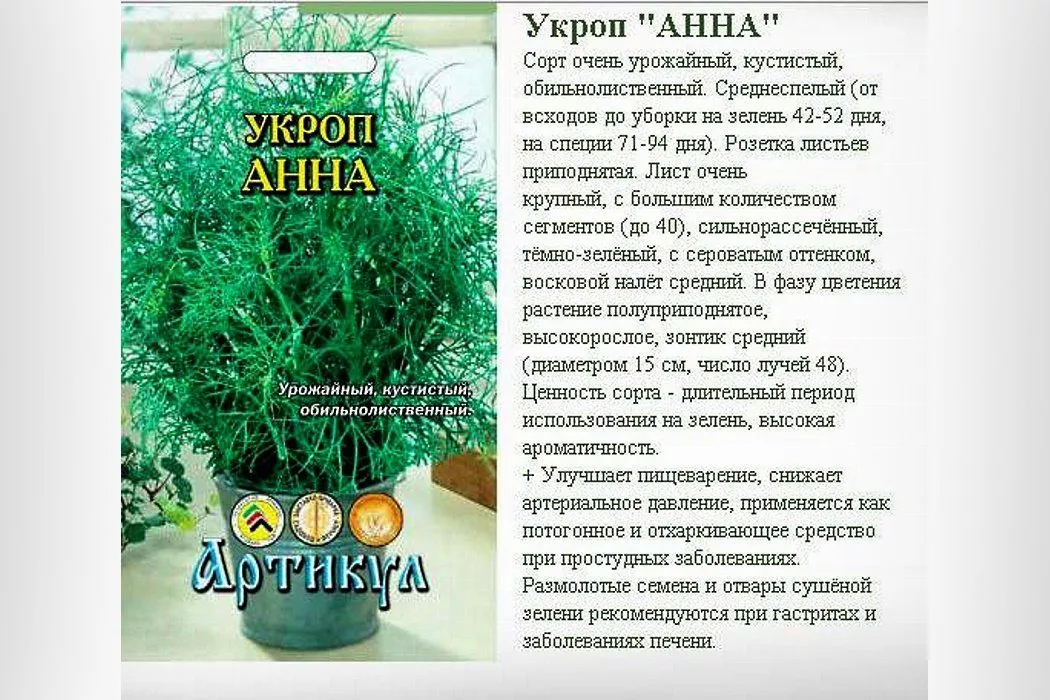
Anna variety
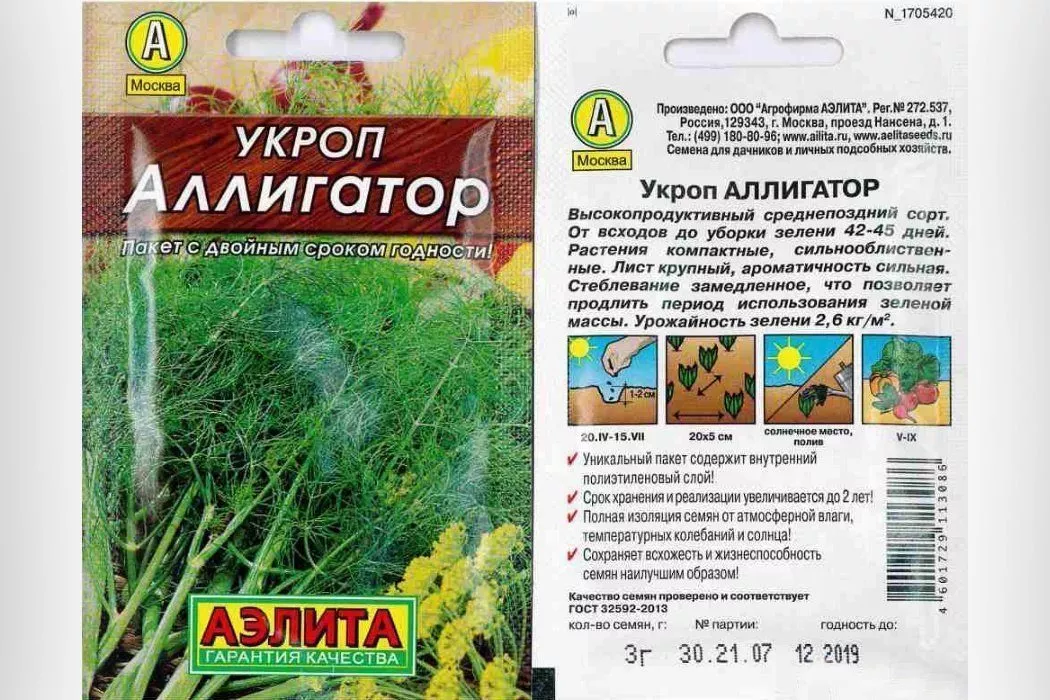
Alligator variety
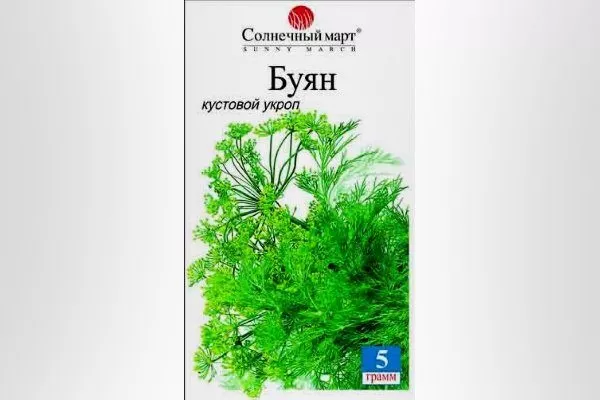
Buyan variety
Additional information on dill varieties can be foundhere.
When to plant dill?
Dill requires 10-14 hours of daylight to thrive. Less than that slows the plant's growth and development. Therefore, it is sown in the fall, just when daylight hours have significantly decreased.
Depending on climate conditions, it is sown from the twentieth of October to mid-November. This is a "fluid" period, and gardeners should primarily consider the ambient temperature when planting.
Since dill seeds begin to germinate at +3°C, they are planted when the temperature will not rise above this level, that is, the seeds are sown in the soil at a daytime temperature of 0…+3°C and a nighttime temperature of -3…-2°C to prevent their germination.
They also learn in advance whether forecasters are predicting warmer weather. If the seeds germinate, a further cold snap will ruin the entire crop.
Choosing a location
For the beds, choose a sunny location, with some shade permitted, and light soil. Dill dislikes shade and excessive soil moisture, as this negatively impacts the yield and the essential oil content of the plant.
Dill's best predecessors are tomatoes, legumes, potatoes, and cabbage. However, it should not be planted after carrots and celery. It is not recommended to plant it near fennel. They cross-pollinate, resulting in a change in the flavor of both crops.
Dill prefers to grow in neutral soils. In acidic soils, its leaves turn yellow, while in alkaline soils, they take on a reddish tint.
Preparing the beds
Once the site has been determined, the beds are dug over and weeded. If necessary, apply organic fertilizer at a rate of 5 kg per square meter. Dill tends to accumulate nitrates, so don't overdo it and apply more than the recommended dose. If the area has been fertilized with manure in a timely manner, no additional fertilizer is needed.
Landing
When planting seeds in the fall, their consumption increases by 25%. The seeds are sown dry in moist soil. No additional seed preparation is required, as gardeners are not interested in rapid germination.
Planting methods:
- Fan-shaped. The seeds are scattered across the bed in a fan shape, in which case rows are not needed.
- Ribbon.Seeds are sown in rows. The distance between them depends on the variety—the more vigorous and tall the plant, the greater the distance between them.
| Planting method | Seed consumption | Resistance to freezing |
|---|---|---|
| Fan-shaped | High | Average |
| Ribbon | Moderate | High |
Regardless of the method used, the seeds should be planted at a depth of 3-3.5 cm. This is 1-1.5 cm deeper than for spring planting and is necessary to prevent them from freezing. After planting, the beds are mulched. This prevents a hard crust from forming on the soil surface and the seeds from rotting.
- ✓ The mulch layer thickness should be at least 5 cm for effective protection against frost.
- ✓ Use only organic mulch (straw, sawdust, leaves) that does not impede air exchange.
The following landing algorithm is followed:
- choice of location;
- soil preparation - digging, loosening, fertilizing, leveling;
- sowing;
- seed placement;
- mulching the soil with hay or sawdust.
An experienced gardener shares the rules for sowing dill before winter in the video below:
Caring for dill
The plant requires no maintenance in the fall. Early varieties do not require fertilization in the spring if all fertilizers were applied in the fall before sowing. Other mid- and late-season varieties require mineral fertilizers containing phosphorus and potassium.
As soon as the first shoots appear, carefully loosen the soil between the rows. Water the dill 1-2 times a week, depending on the soil moisture. It shouldn't be overwatered, but it shouldn't dry out either. Thin the plants as they grow, and remove weeds promptly.
Diseases and pests
Plants planted in the fall emerge quite early. Most pests are still dormant and don't have time to harm the dill. The same applies to pathogens, especially those carried by insects. With proper care—sparse planting, loose soil, and weed control—dill rarely gets sick.
Harvesting and storage
When the greens appear, they are picked and used as intended. If early varieties are planted, a large harvest of greens is harvested in 35 days. The greens are picked in the morning, after the dew has cleared.
Dill keeps well in dried and frozen form; some housewives sprinkle it with salt and store it in jars, but usually the first greens—rich in vitamins and nutrients—are quickly eaten fresh.
Winter sowing has its advantages. This type of dill produces incredibly vigorous foliage, doesn't flower for a long time, and doesn't bolt. Furthermore, it's frost-resistant and ready for harvesting two weeks earlier.