
Dill Obylinolny stands out for its large, succulent leaves and rich aroma, making it a popular variety. It is characterized by high yields and disease resistance, as well as ease of care. It tolerates moderate frosts well and is used for both fresh consumption and canning.
Selection and characteristics of the dill variety "Obilnolistny"
This is a relatively young variety, created by Russian breeders from the company "Semena Kubani" in 2002. Its authors were Vinogradova A.F. and Saprykina A.V. In 2004, it was included in the State Register of Plants Approved for Cultivation in Russia.
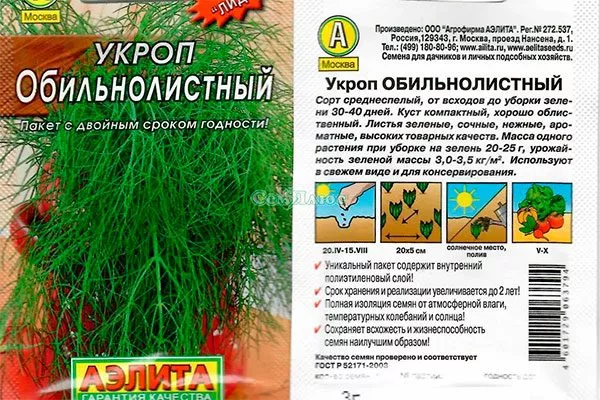
Appearance of bushes and greenery
Dill is a bush variety. Distinguishing features:
- shoots – grow up to 26-36 cm in length, and during the flowering phase the plant can reach a height of 125-130 cm;
- weight - when cut for greens it weighs 20-25 g;

- inflorescences – are formed relatively late;
- umbrella – medium-sized and slightly convex.
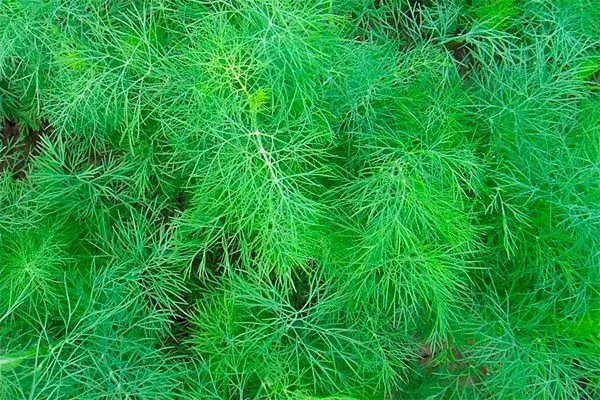
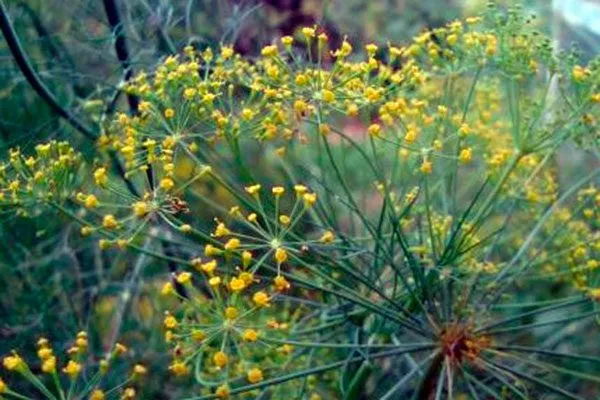
The foliage can be harvested well before flowering, as the leaves become coarser after this time. Seeds are collected 7-10 days after the flowers open.
Ripening time and yield
Abundant-leaved is a mid-season variety. The first shoots appear approximately 10 days after sowing.
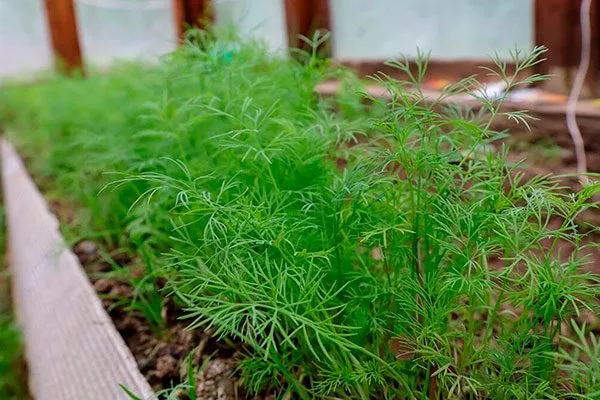
It takes about 40 days from sprouting to harvesting the greens, and flowering begins around day 70. Full biological maturity, necessary for harvesting seeds and spices, occurs 80 days after germination.
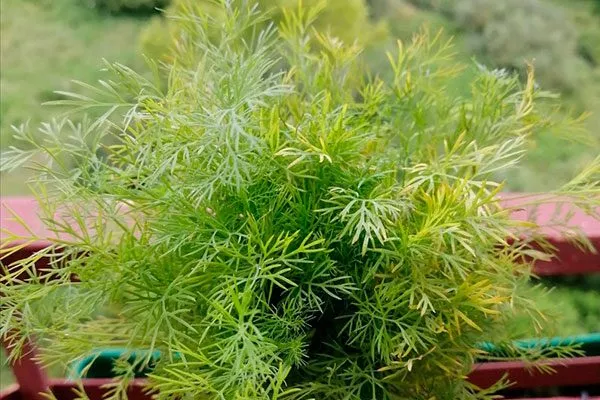
One plant yields up to 20 grams of greens. The yield per square meter is:
- on the greens – 3-3.4 kg;
- for spices – 4.1-4.8 kg.
Soil and climate requirements, regionality
Dill is undemanding regarding soil composition, but thrives in light, fertile, well-drained beds. Neutral, light loamy or sandy loam soils are considered optimal.
To plant dill, choose a well-lit area, preferably in the southern part of the garden. Clear the area of weeds and moisten it beforehand. The crop grows successfully in all climate zones of Russia.
Beneficial properties
The crop is valued for its wide range of uses and numerous positive qualities. The greens have a beneficial effect on the body:
- improves the functioning of the digestive system;
- has pronounced antioxidant properties;
- is a natural antibacterial agent;
- helps strengthen the immune system.
Culinary uses and flavor characteristics
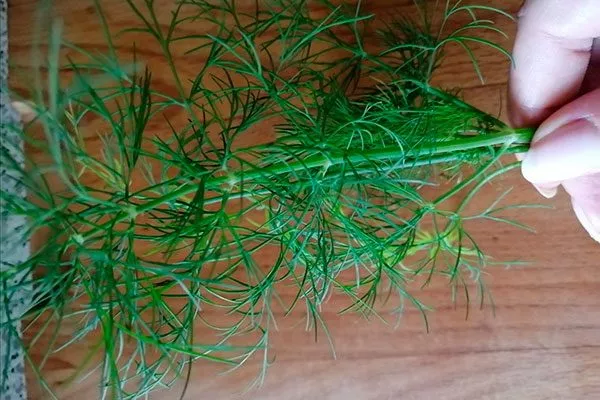
The plant is prized for its vibrant aroma and rich flavor, which is why it is widely grown commercially. The plant's leaves are succulent, with a distinct spicy aroma and a pleasant, slightly piquant flavor that conveys freshness and tenderness.
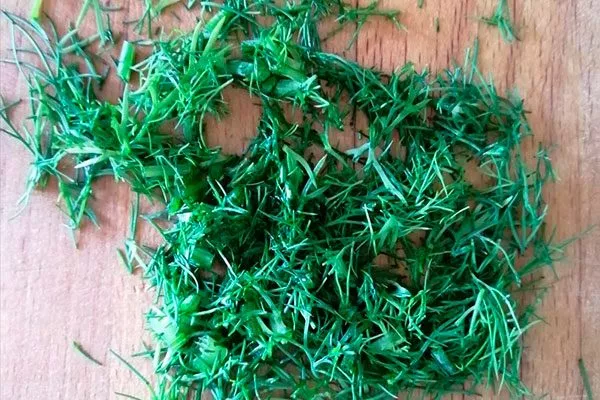
The variety belongs to the universal greens, suitable for a wide variety of purposes:
- salads and appetizers – Fresh dill leaves transform even the simplest dishes, giving them a bright taste and aroma and making them more appetizing and rich;
- seasonings and sauces – Chopped herbs provide unique flavors and an appetizing aroma;
- homemade preparations – It is an essential seasoning in canning, helping to improve the taste of pickled cucumbers, tomatoes and other vegetables, preserving their aroma throughout the entire shelf life;
- medicinal teas and tinctures – normalize digestion and have a number of health benefits.
Sustainability
The dill variety "Obilnolistny" is a moisture-loving crop and therefore does not tolerate dry periods well. Without sufficient moisture, the plant quickly wilts and loses its juiciness. It is also susceptible to even minor frosts—as temperatures drop, young shoots may turn black and wilt.
Moreover, the variety is characterized by high resistance to most diseases, which makes it a reliable option not only for home cultivation, but also for farming.
Planting dill
The crop is considered easy to grow, but proper cultivation is essential for good growth and abundant harvests. Growing this aromatic herb doesn't require any special experience or knowledge, so even beginners can handle it.
Time
Sow seeds in early spring, immediately after the soil thaws, as the crop can germinate at temperatures as low as 2-3°C. Plant them in moist soil to avoid subsequent watering.
To obtain early greens, sow before winter. Begin sowing in late autumn, when the soil temperature drops to 3-4°C. This is important so the seeds don't have time to germinate before the cold weather sets in.
Selection and preparation of seeds
To obtain your own planting material, collect seeds from fully ripened and healthy plants. One plant can yield up to 8 g. High-quality seeds are cool to the touch and slightly moist.
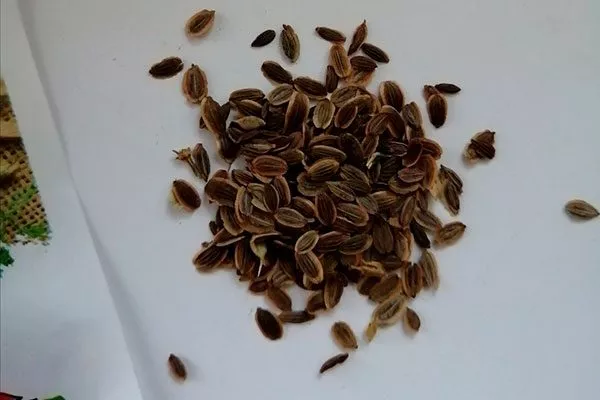
Before planting, soak the seeds in an ash solution for 48 hours to speed up germination. This treatment helps remove the protective layer of essential oils that covers the seed coat.
An alternative method of preparation is to place the grains in a gauze bag in warm water (not higher than 50°C), then dry thoroughly.
Soil and plot
Dill grows well in both sandy and sandy loam soils, preferring slightly acidic or neutral soils. Adequate moisture and nutrients are key.
The Abundant Leaf plant has few requirements for its planting location: it grows equally well in both sun and partial shade.
Preparing a plot for sowing dill involves several important steps:
- In the fall, or 2-3 weeks before planting, dig the beds to a depth of 20-25 cm. Remove weed roots and add humus or compost (4-5 kg per square meter). Fresh manure should not be used, as it causes excessive growth of tops and bolting.
- In spring, add the following per 1 sq. m during digging:
- Superphosphate – 30-40 g;
- potassium sulfate – 20 g;
- ammonium nitrate – 10-15 g.
- One to two days before sowing, break up the clumps with a rake to create a level surface. This will ensure even seed germination.
- A few hours before sowing, water the area with warm water. It's best to sow in moist, but not wet, soil.
Sowing patterns and depths
To ensure a good harvest of herbs, it's important to plant dill correctly. When growing in the spring, follow these steps:
- Make wide furrows 5-6 cm deep and moisten them generously with water.
- Sow the seeds in a snake-like pattern into moistened soil at a rate of 1 g per 1 sq. m.
- Sprinkle 1-2 cm of soil on top.
- After sowing, do not water the beds to avoid washing the seeds too deeply.
This approach will ensure good growth and a bountiful harvest of greens.
Favorable and unfavorable neighbors
Dill pairs well with a variety of vegetables, and its aroma repels garden pests. In addition to cucumbers, cabbage, and tomatoes, it grows well alongside onions, lettuce, garlic, and potatoes.
However, it is not recommended to plant this crop with carrots, fennel, caraway, and parsley. It is especially undesirable to grow it where celery grew last season, as these plants do not interact well with each other.
Care
Dill isn't particularly difficult to grow. However, regular implementation of basic agricultural practices promotes its healthy growth and development.
Watering
The Obilnolistny dill variety requires frequent and moderate watering. This crop loves moisture, so it's especially important to keep the soil moist, but within reasonable limits.
Basic requirements:
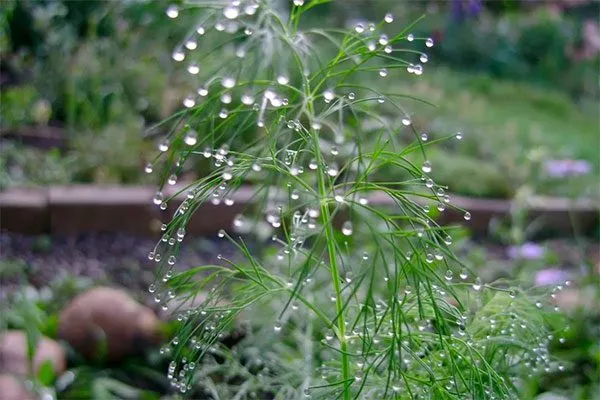
- Apply water at the roots to avoid dripping onto the leaves, which reduces the risk of disease development.
- In hot and dry weather, increase the frequency of watering to avoid wilting and yellowing of shoots.
- In cold and damp weather, reduce the volume to avoid over-watering the soil.
It is best to use warm, settled water.
Top dressing
If the soil was well fertilized before planting dill, then during the growing period additional feeding is usually not required - the plants receive enough nutrients from the soil.
However, if signs of nutrient deficiency appear, such as leaf discoloration and slow growth, fertilize the dill with a urea solution—5 g per 10 liters of water. Do this no more than twice a month to prevent nitrate accumulation in the foliage.
Soil care
The crop requires additional care for full development. Important agricultural practices:
- Loosening. Helps retain moisture and oxygenates the roots. Loosen the soil regularly, especially after watering and rain, to prevent a hard crust from forming.
- Weeding. Remove weeds that compete with dill for nutrients and moisture. Regularly clearing weeds promotes healthy growth and improves air circulation.
- Hilling. It strengthens the root system and stimulates the development of lateral roots, improving plant nutrition. Perform this procedure carefully, raking the soil to the base of the stems to avoid damaging the roots.
All these measures have a positive effect on the crop – they improve the quality of greenery and productivity indicators.
Pests and diseases: treatment and prevention
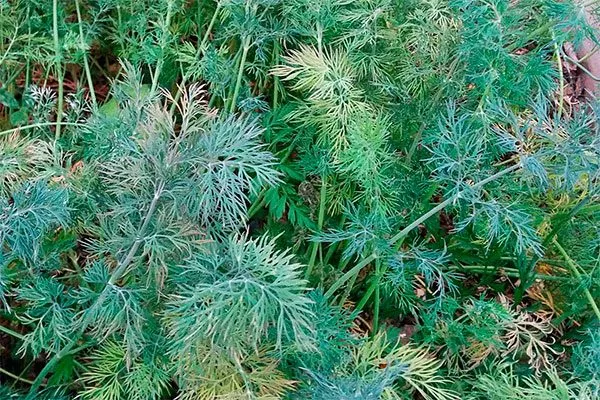
The Obilnolistny dill variety rarely gets sick, but under unfavorable conditions or improper care, it may encounter some problems. Common diseases of the crop include:
- Peronosporosis. This is accompanied by the appearance of light yellow spots on the leaves, followed by deformation. Use a solution of washing soda and laundry soap (20 g of each per 5 liters of water). Spray the bushes with it.
- Powdery mildew. A white, powdery coating appears on the leaves and stems, which thickens and turns gray over time. The plant weakens, growth slows, and produces little foliage. Spray with a weak solution of copper oxychloride or potassium permanganate;
- Cercospora leaf spot. Small, round, brown spots with a dark border appear. Leaves turn yellow, dry out, and fall off. An effective treatment is copper oxychloride, dissolved at a rate of 20 g per 5 liters of water.
- Fusarium. The plant wilts, even with adequate watering. The root system rots, and the dill quickly dies. In the early stages, apply fungicides such as Fundazol or Topsin.
The crop can be damaged by insect pests, especially when grown outdoors. The main pests are:
- Aphid. Colonies of parasites suck the sap from the leaves, causing them to curl and turn yellow. Treat with an infusion of onion peels, ash, tobacco, or insecticides (such as Fitoverm or Aktara) for severe infestations.
- Umbrella moth. Caterpillars damage inflorescences and shoots. Remove egg-laying umbels promptly, spray with wormwood or garlic infusions, or, in extreme cases, Biokill or Lepidocide.
- Carrot fly. Larvae damage the roots of dill, causing them to wilt. Mulch the spaces between rows, dust with ash or tobacco dust, and set sticky traps.
- Leafhopper. It secretes foamy droplets containing larvae that feed on plant sap. Spray the plants with water, use pine needle infusions, or green soap.
Disease and pest prevention:
- crop rotation and removal of plant residues after harvest;
- planting nearby repellent crops - garlic, marigolds, mint;
- ventilation of greenhouses and regular inspection of plants.
Greenhouse cultivation
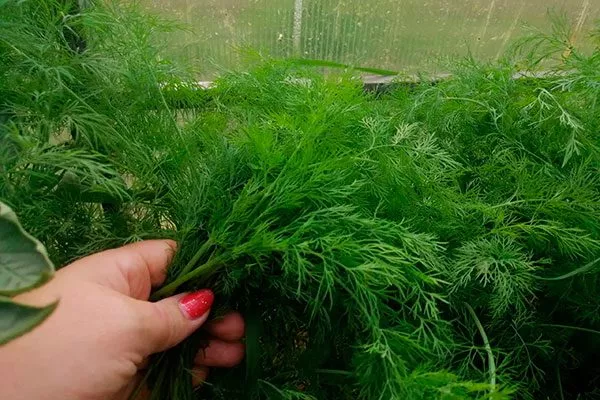
Growing dill indoors is not much different from growing it in open beds. This method has many advantages:
- the harvest can be obtained faster and even in the off-season;
- plants tolerate temperature changes better;
- the ability to grow several crops per season.
But planting in greenhouses can be accompanied by some difficulties:
- the need for frequent watering, since there is no natural moisture from rain;
- limited planting space;
- risk of dill being shaded by tall neighboring plants.
Pros and cons
Dill is a moisture-loving plant that doesn't tolerate drought well. It has many advantages:
Comparison with other varieties
Dill Obylinolistny stands out for its large leaves and generous harvest compared to other varieties. The main varieties and their differences are:
- Salad dill is characterized by smaller and less abundant foliage, while the Late variety ripens later and has tougher leaves.
- Unlike varieties such as Grenadier or Amazon, Obilnolistny forms a dense rosette with a large number of wide, dark green leaves, which makes it especially valuable for cutting greens.
- Compared to early-ripening varieties such as Richelieu or Dalniy, Obilnolistny enters the flowering phase slightly later, extending the harvest period and reducing the risk of premature bolting. It is also resistant to lodging and maintains its marketable appearance longer than varieties with a looser bush structure.
- Compared to the Kibray variety, which is no less popular for its lush green foliage, Obilnolistny is less demanding and better able to withstand temperature fluctuations, which is important when grown outdoors.
Reviews
Dill is prized for its consistent growth and abundant fruiting, even with minimal care. Its succulent leaves retain their freshness and aroma for a long time, making it a versatile variety. Its strong immunity and adaptability to climate conditions make it an excellent choice for both experienced gardeners and novices.