
Mamont dill is a versatile variety that combines high yields with a long harvest period. It has a robust, bushy habit, large, richly flavored leaves, and a slower bloom time, allowing you to enjoy fresh herbs for longer. It's an excellent choice for fresh consumption, pickling, and growing for spices or seeds.
Description and characteristics of the dill variety Mamont
The crop was developed by Russian breeder A. N. Kononov. In 2002, it successfully passed all necessary tests and was added to the State Register. Since then, it has been actively cultivated by gardeners across the country.
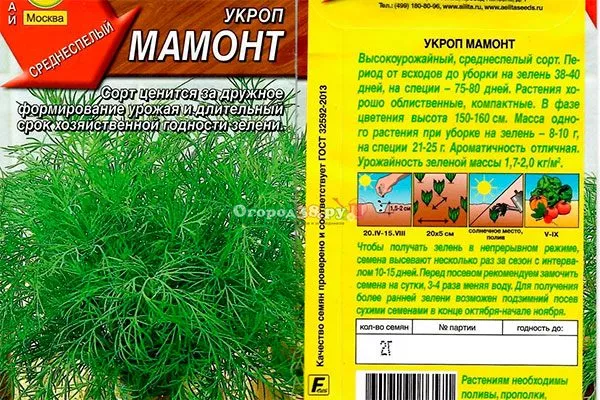
Morphological features
The plants are characterized by a strong, upright stem and a semi-erect rosette. The foliage develops vigorously and is highly dense.
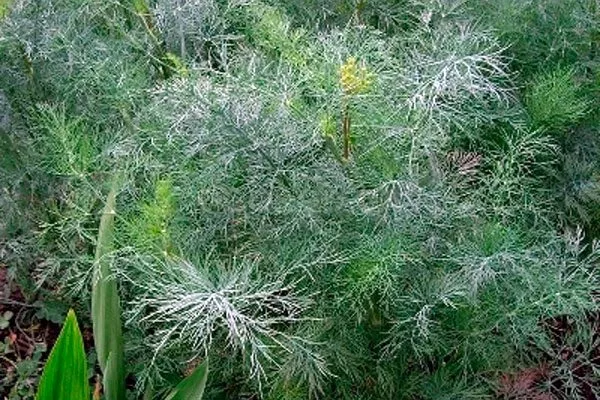
Distinguishing characteristics:
- leaves - large, greyish-green, with a pronounced waxy coating;
- shoot height – is 150-160 cm;
- umbrellas – large inflorescences are formed, but they appear relatively late;
- weight - During the harvest of greens, the weight of one plant is about 7-8 g, and by the time of full biological maturity it increases to 21-24 g.
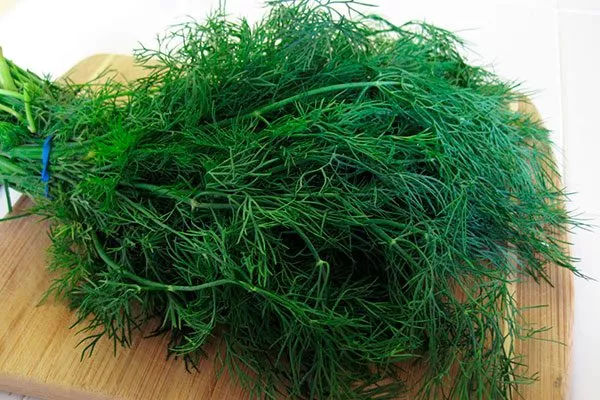
Ripening time and yield
The Mamont variety has a short growing season—from germination to harvesting of the greens takes only 38-42 days. When grown for spice, this period extends to 86 days.
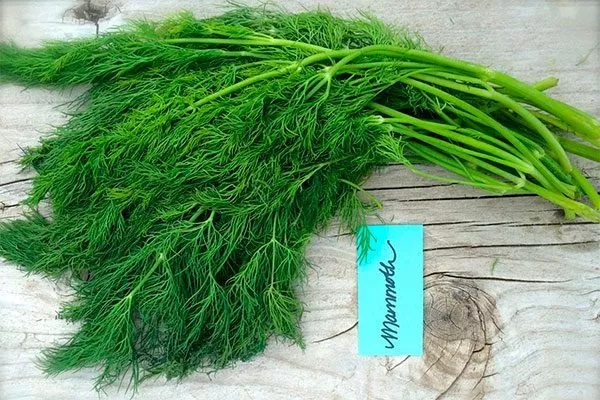
Main features of the culture:
- Thanks to their early market maturity, the greens can be harvested quickly. The late formation of the inflorescences allows for a longer harvest of the succulent and aromatic leaves.
- The bush form makes plants compact, promotes active growth of green mass and increases overall productivity.
- Strong foliage and resistance to yellowing ensure a long-lasting fresh appearance.
- The leaves remain tender and juicy even after some time after cutting.

Yields reach 1.7 kg per square meter for greens and up to 3 kg per square meter when grown for spices. This variety is prized for its rich aroma and consistent yield.
Soil and climate requirements, regionality
The crop thrives in light, well-drained soils with a neutral or slightly acidic pH. The high organic content of the soil promotes the development of a strong root system and abundant foliage. To improve the structure of heavy clay soils, the addition of sand and humus is recommended.
Follow the recommendations:
- The plant loves light, so access to sunlight is essential for healthy growth and a pronounced leaf aroma. If it's not enough, the plants will stretch, and the leaves will lose their color saturation. In conditions where natural light is insufficient, artificial lighting can be used.
- Provide moderate and regular watering, especially during the active growth period. Stagnant moisture increases the risk of fungal diseases, while overly dry soil can cause premature stem formation and reduced yield.
- To improve the quality of greens and stimulate growth, apply complex fertilizers containing nitrogen, phosphorus, and potassium. These fertilizers are especially effective during the initial stages of growth and after each harvest. Follow the dosage to avoid degrading the taste and marketability of the greens.
Culinary uses
Thanks to its bushy habit and slow flower formation, the greens can be harvested repeatedly as they grow. Young leaves have a delicate texture and rich aroma, making them ideal for eating fresh or adding to salads, soups, and hot dishes.
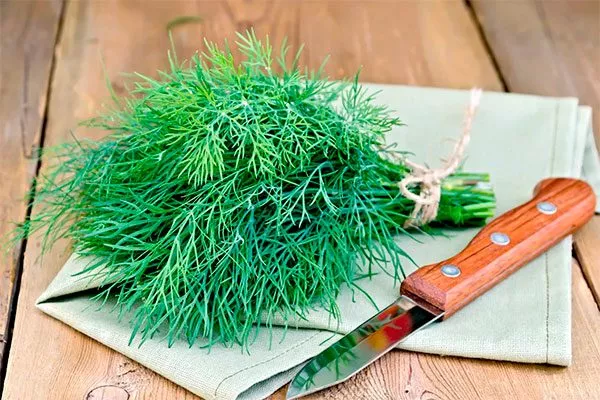
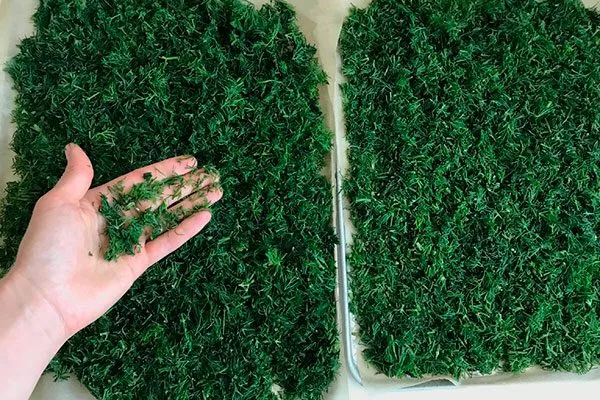
The greens retain their flavor well when frozen, dried, and canned. Mammoth is widely used for pickling and fermenting vegetables, and its seeds are used as a culinary spice. The seeds are also used in confectionery and perfume production.
Information about manufacturers, selection features
Planting material is available on the market from both domestic and international producers. One of the originators is the German company Satimex, and in Russia it is widely sold under the POISK brand, confirming its widespread popularity among gardeners.
When choosing seeds, it is important to consider the following factors:
- manufacturer's reputation;
- availability of quality certificates;
- information about the expiration date.
Pay attention to the integrity of the packaging and the corresponding markings. Product range may vary depending on the season and region, so it's best to check the latest availability and packaging information on the manufacturer's official websites or with their representatives.
Many online stores offer convenient delivery options, including postal and courier services, and also sell seeds in a variety of packaging sizes. Reading reviews from other customers will help you make an informed choice and purchase high-quality seeds.
Sowing seeds
For gardeners looking for a stable harvest of Mamont dill, sowing before winter is ideal. This method allows the plant to undergo natural stratification and produce uniform shoots in early spring.
For an earlier harvest of greens, grow seedlings: sow seeds in trays in April, and when the weather becomes consistently warm, transplant the plants into the ground. The first harvest of young greens can be collected as early as the end of May.

Basic requirements:
- The Mammoth variety prefers loose, fertile soils and sunny areas.
- In lowlands and on heavy, dense soils the crop develops poorly.
- To improve the soil structure, pre-fertilize it with humus and a complex fertilizer. Add superphosphate or nitrophoska to the furrows when sowing. Under favorable conditions, seedlings will emerge in 8-9 days.
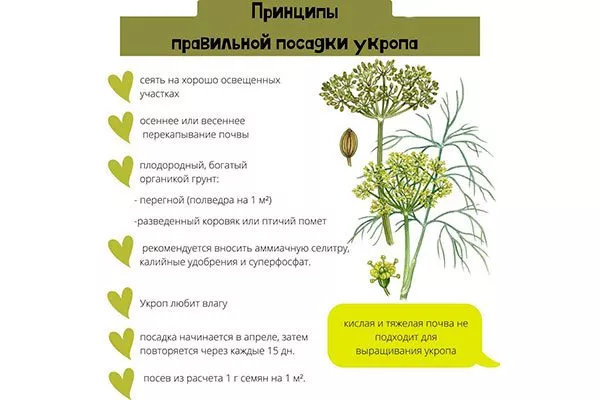
The period from germination to harvesting is approximately six weeks. To ensure a harvest in the second half of summer, resow in the first ten days of July – this will allow you to harvest fresh dill in August and September.
Subtleties of care
Caring for the Mamont variety is fairly simple and doesn't require much effort. However, following basic guidelines will help you achieve a healthy and bountiful harvest:
- Watering. Provide the plant with regular watering, especially during germination and active growth. The soil should be moist but not waterlogged. Apply water at the roots, avoiding drips on the leaves to prevent disease.
- Thinning. Once the seedlings emerge, thin the plants, leaving a distance of about 15-20 cm between them. This will ensure good air circulation and give each plant enough space to develop.
Repeat this procedure several times if necessary to avoid overcrowding and encourage strong plant growth. - Top dressing. To feed Mammoth dill, use organic fertilizers, such as mullein or chicken manure infusion diluted with water. Complex minerals are effective; apply them according to the instructions.
- Loosening and weeding. Regularly loosening the soil helps maintain air circulation and prevents crust formation. Remove weeds promptly to prevent them from competing with the dill for nutrients and moisture.
Diseases and pests
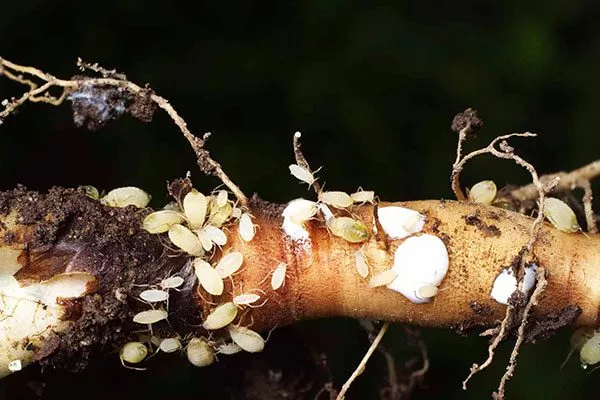
The crop can be affected by root aphids, a parasite that often enters the garden bed along with infected seeds. To prevent infestation, soak the planting material in a weak solution of potassium permanganate for 15 minutes before sowing. This treatment reduces the risk of insects and infections.
Fusarium wilt is a particularly dangerous dill disease. It develops with sudden temperature changes, high humidity, and cold snaps. Infected plants wilt, turn yellow, and stop growing.
Pros and cons
The variety is considered versatile, as it can be successfully grown not only outdoors but also in greenhouses and on balconies. But that's not all it has to offer. Other advantages of Mamont include:
Among the disadvantages, gardeners note the slow development of stems.
Comparative analysis with other varieties of dill
Among the many popular varieties, Mamont stands out for its balanced characteristics. Unlike earlier-ripening varieties, such as Kibray and Gerkules, it has a medium ripening period, allowing for longer harvest times without compromising on quality.
One of Mamont's key advantages is its slow flower formation, which allows the greens to remain tender and fragrant longer than varieties that tend to form stems quickly. Compared to Superdukat or Khanak, it retains the rich, classic aroma of dill.
Mammoth produces a large, vigorous plant with dense foliage and a voluminous rosette, which cannot be said of more compact varieties such as Ornamental or Wild. Its grayish-green leaves differ visually from the bright green foliage of the Almaz or Salute varieties.
Reviews
Mammoth dill is attractive for its resilience to adverse conditions and consistent productivity. Its abundant foliage and succulent leaves maintain their attractive appearance for a long time, and its classic, vibrant aroma makes it versatile for any culinary purpose. With proper and comprehensive care, you can reap bountiful harvests throughout the season.