
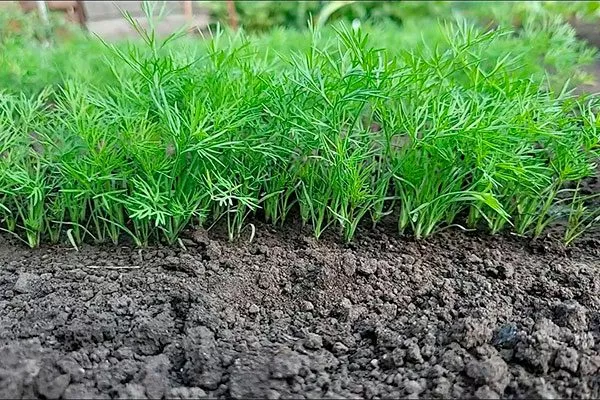
Shaggy Lion dill is characterized by lush green foliage, a compact bush, and a rich aroma. It is resistant to flowering, retains its juiciness for a long time, and is suitable for both fresh consumption and preservation. Its neat appearance and high yield make it a popular variety among gardeners and farmers.
Description and distinctive features of the plant
Shaggy Lion is an original variety developed by specialists from the Aelita agrofirm: V. G. Kachainik, M. N. Gulkin, S. V. Matyunina, and O. A. Karmanova. Since 2019, it has been officially included in the State Register and recommended for cultivation throughout the country.
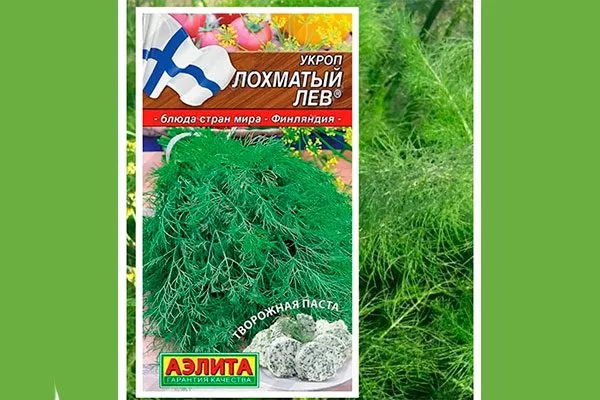
This vegetable is prized for its hardiness and decorative qualities. Its lush green foliage gives it an attractive appearance, making it popular among connoisseurs of fresh herbs. A distinctive feature of this cultivar is its dense rosette, which distinguishes it from other varieties.
This variety is weather-resistant and features slow flower stalk formation, allowing its foliage to last longer. It can also tolerate low light and short-term temperature drops, making it suitable for growing in a variety of climates.
External characteristics of the plant and its growth
Dill is characterized by a distinctive appearance that immediately attracts attention. Key developmental traits—rapid growth and the formation of a stable structure—are already noticeable in the early stages. This combination of ornamental and functional qualities makes it especially valuable for gardeners.
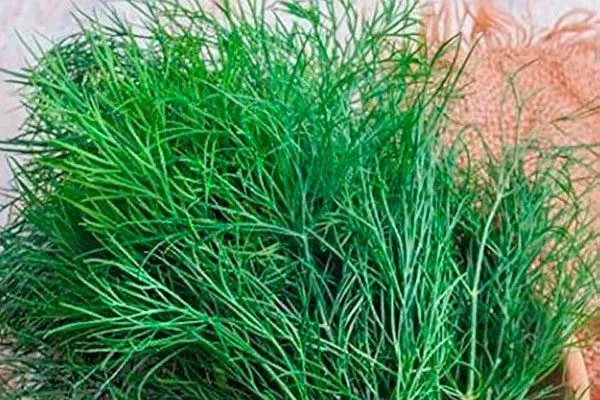
The main features of the Shaggy Lion:
- height - medium, which allows the plant to look organic in a plot of any size;
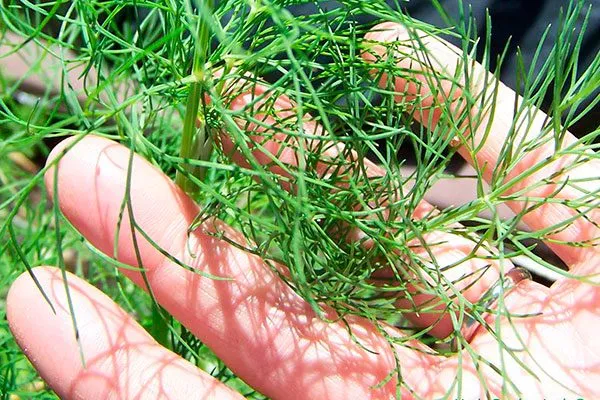
- foliage – thick, dense, with a rich green hue that makes it stand out from other crops;
- stems – Strong and durable, they support active growth and promote a long growing season.
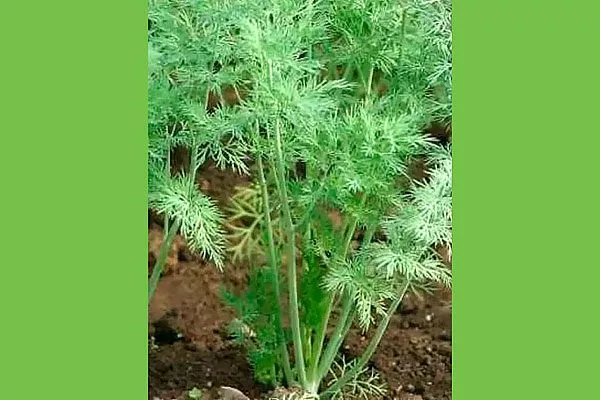
The compact shape of the bush makes it easy to plant even in limited space. Throughout the season, the plant maintains a stable shape and density, requiring little maintenance. Its uniform growth makes predicting growth easy and reliable.
Suitable conditions for growing
To ensure full ripening, it's important to create an optimal environment for the crop. This promotes vigorous development and increases plant resilience.
Basic requirements:
- Lighting. The plant thrives in open, well-lit areas. Insufficient light slows growth and the foliage loses its lusciousness, so shade is undesirable.
- Soil. Preference is given to loose, nutritious soil with good drainage. Stagnant water can damage the roots, so adequate drainage is essential.
- Temperature. The plant thrives in moderately warm climates. Extreme heat or frost negatively impacts its overall health and growth.
Planting and care rules
For successful growth It's important to ensure favorable conditions in advance. A well-chosen location, prepared soil, and adherence to basic agricultural practices significantly increase the chances of abundant and healthy greenery.
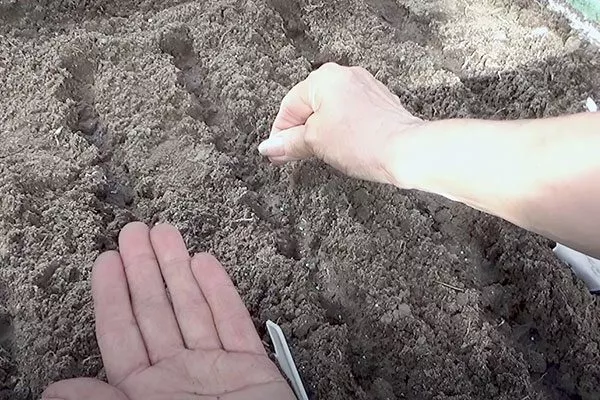
Step-by-step instructions:
- Loosen the area to a depth of 15-20 cm, remove weeds and large stones.
- Add organic fertilizer or compost to the soil to improve fertility.
- Mark out the beds with a distance between rows of about 20-25 cm.
- Make shallow grooves or holes 1.5-2 cm deep.
- Place dill seeds in furrows at intervals of 2-3 cm.
- Sprinkle the grains with loose soil and gently compact the surface.
- Water the bed with warm, settled water, avoiding over-watering.
- If necessary, cover with film until seedlings emerge to create a greenhouse effect.
Protecting plants from diseases and pests
An integrated approach that combines prevention, timely intervention and adaptation to specific conditions, helps minimize risks and strengthen the health of crops throughout the season.
Follow these recommendations:
- Regularly remove damaged parts and keep the area clean to reduce the risk of spreading infections;
- Maintain crop rotation, place beds correctly, use high-quality seed material - these measures are the basis for disease resistance;
- Attract predatory insects and use natural biological products to control pests without chemicals;
- In case of serious threat, use fungicides and insecticides, strictly observing dosages and waiting periods;
- Infusions of garlic, pepper or tobacco effectively repel many pests and are safe for plants.
Each method can be used separately or in combination with others, but the main thing is to monitor changes in a timely manner and prevent unforeseen situations.
Using greens in cooking
Shaggy Lion dill imparts a distinctive aroma and rich flavor to dishes. It not only enhances the flavor but also enhances presentation, adding brightness and freshness.
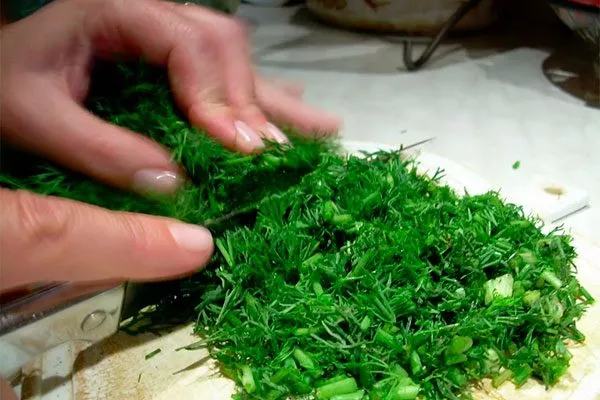
The greens are used both fresh and dried. Fresh leaves are added to the following dishes:
- salads;
- sauces;
- snacks;
- side dishes;
- hot dishes.
Beyond their flavor, greens are known for their health benefits. They contain vitamins and microelements, boost immunity, and improve digestion. Including them in your daily diet is not only delicious but also healthy.
Pros and cons
Reviews
Dill "Shaggy Lion" combines ornamental beauty, rich flavor, and ease of care. It thrives equally well in garden beds, greenhouses, and containers. Its resistance to bolting and abundant fragrant foliage make it an excellent choice for both home and commercial cultivation.