
The Gribovsky dill variety is very popular among gardeners. This is due to its low maintenance and high yield. To ensure a good harvest of juicy, aromatic greens, it's important to familiarize yourself with the proper growing instructions.
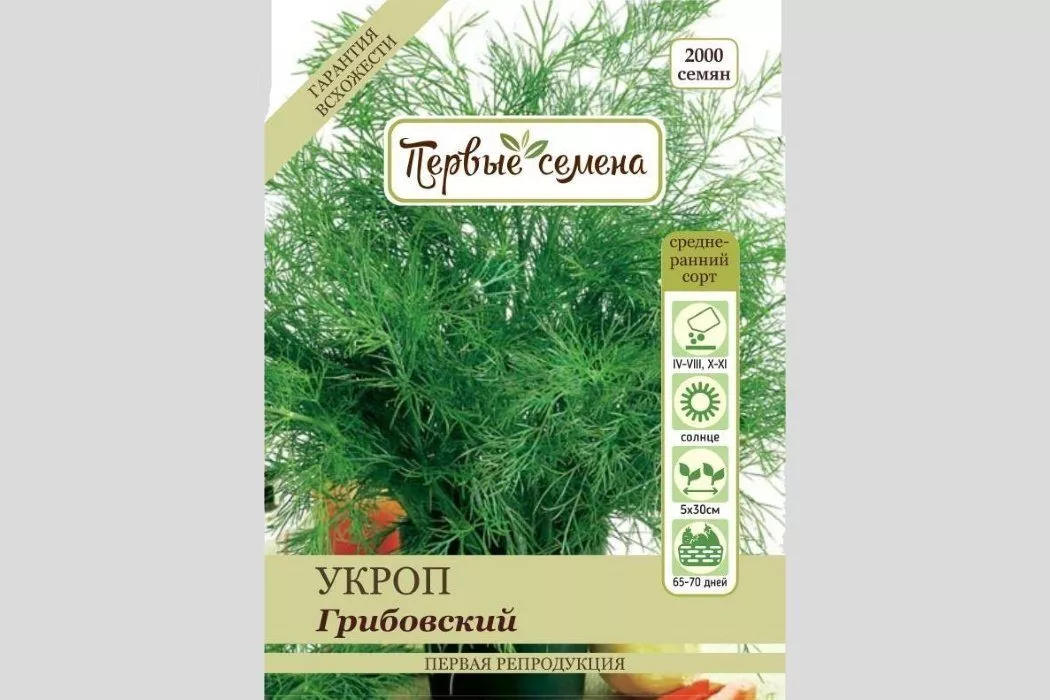
Gribovsky variety of dill
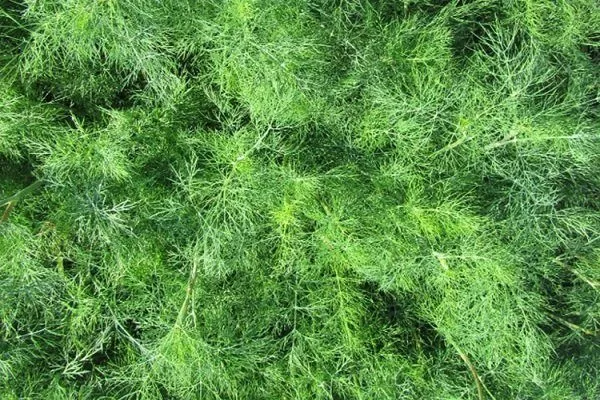
The Gribovsky variety is early
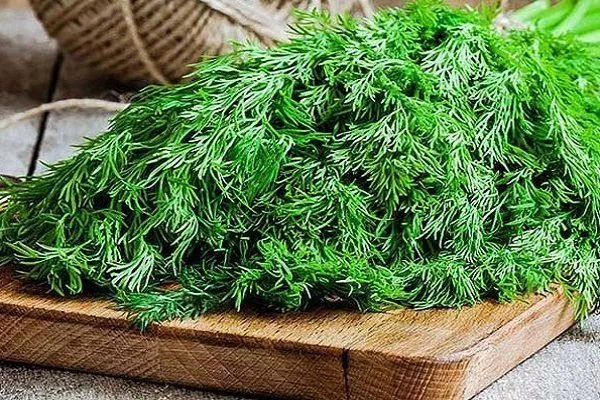
The Gribovsky variety of dill is easy to care for.
Description of the variety, advantages and disadvantages
Gribovsky dill is an annual garden crop. Compared to other dill varieties, it's ready to eat sooner than others: the greens can be harvested within a month of the first sprouts appearing. A distinctive feature of early varieties, such as Gribovsky, is their dark, but less dense foliage.
The shoots reach a height of 20-30 cm. The inflorescences are large, rounded, and feature prominent radial branches. The plant tolerates low temperatures and stress well.
Like any other dill variety, Gribovsky has its strengths and weaknesses. Among its advantages, the following are worth noting:
- Early ripening. With proper cultivation and care, dill is ready for consumption as early as mid- to late April.
- Frost resistance. This allows for early planting and an earlier harvest.
- Excellent taste and aroma characteristics that are preserved even after dill is processed for winter storage.
- Versatile use. The greens can be frozen, dried, canned, or eaten fresh.
- Easy to care for. Growing this crop requires standard procedures.
- Contains a large amount of minerals, vitamins, and essential oils that have a positive effect on the human body as a whole. All of dill's beneficial properties remain even after freezing or drying.
The disadvantages of culture include the following:
- low yield compared to late-ripening varieties;
- instability in the fight against some parasitic insects and diseases, therefore, it is recommended to periodically treat the crop with special agents;
- umbrellas are released quite early, which is not entirely convenient, since this time does not coincide with the period when conservation begins;
- Spontaneous seed dispersal makes it difficult to control the quantity and extent of dill spread in a garden plot.
Clearly, the Gribovsky dill variety has significantly more positive aspects than negative ones. This is why it is a favorite among many gardeners.
Landing
Gribovsky dill is most often grown outdoors. Some gardeners plant it in greenhouses, but this is only necessary when sowing in cold climates.
For a year-round harvest, dill is also grown on windowsills indoors, although this method is not very common. Regardless of the planting conditions, several factors should be considered.
Preparing soil and planting material
Dill thrives in sunny, well-lit areas. It's important that other umbelliferous crops (including celery and carrots) not be planted in the area before Gribovsky. Even planting them in the same bed isn't recommended.
- ✓ The soil should be light, with good water permeability and aeration.
- ✓ The optimal soil pH for Gribovsky dill is 6.0-7.5.
- ✓ Before planting, it is recommended to test for nitrogen, phosphorus and potassium levels.
Depleted soils are prepared starting in the fall. They are dug over and the required amount of compost and superphosphate is added. In the spring, loosening is carried out again, and the beds are formed at this stage. It is recommended not to plant too densely, maintaining a distance of 20-25 cm between rows.
There's no need to prepare dill seeds before planting them. You can open the packet and begin sowing right away.
Planting technology
Planting is carried out in several simple steps:
- Furrows are formed and watered abundantly.It is also recommended to dust them with wood ash.
- The seeds are planted deep into the ground by approximately 1 cm, maintaining a planting distance of 6-10 cm. Gribovsky has fairly large planting material, so there shouldn't be any problems.
- The crops are mulchedThere is no need to water them.
To ensure dill continues to grow and develop actively, it is important to consider several of its characteristics:
- tolerable temperature drop for the Gribovsky variety is up to -4 degrees;
- seeds begin to germinate at a temperature of +3 degrees;
- Greenery develops well in the range from +15 to +20 degrees.
Caring for crops in open ground
Growing Gribovsky dill doesn't require any complicated procedures. Just know some basic care tips to ensure a great harvest.
Watering
Excess moisture negatively impacts the essential oil content of dill, which in turn can lead to a decrease in yield. Therefore, the crop should be watered moderately, avoiding overwatering.
During dry periods, watering the soil once a day is sufficient. In cooler and cloudier weather, increase the intervals between waterings to 2-3 days.
Top dressing
If the dill bed has been prepared in advance and the soil is sufficiently rich, no additional feeding is required—this fast-growing crop already has sufficient nutrients. However, if the soil preparation recommendations haven't been followed, the plant will promptly request additional feeding, signaling its need by appearing unhealthy.
- ✓ Pale or yellowing leaves may indicate a nitrogen deficiency.
- ✓ Slow growth and weak stems are a sign of phosphorus deficiency.
In this case, you can water the dill with a urea or mullein solution. Nitrogen-containing fertilizers are also recommended.
Loosening and weeding
The Gribovsky variety produces good seedlings in well-aerated soils, so after watering or rain, the spaces between the rows should be loosened. The first loosening should be done after seedling emergence to a depth of 4-7 cm, and subsequent loosenings should be done to a depth of 8-12 cm.
To ensure all the nutrients reach the greens and aren't wasted on weeds, weed the bed as needed. This also promotes dill growth because weeds compact the soil and retain moisture, which negatively impacts the crop.
Diseases and pests
The Gribovsky variety itself is considered resistant to many diseases. It is most susceptible to fungal diseases. The most common include the following:
- powdery mildew;
- phomosis;
- Cercospora leaf spot.
Save garden culture from such diseases Following the rules of care and cultivation will help:
- Avoid planting dill near carrots and celery, as it can pick up many diseases from these plants. Tomatoes, legumes, and cucumbers are considered the best predecessors and neighbors for this crop.
- To prevent diseases from being passed on to plants from generation to generation, dill should not be planted in the same place for several years in a row.
Among the pests that most actively attack greenery are the following:
- aphid;
- umbrella moth;
- carrot psyllid;
It's important to remember that dill absorbs nitrates very well, so avoid using toxic agents when controlling pests. It's best to use proven folk remedies, such as treating with orange peel infusions, tobacco dust, or tobacco decoction.
Harvesting and storage
The Gribovsky dill variety produces green mass suitable for consumption fairly quickly, so the harvesting period is limited. It is recommended to harvest the dill after 6-7 sprigs have emerged. During this period, the leaves are harvested for fresh consumption, freezing, or drying.
The plant then begins to actively bloom, making it difficult to harvest the greens. Now you can collect seeds for planting next year or umbels for making marinade.
For storage, all fresh herbs are collected, removing any blemished leaves, thoroughly washed under warm water, and then dried. Now the dill is ready for freezing or further drying (these are the two methods used to store the harvest). Some gardeners also salt their herbs by alternating layers of sprigs with salt.
Following simple rules for planting and caring for the Gribovsky dill variety will allow gardeners to quickly reap an excellent harvest. The taste and aroma of timely and properly harvested and prepared herbs will delight you all year round.