
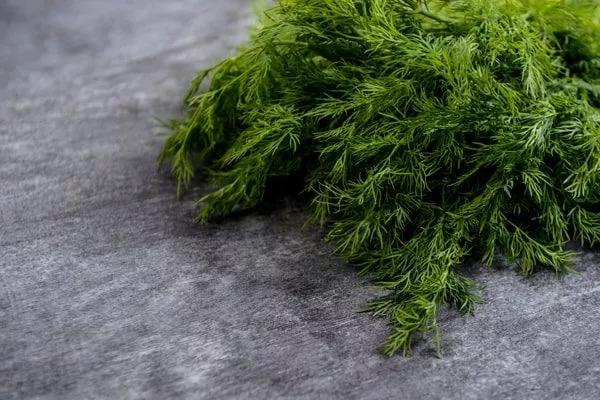
Dill Grenadier is an early-ripening, low-maintenance variety characterized by a strong immune system. It produces good yields with proper care. It quickly forms juicy, aromatic foliage suitable for fresh use and for seasoning. Suitable for both open and protected cultivation, it easily adapts to a variety of climatic conditions.
General description of the dill variety Grenadier
The variety was developed by breeders M. M. Tsiunele and S. F. Gavrish and included in the State Register in 2002. Thanks to its excellent qualities, the crop quickly became popular among gardeners.
Maturation period and purpose
Grenadier dill is an early-ripening variety, characterized by rapid growth and a short harvest period. It takes approximately 30-35 days from full germination to technical maturity, when the greens reach an optimal size for consumption.
Main characteristics:
- Thanks to its short growing season, this variety allows for multiple sowings per season, ensuring a consistent harvest of fresh herbs. The spice production—seeds and flowers—requires a longer period: 70 to 90 days after germination.
- The primary purpose of growing this variety is for its greens. Dill leaves have a soft, juicy texture and a rich aroma, making them prized fresh and for culinary purposes. The greens are also suitable for spice production, increasing its versatility.
- The variety is successfully cultivated both outdoors and in protected ground, including greenhouses, so it can be grown in different climatic conditions and almost all year round.
Yield of greens and spices
Productivity figures may vary depending on soil conditions, cultivation conditions, and weather, but even under unfavorable conditions, Grenadier produces good results. Average crop yield:
- on the greens – from 1.5 to 4.5 kg per 1 sq. m;
- for spices – from 3 to 7 kg per 1 sq. m.
This dill variety thrives in a variety of climates and is undemanding. However, its shelf life is limited, which is important to consider when planning its cultivation.
Resistance to diseases and growing conditions
Grenadier dill exhibits increased resistance to the most common diseases, thereby reducing the risk of crop losses and minimizing the need for chemical pesticides. Strong immunity reduces maintenance costs and produces environmentally friendly produce.
However, absolute immunity to disease does not exist. In adverse weather or poor agricultural practices, infections can develop. To reduce these risks, follow these recommendations:
- observe crop rotation;
- choose well-lit and drained areas;
- Loosen the soil regularly and remove weeds promptly.
These measures help strengthen the plant's immunity and create favorable conditions for their growth.
This variety is characterized by its low maintenance, making it suitable for both experienced and novice vegetable growers. It thrives in a variety of soil types, although it performs best in fertile, well-drained soils.
Morphological characteristics
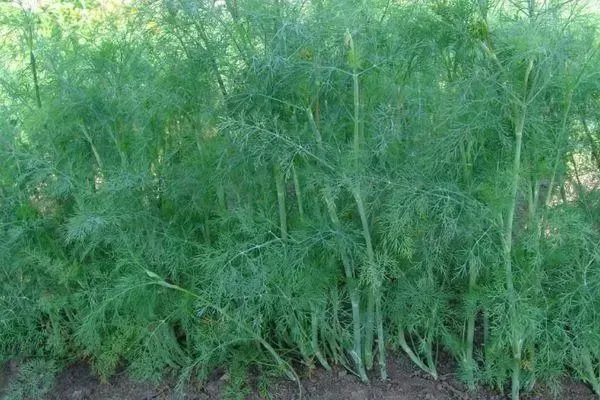
The Grenadier dill variety has a semi-erect rosette of leaves, providing better ventilation and uniform light distribution. Its height is 20-25 cm—a relatively compact height, especially compared to late-ripening or bush varieties.
Distinguishing characteristics:
- The leaves are large, deeply dissected, with an openwork structure, and a rich green color, which indicates a high chlorophyll content and active photosynthesis processes.
- An average plant produces 10-12 leaves, providing a good volume of green material for harvesting. The surface is covered with a light waxy coating, giving them a matte finish and protecting them from excess moisture evaporation—especially important when growing in dry conditions.
- The stem is erect, remains compact until the flowering phase, after which it stretches upward.
- During flowering, the variety produces a dense foliage, making it suitable not only for harvesting greens, but also for collecting spicy inflorescences and seeds.
Resistance to lodging simplifies plant care and harvesting, especially when grown in open ground.
Growing and care
Grenadier is an easy-to-grow variety that adapts easily to a variety of conditions. To achieve maximum yield and produce flavorful, juicy greens, basic farming practices are essential.
Sow in early spring (as soon as the soil warms to 8–10°C) and repeat every 2–3 weeks until the end of July to ensure a consistent harvest of greens. To obtain seeds, sow in April.
Helpful tips:
- Dill prefers loose, fertile, well-drained soil with a neutral or slightly alkaline pH. In the fall, dig the bed, adding humus or compost (3-4 kg per square meter), and in the spring, add wood ash and a little superphosphate.
- Place the seeds at a depth of 1.5-2 cm, spacing them 15-20 cm apart. Then lightly compact the soil and moisten it. To speed up germination, cover the bed with plastic wrap until the sprouts emerge.
Follow standard agricultural practices:
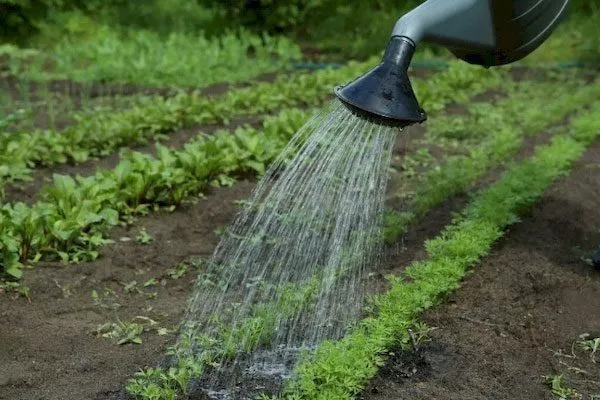
- Dill thrives in moisture, especially during the active growth phase. Water the plants regularly – 2-3 times a week, especially in dry weather. Use warm, settled water – apply it to the roots, avoiding stagnant water.
- After each watering, loosen the soil to allow air to reach the roots and prevent crusting. Remove weeds promptly, especially during the initial growth period.
- When grown in fertile soil, no additional fertilizing is required. In poor soil, apply herbal infusion when the plants have 2-3 true leaves. Nitrogen-based fertilizers (such as ammonium nitrate) are suitable, but only in moderate doses.
- In dense plantings, thin out the seedlings, leaving 5-7 cm between plants so that the greenery develops fully.
- To harvest dill, harvest when the leaves reach 10-15 cm in height. Cut the leaves selectively or whole clumps.
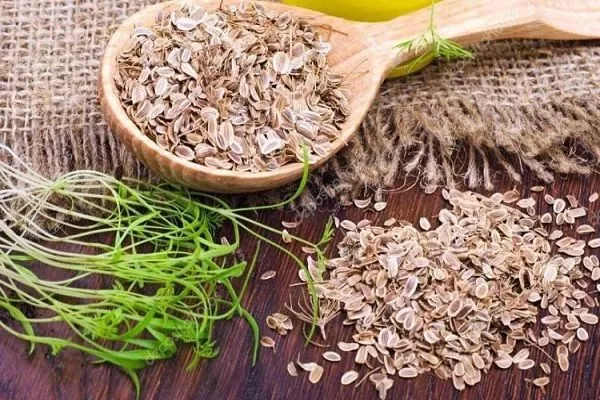
- To obtain umbels and seeds, carry out this process later – in 2-3 months. Cut off the umbels when the seeds begin to brown, then dry them in the shade.
Pros and cons
Reviews
Grenadier is a reliable dill variety for those who value a consistent harvest, easy care, and rich, flavorful greens. Its early maturity, disease resistance, and versatility make it deservedly popular among gardeners. Its excellent qualities justify trust, even in unstable weather conditions.