
Hercules is a popular dill variety distinguished by its high productivity and resistance to pests and diseases. Its rich aroma and large leaves make it versatile in cooking. Its good frost resistance and low maintenance make it easy to care for. With simple cultivation techniques, you can reap abundant harvests throughout the season.
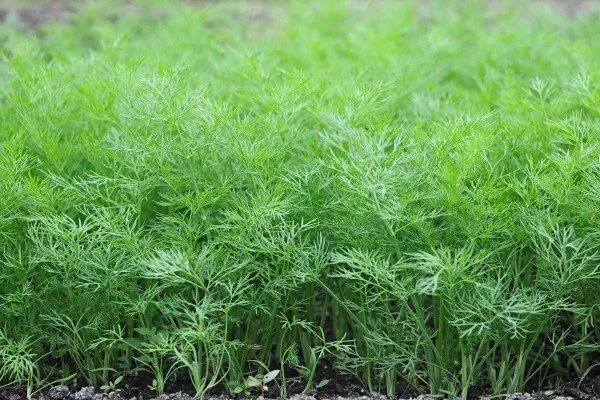
Description of the dill variety Hercules
This green is beloved by gardeners across our country for its excellent taste and low maintenance. Its abundant foliage sets this variety apart from others.
Morphological characteristics and dimensions
The rosette of leaves of Hercules is semi-raised, about 25 cm high. During the flowering phase, the height of the bushes reaches 90-95 cm.
Distinguishing features:
- the leaves are large, deeply dissected, rich green in color, sometimes with a slight bluish bloom;
- the aroma of greenery is bright and persistent;
- Due to its morphological features, the variety can be planted at high density, which ensures a bountiful harvest;
- Its compact size makes Hercules suitable not only for garden beds, but also for container cultivation – on balconies or windowsills.
The absence of excessive stem stretching has a positive effect on the volume and quality of green mass.
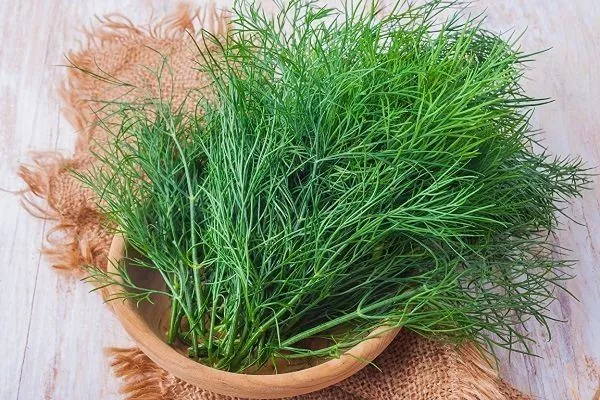
Information on approval, patent, origin and regionality
Hercules is a universal-purpose dill variety bred by specialists from Agrofirm Poisk LLC under the supervision of A. N. Khovrin, S. V. Maksimov, and N. N. Klimenko. It has been officially approved for use since 2007.
Patent application No. 45704 was filed on October 19, 2006. On the same day, a request for legal protection for the variety was filed under No. 49557. Patent No. 4541 was issued on February 26, 2009, and is valid until December 31, 2039.
This variety is recommended for outdoor cultivation throughout Russia, including the Central Federal District, the Urals, Western and Eastern Siberia, and the Far East. Dill is also cultivated in the following regions of the country:
- Northwestern;
- Volga-Vyatka;
- Central Black Earth;
- North Caucasian.
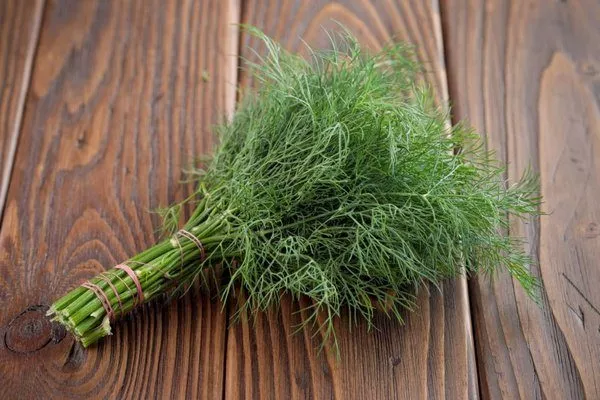
Ripening time and yield
Hercules is a mid-season variety: 40-45 days pass from full germination to harvesting. Seed production takes 65-70 days before flowering. This variety is characterized by good productivity, with plants producing abundant green mass.
Yield per plant:
- on the greens – 20-25 g;
- for spices – up to 50 g
Dill is also prized by gardeners: the bushes retain their marketable appearance for a long time and produce consistently fresh greens suitable for daily use. Actual yields depend on proper agricultural practices and growing conditions.
Sustainability
Hercules tolerates adverse weather conditions and common diseases. One of the variety's key advantages is its frost resistance—the bushes can withstand short-term frosts down to -4°C without losing their yield.
Thanks to this, sowing can be done in early spring without fear of recurrent frosts, and the harvesting of greens can continue until late autumn. This resilience allows the variety to be successfully grown even in regions with cool climates.
Hercules exhibits resistance to fungal and bacterial diseases, reducing the need for chemical pesticides. This is especially important for eco-friendly farms and private gardeners. Reliable immunity simplifies care and reduces costs.
Using dill Hercules
This crop is distinguished by its versatility. Its aromatic and juicy greens can be eaten fresh, added to various dishes and preserves, dried, or frozen.
Use in fresh form and processing
Rich in essential oils and possessing a rich aroma, dill Hercules is perfect for using straight from the garden – as a spicy addition to salads, soups, stews, and other dishes.
Main characteristics:
- the leaves have a mild taste and retain their aroma even after heat treatment;
- Greens can be frozen – this method allows you to preserve the maximum amount of nutrients and vitamins;
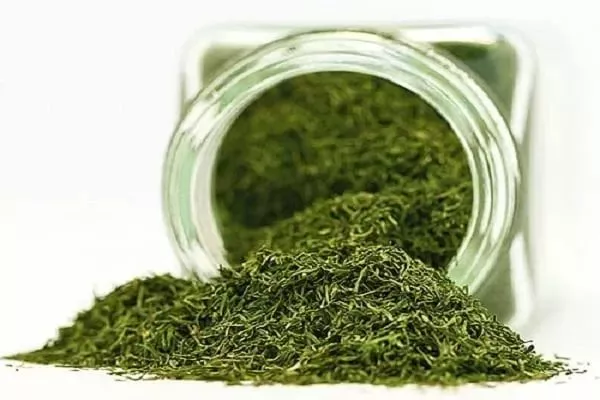
- drying is possible: dried dill does not lose its aroma and is used as a seasoning all year round;
- This variety is also perfect for canning – it adds a special spicy note to marinades and pickles.
Thanks to its versatility, Hercules is rightfully considered an important ingredient in both everyday and festive cuisine.
In folk medicine
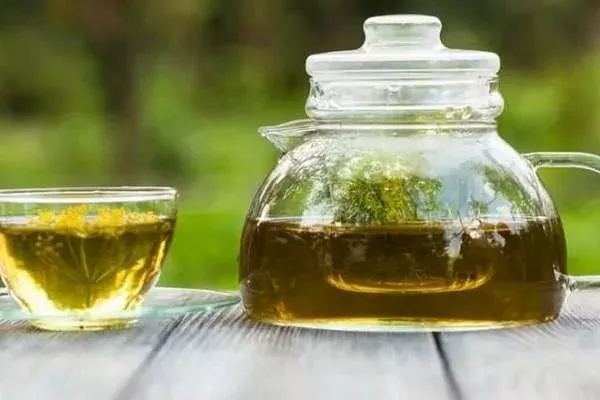
The medicinal properties of dill have been scientifically proven: its seeds are officially recognized as a medicinal plant. The herb is widely used in folk medicine and dietetics.
Features and useful properties:
- infusions Leaves and shoots are easy to prepare at home - they are used for high blood pressure, and also as a mild pain reliever and diuretic;
- seeds and essential oil dill acts as a natural sedative and antispasmodic;
- decoctions The seeds are taken internally for gastrointestinal disorders and as part of a complex treatment for hemorrhoids; externally, they are effective for healing wounds, reducing inflammation, and relieving itching after insect bites.
In cosmetology
Chopped dill is used in masks and compresses that help lighten age spots, refresh the skin of the face, neck, and hands, and saturate it with vitamins. Cosmetic dill ice cubes are very effective:
- relieves puffiness around the eyes;
- reduce inflammation;
- moisturize the skin.

Landing rules
Hercules dill is a popular variety with high yields and excellent tolerance to adverse conditions. To ensure a bountiful and high-quality harvest, it's important to follow proper growing practices.
When is the best time to plant?
The optimal time for planting is early spring, when the soil warms to 8–10°C. Thanks to its good frost resistance, this variety can withstand short-term frosts down to -4°C, so sowing can be done early enough to yield an early harvest of greens.
Some gardeners prefer to sow seeds in midsummer. This is convenient, as it allows for a later harvest for winter storage.
Preparing for landing
Before planting, the planting material must be properly treated. Follow these recommendations:
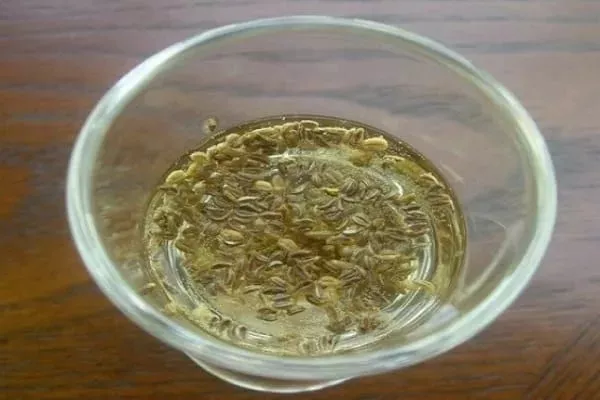
- Soak the seeds in warm water for several hours to speed up germination.
- Immerse in a solution with a growth stimulator for 30 minutes.
- Loosen the bed well and clear it of weeds.
It is important to ensure uniform soil moisture so that the seeds germinate quickly.
Soil requirements
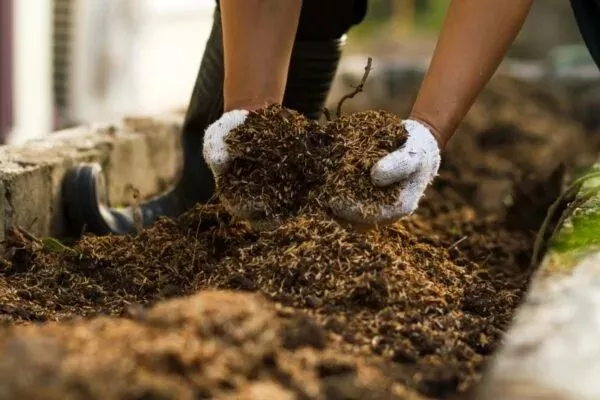
Dill Hercules prefers loose, fertile, well-drained soil with a neutral or slightly acidic pH (6-7). Heavy clay and excessively wet soils are unsuitable, as they inhibit root development and can cause disease.
Planting diagram and rules
Sow dill seeds in rows spaced 20-25 cm apart, spacing plants within a row approximately 5-7 cm apart. Plant the seeds 1.5-2 cm deep. This pattern ensures good ventilation and plant development, and is also convenient for care and harvesting.
After planting, moisten the area with warm water and mulch if necessary to retain moisture and prevent weed growth. Following these simple planting guidelines will help you grow healthy, flavorful dill with a bountiful harvest.
Growing technology
Hercules is an easy-to-grow variety that, with proper care, produces rich greenery. To ensure a high-quality and tasty harvest, follow these basic cultivation techniques:
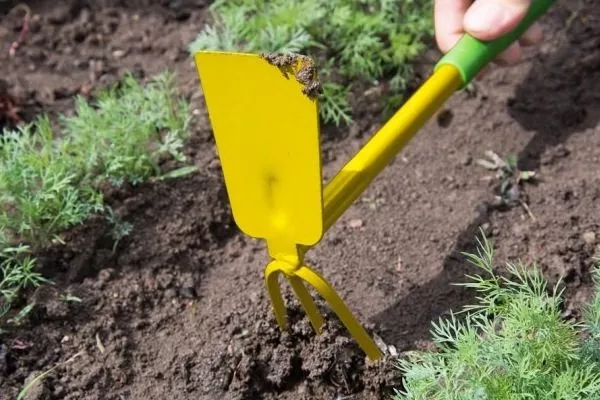
- Loosening and weeding. After planting and emergence, dill requires regular soil loosening. This improves air circulation in the root zone, promotes better absorption of moisture and nutrients, and prevents the formation of a hard crust on the surface.
Loosen the soil carefully to avoid damaging the roots of young plants. At the same time, remove weeds, as they compete with dill for nutrients and moisture, reducing productivity.
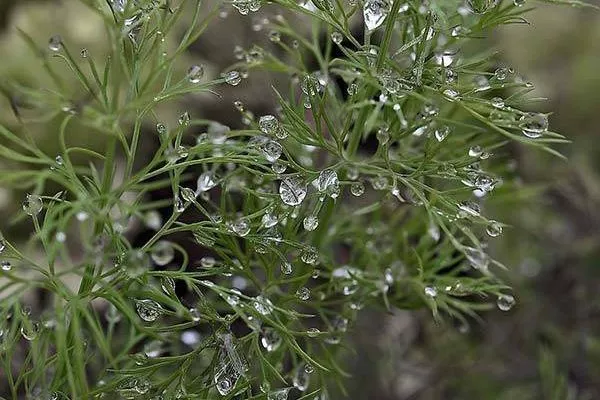
- Watering. Hercules requires frequent and even soil moisture. Watering is especially important during the period of active growth, when the plants consume a lot of water.
Water the bushes with warm, settled water at the roots, avoiding drips on the leaves to prevent fungal diseases. The frequency of watering depends on weather conditions, but on average, once every 3-4 days in dry weather. Root rot can occur with overwatering and stagnant water, so be careful not to overwater.
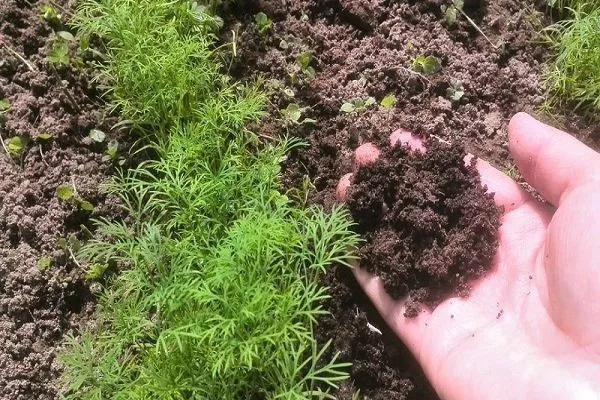
- Top dressing. To ensure good growth and abundant foliage, Hercules dill requires regular feeding. Two to three weeks after germination, apply organic fertilizer, such as diluted mullein or chicken manure. For subsequent feedings, complex mineral fertilizers containing nitrogen, phosphorus, and potassium are recommended.
Tips for harvesting and preserving
To obtain generous amounts of dill and improve its quality, harvest it during the plant's active growth period—before it begins to bloom. The best time to harvest is when the leaves reach their full size and rich green hue.
Basic requirements:
- Use a sharp knife or pruning shears to cut the leaves 5-7 cm above the soil surface. This method promotes vigorous growth of lateral shoots and increases the overall yield.
- For fresh consumption, immediately place the collected greens in the refrigerator, after wrapping them in a damp cloth or placing them in a plastic bag with holes for ventilation.
- For long-term storage, it's best to freeze or dry the herbs. In this case, spread the dill in a thin layer in a well-ventilated area, protecting it from direct sunlight.
Diseases and pests
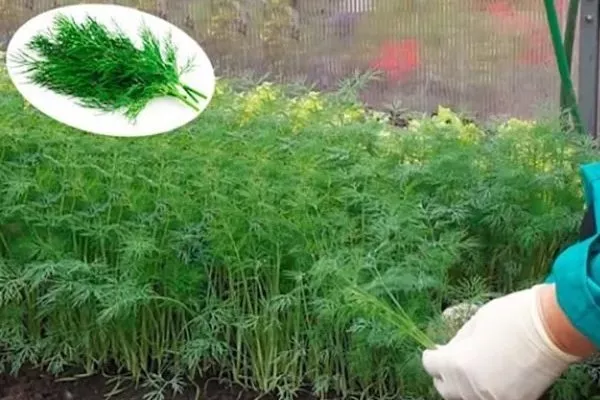
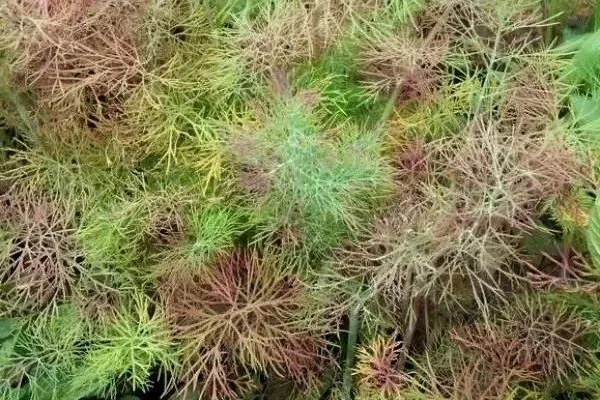
The photo shows a healthy dill variety, Hercules, which is rarely attacked by pests. However, the crop can sometimes suffer from fungal diseases, including:
- powdery mildew – a white, cobweb-like coating covering the leaves;
- phomosis – oblong dark spots on leaves, stems and even roots;
- black leg - darkening, rotting and softening of the root collar of seedlings;
- downy mildew – The symptoms are similar to powdery mildew.
The use of chemicals to combat these diseases is not recommended, as dill is often consumed fresh. A safer and more effective method is to treat the seeds with disinfectants before planting.
For example, grains can be soaked for several hours in a solution of potassium permanganate or treated with biostimulants to boost plant immunity.
Pros and cons
Hercules dill thrives especially well in early, warm springs. Its abundant greenery makes it an excellent choice for both home gardens and commercial cultivation on any scale.
Other benefits:
The main disadvantage of this variety is the relatively short shelf life of fresh herbs.
Reviews
Hercules is a mid-season dill variety that has received many positive reviews. Its compact bushes fill the air with a rich aroma. The greens have a vibrant flavor and a persistent aroma, and are suitable for fresh eating, drying, and freezing. Resistant to diseases and adverse weather conditions, this variety is a favorite for both home gardens and commercial cultivation.