
Ataman dill is a variety with a vigorous rosette, high yield, and a distinct spicy aroma. It is cold-hardy, easy to care for, and has a long harvest period. The compact bush quickly develops foliage and forms umbels toward the end of the growing season, making it especially valuable for preserves and culinary use.
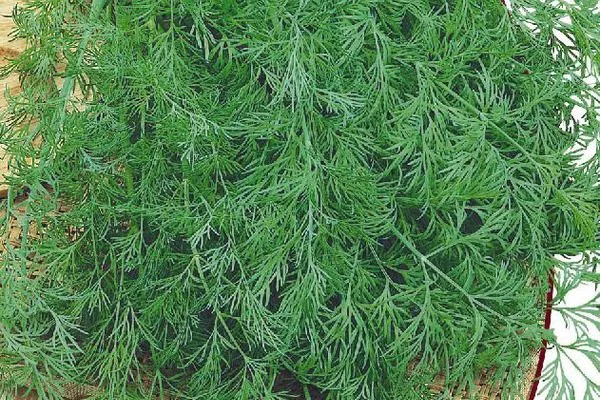
Description of the dill variety Ataman
The variety was created by breeders V. M. Nalizhit, N. M. Nasrullaev and M. V. Zotov. It was officially approved for cultivation in 2008.
Distinctive features of the Ataman:
- Plant - Compact, low-growing, reaching a height of only 35-40 cm. Despite its modest size, the plant is highly productive: it begins to actively bush out from the very base, forming numerous new rosettes.
- Stems – medium thickness, juicy, tender, with a green color and a light waxy coating.
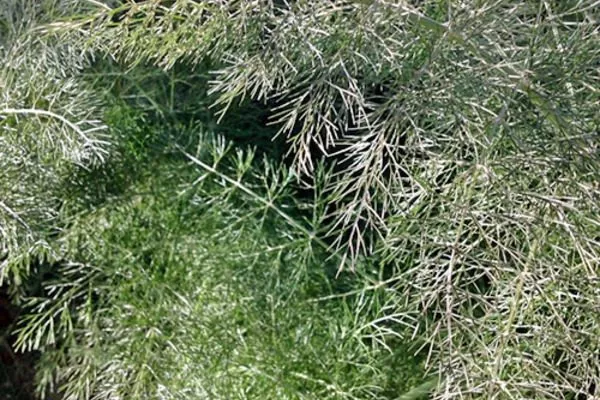
- Leaves - Dark green, rich, deeply dissected, with a triangular outline and medium-length petioles. The surface of the leaf blades is often covered with a bluish waxy coating.
- Flower umbrellas – Flat, multi-rayed. The main inflorescence is large, rounded and flat, located in the center of the bush, with several smaller inflorescences appearing nearby.
Flowering occurs towards the end of the growing season, which means the plant actively produces foliage for cutting for 1.5 months.
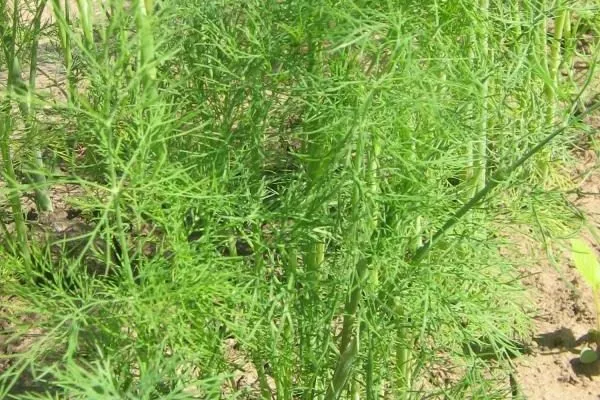
Ataman is renowned for its rich aroma and abundant, succulent foliage. The variety boasts consistently excellent flavor. The plant is undemanding in terms of growing conditions. It thrives in loamy and sandy soils and is resistant to disease, low temperatures, and short-term moisture stress.
Characteristics
This is a cold-hardy variety—seeds germinate at soil temperatures of 5 to 7°C. However, the plant grows most vigorously at air temperatures of 15 to 18°C; at lower temperatures, leaf rosette growth may slow. However, the foliage is resistant to short-term frosts down to -1 to -2°C.
Other cultural features:
- During dry periods, this variety requires regular watering. Although it can tolerate temporary drought, a lack of water dramatically reduces the flavor of its greens—the leaves become coarse, dry, and lose their aroma.
- Dill reaches biological maturity 50-60 days after germination—at this point, umbels form and seeds begin to ripen. However, the first harvest can be made as early as 30 days after the sprouts emerge.
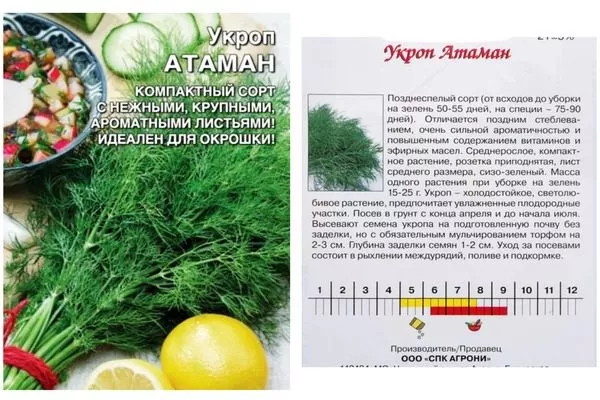
- This variety is well suited for growing both outdoors and under plastic covers. Thanks to its high cold tolerance, it can be sown before winter to produce fresh greens as early as late May or early June.
Important conditions for a high yield:
- fertile soil, rich in organic matter and minerals;
- regular and abundant watering;
- good lighting on the site.
This variety is characterized by excellent shelf life and marketable appearance. Dense bunches of dark green, aromatic greens remain fresh for a long time in the refrigerator and retain their attractive appearance during transportation.
Its spicy aroma and rich flavor make this herb versatile. It's popular in salads, side dishes, and meat and vegetable dishes. It's especially prized for its vibrant flavor in marinades and pickles. Dill is easy to dry, freeze, and preserve, making it suitable for use year-round.
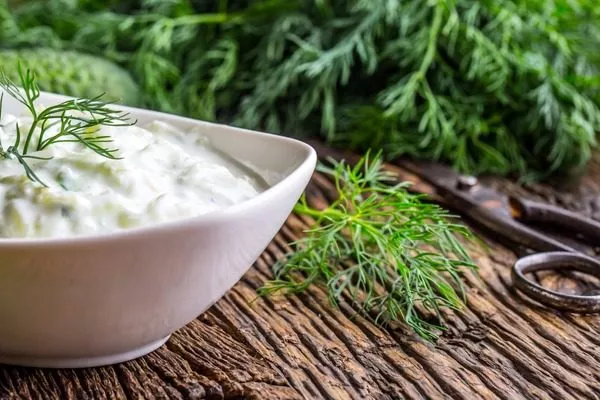
Planting and caring for dill Ataman
Given that this is a late-ripening bush variety, growing it as a companion plant with other vegetables or before planting other crops is not advisable. Dill requires its own sunny, wind-protected spot. Read on to learn how to properly grow dill outdoors. Here.
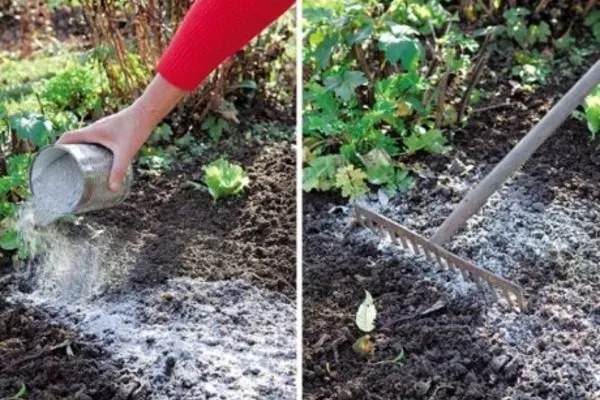
Ideally, the soil in the chosen bed should be fertile and loose. If the soil is poor, dig it over in the fall, adding well-rotted compost. If the soil is highly acidic, be sure to add wood ash—dill thrives in neutral soil.
Recommended sowing dates for the crop:
- under the film – in the first half of April;
- into open ground – at the end of April;
- before winter – in mid-October.
General recommendations:
- Sow the seeds into moistened furrows, lightly sprinkled with ash.
- Do not place more than three rows in one bed, keeping a distance of 20-25 cm between them.
- After sowing, mulch the area with peat or loose soil.
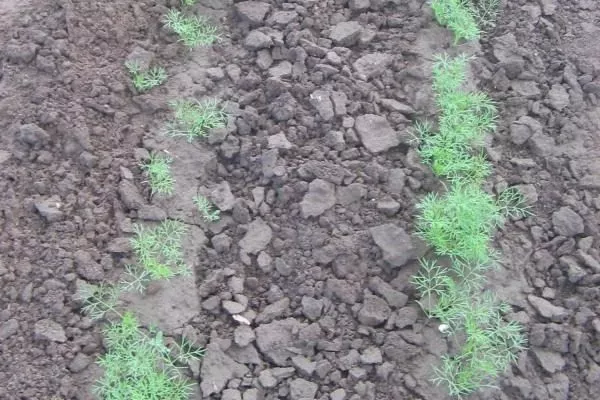
During cool springs, seedlings may take 10-14 days to emerge. At this stage, it's important to prevent weeds from choking the sprouts. Once the seedlings emerge, thin them out, leaving 5-8 cm between plants.
Care consists of watering, weeding, and occasional loosening of the soil. Growing Ataman dill requires little effort, and its high yield and aromatic greens will ensure a harvest even if space is limited.
Fertilizer to improve the growth of greenery
To actively grow leaves and produce a vibrant aroma, the crop requires timely and appropriate nutrition. This not only increases productivity but also strengthens the plants, increasing their resilience to stress.
Follow these recommendations:
- Use organic matter—compost, humus, and herbal infusions. These fertilizers enrich the soil with essential elements and improve its structure. Additionally, add mineral fertilizers containing phosphorus and potassium—they stimulate the development of green mass and strengthen the root system.
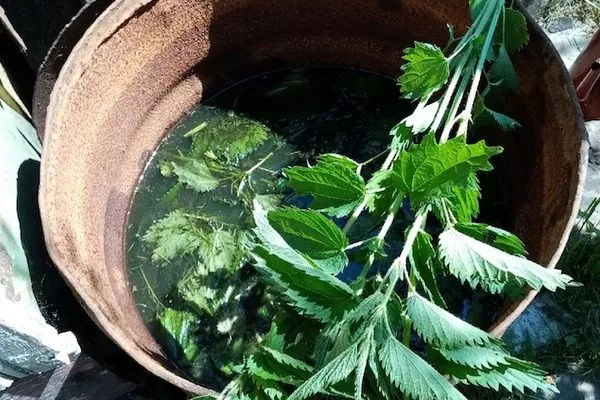
- Fertilize Ataman at strictly defined times: at the beginning of active growth and during the leaf formation phase. Follow the dosage and frequency of application, following the recommendations for the specific fertilizer type.
You can read more about fertilizing dill here. Here.
Tips for harvesting and storage
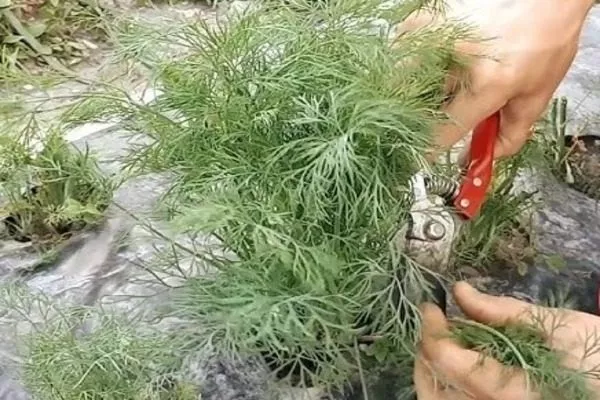
Only prune greens in dry weather to prevent mold and rot. Use sharp scissors or pruning shears to avoid damaging the stems. Select only healthy, robust plants with no signs of wilting or disease.
Storing dill requires care and compliance with the following conditions:
- First, wash off dust and dirt with cold water, then dry the greens thoroughly;
- To prolong freshness, use a refrigerator or a cool, dark room;
- Wrap greens in paper towels or place in airtight containers to prevent them from drying out.
Diseases and pests
Ataman is characterized by good resistance to fungal infections and rarely gets sick. However, during prolonged, cold, and damp summers, especially towards the end of the growing season, powdery mildew may appear. Read more about dill diseases and pests. Here.
As a preventative measure, it is recommended to spray the bushes with a weak solution of potassium permanganate. If signs of disease appear, carefully remove the affected plants from the garden bed and destroy them to prevent the spread of infection.
Pros and cons
Dill 'Ataman' receives mostly positive reviews from gardeners. Its main advantages include:
- stable and high yield;
- late formation of umbrellas, which prolongs the period of harvesting greens;
- cold resistance and the possibility of winter sowing;
- unpretentiousness in care and strong immunity to diseases;
- rich taste and distinct aroma;
- excellent shelf life and good transportability.
Disadvantages include a high need for sunlight and regular watering. However, the variety is ideal for both novice gardeners and for growing in regions with unstable climates, including the Central Russian region.
Reviews
Ataman dill has become popular and sought after due to its weather resistance, excellent flavor, and good shelf life. It's suitable for winter sowing, provides fresh greens all season long, is disease-resistant, and produces a consistent harvest even in limited spaces. This variety is an excellent choice for both experienced and novice gardeners.