
Amazon dill combines high yield, bolting resistance, and low maintenance. It is grown not only for fresh herbs but also for processing. Characterized by succulent, aromatic leaves and tolerance to a variety of climatic conditions, it is attractive to gardeners in our country.
Description of the Amazon dill variety
This is one of the most sought-after varieties. It was developed by breeders Mikhail Mechislavovich Tsiuneli and Sergei Fedorovich Gavrish. It has been officially approved for use since 2002.
Its development was the result of collaboration between two companies: Agrofirma Gavrish LLC and Selection Firma Gavrish LLC. Amazon is renowned for its high yield and excellent taste.
Morphological characteristics
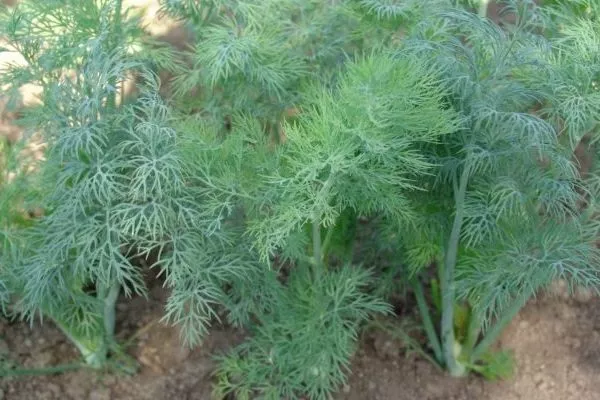
Amazon is a tall, bushy plant, reaching 100-130 cm in height. It forms a vigorous, spreading plant with numerous lateral shoots arising from the leaf axils. The raised rosette ensures good ventilation within the bush and reduces the risk of fungal diseases.
Main characteristics of the variety:
- leaves - large, dark green with a distinct bluish tint, especially noticeable in cool weather;
- leaf blade – juicy, with a short petiole and dense, shortened, flattened-thread-like segments;
- root system – powerful, allows for efficient absorption of nutrients from the soil;
- stem – upright, strong, helps maintain shape even with abundant foliage;
- umbrellas – in the flowering phase they reach 20-21 cm in diameter;
- aroma – strong, rich, makes the variety universal (for fresh consumption and processing).
Late umbel formation prolongs the period of active leaf harvest. A single plant can produce up to 18 leaves, and the total weight of the green part varies depending on growing conditions.
Ripening time and growing season
The Amazon dill variety is characterized by rapid growth. The time from germination to technical maturity (harvesting of greens) is 42-45 days.
Yield indicators and commercial qualities
This variety is particularly attractive for both home gardens and commercial cultivation due to its high productivity. Its potential allows it to successfully provide fresh herbs and raw materials for spice production.
Yields vary depending on soil quality, farming practices, and weather conditions, but even under unfavorable conditions, the variety delivers consistent results. Average yields are:
- on the greens – from 1.4 to 4.1 kg per 1 sq. m;
- for spices – from 2.9 to 6.7 kg per 1 sq. m.
One of the factors that ensures such productivity is the crop's high resistance to bolting, which significantly extends the harvest period and preserves the quality of dill.
The greens of this variety have good commercial characteristics:
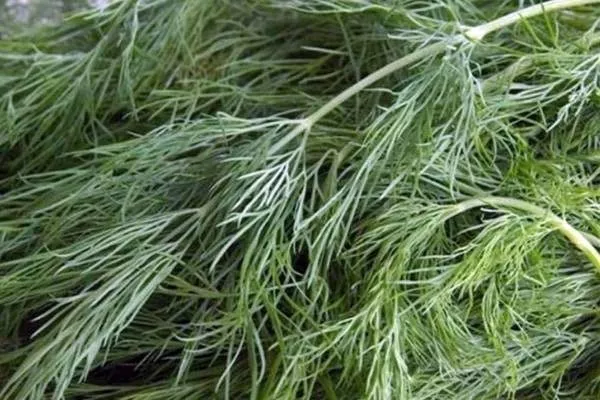
- large, dark green leaves with a slight bluish tint;
- juicy, tender texture without coarse fibers and tough stems;
- distinct, rich aroma;
- resistance to fading and long shelf life.
These properties make this variety versatile. It's suitable for fresh consumption in salads, first and second courses, and retains its flavor and aroma well when frozen, canned, and dried.
Bolting resistance and other benefits
Amazon does not bolt, which is why it is prized by many gardeners and even chosen by novice gardeners. This quality significantly extends the harvesting period for fresh herbs, and the harvest remains usable longer than usual.
Moreover, this variety is easy to care for and adapts well to a variety of climates and soil conditions. It is successfully grown both in open ground and in greenhouses.
Main characteristics of the variety:
- adaptability to different soils – the variety is grown in various regions;
- drought resistance – the crop is suitable for cultivation in conditions of limited moisture;
- strong immunity – reduces the need for chemical treatments, which is important for organic farming.
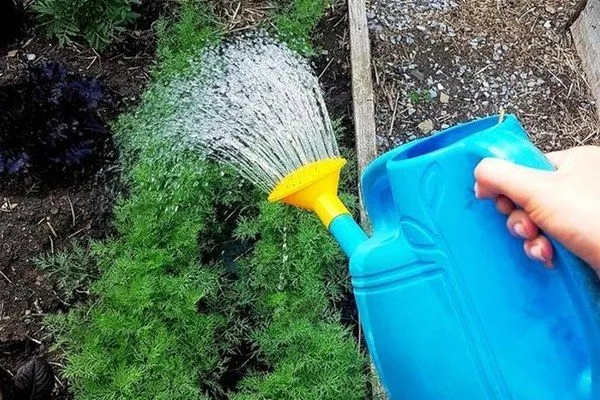
To achieve maximum productivity, it is recommended to maintain an optimal watering regime, especially during the active growth phase. This variety meets modern requirements for organic produce, allowing for the cultivation of greens with minimal pesticide use.
Use in cooking and canning
It is excellent for fresh consumption, especially in salads, appetizers, soups, sauces and other dishes.
The greens have a rich aroma, high content of essential oils and a pleasant taste, which makes them popular in everyday cooking.
Applications of dill:
- greens are used directly in food without heat treatment;
- Thanks to its rich aroma and high content of essential oils, dill is used to make seasonings and spices;
- The variety is excellent for processing: freezing, pickling and marinating.
Sowing and care
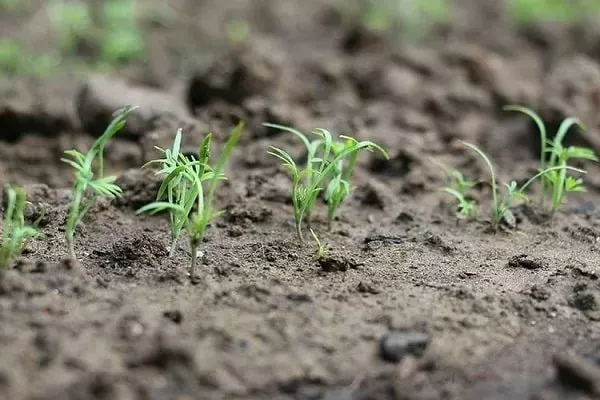
Growing Amazon dill involves simple but consistent steps to create favorable conditions for plant growth and development. Sow seeds directly into open ground from late April to early May.
Prepare and moisten the soil in advance. Sowing recommendations:
- seeding depth – 2-3 cm;
- After sowing, mulch the beds with peat or humus to retain moisture and speed up germination;
- under favorable conditions (humidity and temperature), seedlings will appear in 10-15 days.
Plant care is minimal and includes:
- regular loosening of the soil between rows;
- weed removal;
- timely watering, especially during dry periods.
To achieve good productivity, plant it in sunny areas with fertile soil. Amazon responds well to organic fertilizers, which promote the formation of more lush and dense foliage.
Avoid overcrowding – excessive planting density impairs plant ventilation, reducing yield and leaf quality. To extend the harvest period, it's advisable to replant every 2-3 weeks.
Pros and cons
Reviews
Amazon is a popular, versatile dill variety that will satisfy even the most discerning gardeners. Its good yield, shelf life, and disease resistance make it an excellent choice for fresh consumption and preserves. It adapts easily to a variety of conditions, requires minimal care, and imparts a pleasant aroma.