
Asparagus is healthy vegetable, which is very common these days. It contains many vitamins and other beneficial substances. We'll discuss the best asparagus varieties in today's article.
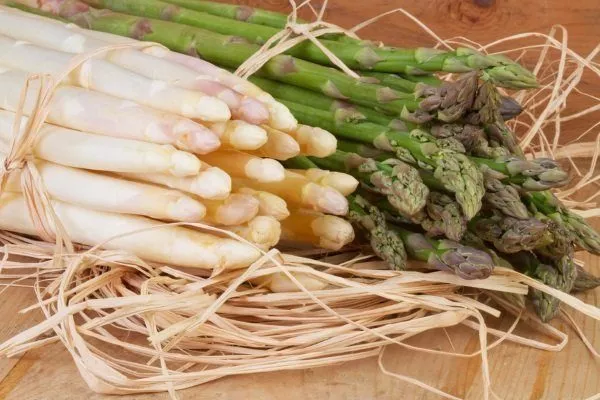
Bean asparagusIt has no relation to asparagus and is a vegetable crop in the form of beans.
Edible varieties of asparagus
You can grow different varieties of asparagus. The most common are early, mid-season, and late.
- ✓ Consider the climatic conditions of your region when choosing a variety.
- ✓ Pay attention to the variety’s resistance to diseases and pests.
- ✓ Consider the type of soil on your site.
We recommend reading the article about asparagus and the intricacies of growing this vegetable in next article.
Early
| Name | Ripening period | Yield (kg/m2) | Plant height (cm) |
|---|---|---|---|
| Argentine asparagus | early | 2 | 20 |
| Baklim | early | 3 | 25 |
| Early yellow | early | 2.5 | 20 |
| Magnus F1 | early | 1.1 | 20 |
| Gainlim | early | 3 | 20 |
| Xenolim | early | 3.5 | 20 |
| Guelph Millennium | early | 3.5 | 25 |
| Guelph Eclipse | early | 3 | 25 |
| Waldau | early | 1.5 | 20 |
Among the early varieties of asparagus, the following can be distinguished:
- Argentine asparagus. Initially, the plant is white, then turns green. Sometimes, asparagus takes on a purple tint. Many aesthetes choose it for this very reason. The stems are about 20 cm tall, weigh no more than 50 g, and average 1.5 cm in diameter. A gardener can grow no more than 2 kg of succulent shoots per square meter. This yield is satisfactory for many gardeners, but it may not be enough for large-scale production.
- Baklim. This plant has white flesh and a pale green upper surface. Baklim grows to about 25 cm in height, with a thickness of 28 mm. The plant weighs no more than 150 g. To harvest 3 kg of stalks, you need to plant them in one square meter.
- Early yellow. This variety of asparagus has an excellent flavor. Its spears are slightly green, and the flesh is tender. Early yellow asparagus can be eaten raw, canned, or cooked. Each spear yields about 200 g, but often no more than 250 g.
- Magnus F1. This variety of asparagus begins bearing fruit only in its third year. Its fruits are juicy and firm. A single plant can yield 110 grams. After five years of fruiting, asparagus yields up to 350 grams. The advantage of Magnus F1 asparagus is that it will delight you for years to come.
- Gainlim. This variety, unlike sea asparagus, is edible. A single plant yields up to 140 grams. The shoots are yellow with a slightly greenish tint. The asparagus diameter is up to 25 mm, and the height is approximately 20 cm. One square meter yields 3 kg of asparagus.
- Xenolim. This early-ripening asparagus variety has green petioles no more than 20 cm long, with a diameter of 25 mm. Xenolim weighs 100-120 g. Yields no more than 3.5 kg of tasty stalks per square meter.
- Guelph Millennium. This asparagus has light green shoots with a slightly yellowish tint. Guelph Millennium reaches a height of 25 cm, a thickness of 15 mm, and a weight of approximately 100 g. It can be cooked and canned. A single square meter of planting yields no more than 3.5 kg, but this is still a very good yield.
- Guelph Eclipse.The shoots reach a height of approximately 25 cm, the plant diameter is 20 mm, and the weight is no more than 150 g. Guelph Eclipse can be consumed in any form. Up to 3 kg of harvest can be obtained from one square meter.
- Waldau. This variety of asparagus has green shoots and white flesh with a slightly yellowish tint. A single plant can yield 150 grams of fruit only after the third year of fruiting. From the fourth year onward, a single plant yields approximately 350 grams.
| Variety | Minimum temperature (°C) | Optimal soil pH |
|---|---|---|
| Argentine asparagus | -5 | 6.0-6.5 |
| Baklim | -5 | 6.0-6.5 |
| Early yellow | -5 | 6.0-6.5 |
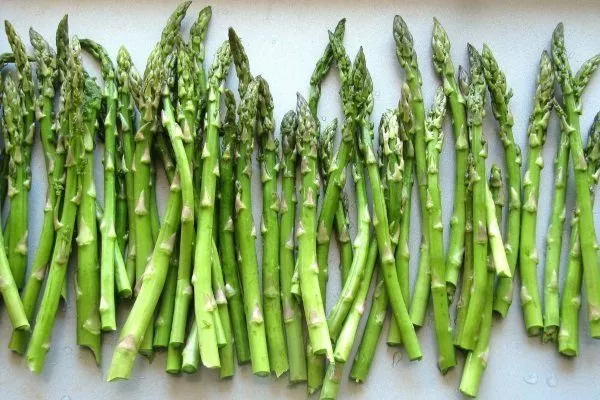
Argentine asparagus
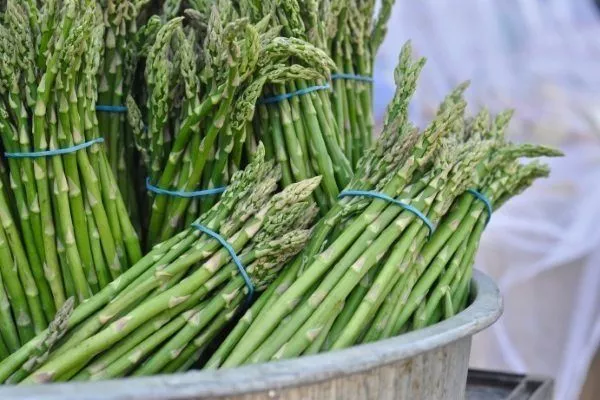
variety "Baklim"
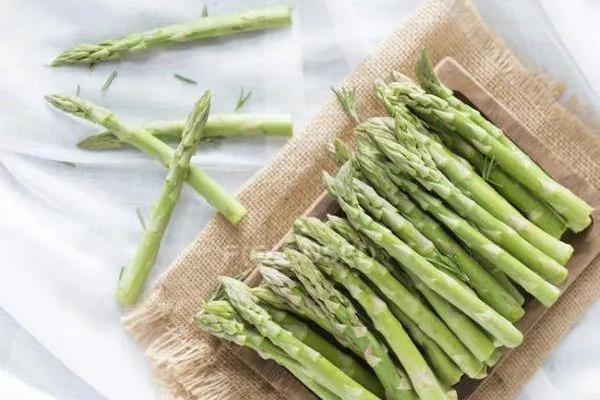
variety "Early Yellow"
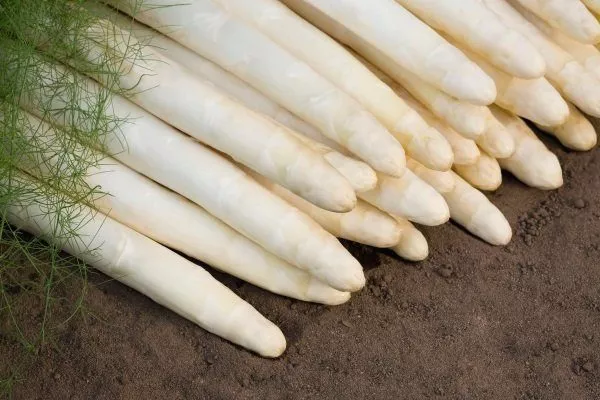
variety “Magnus F1”
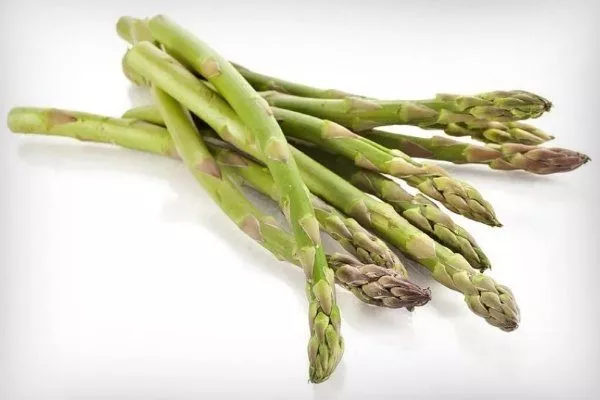
variety "Gainlim"
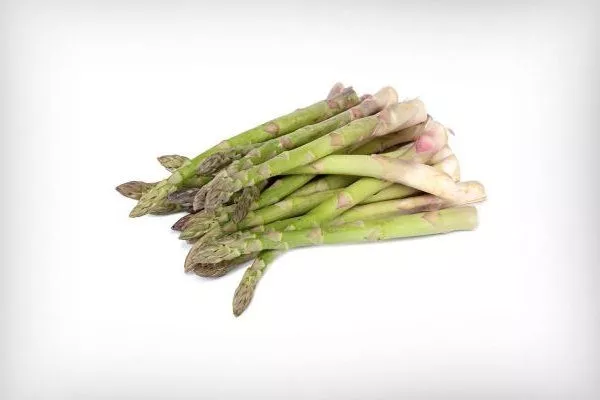
variety "Xenolim"
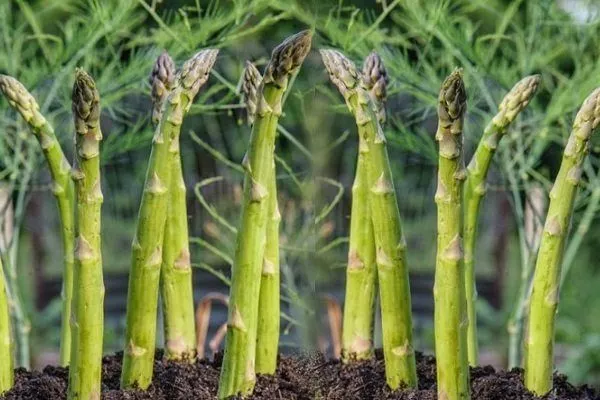
variety “Guelph Millennium”
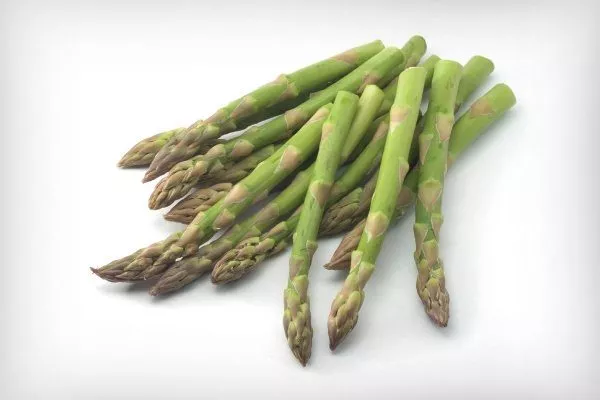
variety "Guelph Eclipse"
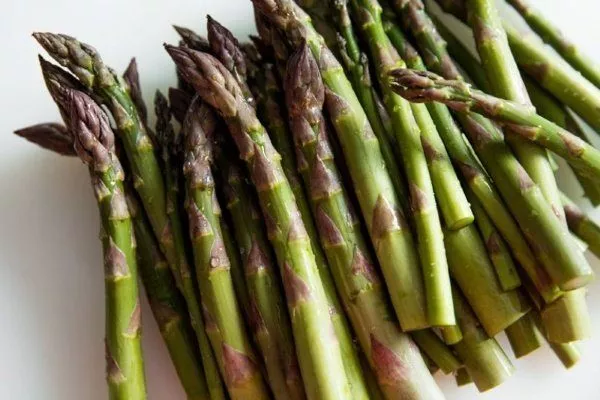
Waldau variety
Average
| Name | Ripening period | Yield (kg/m2) | Plant height (cm) |
|---|---|---|---|
| Mary Washington | average | 2.5 | 25 |
| Snow head | average | 3 | 20 |
| Cumulus F1 | average | 1.2 | 20 |
| Harvest 6 | average | 2 | 25 |
| Mikhnevskaya early | average | 2.5 | 25 |
| Royal | average | 3-6 | 20 |
Among the popular ones we can highlight:
- Mary Washington. Its pulp is slightly fibrous and has a pleasant flavor. The shoots are green, and the heads have a reddish tint. The diameter is approximately 15 mm. One plant will yield no more than 250 g of fruit.
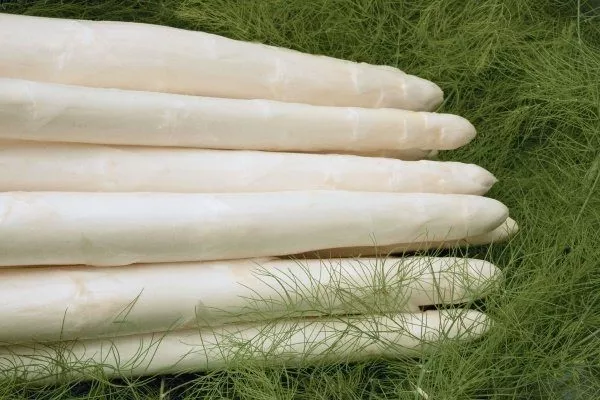
- Snow head. This variety of asparagus has cream-colored stalks and white heads. Snowhead has a green pea-like flavor. This asparagus can be eaten fresh or canned. To harvest 3 kg of spears, you need to plant the plant in one square meter.
- Cumulus F1. It has white stems and white flesh. This distinguishes Cumulus F1 from many asparagus varieties. In the third year of fruiting, the stems weigh approximately 120 g. From the fifth year onward, a single plant can yield up to 300 g.
- Harvest 6. This asparagus will surely delight you with a bountiful harvest. Its stalks are not only large but also thick, with a pink tint. Their heads are quite firm. The flesh is slightly yellow. One plant yields approximately 200 g, rarely up to 250 g, provided the conditions are right.
- Mikhnevskaya early. This asparagus variety is mid-season. Its stems have a purple hue, and the heads are thick and dense. The stems are bell-shaped. One bush yields no more than 250 grams.
- Royal. This is a mid-season asparagus variety. Its shoots are bright green and 20 mm in diameter. The heads are dark, and the flesh is white and tender. The asparagus grows to 20 cm in length. One square meter of planting can yield 3 to 6 kg of harvest.
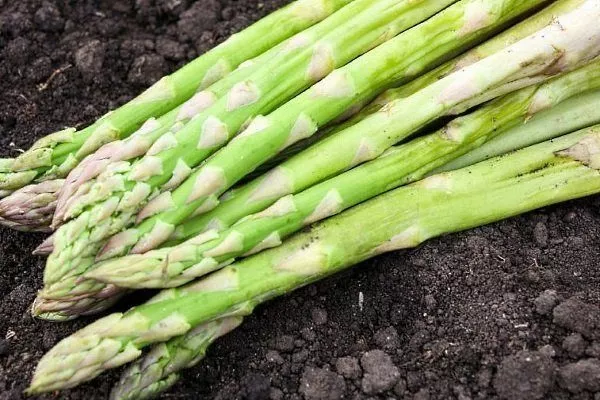
variety “Mary Washington”
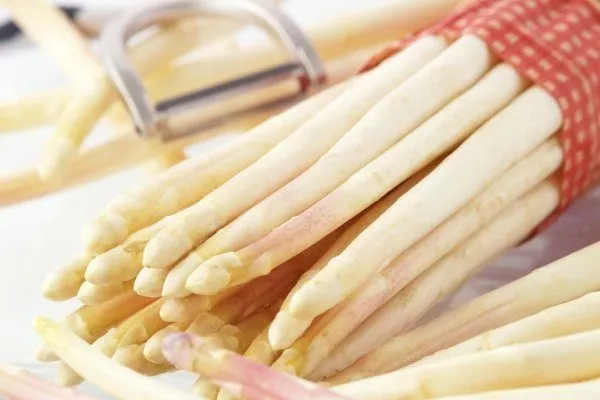
variety "Snow Head"
variety “Cumulus F1”
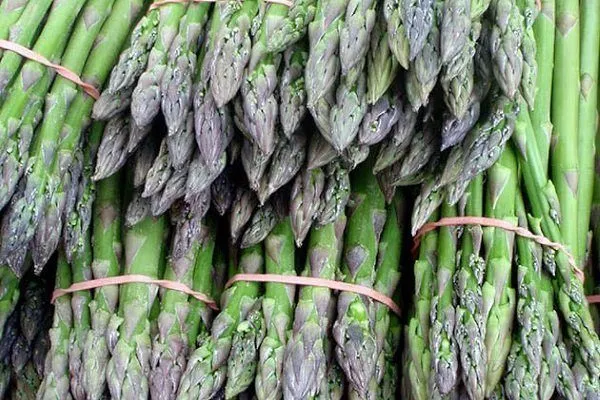
variety "Harvest 6"
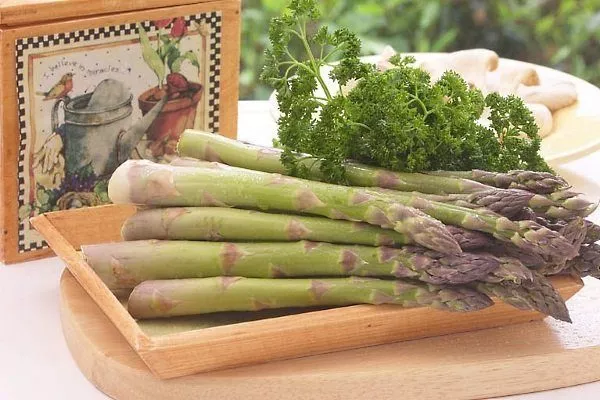
variety "Mikhnevskaya early"
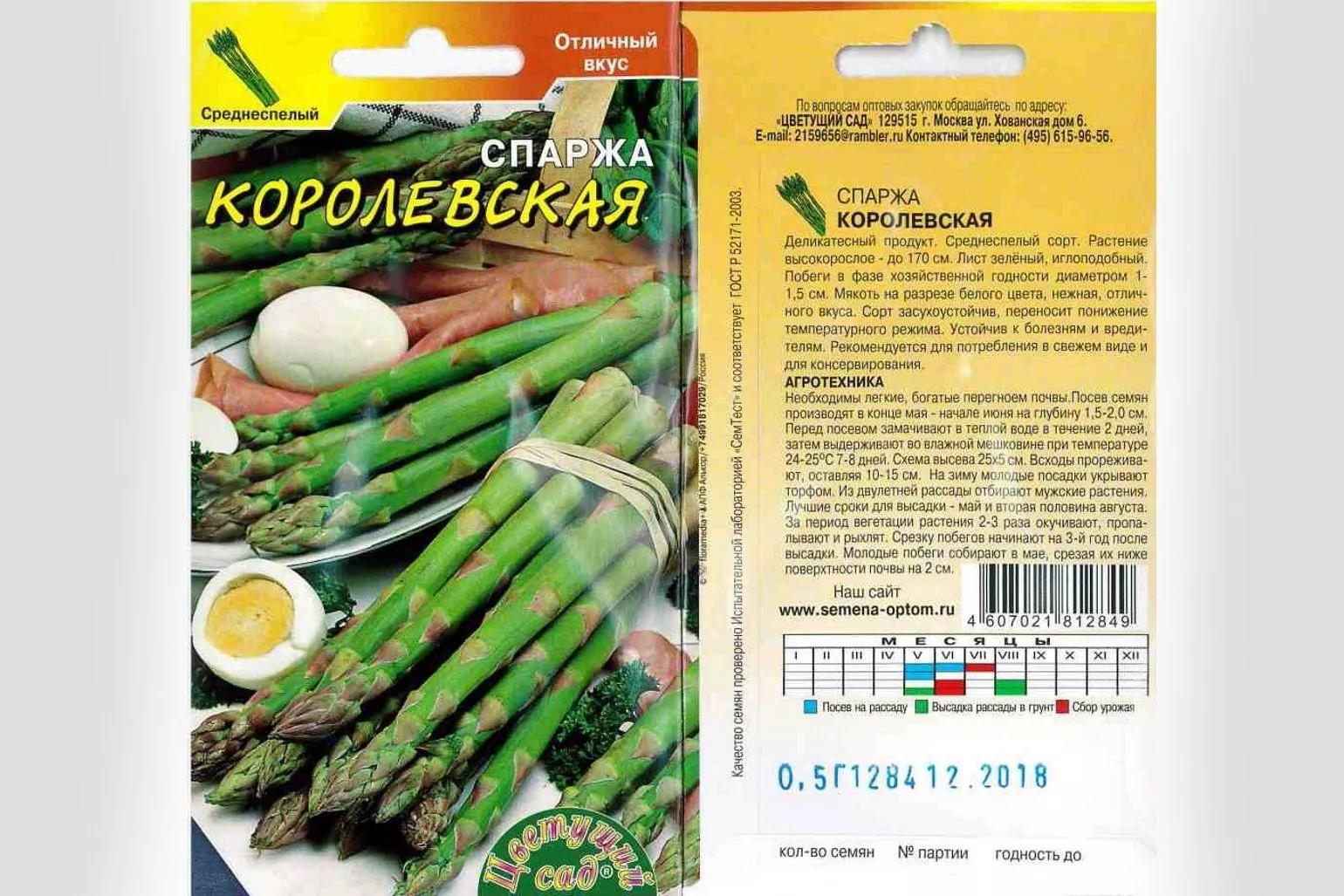
variety "Royal"
Gardeners recommend harvesting the shoots of all mid-season varieties as early as late April. This is when they are juicy and firm.
Late
| Name | Ripening period | Yield (kg/m2) | Plant height (cm) |
|---|---|---|---|
| Glory of Brunswick | late | 2 | 25 |
| Hope | late | 2.5 | 20 |
The following late asparagus varieties can be distinguished:
- Glory to Brunswick. The flesh of this plant is white and juicy, and the shoots are green. One bush produces about 12 cuttings, which is approximately 200 g. "Slava Braunschweig" is suitable for canning.
- Hope. This variety has an 80-day growing season. Nadezhda was bred in Russia. This asparagus variety is medium-sized. Its shoots are green, the bushes are small, and the flesh is white. Many tasters note the excellent flavor of this asparagus variety. Nadezhda produces a good yield. Up to 2.5 kg can be harvested from one square meter of sowing.
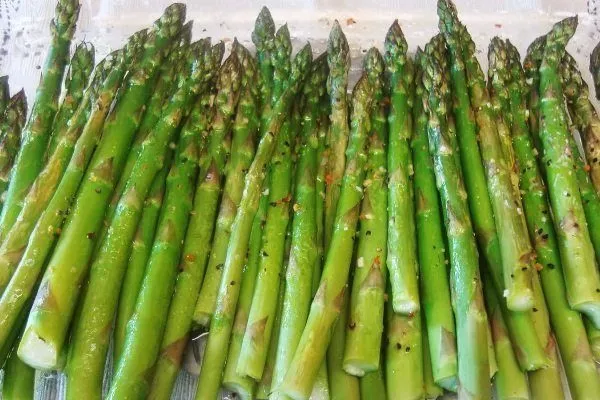
variety "Glory of Braunschweig"
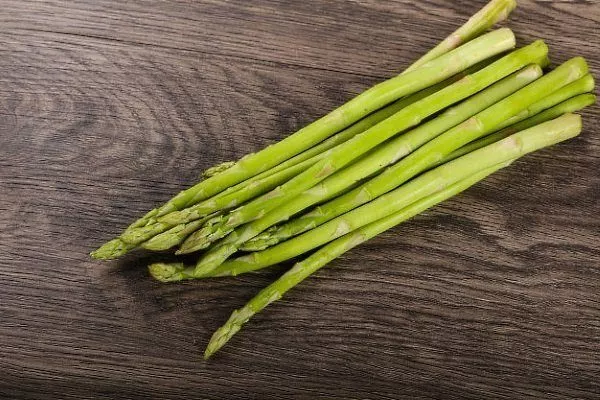
variety "Nadezhda"
Types of inedible asparagus
The following main types of inedible asparagus can be noted:
- Soy asparagus. This type of asparagus is made from soybeans. To make asparagus, they need to be shaped into the desired form. To do this, soak them in plain running water and then finely chop them. The result should be soy milk. When boiled, it forms a white film. Hang this film to dry. The result is fuju, or soy asparagus.
- Racemose asparagus. This is an herb with thick rhizomes. This species of asparagus is often used in Ayurvedic medicine. It resembles asparagus only in its foliage.
- Sea asparagus. This plant can be found in coastal areas. Sea asparagus has a salty flesh. It is often used in Japanese cuisine. It is also suitable for Mediterranean dishes. This variety of asparagus is not common in Russia.
Types of ornamental asparagus
The following types of ornamental asparagus can be distinguished:
- Fine-leaved. This plant captivates with its beauty. It consists of thin tufts of leaves that resemble needles.
- Multi-leafed. This perennial plant, quite short, is often used in rock gardens. Its glaucous needles are distinguished by their beautiful appearance.
- Pharmacy. This perennial plant grows into tall bushes. In summer, its foliage is especially lush and beautiful. During this period, its color is golden. In autumn, the fruits turn red. In winter, the branches of the asparagus plant are covered with a silvery frost.
How to distinguish ornamental asparagus from edible asparagus?
We're used to eating asparagus, not using it as a garden ornament. That's why we consider it more of an edible plant than an ornamental. You might sometimes see information that there's a difference between ornamental and gourmet asparagus. This isn't a misconception.
All known asparagus species are edible. To make asparagus ornamental, simply allow the shoots to emerge above ground. This automatically renders it uneatable.
There are dozens of asparagus varieties, all of which are highly prized by gardeners. Asparagus can be grown at home without overpaying for it at the store. Furthermore, this product is chemical-free.