
Asparagus seeds are rarely available for purchase in gardening stores, so it's best to harvest your own. To ensure a good harvest, you need to follow proper seeding techniques and select the right, viable seeds.
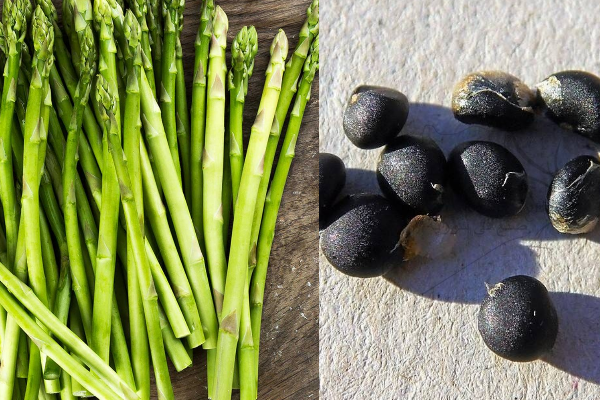
How to get asparagus seeds?
To obtain asparagus seeds, use female plants bearing berries. They must be completely healthy, free from disease and pests. These plants grow quickly in the spring. To obtain planting material in the first year, the mother plant is not pruned or hilled.
- ✓ Plants must be at least 3 years old to ensure high seed viability.
- ✓ No signs of diseases or pests on the plant over the last 2 seasons.
Over time, seed shoots form on the plants. When these shoots begin to brown, the berries acquire a rich red color. At this time, the planting material is collected. The ripe berries are placed in a container, crushed by hand, and kept that way for several days.
The juice obtained by crushing the fruits is not removed. The seeds should remain in the liquid. After 2-3 days, the seeds are rinsed and then air-dried, but not in direct sunlight.
How to choose the right active seeds?
| Name | Ripening period | Disease resistance | Soil requirements |
|---|---|---|---|
| Salt water | Early | High | Low |
| Manganese solution | Average | Average | Average |
You can check the activity or germination of asparagus seeds by soaking them in special solutions:
- Salt water. Dissolve 1 teaspoon of salt in 200 ml of warm liquid and stir until completely dissolved. Cool the mixture to room temperature, then sprinkle 10-20 seeds into it. Stir the mixture and leave the seeds in the water for 7-10 minutes. After this time, evaluate the results.
Dry seeds float to the surface and are discarded. Viable seeds remain at the bottom of the glass, dried, and stored until planting. - Manganese solution. This method is essentially the same as the previous one. To test the seed's potency, a slightly pink solution of potassium permanganate is required. The advantage of this solution is that the active ingredient also provides additional disinfection of the kernels and improves their shelf life.
The harvested asparagus seeds are carefully inspected. They should be dark in color, firm, and intact. Damaged seeds are immediately discarded and discarded; they are not used for sowing due to poor germination.
Unused seeds can be dried, placed in a cloth bag, and stored in a dry, dark place until the next season. Freshly harvested asparagus seeds can be stored for 4-6 years.
Preparing seeds before planting
Asparagus seeds must be calibrated, disinfected, and germinated. Planting unprepared kernels in the soil is pointless, as asparagus does not have a good germination rate. Germinated seeds take 10-14 days to sprout, while unprepared seeds take at least a month to sprout.
Some gardeners recommend additional stratification of asparagus seeds. This process significantly increases their germination rate. To do this, the prepared and tested kernels are placed on a damp cloth and then placed in a plastic container with a lid. The container is then refrigerated for 1-2 days. After this, the kernels are ready to germinate.
Asparagus grown from seedlings takes root better in a garden plot, so gardeners do not recommend sowing seeds directly into open ground.
Soak
Successful germination of asparagus seeds requires high humidity and warmth. It's recommended to begin the seed preparation process with soaking. To do this, follow these simple steps:
- Pour warm water (no hotter than 38°C) over the seedlings and leave them in a warm, well-lit room for 2-3 days. You can place the container near a radiator, heater, or stove to prevent the liquid from cooling and speed up germination.
- Water will evaporate daily, so monitor its level and add liquid regularly.
- After 3 days, remove the seeds from the water, wrap them in a damp cloth or paper, and place them near a heat source. To prevent the material from drying out, cover it with plastic wrap and moisten it once a day.
- ✓ The room temperature must be stable at least 25°C.
- ✓ Air humidity should be maintained at 70-80%.
As a soaking solution, you can use water with growth stimulants, for example, "Zircon", "Epin".
Signs of germination should appear within 7-10 days. After this, the seeds are ready for germination, which can be done indoors or outdoors. In central Russia, asparagus should not be planted until June, as this heat-loving plant will simply perish if frost returns.
Germination
Asparagus seeds can be sprouted in sand or soil. If using soil, disinfect it first by soaking it in a potassium permanganate solution or baking it in the oven. This will prevent infection of the seed and help prevent the development of asparagus diseases.
Germination is carried out using the following method:
- Fill a container 3-4 cm high with river sand or soil for seedlings.
- Moisten the soil surface with a spray bottle.
- Place the pre-soaked and disinfected kernels on the soil surface at a distance of 2-3 cm from each other and bury them slightly.
- Cover the container with plastic wrap and place in a warm place. The temperature should be at least 25°C.
- Seedlings should appear within a week. Use tweezers to transplant the plants into small cups filled with soil.
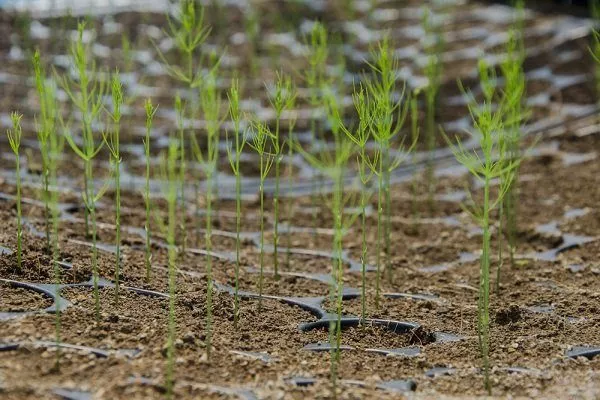
Sprouted seeds can be used for further planting outdoors. If the air temperature does not allow transplanting the plant outdoors, continue growing it indoors until warmer weather arrives.
To sow asparagus, use seeds from young, healthy plants, free from pests and diseases. The resulting kernels are carefully inspected, tested for viability, and prepared for sowing. Soaking, germination, and stratification are the main stages of preparation. Asparagus is quite difficult to germinate, so successful seeding is difficult. cultivation This is only possible if the described algorithm of actions is followed.