
Spinach 'Matador' is a herbaceous annual plant belonging to the Amaranthaceae family. As it develops, it forms a basal rosette of leaves. This variety is very popular in various countries, including North America, Asia, and Europe. Matador can be planted in both spring and fall (winter planting), but in most parts of Russia, it is usually sown only in spring.
Brief description and characteristics of Matador spinach
Spinach 'Matador' is considered a cold-hardy variety, so it thrives in temperatures of at least 16 degrees Celsius. It can be grown in open beds, greenhouses, and indoors on a windowsill.
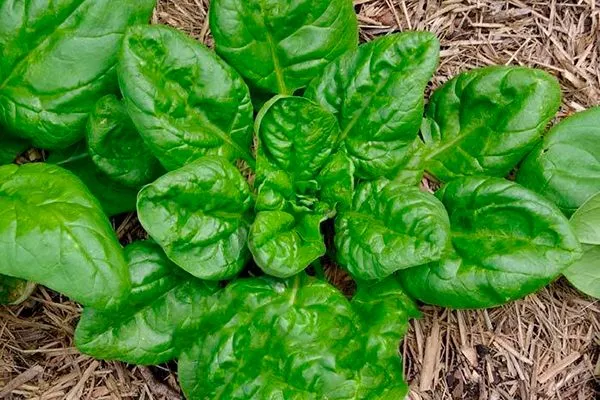
The main characteristics of the variety:
- ripening type – mid-season;
- maturity period from germination – from 40 to 50 days;
- the minimum temperature at which the plant does not suffer is +4 degrees;
- if there is an unexpected snowfall, spinach does not stop growing (if the precipitation is short-term);
- plant type – medium-branched;
- average weight – 25-50 g;
- bush height – 25 cm;
- the length of the main root taproot is about 20 cm;
- bush diameter – from 1.5 to 20 cm;
- the type of basal rosette is closed, therefore the leaves do not lie on the surface of the ground (they are raised);
- yield – from 2 to 2.5 kg per 1 sq. m.
The Matador variety is one of the rare spinachs that are not prone to bolting and flowering. For this to happen, certain conditions must be created (high temperatures, too much light).
The edible leaves deserve special attention. Their characteristics:
- shape – oval;
- taste – pleasant, delicate;
- structure – thickened and medium-bubbly;
- surface – smooth and glossy;
- the upper edge is blunt, slightly wavy on the sides;
- lobulation – very weakly expressed;
- color - green with a grayish tint;
- central core – medium-long;
- petiole type – semi-vertical.
Spinach Matador is recommended for cultivation in the East Siberian, Far Eastern, West Siberian, Northern, Northwestern districts, as well as in the Urals, in Nizhnevolzhsk, Middle Volga, Volga-Vyatka region, Central Russia and the North Caucasus.
Beneficial properties and chemical composition
Matador spinach is considered a nutritious and healthy product, recommended for dietary nutrition, during pregnancy, and in childhood. Calorie content: only 22 kcal per 100 g. Its nutritional composition is rich in vitamins K, A, C, E, and B9.
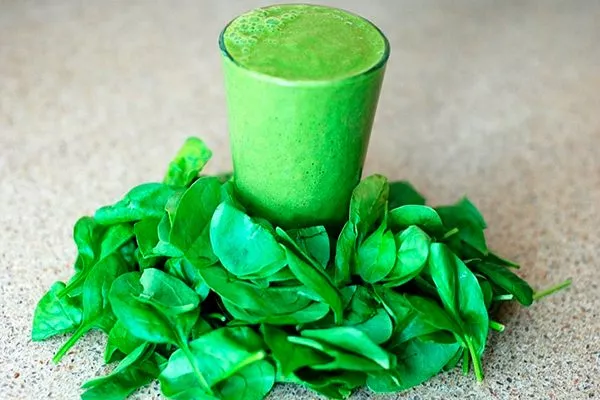
This variety of spinach contains a lot of potassium and calcium, magnesium and iron, sodium and phosphorus, manganese and iodine. It's a protein food with amino acids, etc., making it recommended for the following conditions and illnesses:
- thyroid disorders;
- weakened immunity;
- slagging;
- anemia;
- tumors;
- inflammation of the gums;
- poor condition of teeth and blood vessels.
Contraindications
Matador spinach has few contraindications. It is not recommended for people with the following conditions to consume it in large quantities:
- allergy to greens and ascorbic acid;
- increased acidity of gastric juice;
- stomach ulcer;
- high level of blood clotting.
Application
Matador spinach is one of those foods that retains its beneficial properties even after cooking. Therefore, it's used in not only salads but also hot dishes. For example:
- soups and borscht;
- gravy;
- casseroles;
- sauces;
- stew;
- bread and other baked goods.
But spinach's uses don't stop there. It's used in cosmetology and folk medicine.
Advantages and disadvantages
Matador is prized by consumers for its excellent taste and versatility, but gardeners also note the variety's many advantages:
- high level of productivity;
- pleasant delicate taste;
- cold resistance;
- does not suffer from cold at +4 degrees;
- increased juiciness;
- ease of care;
- the ability to grow both outdoors and indoors in a greenhouse.
With proper care, this spinach doesn't flower or bolt. This factor is both a plus and a minus. These processes are triggered by temperatures above 19-20 degrees Celsius, as well as excessively long periods of light. Avoiding this when grown outdoors is simply impossible.
Landing rules
To ensure spinach sprouts quickly and takes root well, it is essential to strictly follow all agricultural recommendations, especially regarding the seed sowing process.
- ✓ The optimal soil temperature for sowing Matador spinach seeds should not be below +5 degrees.
- ✓ To prevent bolting, it is necessary to maintain the air temperature no higher than +19 degrees.
Choosing a location
Like any spinach, Matador prefers semi-shaded areas. Direct sunlight can have a negative effect on the leaves, even causing sunburn. Therefore, it should not be planted in completely exposed areas. If no other option is available, artificial shade will have to be provided in the afternoon.
Pay attention to the soil's acidity – it should range from 6.0 to 7.0 pH. The soil structure should be loose, well-drained, and fertile.
Preparing the landing site
The best way to prepare a bed for Matador spinach is to dig it in the fall. However, if this isn't possible, then dig it at least 2-3 weeks before planting. Here's how to do it:
- Remove all branches, leaves, debris, etc. from the area.
- Spread peat over the future beds, but if the soil is already highly acidic, use other organic matter (humus, compost). Approximately 5-6 kg per square meter is required.
- Sprinkle a mineral mixture on top. It consists of equal parts superphosphate, potassium sulfate, and nitrophoska. To neutralize the acid, add an equal amount of dolomite flour. The recommended dosage for 1 square meter is 4 tablespoons of the mixture.
- Dig the soil to the depth of a shovel blade.
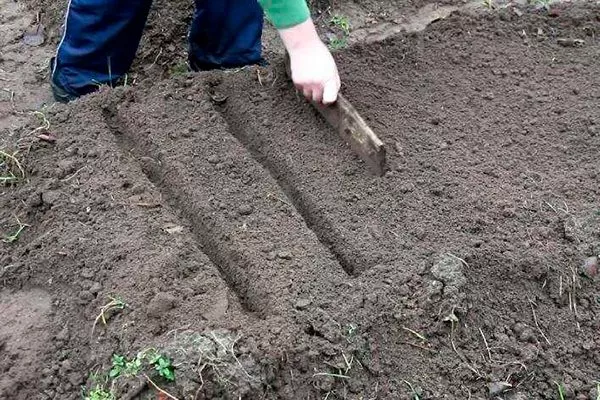
In spring, loosen the area, add urea, phosphorus and nitrogen, according to specific instructions.
Methods for planting Matador spinach
Matador is planted exclusively by seed, but the seeds can be planted directly in open ground or in containers to produce seedlings for subsequent transplantation outdoors.
Seeds
This is the simplest method for planting Matador spinach, as the seeds are sown directly into the beds. In this case, it's important to carefully determine the timing: in warmer regions, planting occurs from late March to late April, while in harsher climates, it's best to plant in May or June. The key requirement is a stable air temperature of 10 to 15 degrees Celsius.
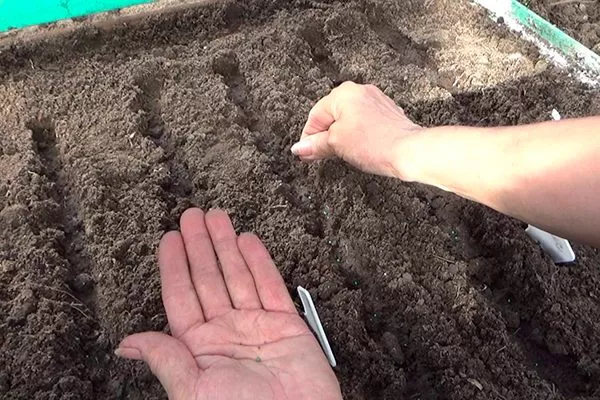
- Soak seeds in warm water for 48 hours to improve germination.
- Treat the seeds with a growth stimulant according to the manufacturer's instructions.
- Dry the seeds before sowing for ease of handling.
Before planting, you need to prepare the seed material:
- Because Matador seeds have a very hard shell, they absorb moisture poorly. Therefore, be sure to soak them in warm water for at least 2 days.
- After swelling, sort through the planting material, removing all unsuitable elements - damaged, dried out, rotten, hollow (these are easier to identify when soaking, since such seeds float to the surface of the water).
- Soak the remaining grains in any growth stimulant. Agricola Aqua works great for spinach. The recommended dosage is 1 tablespoon per 1 liter of warm water.
- Place a paper napkin or linen towel on the table.
- Lay out the planting material to dry. This is necessary to facilitate seed dispersal into the furrows.
- Using a spray bottle, spray the seeds with a solution of manganese (5%).
- Level the soil in the beds in advance and form furrows. Space them approximately 20-30 cm apart. If planting in northern regions of Russia, raise the bed by 15-20 cm.
- Deepen the planting material to a maximum depth of 2 cm. Consumption per 1 sq. m is approximately 1.5 g.
- Sprinkle with soil and level the surface.
- Water with an organic solution. For example, mix 1 liter of manure with 10 liters of water.
Expect the first shoots to appear in about 12-15 days. Once the shoots have grown in size (reaching about 5-7 cm), thin them out, leaving about 5 cm between the strongest plants.
Seedlings
The Matador spinach seedling technique is used when an earlier harvest is needed in harsh climates. These seedlings can be used for growing spinach indoors (on a windowsill, balcony, or loggia).
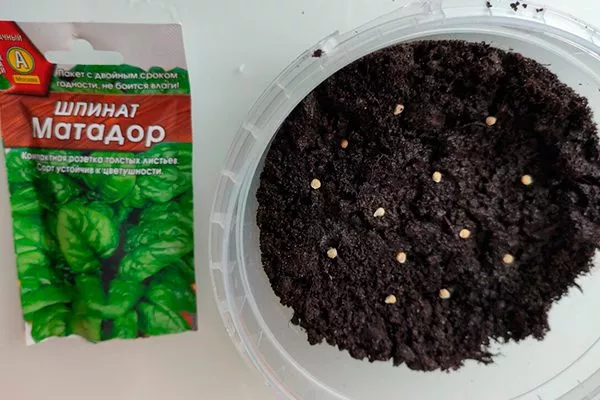
Seed preparation is identical to the previous method. You can purchase a substrate at a flower shop, such as Universal or for cabbage seedlings, but most often it's made at home. Here are some options for what the substrate should be:
- 1 part vermicompost and 2 parts coconut fibers (alternatives: vermiculite, perlite);
- 0.5 parts river sand and 2 parts soil from the beds.
To save money, gardeners prefer the second option. One important consideration here is disinfecting the garden soil. This can be done in various ways, including roasting it in the oven or soaking it in a potassium permanganate solution.
The sowing process is identical to sowing seeds in open ground, but the difference is that the seeds are planted not 2 cm deep, but only 1 cm.
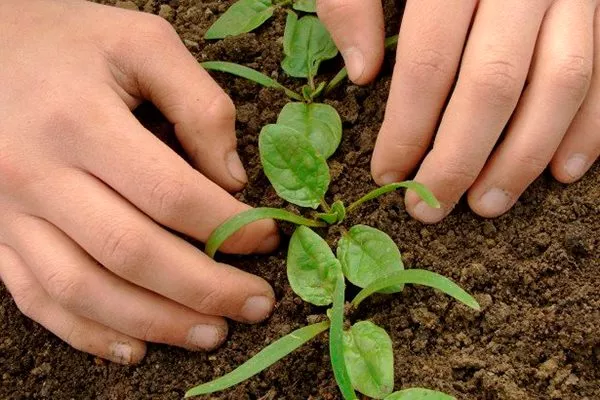
Other recommendations for growing seedlings:
- Immediately after sowing, thoroughly moisten the soil, do this only with a spray bottle so that the stream of water does not wash away the planting material;
- cover with transparent polyethylene or glass to create a greenhouse microclimate;
- Open the glass daily for ventilation – 15-40 minutes a day is enough (start with the minimum time);
- Water periodically with warm water - the substrate should be moderately moist, avoiding waterlogging;
- remove the cover completely when the first leaves begin to form;
- keep the seedlings at a temperature of +15 to +18 degrees and no more;
- A week before transplanting into open ground, harden off the seedlings by taking them out onto the balcony/street for a few minutes, then for a few hours, which will allow them to quickly adapt to their permanent location.
After transplanting, cover the plantings with agrofibre or burlap for the first few nights.
Care instructions
If you want to get a bountiful harvest of the most delicious and succulent Matador spinach leaves, be sure to follow the proper care guidelines. They're straightforward, as they are standard—the same as for all other crops.
Watering and fertilizing
If fertilizer was applied at sowing, Matador will not require additional feeding throughout the growing season. However, to increase yield and maintain a healthy immune system, many gardeners apply one of the following products in early and late June: Agricola Vegeta, Effecton O, or Lignohumate.
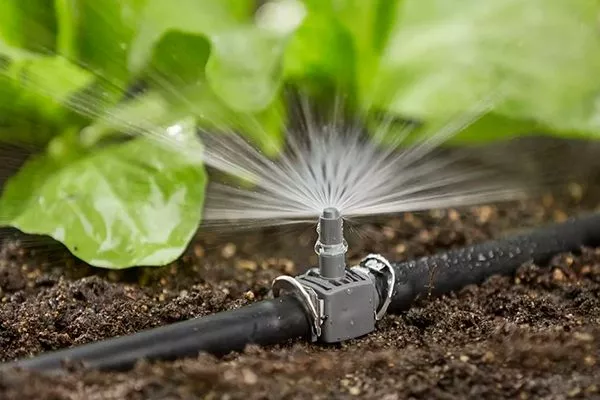
Spinach should be watered as the soil dries out—it shouldn't form a crust. Use settled, warm water. To maintain normal moisture levels longer, mulch the soil beneath the plants.
Weeding, hilling and loosening
Weeds should be avoided, as they absorb all the nutrients and moisture. Weed as needed, always the day after watering. Use a hoe between rows, and it's best to pull the grass between bushes by hand to avoid accidentally cutting leaves and damaging the root system.
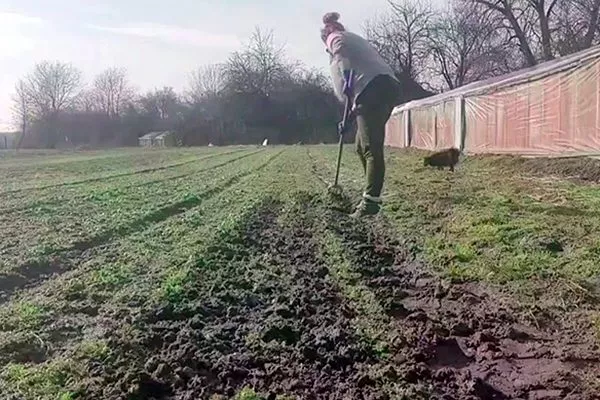
It's also important to loosen the soil to ensure sufficient oxygen reaches the roots for continued growth. Hilling also maintains moisture levels and prevents the soil from drying out. Hilling should begin when 4-5 true leaves appear in the rosette.
Diseases and pests
Matador has a very strong immune system, so it's rarely susceptible to disease or pest infestations. The only disease it can encounter is powdery mildew. It occurs in dense plantings, waterlogged areas, and the presence of large weeds.
Since the leaves are used for cooking, the use of chemicals is strictly prohibited, so folk remedies are used for treatment:
- serum;
- garlic infusion.
All affected parts of the plant must be removed. If spinach is not thinned, not tilled, or otherwise properly cultivated, root rot may occur. In this case, treatment is pointless, so the plants must be removed from the garden bed completely (including the root system).
Pests include slugs and aphids. Use the following to control them:
- a solution of laundry soap - 200 g of brown soap per 4 liters of water;
- wood ash infusion - about 250-300 g per 5 liters of boiling water;
- Wormwood tincture - 1 kg of fresh wormwood per 10 liters of water.
Slugs will have to be collected manually or structures for catching them (sold in stores) will have to be installed.
Harvesting
Matador spinach leaves can be harvested for the first time after 50 days from planting. Similarly, after the shoots appear, harvest them 35-40 days later. Avoid overripening the leaves, otherwise they will become tough and unpleasant to the taste. Harvest time is indicated when the plant reaches 15 cm in height and has at least 6 leaves.
The leaves can be trimmed or removed from the soil along with the roots. The latter method allows the spinach to be stored longer (the former is best eaten immediately).
Reproduction
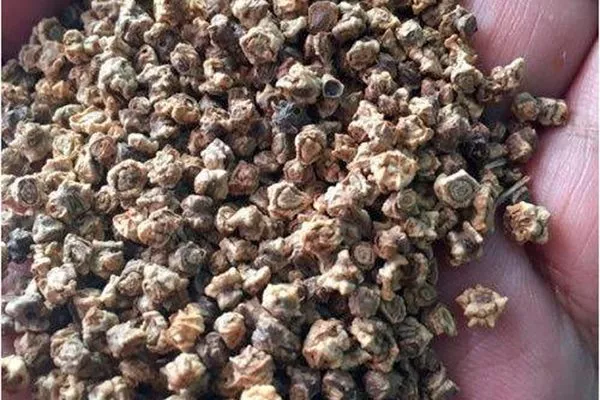
Matador spinach is propagated exclusively by seed. To do this, leave the healthiest and most vigorous plant in the garden. In the fall, seeds form on the flower stalks, which can be collected, dried, and stored for up to 36 months.
Features of placing in the ground at home
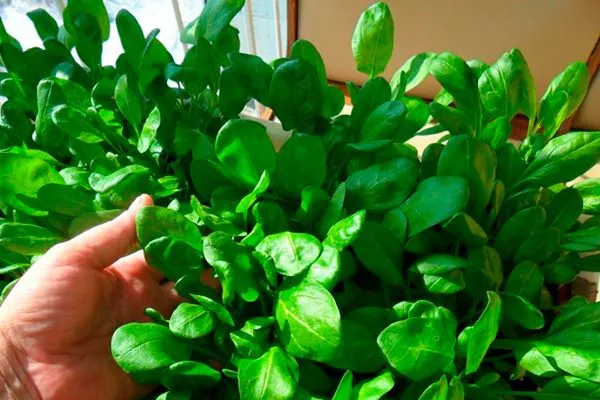
Matador can be grown on a windowsill any time of year, which is especially pleasing to fans of this spinach. Seed preparation and planting are the same as for sowing seedlings in open ground, but the following steps are necessary:
- When 3-4 leaves emerge from the rosette, transplant the plants into new pots or containers for continued growth. Do this by transplanting, after moistening the soil mixture.
- Leave at least 10-12 cm between shoots to allow enough space for growing leaves and roots.
- Care for it by watering, place the container on a light windowsill, but do not expose it to direct sunlight.
Storage, processing and transportation
If Matador spinach is harvested without the roots, it can be stored in the refrigerator for no more than 2-3 days. However, when the leaves are removed along with the root system, the shelf life is 7 to 9 days.
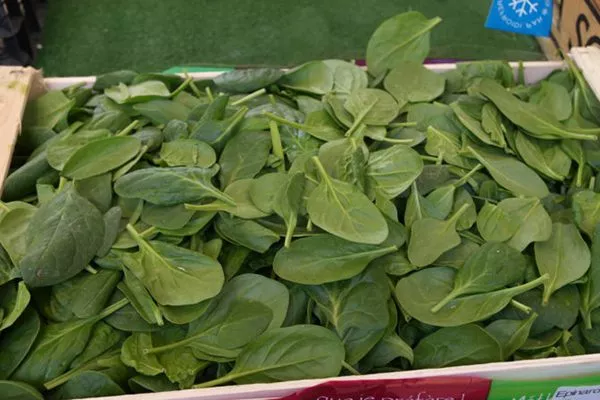
When transporting greens, it's important to place them in breathable containers. These include cardboard boxes, perforated wooden crates, and the like. If long-distance transport is expected, it's important to place a tray of ice on the floor.
Matador spinach can be processed by freezing, canning, or drying the leaves. These greens can then be used to prepare hot dishes.
Reviews of Matador spinach
Matador spinach is considered an easy-to-grow variety that tolerates cool temperatures but suffers from extreme heat, so shaded areas are preferred for planting. The variety is characterized by high yields, resistance to bolting, and increased juiciness. However, this latter factor reduces its shelf life compared to other spinach varieties.