
Despite its low maintenance requirements, sorrel is susceptible to various infectious diseases and pest attacks. Every gardener should know what to do if the crop is attacked by diseases and insects and how to prevent them.
Sorrel diseases: symptoms, treatment and prevention
Sorrel is susceptible to a variety of infectious diseases. These can be caused by insect vectors, unfavorable climatic conditions, and neglect of agricultural practices.
Rust
There are several types of rust. In temperate climates, gardeners most often encounter Puccinia acetosae. Symptoms of sorrel rust include yellowish-red bumps. These gradually rupture, releasing fungal spores that spread to neighboring plants. Rust attacks any tissue: stems, leaf blades, and petioles.
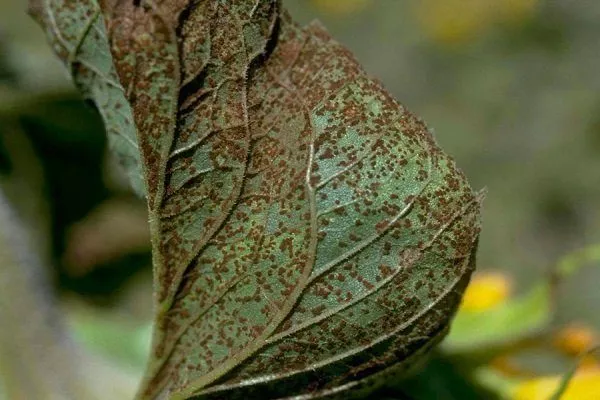
Plants showing signs of the disease are pulled out of the ground, placed in a bag, and burned. To prevent the spread of infection, the remaining crops are sprayed with a potassium permanganate solution or copper sulfate every two weeks. After the growing season, the soil where the affected sorrel grew is dug up and mulched with sawdust and humus.
- ✓ Use only hardwood ash, excluding oak and walnut, due to their high tannin content.
- ✓ Ash should be sifted through a fine sieve to remove large particles and coals.
Rust control chemicals such as Planriz and Fitosporin can be used. The concentrate is dissolved in water at a ratio of 1 to 10.
From folk remedies you can use the following recipes:
- Dissolve 20 g of laundry soap and 1 g of copper sulfate in 1 liter of warm water. Spray the crops twice a day for a week.
- Dissolve 5 g of potassium permanganate in a 10-liter bucket of water. Spray the affected sorrel twice a day until the infection symptoms disappear.
The risk of rust is significantly reduced if the plant does not suffer from mineral deficiencies. Therefore, potassium-phosphorus fertilizers are important for prevention.
Ovulariasis
A fungal infection that affects only leafy greens. Small gray-brown spots appear on diseased leaves, lighter in the center and bordered by a dark maroon stripe. The spots gradually expand, reaching 1-1.5 cm in diameter and merging. The affected leaf dries up and falls off. On the underside of the leaf blade, the spots are brown. In damp weather and high humidity, the infected areas of the leaves become covered with a pale gray coating.
- ✓ The spots on the leaves have a characteristic light center with a dark border.
- ✓ When humidity is high, a grey coating appears on the underside of the leaf.
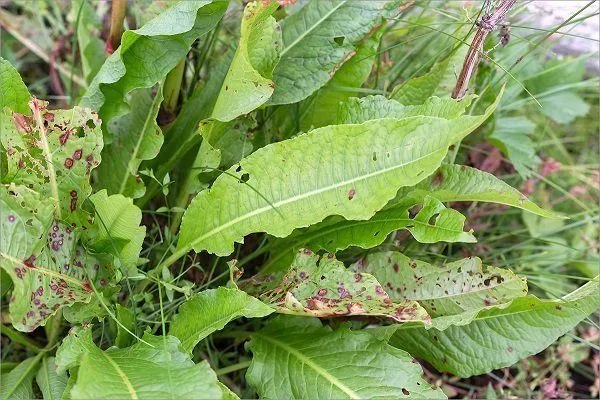
To prevent infectious diseases, it's important to weed and water sorrel regularly, and remove weeds. As a preventative measure, periodically spray the crops with a 1% copper sulfate solution.
Treatment involves removing infected leaves and treating the remaining plants with Fitoverm. Dissolve 4 ml of the concentrate in 1 liter of water. Apply the treatment once.
In the place where the diseased sorrel grew, you cannot plant the same crop for 4 years.
Powdery mildew
A common fungal disease that can spread rapidly, as fungal spores are spread by wind, precipitation, and water droplets during irrigation. The infection can also spread through contact between healthy and diseased leaves.
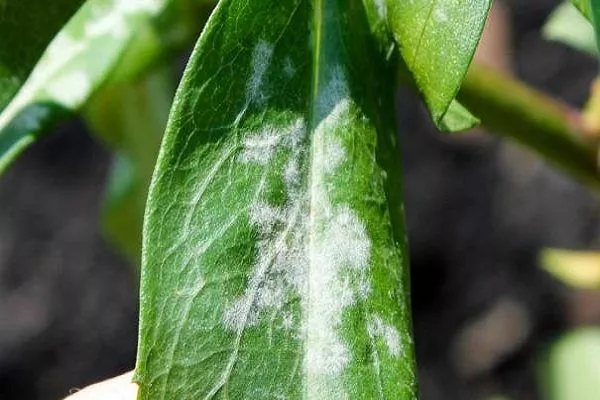
Symptoms are pronounced:
- whitish coating;
- dark specks;
- visually it appears that the leaves are covered with lime.
Their chemical control agents are used:
- Fitosporin-M;
- Fast;
- Fundazol;
- Topaz;
- Bayleton.
Bayleton fungicide is dissolved in water immediately before use. Add 1 g of the product to 1 liter of water and stir thoroughly. This product is moderately toxic and should be applied in calm conditions. The chemical begins to work within 2-3 hours, and its effectiveness lasts for two weeks or even a month. Mechanical treatments can be carried out on the area three days after spraying, and manual treatments can be carried out after a week.
Folk remedies are also used to combat powdery mildew:
- Dissolve a tablespoon of baking soda and a teaspoon of laundry soap in a 4-liter bucket of water. Spray the sorrel and soil twice a day for a week.
- The serum is dissolved in water in a 1:10 ratio. The affected sorrel is treated three times a day, every three days. Avoid spraying on rainy days, as raindrops wash away the protective acidic coating from the leaf surface.
Prevention of infection consists of:
- compliance with agricultural recommendations;
- loosening the soil;
- thinning of crops.
Peronosporosis
This disease is also known as downy mildew. Young sorrel leaves are most susceptible. The fungus thrives in cool, humid conditions. Spores are spread by wind and precipitation. Affected leaves become covered with a bluish-gray coating, then become dull, curl downward at the edges, dry out, and peel when rubbed with fingers.
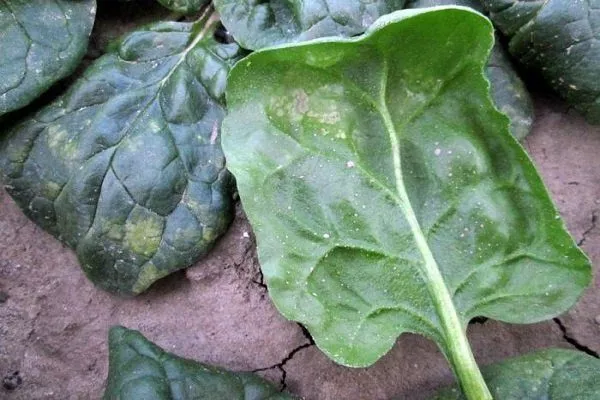
The infection continues to multiply even on dead leaves, so diseased plants are uprooted and burned. The remaining crops are treated with chemicals to prevent the spread of the disease. Fungicides are used:
- Fast;
- Vitaros;
- Previkur.
The treatment is carried out once. The concentrate is dissolved in water at the dosage indicated in the instructions.
Folk remedies against downy mildew:
- Dissolve 2 tablespoons of mustard powder in a 10-liter bucket of water. Spray the sorrel twice a day. Treatment lasts for a week.
- Dissolve rotted manure in water in a ratio of 1 to 3 and let it steep for 3 days. Dilute the infusion with water in a ratio of 1 to 2. Thoroughly spray the affected plants with the resulting solution.
To prevent downy mildew, spray with Bordeaux mixture or copper sulfate.
White spot
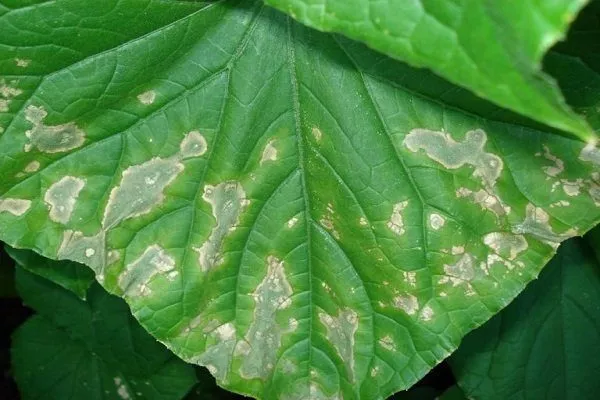
This fungal disease manifests itself as numerous whitish spots on the leaf blades. Affected plants cannot be cured; they are dug up and burned. Any remaining sorrel is treated with a commercial fungicide or a 1% Bordeaux mixture.
Prevention consists of:
- timely removal of weeds;
- raking fallen leaves;
- loosening the soil;
- mulching the area allocated for sorrel with humus after the end of the growing season.
Gray mold
A fungal infection develops on sorrel leaves, spreading rapidly and infecting neighboring crops. The main symptom is large, expanding, brown spots. In cool weather and excessive humidity, the surface of the leaf blades becomes covered with a soft coating. Diseased leaves lose their structure, become deformed, and the internal tissues become slimy.
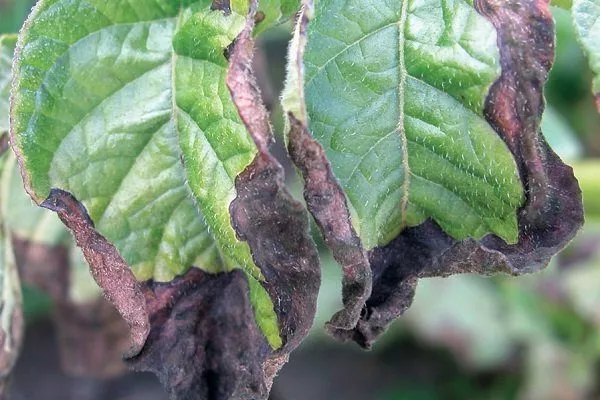
At the initial stage of the disease, it's enough to spray the crops with an aqueous solution of ash, copper sulfate, and powdered chalk. If the infection is advanced, only fungicides will help.
To prevent rot, take the following measures:
- thin out the crops;
- choose a well-lit area for sorrel;
- in the midday heat, put up an awning for shade;
- Mulching is used to maintain soil moisture.
Sorrel pests: symptoms, treatment and prevention
Many people think that sorrel, being highly acidic, is unattractive to insects. However, this is not true; the crop can be attacked by a wide variety of insects. The risk of pest infestation increases if agricultural practices and crop rotation rules are not followed. Harmful insects thrive in unkempt areas with abundant weeds and organic debris.
Leaf beetle
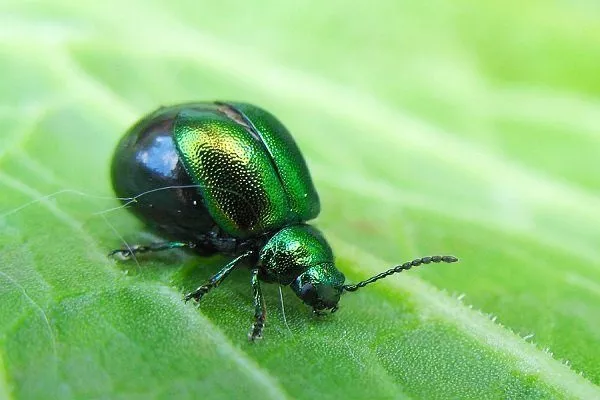
If small beetles with shiny black-green shells appear on sorrel leaves, it's time to deal with leaf beetles. The pest spends the winter in the ground and reproduces in the spring, feeding on young leaves. It lays eggs primarily on the underside of leaf blades. The female lays two or three clutches per season, so this species reproduces very quickly.
The following methods are used to combat leaf beetles:
- Sorrel is processed with powder made from ash and tobacco powder.Both substances are combined in equal proportions. Dusting is carried out regularly for 5 days.
- They make a burning agentMix a cup of ash, a tablespoon of mustard powder, and the same amount of ground black pepper. Apply the mixture to the crops.
- Prepare a garlic-soap solutionDissolve a whole bar of laundry soap in 3 liters of water, add crushed garlic cloves and leaves. Let the mixture steep for 12 hours, strain, and use as a spray. It is harmless to humans. Sorrel can be harvested for consumption 3 days after treatment, but it must be washed thoroughly to remove any soap residue.
As a preventative measure, you can surround the area where sorrel grows with pyrethrum (Persian chamomile). This perennial flower from the Asteraceae family will not only repel pests but also decorate the garden.
Don't forget to remove weeds and dig up the soil in the fall.
Winter moth
This is the name of a butterfly with mottled gray-beige-brown wings. Its caterpillars are incredibly voracious, capable of completely stripping garden beds bare. First, they chew holes in the leaf blades. When nothing remains of the foliage, they turn to the stems.
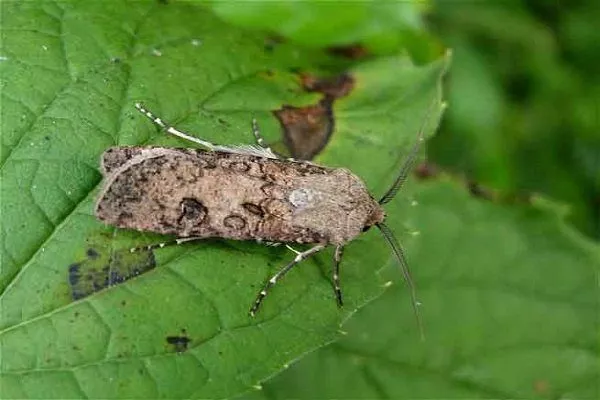
A burdock infusion is used against caterpillars. Half a bucket of fresh leaves is poured with water and left to steep for three days. The crops are treated every other day. The treatment lasts a week.
Traps are used to kill adult moths. They are placed in various locations around the garden, a meter above the ground. Sweet, rotting, and fermenting fruits are placed inside. The butterflies caught in the traps are killed.
Wireworm
This is the name of the click beetle larva, not the adult insect. It looks like a thin, hard caterpillar up to 15 mm long. It lives in the soil, feeding on roots.
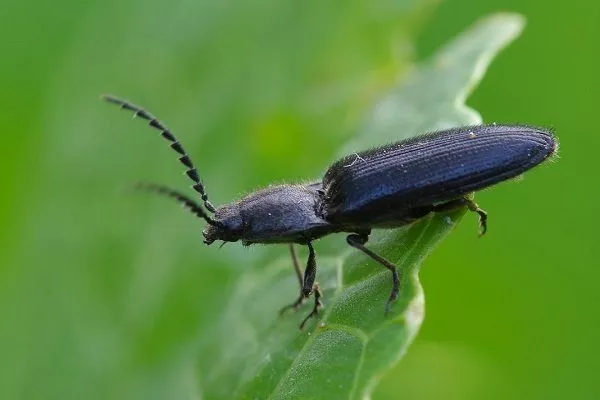
Experienced gardeners recommend scattering pieces of raw potato around the plot. This is a favorite delicacy of wireworms. When the larvae emerge from the soil to feast on the potatoes, they are collected and destroyed.
You can also combat the pest with chemicals. Broad-spectrum insecticides such as Iskra and Aktara are used. Treatments are carried out in the fall, after the end of the growing season and harvest.
Prevention of wireworm infestation:
- timely removal of weeds;
- compliance with crop rotation rules;
- adding lime to the soil.
Aphid
The rapidly reproducing pest sucks the sap from plant tissue. The root system weakens, and the affected plant wilts and dies. Numerous microscopic green insects are visible on the shoots and leaves.
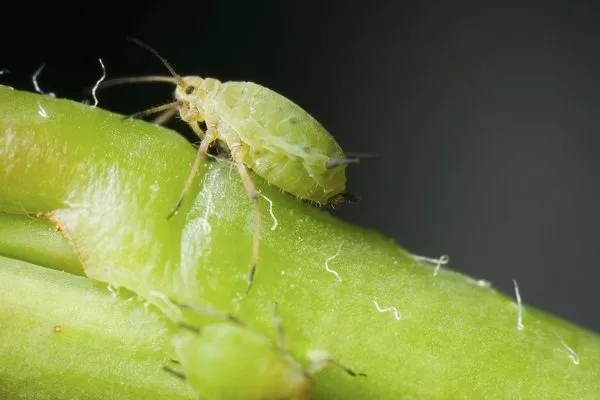
Controlling aphids is relatively easy. Simply spray the sorrel with a decoction a couple of times:
- tomato tops;
- garlic;
- onion peels;
- burdock leaves;
- tobacco;
- dandelion.
Dusting sorrel with a mixture of ash and tobacco dust helps.
An effective folk remedy: add laundry soap to the ash solution. One treatment is enough to eliminate aphids for good.
Mole cricket
The most terrifying garden pest, one that requires a tough battle. Belonging to the Orthoptera genus, it looks like a large, brown-brown insect with a hard shell and spade-like front legs. It devours roots, causing plants to wither and easily pull out of the ground.
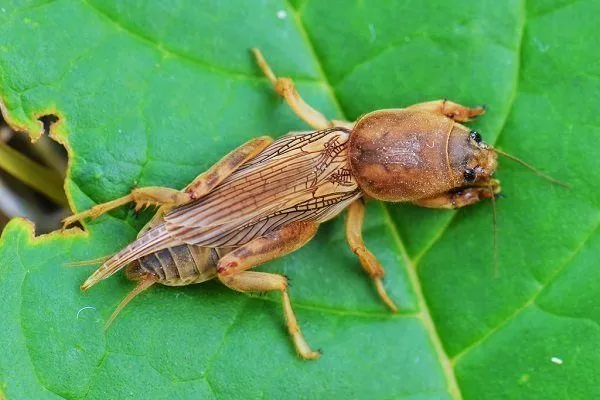
To combat the hated mole cricket, summer residents have invented many means:
- Pour 2 liters of soapy water into the insect's burrow. The mole cricket crawls out and is immediately killed.
- They bury a glass jar, rim up, into the tunnel dug by the pest. Following the old route, the mole cricket falls into the jar and is unable to climb out.
- Calendula, basil, coriander, and marigolds are planted next to sorrel – plants that repel pests.
- Spray sorrel with an infusion of onion peels.
- Crush the eggshells and season them with unrefined vegetable oil. Bury the resulting mixture in the soil of your garden. The mole cricket readily eats the treat, but it's deadly for them, while it's a good food source for sorrel.
If none of the above remedies are effective, you will have to use insecticides:
- Rembeck;
- Phenaxin;
- Medvecid;
- Boverin.
Naked slugs
These are not insects, but terrestrial mollusks. The most common in our latitudes are the reticulated slug and the field slug. The former reaches 7 cm in length and is grayish-brown. The latter is 5 cm long and grayish-yellow. These pests eat holes in leaves, leaving a slimy trail behind.

If the mollusks are few in number, they are collected by hand. If pest infestations are high, the following measures are taken:
- treat the soil between the beds with ash, lime, and crushed eggshells;
- spray sorrel with 10% ammonia;
- They make a trap in which they place the fermenting drink.
Slugs prefer to live under layers of fallen leaves and organic debris. Therefore, the best prevention is keeping your garden clean.
Sorrel sawfly
The adult insect, with two pairs of membranous wings and reaching 5 mm in length, is harmless to plants. It is its larvae that cause damage. They devour leaves, leaving only the veins. Juicy sorrel leaves are their favorite delicacy.
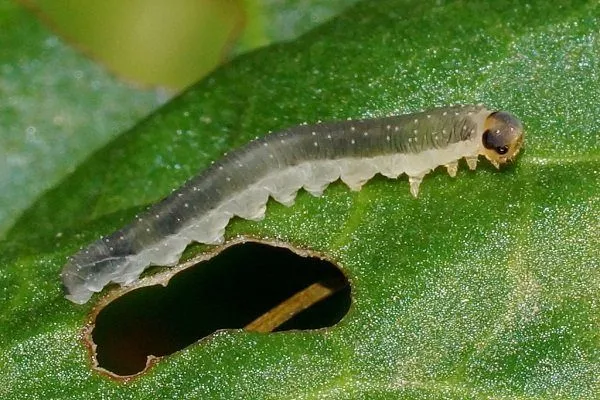
With proper standard preventative treatments, the insects usually don't appear. If sawflies have attacked sorrel beds, spraying the plants with a chamomile decoction mixed with laundry soap will help. This treatment should be performed once a week.
There are many effective ways to combat sorrel diseases and pests, including chemicals and folk remedies. The key is to take the necessary measures promptly, before the problem gets worse. Prevention is the ideal approach.
I like it, it's detailed, thank you.