
Zakhar is the name of a mid-season leaf celery variety popular among Russian gardeners. It is prized for its low maintenance, excellent flavor and aroma, and high yields. It is grown as an annual or biennial plant not only in open garden beds but also indoors in pots.
Features of selection
This celery cultivar was developed by Russian breeders E. M. Khomyakova and M. M. Tsiunel at the end of the last century. It was included in the Russian Federation State Register in 2000.
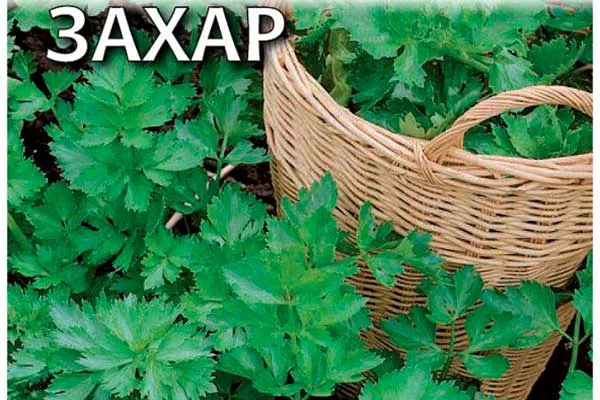
Description of appearance
Plants of the Zakhar variety are characterized by the following external features:
- "height" - 30-40 cm;
- superficial branched root system;
- semi-raised leaf rosette;
- green petioles of medium length, thin, but quite strong;
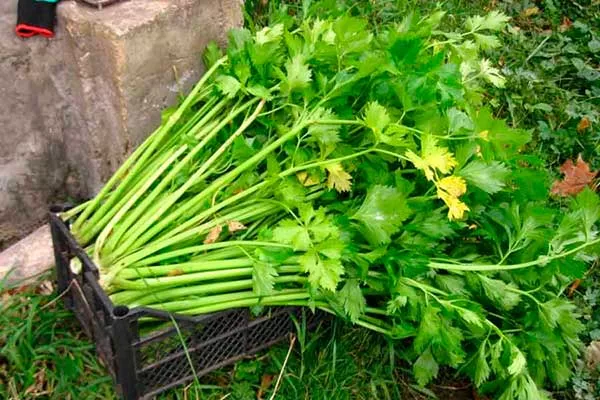
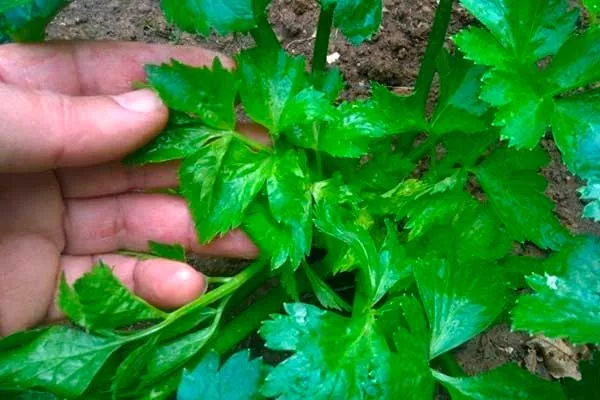
- foliage: glabrous, green, dissected, with triangular lobes and feathery edges;
- a branched root vegetable that gardeners use to force greenery.
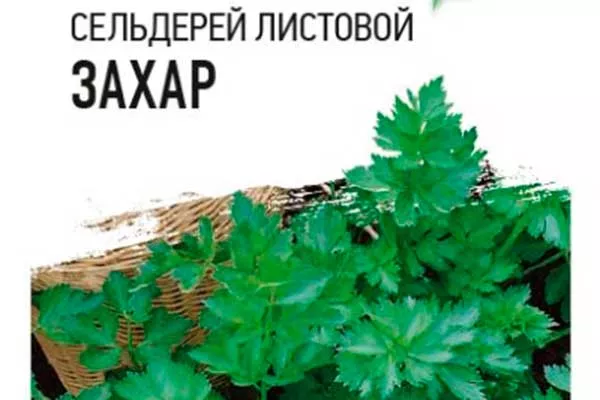
Celery bushes of this variety are quite decorative and elegant. They truly enhance any garden bed. The feathery leaves quickly grow back after cutting.
Taste characteristics
Zakhar celery greens have earned high ratings from professional chefs. They delight the eater with their juiciness and rich flavor palette, sweetness with a slight bitterness and spicy notes. The rich, slightly tart aroma makes them even more appetizing.
Flowering and lifespan
This vegetable variety delights the eye with its beautiful blooms. In the second year of cultivation, it produces beautiful inflorescences with white petals. With proper care, it will last 2-3 years.
Useful properties and advantages
Celery greens are a healthy food. They are rich in nutrients that are beneficial to human health:
- vitamins (A, E, C, B group, biotin);
- minerals (potassium, iron, phosphorus, magnesium, sodium);
- saturated fatty acids;
- essential oils;
- fiber (up to 9%).
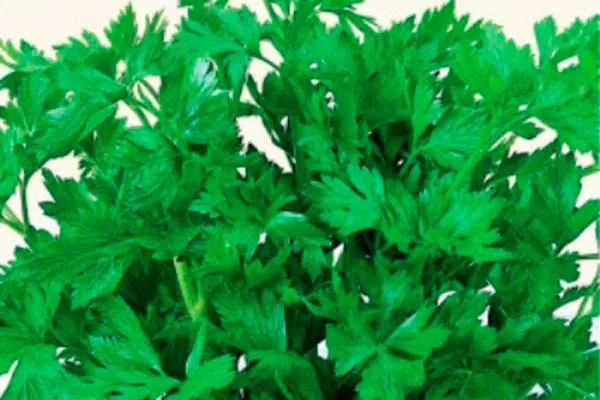
Regularly consuming the plant's fresh leaves will strengthen your immune system, improve your metabolism, and lower bad cholesterol levels. They are low in calories (13 kcal/100 g), making them suitable for dietary use.
The content of constituent substances in them is as follows:
- 1.1% - proteins;
- 1.64% - carbohydrates;
- 0.15% - fat;
- 3.67% - water.
Applications and urban greening
Leaf celery Zakhar has found wide application in cooking:
- housewives add it to various dishes (soups, salads, vegetable dishes, stews, as an addition to chicken or tuna);
- it is steamed to make a healthy side dish for meat or fish;
- canned;
- dried to produce a fragrant seasoning.
The plant is renowned for its medicinal properties. It is used in folk medicine as teas and infusions for the following purposes:
- treatment of pneumonia;
- relief of menopause symptoms;
- memory improvement;
- for heartburn and upset stomach;
- to reduce blood pressure in hypertension;
- to relieve allergy symptoms such as hay fever.
The Zakhar variety is also suitable for landscaping urban flowerbeds, borders, and edgings. It's also suitable for a dacha flower garden. It can also serve as an ornamental plant grown indoors in a pot. It's also an excellent honey plant, attracting bees and butterflies.
Ripening time and yield
This vegetable variety belongs to the mid-season and hybrid categories. The harvest period ranges from 100 to 150 days after germination, depending on the growing conditions of the leafy crop.
Growing regions
The variety is intended for cultivation in the climatic conditions of the following regions of the Russian Federation:
- Northern;
- North-West;
- Central;
- Volga-Vyatka;
- Central Black Earth Region;
- North Caucasian;
- Middle Volga;
- Lower Volga;
- Ural;
- West Siberian;
- East Siberian;
- Far Eastern.
Subtleties of planting
Summer residents grow leaf celery Zakhar in two ways:
- direct sowing of seeds into garden soil with subsequent thinning of seedlings;
- through seedlings.
- ✓ The optimal soil temperature for sowing celery seeds Zakhar should not be below +10°C.
- ✓ To prevent seedlings from stretching, it is necessary to provide additional lighting for 12-14 hours a day.
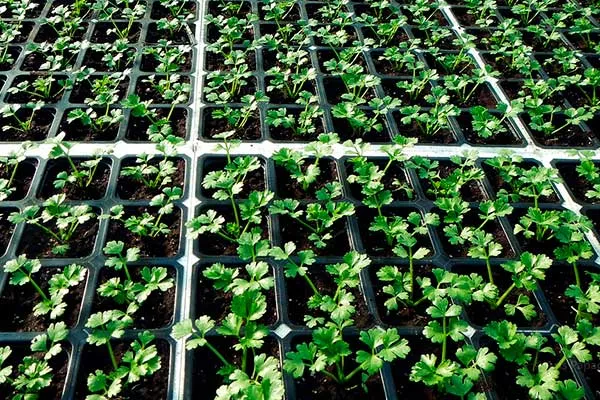
Plant the crop in an open bed in late April or May. When sowing, plant the seeds no more than 0.5 cm deep in the soil. Use a 25 x 10 cm pattern. Seedlings will emerge in 2–3 weeks.
Sow seeds to produce seedlings in the second half of February or early March. There's no need to plant them deep in the soil. Care for the seedlings with watering, loosening, and fertilizing. When they're 60-80 days old, transplant them to the garden (around May). Follow the 35x40 cm planting pattern.
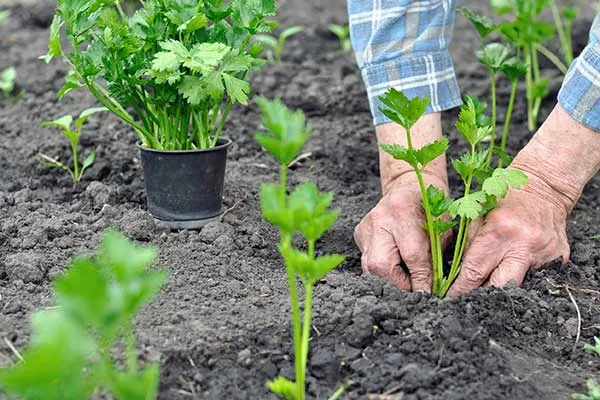
Choose a location on your property for growing leaf celery that meets the following requirements:
- well-lit or in light partial shade;
- protected from gusts of wind and drafts;
- with loose, fertile, moist soil with neutral acidity (it will need to be fertilized in the fall with humus, using 6-8 kg per 1 sq. m, and mineral compounds, observing the application rate of 20 g per 1 sq. m);
- located next to a planting of tomatoes, beans, onions, cabbage (unsuccessful neighboring crops for celery: potatoes, carrots, parsley).
Agricultural technology for cultivation and care
This leafy vegetable is easy to grow and requires little care. To reap a bountiful harvest of vitamin-rich greens, all you need to do is regularly water, weed, cultivate the space between rows, and fertilize.
Watering
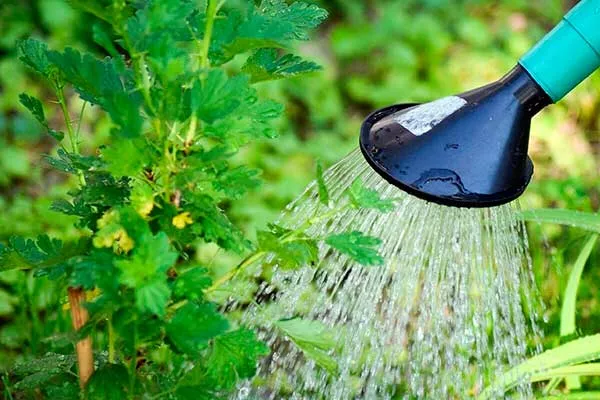
Celery thrives on moisture. Water the bed where it grows, following these guidelines:
- Water the vegetable crop regularly so that the soil is constantly moderately moist, but not waterlogged (swampy);
- irrigation frequency - once every 2-3 days;
- water consumption - 20 liters per 1 sq. m of garden bed;
- After watering, mulch the soil with clean sawdust or mown grass to retain moisture.
There's no need to loosen the soil under celery bushes. Experienced gardeners limit themselves to loosening the spaces between rows. Be sure to remove weeds from the bed. They rob the plant of nutrients and water, are a source of disease, and provide a favorable habitat for pests.
Top dressing
To ensure a bountiful harvest, fertilize your leaf celery plantings. In addition to applying organic and mineral fertilizers in the fall before sowing the seeds, fertilize the crop several more times throughout the season:
- 2 weeks after planting, water the plants in the garden bed with chicken manure dissolved in water (1:25), using 10 liters per 1 sq. m;
- at the age of 40 days, fertilize the vegetable crop with a solution of table salt (2-3 g per 1 sq. m);
- 1 month after the first feeding, feed the bed again with a solution of chicken manure (1:25) or mullein (1:10).
Resistance to diseases and pests
Zakhar celery rarely gets sick or is damaged by insect pests. Its plants have a strong immune system. If not properly cared for, they can suffer from infections:
- rust;
- powdery mildew;
- septoria.
| Disease | Resistance of the Zakhar variety | Recommended preventive measures |
|---|---|---|
| Rust | Average | Treatment with Fitosporin-M before sowing |
| Powdery mildew | Low | Regular ventilation of plantings |
| Septoria | High | Crop rotation |
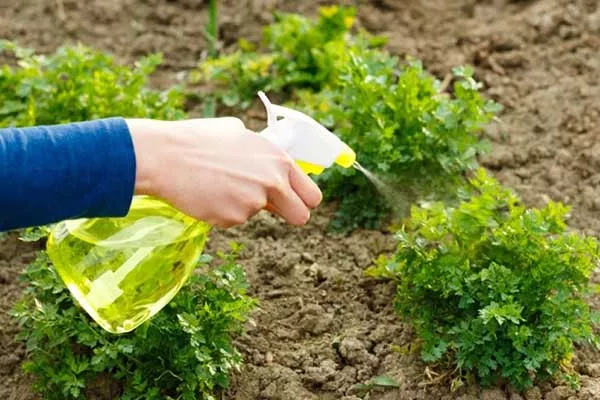
The solution is to deeply dig the soil in the garden and treat the vegetable plantings with Fitosporin-M. Copper-containing products also help against powdery mildew.
Of the pests, leaf crops suffer most from:
- bean aphid;
- psyllids;
- carrot fly;
- celery fly;
- leafworms;
- flower beetle;
- slugs.
To solve this problem, dig the bed deeply. Treat it with folk remedies: a tobacco-mustard mixture, a potato top infusion, or a dandelion decoction. To combat flower beetles and slugs, it makes sense to use commercial products.
Positive and negative qualities
The Zakhar vegetable variety has become a favorite among domestic gardeners due to its many advantages:
The variety has no significant drawbacks. The only drawback is the plants' increased moisture-loving nature and their need for frequent watering.
Reviews
Zakhar is an excellent leaf celery variety that even a novice gardener can grow. It's the best choice for those who love spicy, vitamin-rich greens. These plants don't require complex cultivation techniques. They're very easy to grow, rarely affected by disease, and produce abundant harvests in any climate.