
Apple celery is a variety of root celery that is considered an early-ripening variety. Its distinctive features include a distinct, pleasant, spicy aroma, excellent shelf life, and excellent transportability. It is used in home cooking and folk medicine.
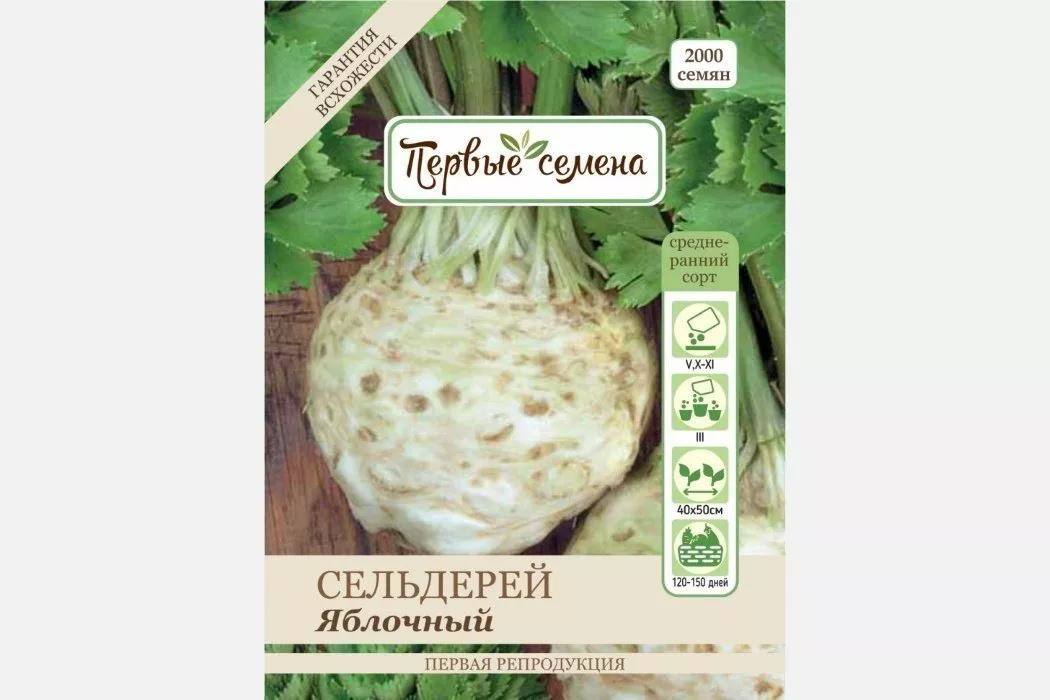
Apple celery
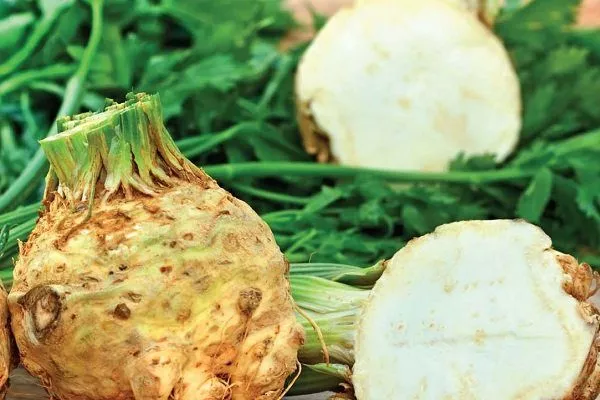
Apple celery has a bittersweet taste.
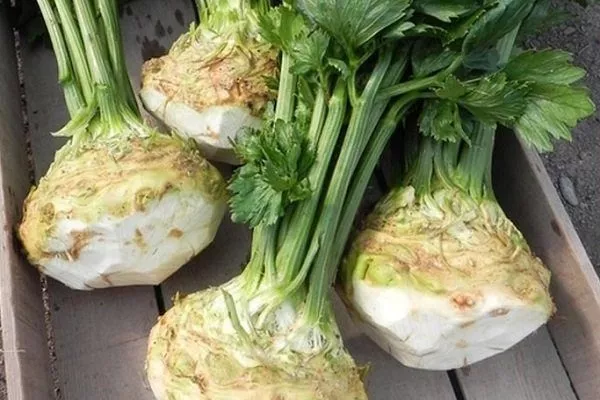
Apple celery can be stored for up to 9 months
Characteristics of the variety, its pros and cons
Apple celery is a root hybrid developed in the 1960s. It's an annual plant that can be grown in any region of Russia, including the northern regions (in the latter case, the roots won't be too large). Gardeners prefer this variety due to its short growing season and high yields.
Unlike leafy and petiolate varieties, apple celery forms large tubers with juicy flesh. These tubers store nutrients and vitamins.
Main characteristics of the variety:
- root crop weight – from 180 to 450 g;
- root length – 4-5 cm;
- the color of the root vegetable is gray-white;
- the taste of the fruit is bittersweet, spicy;
- ripening period – early (root crops fully ripen 90-160 days after emergence);
- root crop yield per 1 sq. m – 2.3-4.7 kg;
- shelf life – 6-9 months.
Apple celery roots are eaten fresh and also processed. In winter, celery can be used to grow vitamin-rich greens. The roots and leaves are also used for medicinal and cosmetic purposes.
Advantages of the variety:
- Rich in nutritional value. The roots contain calcium and phosphorus salts, sugars, and essential oils, while the leaves contain carotene and vitamin C. All parts of celery contain dietary fiber, which stimulates the gastrointestinal tract.
- High transportability rates.
- Frost resistance. Seedlings planted in the ground can withstand spring frosts down to -5 degrees Celsius.
- Resistance to a number of fungal and viral diseases.
Disadvantages of culture:
- the need to provide apple celery seedlings with a long daylight period (14-16 hours), which requires the use of special lamps;
- difficulties in seed germination due to their low germination rate;
- Soil moisture requirements: if you don't follow the recommendations and flood the beds with water, the crop will become sick or die.
Landing
To grow apple celery, you need to sow the seeds for seedlings, then pick them and plant the seedlings in the ground.
Sowing seeds to obtain seedlings
Root celery should be sown in late February or early March. Later sowing will not yield results because it takes a long time to grow.
- ✓ Optimum water temperature for soaking seeds: 25-30°C.
- ✓ Required gauze moisture content: it should be damp, but not wet, to avoid seed rotting.
First, you need to perform the following manipulations with the seeds:
- Moisten a piece of gauze with water and wrap the planting material in it.
- Leave the seeds at room temperature for a week.
- Place the seeds in the refrigerator for 12-14 days. Once small sprouts appear, they can be sown.
The material for obtaining seedlings should be planted in boxes pre-filled with the following composition:
- garden soil;
- peat;
- river sand;
- crushed eggshells;
- sunflower husks.
All components should be taken in equal proportions. For disinfection, water the soil mixture with a strong solution of potassium permanganate. Moisten the soil before sowing.
Apple celery seeds should be sown as close to the surface as possible, without burying them too deep. The recommended depth is 5 mm.
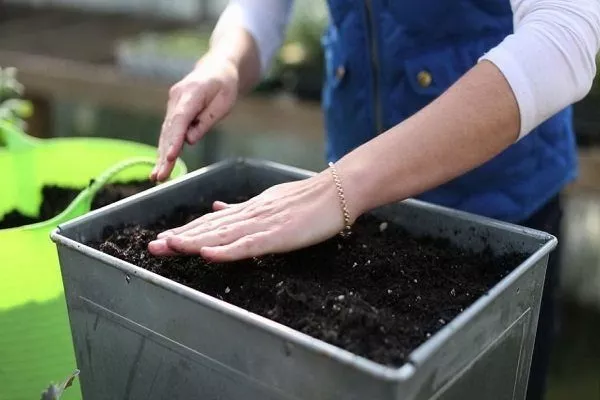
Caring for seedlings
After planting the seeds, the following steps must be taken:
- Maintain a suitable temperature regimeUntil the first shoots emerge from the ground, maintain a temperature of 20-22 degrees Celsius. Once the leaves appear, reduce the temperature to 16-20 degrees Celsius, then return to the original temperature after 7-10 days.
- Provide proper lightingUntil seedlings emerge, keep the seedling tray under plastic or glass in a dark room. Once leaves emerge, move the tray to a brightly lit area. If natural light is insufficient, use special lamps. This is especially important on cloudy days.
- Maintain soil moistureSeedlings need to be watered frequently, but sparingly (about once a week). Once the sprouts emerge, mist them with a spray bottle.
Picking seedlings
Once the seedlings have grown stronger and 3-5 leaves have formed on the shoots, they can begin picking—transplanting them from the same container into individual pots or cups. Gardeners recommend selecting only the largest and strongest specimens for this procedure.
For replanting, use cups with a diameter of at least 6 cm. Make holes in the bottom of the containers to allow excess water to drain.
Fill the cups with the same soil mixture used for planting the seeds in the main tray, making 2-2.5 cm deep holes. Place the seedlings in the holes. Cover with soil, ensuring the cotyledons remain above the surface.
Planting seedlings in open ground
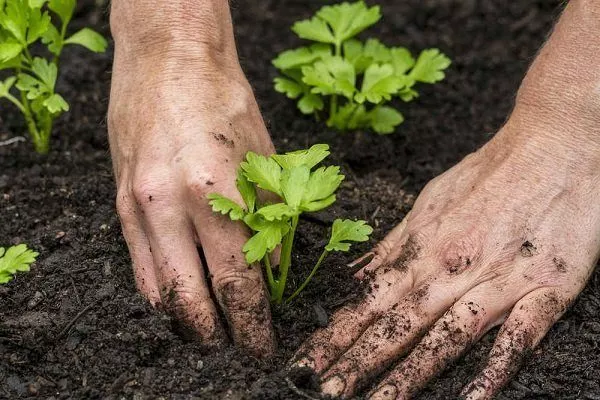
Seedlings can be planted outdoors when they reach 20-25 cm in height and have 4-5 leaves. Planting can begin in mid-May.
To grow apple celery, you need to select the right soil. This crop prefers sunny locations. As for soil composition, light, sandy loam soil enriched with humus is suitable.
Gardeners recommend choosing a site for planting apple celery that previously contained cabbage, legumes, cucumbers, or garlic. Potatoes, dill, parsley, and carrots are absolutely not suitable as predecessors.
The plot should be tended to in the fall: thoroughly dig the soil and fertilize with humus at a rate of 10 liters per square meter. Before spring planting of seedlings, amend the soil with compost or poultry manure. This is recommended two weeks before transplanting the seedlings outdoors.
To help seedlings adapt to new conditions more quickly, they should be planted in cloudy, windless weather.
Landing algorithm:
- Make beds about 30 cm deep, keeping a distance of 50 cm between rows.
- Plant the seedlings in holes about 8-10 cm deep, without burying the apical bud from which the leaves emerge.
- Seedlings should be placed at a distance of 30-40 cm from each other.
- Water the beds generously.
- To protect plantings from possible spring frosts, the beds can be protected with covering material.
Caring for the crop during cultivation
Root apple celery requires proper watering, soil cultivation, and removal of excess roots and leaves.
Watering
The plant thrives on moisture, but overwatering can cause disease and even death. Therefore, celery beds should be watered regularly, as the soil dries out, but avoid overwatering.
Watering should be done only at the roots. It's helpful to add nettle infusion to the water at a rate of 1 tablespoon per bucket of water.
Mulching
To retain moisture in the soil and slow down the growth of weeds, mulching is recommended – covering the beds with straw, sawdust or hay.
Weeding and loosening the soil
These procedures should be performed simultaneously. After planting the seedlings, loosen the soil as often as possible, and subsequently, once every two weeks.
When carrying out these procedures, there's no need to hill the beds, as piling up soil reduces crop yield. As the root crops grow, rake the soil away from the plant. This approach will ensure large, well-shaped fruits.
Top dressing
Fertilizer should be applied 3-4 times during the growing season. The first two applications, applied after planting, promote rooting and seedling growth, while the last two applications promote the seedlings reaching large sizes.
The culture requires the following fertilizers:
- chicken manure infusion (proportion – 1:15);
- superphosphate (25 g of substance per 10 l of water);
- a solution of urea (10 g per 2 l of water), which is needed if the plant leaves are too pale.
Pest and disease control
To protect celery from pests and diseasesTo prevent pests, regularly remove weeds from the beds, water moderately, and apply mineral fertilizers promptly. To repel insects and other pests, it is recommended to use biological products (Fitoverm, Lepidocide) or folk remedies (infusion of onion peels or orange peels).
It is prohibited to treat celery with chemicals, as toxic substances accumulate in the leaves and roots.
Harvesting and storage
The plant's leaves indicate that it's time to harvest: when they turn yellow, the root vegetable has reached commercial maturity. This usually occurs in October.
To make harvesting easier, it's recommended to moisten the beds a day before harvesting. If the soil is loose and soft, pull the tops of the tubers out. Otherwise, use a shovel or pitchfork to pry the tubers out.
The harvested root vegetables need to be shaken of any remaining soil, the tops cut off, and laid out in the fresh air to dry thoroughly.
If the root vegetables are damaged, they should be used first: such specimens do not last long and quickly spoil.
Apple celery can be stored in a basement or refrigerator, but the former is preferred. The roots should be placed in a box filled with sand, with the stalks facing upward. The ideal storage temperature is between 2 and 10 degrees Celsius.
- ✓ The storage sand should be slightly damp, but not wet, to prevent the root vegetables from rotting.
- ✓ Check root vegetables regularly for signs of rot or disease during storage.
Celery can also be frozen. To do this, peel and slice the celery, place it in bags, and place it in the freezer.
Apple celery is a healthy crop, rich in vitamins and microelements. To obtain a good harvest, it is necessary to provide the plant with proper care at all stages of cultivation.