
Prague Giant celery is a highly productive variety grown from seedlings. Its low-temperature tolerance makes it suitable for cultivation in a wide range of climates. To ensure a high-quality harvest, it's important to strictly adhere to all cultivation guidelines.
What kind is this?
This celery variety is a root vegetable. It thrives in sunlight, is cold-resistant, has a pleasant flavor, and is rich in vitamins.
The Prague Giant is widely used in cooking. It has excellent shelf life, lasting up to eight months, and retains its properties well even when dried.
Description of appearance
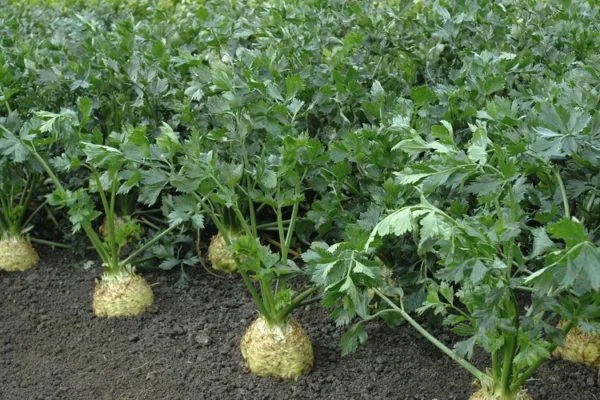
The plant is a compact bush with a rosette of leaves no more than 40 cm high. Note other varietal characteristics:
- The leaves are medium-sized, deeply serrated and semi-erect, with thick, medium-length petioles of light green colour with a slight pink or burgundy tint.
- The leaf blades are greenish in color, do not have a waxy coating and have a bright spicy aroma.
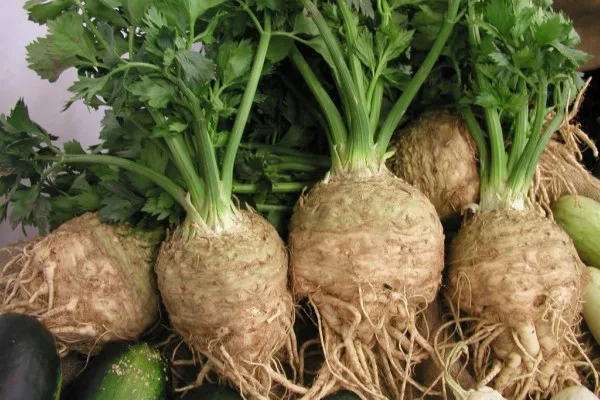
- The root vegetables are large, reaching a weight of up to 250-270 g, have a round shape, a diameter of 15-20 cm, and are characterized by a smooth and neat appearance.
- The skin has a light gray tint, and the flesh is white, compact, free of voids and juicy.
Taste and purpose
The petioles have an excellent taste and rich aroma, enriching the body with vitamins, amino acids, carotenoids and glycosides.
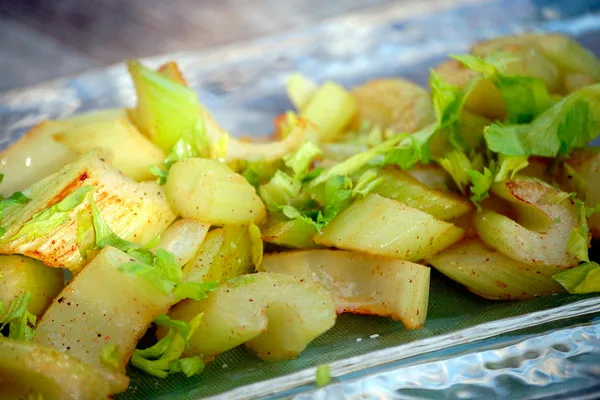
The variety's edible qualities are highly praised. The crop is used in cooking. The roots are eaten fresh, but are also used for canning, drying, and other processing.
When does it mature, productivity?
The variety reaches technical maturity 5-6 months after flowering, and biological maturity in 120-130 days. The roots are suitable for fresh consumption if harvested in August, and for long-term storage in early autumn.
It boasts competitive productivity rates: 2.6 to 4.2 kg of root crops per square meter of land, but sometimes 8-10 kg can be harvested from the same area. The total yield per hectare reaches 25-40 tons.
A Brief History of Breeding
The Prague Giant is the result of a successful breeding process carried out by specialists at Poisk Agroholding, which was completed in 2007. Just one year after its development, in 2008, the variety successfully passed the necessary tests and was registered in the State Register of Breeding Achievements of the Russian Federation.
Similar varieties
If you are unable to purchase planting material of this variety, it can be replaced with identical types of celery in appearance and characteristics:
| Variety | Productivity (in kg per 1 sq. m) |
| Cascade | 32-34 |
| Diamond | 23-50 |
| Jupiter | 25-45 |
| Gribovsky | 10:30 |
| Apple | 15-30 |
Basic rules for growing from seeds
In the European part of Russia, cultivation of this variety is limited to the use of seedlings only, while in the southern regions, sowing seeds directly into the garden is permitted.
- ✓ Soil pH should be between 6.0-7.0 for optimal growth.
- ✓ The soil should be rich in organic matter, with good drainage.
This plant has increased substrate requirements – for reliable root development, a rich, fertile soil layer is critically important. It should be light in structure and enriched with nitrogen and microelements.
Preparation for landing and the procedure itself
The preparatory process for cultivating the Prague Giant celery variety includes the following steps:
- Selecting capacity. For growing celery, seedling trays, individual cups for each plant, peat pellets, or cassettes are all suitable. Poke holes in each container to allow for drainage during watering.
When using boxes, one should take into account the need for an additional procedure – picking out seedlings. - Preparing the soil mixture. The plant requires a nutrient-rich, permeable substrate, pre-treated with Energen to promote shoot growth. This mixture can be purchased at gardening stores or made at home by mixing equal parts of the following ingredients: garden soil, compost, peat, sand, soaked husks of any grain or sunflower husks, and eggshells.
- Seed treatment. The process of preparing varietal celery seeds:
- Place the seeds in a container with hot (but not boiling) water and stir to ensure the essential oils remain in the liquid.
- Then cool the planting material and rinse it in cold water. Drain the water through a fine-mesh strainer and dry the seeds.
- Soak the seeds for another two days in room-temperature water, changing the water periodically. The appearance of small sprouts indicates they are ready to plant.
- A day before sowing, treat the seeds with growth stimulants, such as Epin, and use a solution of potassium permanganate for disinfection, after which be sure to dry them.
The time for sowing seeds in pots, trays, or cups is between February 20 and March 10. In colder climates, such as northern latitudes, this timeframe may extend until April.
In Central Russia and the Moscow region, the optimal time period begins March 25 and continues until April 10. Plant the seeds in the substrate to a depth of approximately 0.5-0.7 cm.
Caring for seedlings
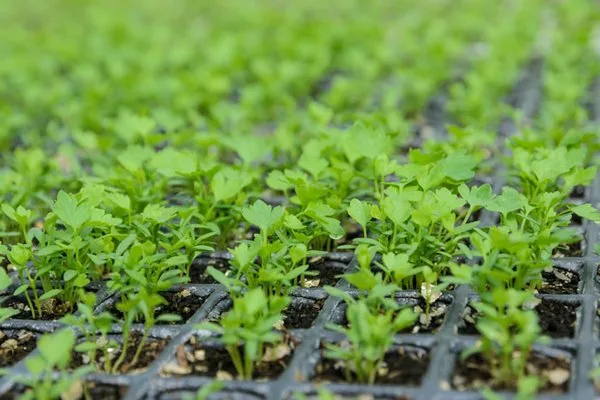
For seeds to germinate, temperatures must range from 17 to 22 degrees Celsius. Prague Giant celery typically germinates within 7 to 11 days. Until the first leaves appear, the seedlings should not be exposed to direct sunlight, and once they begin to grow, they should be moved to a bright location.
Peculiarities:
- If the lighting in the greenhouse is insufficient, additional artificial lighting is used, providing daylight hours of 14 to 16 hours.
- The soil should be slightly moist, so try to avoid drafts. Ideally, water the seedlings once a week. To accelerate the growth of young plants, you can use a spray bottle. Drip irrigation is also often used.
When the seedlings develop their first two leaves, they need to be pricked out and transplanted into individual containers with a similar substrate composition. - When transplanting to a permanent location, cut off part of the root, leaving about 2/3.
Young plants can withstand short-term frosts down to -4 degrees Celsius. Two weeks before planting outdoors, the seedlings are fed with a solution of bird droppings or compost. To strengthen the sprouts, they are periodically taken outside.
Transfer to open ground
Between May 20 and June 10, the soil is tilled: each bed measuring 1 square meter is dug over. Organic components (such as 10-12 kg of compost) and complex mineral fertilizers (a mixture of phosphates, urea, and potassium chloride) are used to enrich the soil.
The seedlings are transferred to the beds in cloudy weather during the day or in the quiet evening:
- Between the rows, spaces are made 50-65 cm wide, leaving a distance of 30-40 cm from each plant.
- The depth of the planting hole is 810 cm.
- After planting, the plants are thoroughly watered.
Further care
The Prague Giant is not considered to be too demanding, but it is important to consider some aspects of cultivation:
- Avoid frequent watering. To maintain moisture in the area, use mulch. Moisten the celery directly at the roots. An effective irrigation method is nettle infusion, applied several times throughout the season.
- After a week, the plants are fed with herbal compost. Two weeks later, apply an infusion of chicken manure, which can be replaced with mullein. In July, apply a root dressing with superphosphate. Once the heads form, begin treating the plants with boric acid. Starting in August, apply wood ash and potassium mixtures.
- Regular weeding is necessary, frequently at first, and then once every two weeks is sufficient. Loosen the soil after watering to a depth of 5-8 cm.
- Two weeks after planting, apply a complex mineral fertilizer with a predominance of nitrogen.
- During the period of root crop formation, increase the proportion of potassium fertilizers.
- Stop applying nitrogen fertilizers one month before harvest.

Harvesting and storage
In the final days of September, when the foliage begins to turn yellow, begin harvesting the mature Prague Giant tubers. It's important to harvest before the onset of frost, but don't rush, as the roots continue to gain mass during this period. Water the tubers an hour and a half before digging. Then proceed as follows:
- Carefully remove the strawberries from the ground to avoid damaging their thin skins.
- Trim, leaving about 2 cm from the root part for better preservation.
The tubers are stored in basements until spring, ventilating the room regularly and maintaining a temperature between 3 and 10 degrees Celsius. In the basements, the strawberries are placed in boxes filled with sand, with the stems facing upward. Alternatively, the vegetables can be dried or frozen.
Diseases and pests
Although celery is resistant to many diseases and pests, it can be threatened by:
- flies;
- septoria.
To protect the plant from damage, follow these recommendations:
- prevent crowding of plantings;
- Provide regular and moderate moisture, avoiding excess moisture;
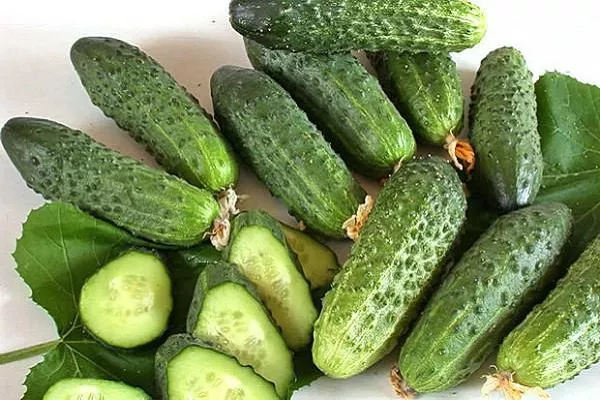
- take into account the rules of crop rotation (optimal predecessors are cucumbers, legumes, cabbage, garlic, onions);
- treat seeds with a solution of potassium permanganate before sowing;
- carry out weeding, cultivation and loosening of the garden bed.
Protection methods:
- To protect celery from flies, it is necessary to treat the soil around the plant with a mixture of dry mustard, tobacco dust and sand in a ratio of 1:1:1.
- In case of septoria, it is recommended to use special preparations for treating the crop: Ditan, Topsin-M, Fundazol, following the instructions for use of each of them.

Positive and negative qualities
Reviews
Prague Giant celery offers the ability to effortlessly grow large vegetables that withstand cold until the first frosts of winter, with the harvest remaining perfectly until the next planting season. The roots are large and juicy, with decent productivity—a reason why gardeners and farmers love this variety.