
Pascal celery can be grown by both novice and experienced gardeners. Its high yield and resistance to adverse conditions make it an excellent choice. With proper care and following the recommendations, it will reward you with succulent greens and excellent flavor.
Introduction to the variety and characteristics
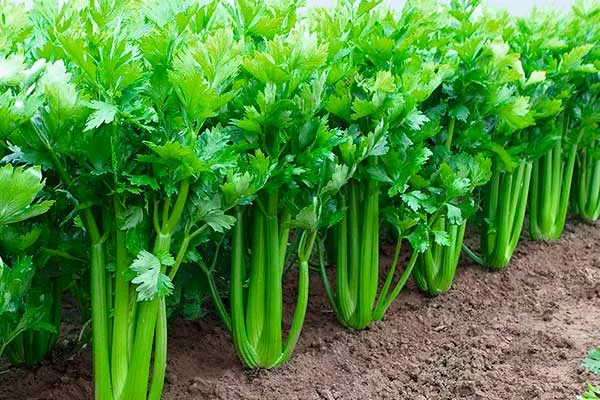
It attracts attention with its strong stems and medium height. The leaves in the rosette are arranged vertically, evenly, and are medium in length and a rich, dark green color with a moderate sheen. Petioles reach a length of about 22 cm.
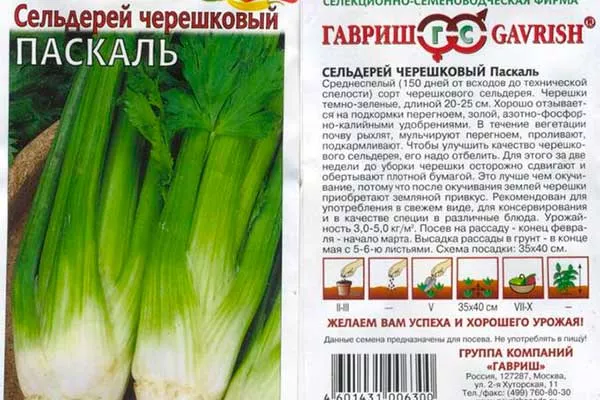
The crop is resilient to a variety of weather conditions, making it attractive to vegetable growers in various regions. While not completely drought-resistant, it can tolerate moderate periods of dryness if provided with regular watering. Otherwise, it will negatively impact its development.
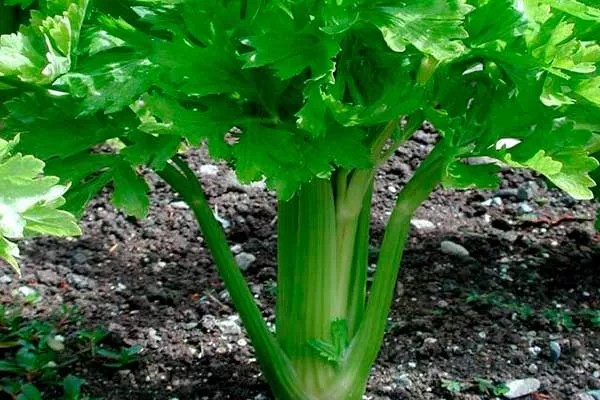
Pascal demonstrates good adaptability. It can withstand short-term cold spells and high temperatures, but optimal growth requires a stable temperature range of 15 to 20°C. Sudden temperature fluctuations, especially in spring and fall, require additional cover.
Description of appearance
The petioles are approximately 4 cm wide at the base, slightly curved, and light green in color. The surface is slightly ribbed, and the texture is juicy. The flavor is good, with a distinct aroma. The average plant weight is 235-450 g.
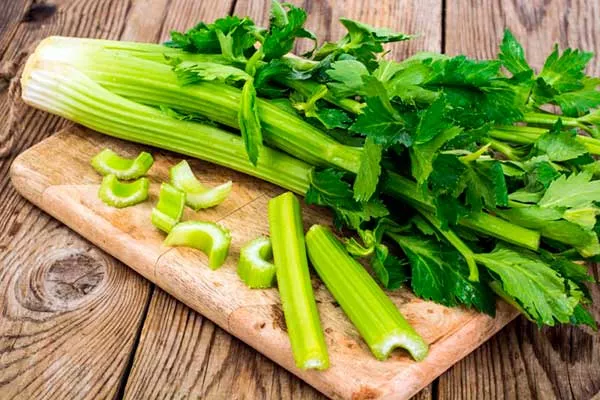
Taste and application
Used fresh as an ingredient in various dishes, dried celery is used as one of many types of seasoning.
When does it ripen?
It belongs to mid-season varieties: from emergence to harvest it takes at least 100 days.
Productivity
This is a high-yielding variety. An average of 3.4-3.9 kg of greens can be harvested from a plot of 1 square meter.
Landing
Growing a crop is a simple process, but it requires attention and care. It's important to follow agricultural guidelines, but even novice gardeners can handle it.
How to grow seedlings from seeds?
The Pascal variety, like other varieties with high essential oil content in their seeds, requires more time to germinate. Since not all seeds germinate, ensure you have enough.
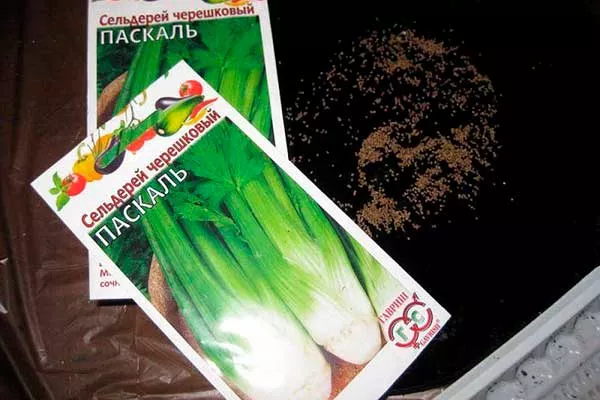
Step-by-step algorithm:
- Soak the seeds in warm, settled water for 24 hours. This will help improve their germination. Then, soak them in a weak solution of potassium permanganate (1 g per 1 liter of water) for 10 minutes and rinse under running water.
- Use peat pots, plastic cups, or containers with drainage holes. Treat them with boiling water to prevent disease.
- Prepare a substrate from a mixture of equal parts garden soil, peat, perlite, or sand. You can also use ready-made seedling soil purchased at specialty stores. Fill the containers and lightly moisten the soil.
- Spread the planting material evenly over the surface. Don't bury it, just press it lightly. Cover with a thin layer of soil or sand (0.5 cm).
- Moisten and cover the containers with clear film or a lid to create a greenhouse effect.
- Place in a warm place at a temperature of 18 to 22°C. Germination may take 2 to 3 weeks. Ventilate regularly to avoid condensation and prevent mold growth.
- ✓ Optimum soil temperature for seed germination: +18…+22°C.
- ✓ Required soil moisture for seedlings: about 60%, avoiding waterlogging.
When the seedlings have 2-3 true leaves, transplant them into individual containers. This will give the roots more space.
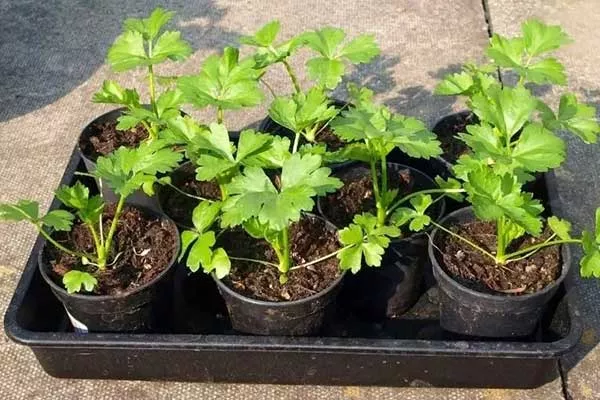
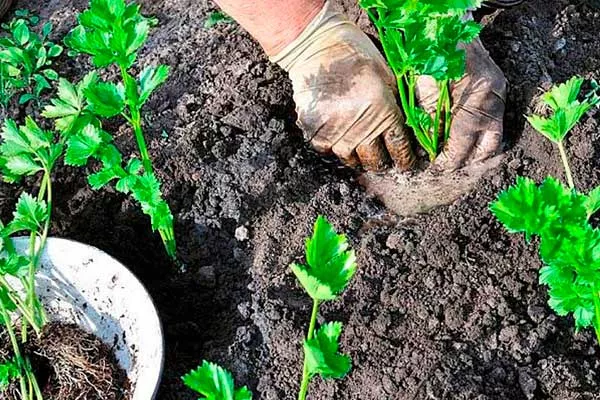
Landing in open priming
Place the seedlings in fertile, light, well-drained soil in a sunny or partially shaded area. By the time they're ready to plant, when they're 60-65 days old, they should have 4-5 true leaves and a well-developed root system.
Care instructions
Caring for your crops plays a crucial role in achieving a high-quality harvest. Follow these simple agricultural practices:
- Watering. Water the plants only when the soil is dry to a depth of 1 cm. Soil moisture should be around 60%. Avoid waterlogging to prevent root rot and plant death.
- Top dressing. Use humus, ash, nitrogen-phosphate, and potassium fertilizers. Apply nitrogen at the beginning of growth, and phosphorus and potassium during the active green mass development stage.
- Loosening. Perform this procedure after watering, when the top 1 cm of soil has dried out. This improves the access of oxygen and nitrogen to the roots.
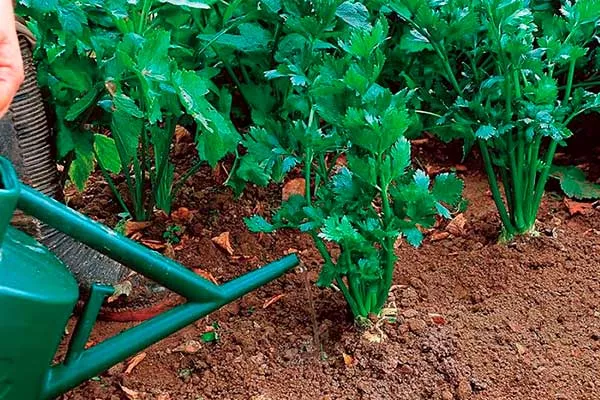
Three weeks before harvest, bleach the leaves to improve their quality. Remove the leaves and wrap them in paper, which makes the petioles softer and more tender.
Disease incidence, pest hazard – resistance
Despite its ease of cultivation, the crop is susceptible to certain problems that can significantly reduce the quality and quantity of the harvest. Plantings often suffer from diseases and insect attacks:
- Rust. Forms reddish-brown cushions. Severely affected plants may die. Spray with a solution of Fitosporin-M (5 ml per 1 liter of water) at the first signs of disease.
- Septoria. Yellow spots appear. Treat with Topsin-M or Fundazol according to the instructions.
- Cercospora leaf spot. It appears as brown, round spots with a purple bloom. Treatment is similar to that for septoria; use the same medications.
- Downy mildew. Accompanied by the appearance of a white coating. Remove diseased plants from the garden bed.
- Borscht fly. It lays eggs on the underside of leaves, which slows plant growth and impairs the flavor of the petioles. Onions planted nearby help repel the pest.
- Carrot fly. The larvae feed on the stems. Tobacco dust and dry mustard, mixed in equal proportions, are effective in control.
- Bean aphid. It weakens leaves and carries viral infections. Infusions of tomato tops, dandelions, potato greens, or citrus peels will help.
| Pest | Method of struggle | Period of activity |
|---|---|---|
| Borscht fly | Planting onions nearby | Spring-summer |
| Carrot fly | Tobacco dust and dry mustard | Summer |
| Bean aphid | Infusions of tomato tops and dandelions | Spring-autumn |
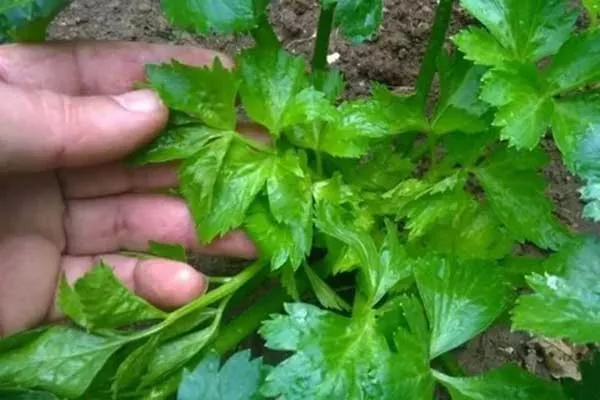
The Pascal variety, thanks to its qualities, is rapidly gaining popularity among vegetable growers, successfully competing with other types of celery.
Harvesting and storage
Harvest in September before the first frost. Use low pruning. Store the greens in a cellar, refrigerator, or freezer. Depending on your storage requirements, harvesting times range from 2 weeks to 1 year.
Positive and negative qualities
Research the crop's advantages and disadvantages beforehand. This will help you avoid any potential difficulties and grow a crop with strong immunity.
Some gardeners cite susceptibility to diseases and pests, loss of flavor when stored on the roots for a long time, and prolonged germination as disadvantages of the crop.
Reviews
Pascal is one of the most popular celery varieties. It has gained popularity due to its excellent flavor and culinary versatility. It is characterized by high yields and resistance to various weather conditions, making it an ideal choice for cultivation. Proper care is essential.