
The Malachite celery variety is an excellent choice for those looking for a reliable and high-yielding plant for their garden. This variety attracts attention not only with the impressive size of its stems and leaves, but also with its excellent taste. It's important to study its key characteristics, advantages, and disadvantages, follow growing recommendations, and adhere to proper agricultural practices.
History of origin
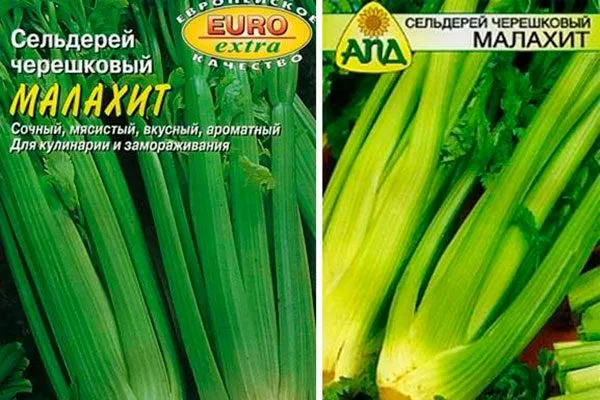
The name reflects its appearance, reminiscent of the luxurious stone malachite. Its rich green leaves with stamens not only attract attention but also harmonize beautifully with other plants in the garden or bed.
Introduction to the variety
Known for quite some time and widely cultivated due to its high productivity and balanced flavor, celery, a member of the Apiaceae family, is a true treasure for connoisseurs of exotic plants.
Appearance and color characteristics
The small stems pair well with other vegetables and herbs, adding a vibrant and appetizing appearance to any dish. Malachite stands out for its smooth, durable leaves, ensuring excellent storage and easy transportation.
Size and structure of stems, leaves and roots
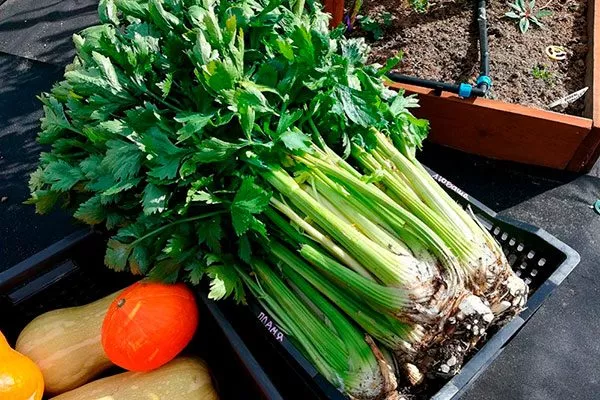
Celery is distinguished by the large size of its stems, leaves, and roots, making it one of the most impressive varieties. The stems reach 30-40 cm in length and 4-5 cm in diameter, have a smooth cylindrical shape, and are highly durable and resistant to damage.
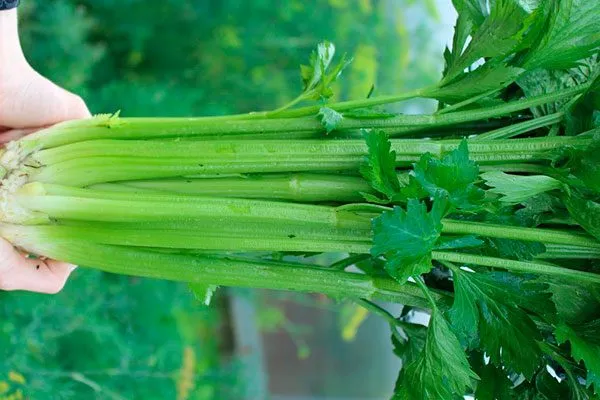
The leaves are large, rich green, and can be either pinnately lobed or pinnate, making them resistant to diseases and pests. The roots are impressive in size: 20-25 cm long and about 6-7 cm in diameter. The smooth, dense skin protects them from damage.
Taste characteristics and application
It is characterized by excellent gastronomic qualities. Its pleasant and delicate flavor is harmoniously combined with an appetizing fresh aroma.
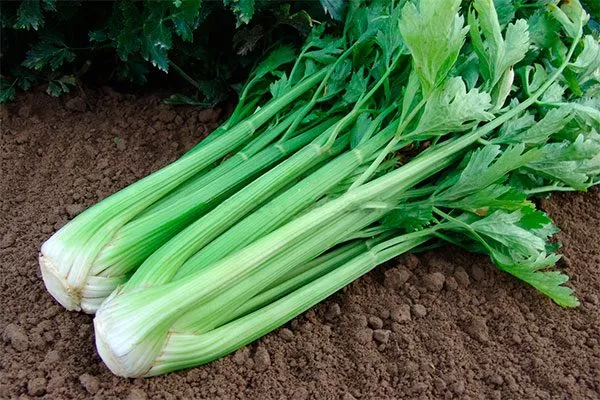
It is used both fresh and dried, and the leaves and petioles are excellent for preparing dishes intended for quick consumption.
Ripening time and yield
Gardeners harvest 2.8 to 4 kg of petioles and leaves per square meter of garden bed, with an average yield of over 3 kg. These figures are considered high, especially compared to other popular varieties, whose yields range from 2 to 2.5 kg. This is an early-ripening variety.
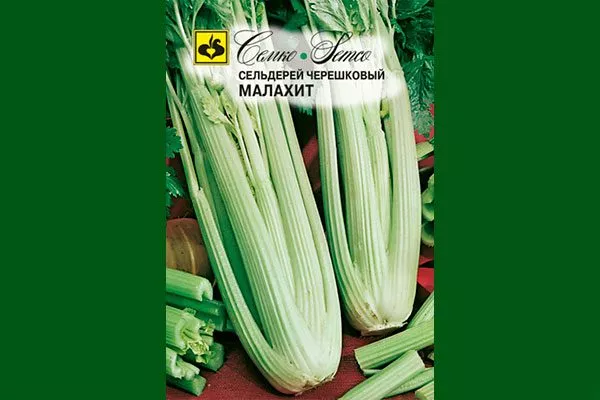
Celery - beneficial properties
The plant has a distinct and persistent aroma due to the essential oils it contains. The leaves and petioles of the plant contain important amino acids and minerals: iron, potassium, calcium, magnesium, and phosphorus.
Celery is particularly rich in ascorbic acid (vitamin C), which helps strengthen the immune system. Regular consumption helps maintain normal electrolyte levels, improves metabolism, and has a beneficial effect on cardiovascular health.
Cultivation techniques for Malachite celery
The crop is easy to grow if certain rules are followed, and care requires little skill. It is resistant to diseases and pests and tolerates a variety of climatic conditions, making it suitable even for novice gardeners.
Soil preparation
Before sowing the seedlings, prepare the area. The soil should be loose, fertile, and well-drained.
Do not grow after the following varieties:
- Root vegetables – Carrots, beets, and parsnips. These plants can deplete the soil and harbor diseases that can negatively affect fruits and vegetables.
- Other types of celery – to avoid the accumulation of diseases and pests.
- Onion - may create competition for nutrients and moisture.
- Green crops – spinach and parsley, as they can contribute to the accumulation of the same diseases.
- ✓ The optimal soil temperature for sowing seeds should be no lower than +5°C, but no higher than +8°C to ensure high germination.
- ✓ Row spacing during sowing should be strictly maintained within 20-25 cm to ensure sufficient space for growth.
Sowing
Sow seeds outdoors in late April or early May, when the soil warms to 5-8°C. Plant the seeds 1-1.5 cm deep, with a 20-25 cm spacing between rows. To improve seed germination, cover them with a layer of light soil.
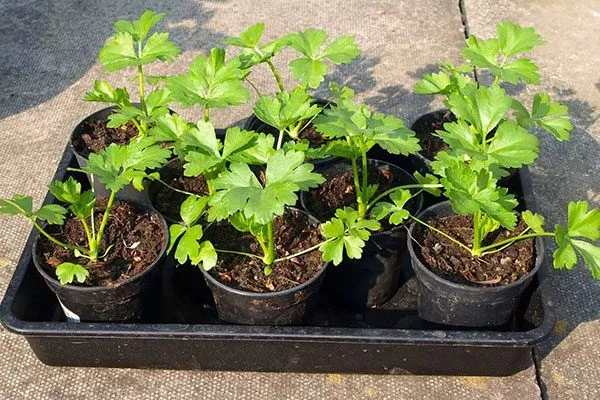
Plant care and feeding
Malachite celery, like other vegetables, requires regular care and minimal attention to achieve optimal results. Follow these recommendations:
- Use a complete fertilizer containing all the necessary micronutrients. Apply the first fertilizer 14-20 days after transplanting the seedlings into the open ground. Then, fertilize the plants every 2-3 weeks until harvest.
- When applying fertilizer, follow the package directions and do not exceed the stated dose. Before applying, loosen the surrounding soil and lightly moisten it to ensure the fertilizer dissolves and is absorbed by the celery roots.
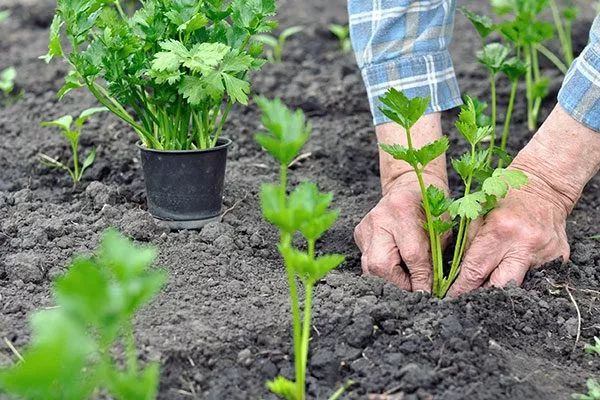
Regularly remove weeds from your garden beds to prevent them from competing for nutrients. Mulching your garden beds will help retain soil moisture and reduce weed growth.
Watering
Irrigation is a key agricultural practice when growing celery. Maintain optimal soil moisture at 40%. Check the soil condition before watering. In hot weather, water the plants more frequently, while avoiding additional watering during the rainy season.
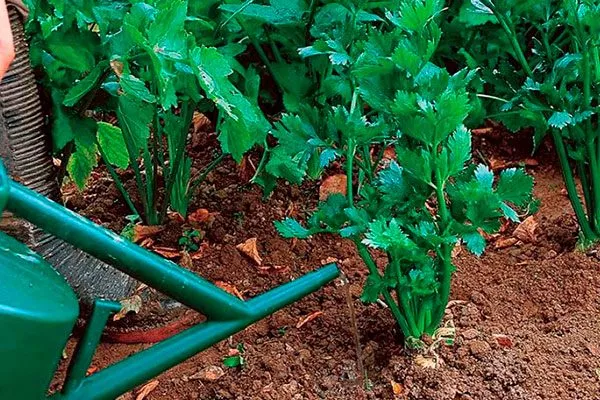
Prevention of diseases and pests
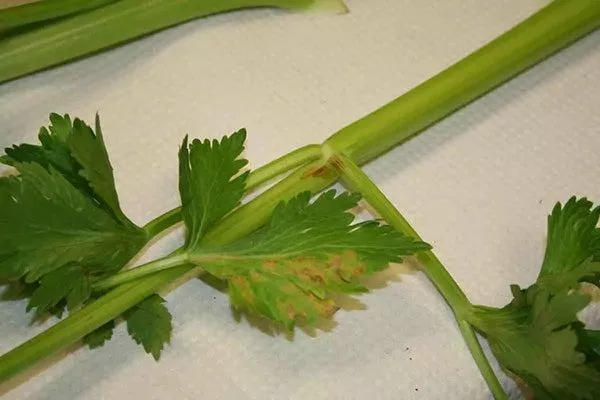
To prevent the spread of diseases and insect attacks, regularly inspect plants for signs of damage. Common diseases, such as blackleg, late blight, and powdery mildew, require treatment with specialized products containing copper, sulfur, or fungicides.
Positive and negative qualities
Before planting a crop, it's important to carefully examine its advantages and disadvantages to prevent any potential problems. Malachite has many advantages:
Among the disadvantages, some gardeners note low seed germination, intolerance to abundant watering, and the importance of careful control of soil moisture.
Reviews
Malachite celery is a versatile and productive plant that can truly be a highlight of any garden. Its crisp stems, rich vitamin content, and resistance to low temperatures make it an excellent choice for a variety of climates. With simple care, you can reap bountiful, high-quality harvests.