
Celery, like many garden crops, is susceptible to attacks from pests and various pathogens. These attacks will almost inevitably lead to the plant's death if you don't know what steps to take to save it.
Diseases
Celery is not immune to diseases. Growing this crop requires constant monitoring of the plant's condition and the use of preventative measures against pathogens and disease vectors.
| Name | Disease resistance | Ripening period | Productivity |
|---|---|---|---|
| Rust | Low | Early | Average |
| Cercospora leaf spot | Average | Average | High |
| Septoria | High | Late | Low |
| Downy mildew | Average | Early | Average |
| Cucumber mosaic | Low | Average | Low |
| Scab | High | Late | Average |
Rust
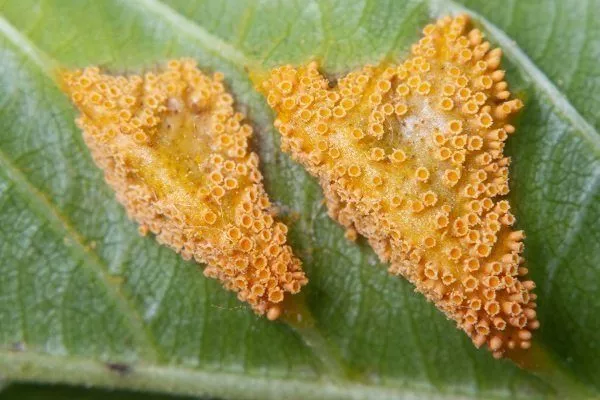
In late May and early June, reddish-brown raised spots can be seen on celery leaves. As the disease progresses, these spots merge to form brown stripes bordered by a bright orange border. When the pad is touched, dust is released. This spreads spores to other plants, infecting them.
When rust appears, celery begins to dry out little by little and eventually dries out completely.
Success in disease control depends on the stage of development at which the infestation is detected. It is best to completely remove diseased plants from the garden bed and burn them. Treat the remaining plantings with Fitosporin-M, diluting it at a rate of 5 ml per liter of water.
Cercospora leaf spot or early blight
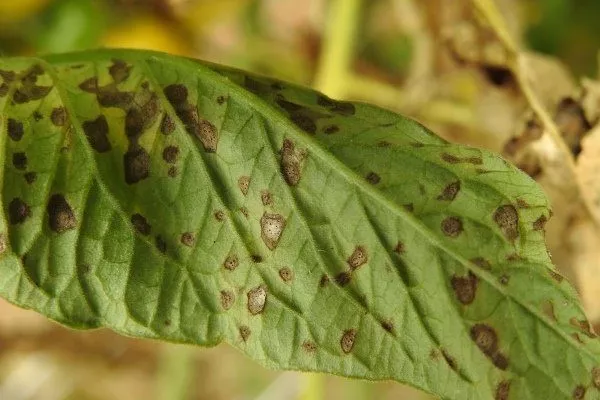
Characterized by the appearance of brown, concave spots with a dark border on the plant. These lesions are approximately 5 mm in size in the initial stages. After watering or rain, a gray coating appears on their surface. As the disease progresses, the spots merge into a single area, and their color may become lighter.
When infected, celery stunts its growth, and yields decline sharply. If the disease spreads completely, the plants die.
Cercospora leaf spot prefers warm, humid daytime weather, so the threat of infection typically peaks around midsummer. It spreads with precipitation and irrigation. The pathogen survives winter and lives on plant debris and in the soil. Seed-borne infection is also possible.
Control methods include treating the plantation twice in early summer or at the early stages of infestation with "Enegren." The dilution rate is 10 drops per 1 liter of water. The treatment is repeated at weekly intervals. Good results are also achieved with "Topsin-M" and "Fundazol."
Septoria or late blight
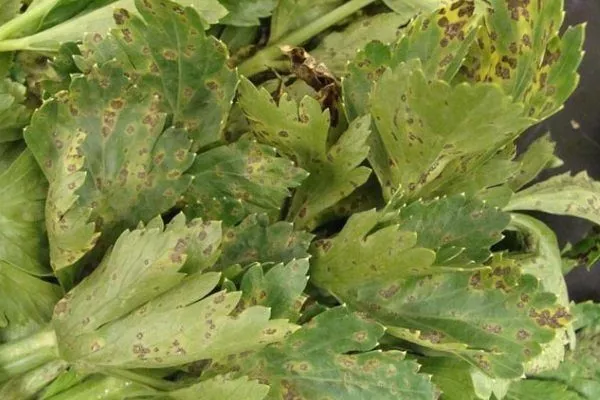
This fungal disease manifests itself as a scattering of small yellow spots across the plant's surface. Initially, they are a rich shade, but as the fungus matures, they turn grayish-beige and merge. The spots are translucent, revealing the underlying leaf structure.
The fungus prefers cool, damp weather, so it appears either in early spring or fall. It is especially common when there is an excess of nitrogen in the soil. It is spread by wind and precipitation.
Celery gradually dries out. The harvest doesn't last long.
Topsin-M and Fundazol are used for preventative treatment. They are diluted strictly according to the instructions for use. In case of widespread septoria infestation, the plants are destroyed, and the soil is treated with fungicides and dug over.
Downy mildew
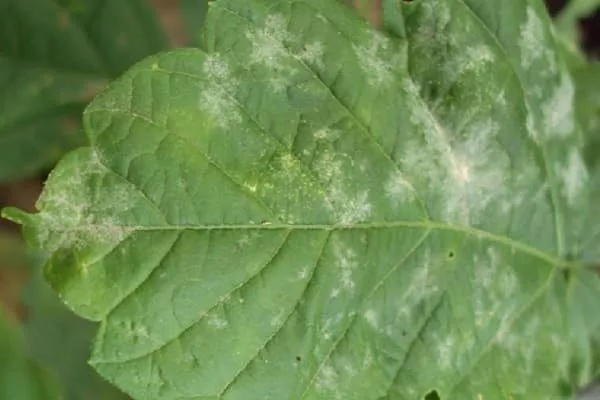
On affected celery, light spots can be seen on the upper surface of the leaf blade. The lower surface of the leaf is dusted with a loose powder. Over time, the coating and spots turn brown. The disease spreads rapidly, and a large area can be infected in a short time.
When celery is affected by powdery mildew, it becomes tough and the plant loses its juiciness significantly. Further cultivation of the crop becomes pointless.
Chemical treatment of leafy celery varieties is not possible.
Preventive measures boil down to timely detection and destruction of affected plants.
Cucumber mosaic
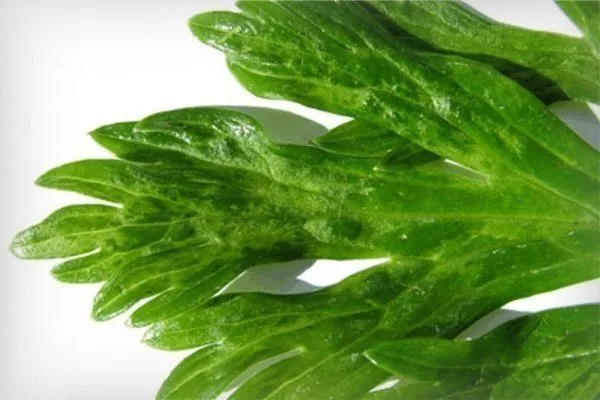
This disease is viral in origin and causes deformities in celery. The leaf blades appear variegated in color, with spherical lesions of varying sizes. The affected plant stands out sharply against a healthy plant.
Cucumber mosaic virus causes significant yield reductions by halting celery growth. The virus is transmitted by insects, particularly aphids.
Control methods include the destruction of diseased plants and various measures to prevent the appearance of aphids.
Scab
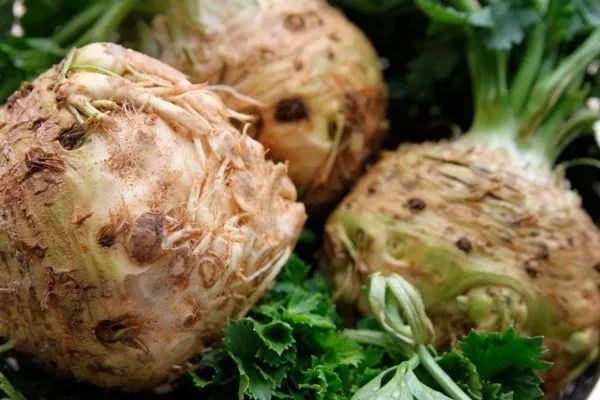
Cold and damp weather triggers the development of celery scab. The roots become covered in brown spots, peel, and crack. The plant is undernourished and may eventually die.
Control measures include sowing celery in a consistent crop rotation and preparing the soil for planting. Often, the only way to eliminate the disease is to completely destroy the crops by burning.
As you can see, measures for preventing and combating celery diseases come down to the following actions:
- Preparing the site before sowing.This measure involves digging the soil, applying the required amount of fertilizer, and removing plant debris. If necessary, apply a fungicide.
- Disinfection of seed material.Before planting, soak the seeds in a light pink solution of potassium permanganate.
- Crop rotation. Changing the planting location annually prevents diseases from spreading.
- Agrotechnical measures. Timely loosening and weeding will remove weeds that promote fungal growth and will improve aeration. Thin out dense plantings.
- Fertilization.This measure helps to increase celery's immunity to diseases.
Pests
In addition to diseases, celery crops are threatened by pest attacks.
| Name | Size | Color | Period of activity |
|---|---|---|---|
| Celery fly | 0.5 cm | Wine | Summer |
| Bean aphid | Small | Dark | Summer |
| Carrot psyllid | Small | Green | Spring-summer |
| Carrot fly | Small | Black | Summer-autumn |
Celery fly
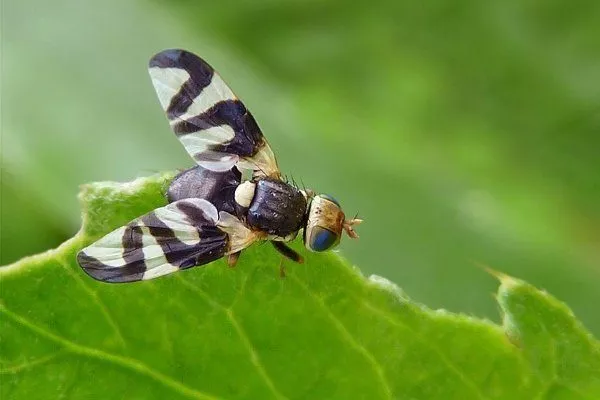
The celery fly is a wine-colored insect about half a centimeter long. They often migrate to celery beds from hogweed. The female lays eggs under the leaf skin, from which the larvae develop. They feed on the sap and pulp of the plant, making brown tunnels in the leaves.
Under the influence of the fly, celery loses its taste and the roots become unfit for consumption.
The crop dies due to lack of nutrients.
Control measures for the hogweed fly include crop rotation, weed control, and seed disinfection before planting. Planting onions near celery will repel the insects.
Bean aphid
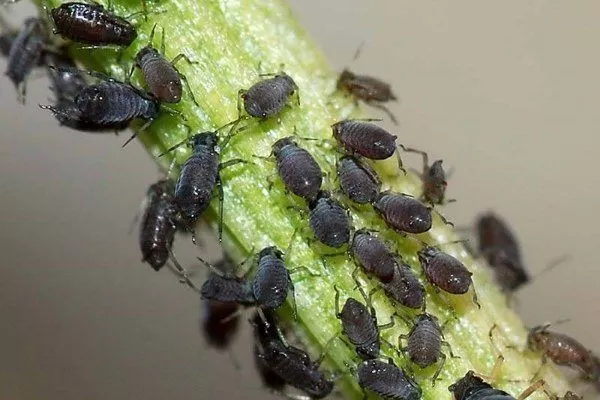
These small, dark insects live in colonies. It takes two weeks for individuals to mature before breeding. Therefore, aphids can destroy large areas of celery in a short time. Besides causing damage to themselves, these insects also transmit viral diseases.
To combat these pests, spray with an infusion of tomato and potato tops. A citrus peel infusion is also effective. To prepare it, take 5 parts peels and 10 parts water. Mix and leave in a cool place for 4-5 days. Spray the celery with the resulting solution.
If you plant nasturtium or thyme next to celery, this will repel aphids.
Preventative measures against aphids include digging up the beds in the fall and removing weeds.
Carrot psyllid
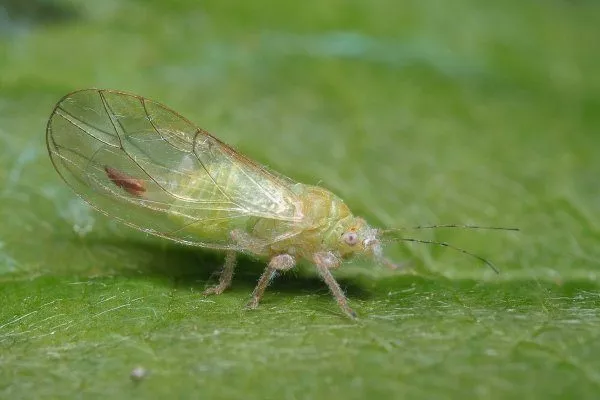
Small, jumping insects overwinter on conifers. When warm weather arrives, they fly to celery and feed on it, damaging the stems and leaves. The plant withers and becomes deformed.
To avoid attacks by this pest, ensure celery plantings are kept away from coniferous trees. Practice crop and crop rotation.
Control methods involve sprinkling the soil with a mixture of sand, tobacco, and mustard in a 1:1:1 ratio. This should be done every 10-14 days.
Carrot fly
The adult insect poses no threat to celery. However, by laying its eggs in the soil under the roots of the plant, the carrot fly poses a threat because the larvae, once hatched, feed on the plant's sap. This leads to nutrient deficiencies and the drying of the celery leaves.
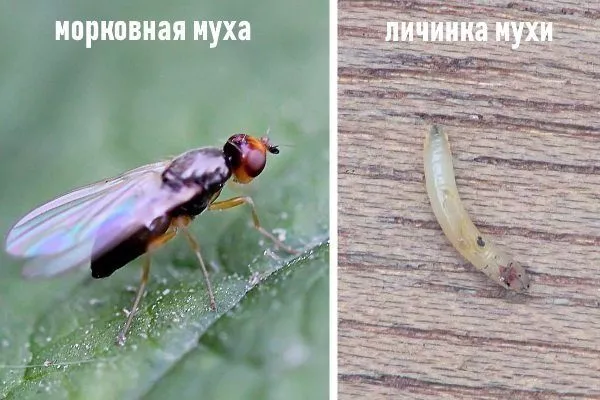
The insect produces offspring at the beginning of summer and at the end of autumn.
Control measures include frequent root loosening of the soil, weed control, and sprinkling the beds with a mixture of sand and tobacco ash in equal parts. You can also sprinkle the soil with tobacco ash and dry mustard mixed in equal parts. The application rate of the mixture is 1 tablespoon per square meter of the plot.
Prevention of carrot fly occurrence involves:
- deep plowing of the soil so that insects wintering in it come to the surface and die under the influence of cold;
- compliance with crop rotation of umbrella crops;
- weeding.
Celery is susceptible to many diseases and pests. By taking preventative measures and knowing how to manage these threats, gardeners can ensure a healthy and bountiful harvest.