
Celery "Bodrost" is one of the most interesting and versatile varieties in the gardening world. It belongs to both leafy and petiolate varieties, attracting gardeners with its high productivity, excellent taste, and adaptability to various climates. It's important to understand the key characteristics of this crop and take proper care of it.
Introduction to the variety
Suitable for all regions of the country where plant cultivation is possible, it is drought- and low-temperature-resistant and possesses numerous beneficial properties that make it a valuable element in the diet.
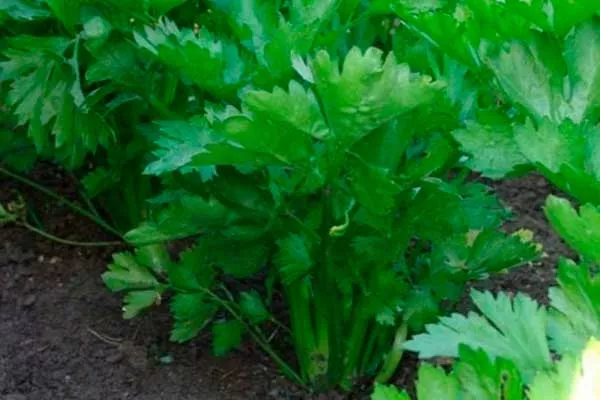
Features of celery:
- The leaves contain significant amounts of vitamin C, which helps strengthen the immune system and protect cells from oxidative stress. They also contain B vitamins, which are important for metabolism and the nervous system.
- Rich in minerals. Potassium helps maintain normal blood pressure, calcium is essential for bone health, and magnesium helps regulate nerve and muscle function.
- Contains antioxidants (flavonoids and polyphenols). They help protect the body from free radicals and reduce the risk of chronic diseases.
- Greens contain fiber, which improves digestion, maintains normal blood sugar levels, and helps manage weight.
Regular inclusion in your diet will help improve overall health and add variety to your menu thanks to its rich nutritional properties and unique taste.
Description of appearance
The rosette of leaves is tall and upright, with plants reaching an average height of 60-70 cm. The blades are long, with a medium-serrated edge, a rich green color, and a medium gloss.
Taste and application
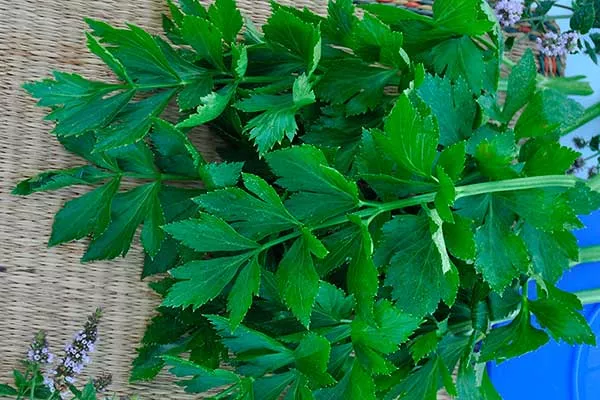
The plant has a pleasant aroma and excellent flavor. Its leaves are used both fresh and dried in home cooking and are often added to various dishes, including soups.
Ripening time and yield
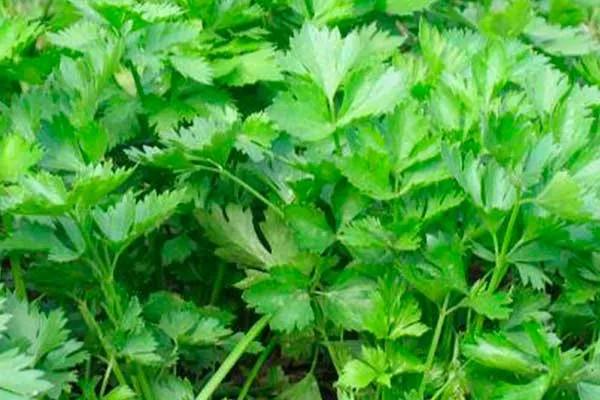
The period from germination to technical maturity averages 100-110 days. It is characterized by excellent productivity: 2.2-3.5 kg of fresh greens are harvested per square meter.
Landing
For successful cultivation, it's important to consider several key factors. Follow these recommendations:
- Choose sunny, well-lit areas. Plenty of sunlight is essential for optimal growth and development.
- The beds should be protected from strong winds and drafts, which helps maintain optimal levels of humidity and temperature.
- The best solution is a spot where legumes, root vegetables, or green crops were previously grown. Avoid planting after other celery crops, as this can lead to a buildup of diseases and pests in the soil.
- The soil should be fertile, loose, and well-drained. Loam or light black soil is ideal.
- Carry out autumn preparation: dig the soil to a depth of 20-25 cm and add organic fertilizers such as humus or compost.
- In spring, loosen the soil and apply complex mineral fertilizers to provide the necessary nutrients.
- ✓ Soil pH should be between 6.0-7.0 for optimal nutrient absorption.
- ✓ The organic matter content in the soil should be at least 4% to ensure the necessary nutrition.
Landing algorithm:
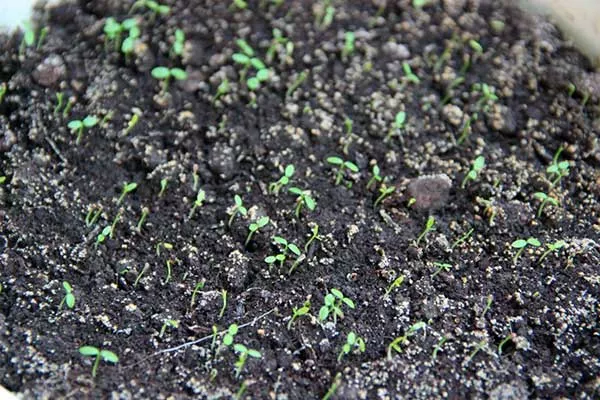
- Prepare seedlings or seeds (pre-soak them in warm water to speed up germination).
- Place them into prepared furrows to a depth of 1-2 cm. The distance between rows should be 30-40 cm, and between plants in a row – 15-20 cm.
- Carefully fill in the soil and compact it lightly. Water the areas with warm, settled water.

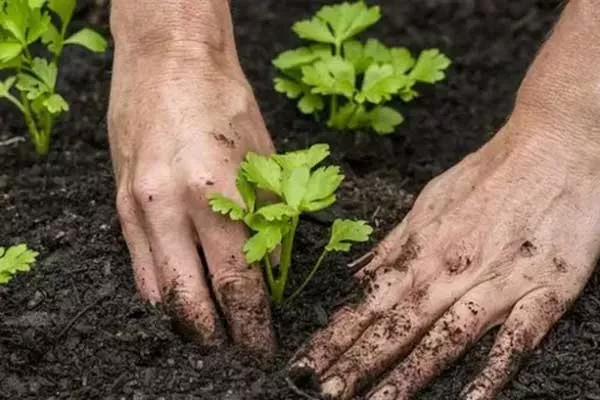
When using seedlings, plant them in prepared holes, spacing them 15-20 cm apart. The depth should match the root collar.
Care instructions
Regularly loosen the soil to prevent crusting and improve air flow to the roots. This promotes healthy root growth. Eliminate weeds, which compete with celery for nutrients and moisture. Timely weeding reduces the risk of diseases and pests.
Perform other agricultural practices:
- Garter and shaping. If necessary, use supporting structures such as stakes or trellises to prevent the green mass from falling and being damaged.
Remove damaged or diseased leaves and stems.
Shape plants by trimming excess lateral shoots, which promotes better ventilation and uniform lighting. - Mulching. Essential for moisture retention, improved soil structure, and weed suppression, mulch helps maintain a stable soil temperature, which is especially important during periods of extreme heat or cold.
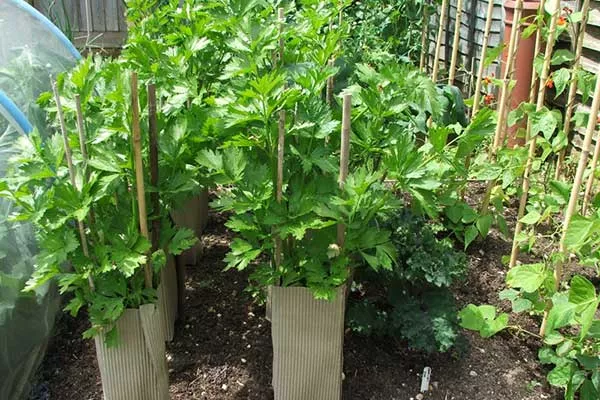
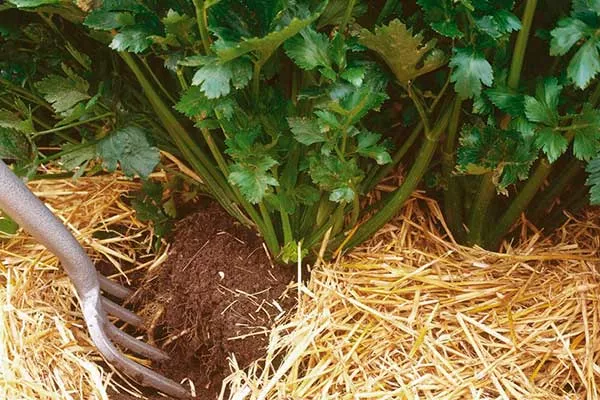
During the active growth phase, provide the greens with sufficient space for root development and air circulation. While the greens are forming, ensure that the sprouts are not deficient in nutrients and are not crowded.
The intricacies of watering and fertilizing
The Bodrost variety requires sufficient water. Under normal weather conditions, watering once a week at a rate of 20 liters per square meter is sufficient. In hot weather, adjust watering based on soil conditions, avoiding overdrying and cracking.
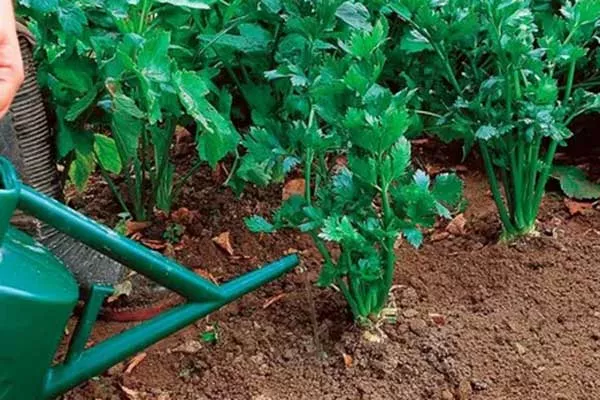
The crop especially needs nitrogen fertilizer. Fertilize the seedlings 14 days after planting, then again a month later. Prepare a special solution: dissolve 40 g of superphosphate, 20 g of potassium salt, and 15 g of ammonium nitrate in 10 liters of water.
Disease incidence, pest hazard
Celery "Bodrost" is susceptible to various diseases and pest attacks, requiring careful monitoring and timely protection. Common problems include:
- Black rot. It causes dark spots on leaves and petioles that quickly spread, leading to rot. For prevention and treatment, use fungicides such as copper sulfate or Bordeaux mixture. Follow sanitary regulations and remove affected plants.
- Powdery mildew. Characterized by the formation of a white, powdery coating on the upper surface of leaves. Sulfur-based fungicides or products containing trichoderma are effective. Maintain optimal watering and ventilation.
- Fusarium wilt. It manifests itself as yellowing and wilting of foliage, which becomes soft and brittle. Fungicides and preventative measures, such as crop rotation and protecting roots from overwatering, can help.
- Aphid. Small insects suck out the sap, causing deformities and reduced yields. Use insecticides or garlic and onion infusions.
- Cruciferous flea beetle. The pest damages leaves, leaving tiny holes and causing them to deform. The best solution is insecticides and protective traps.
- Mole cricket. It damages the root system, causing wilting and stunted growth. As a preventative measure, regularly loosen the soil and treat the foliage with insecticides.
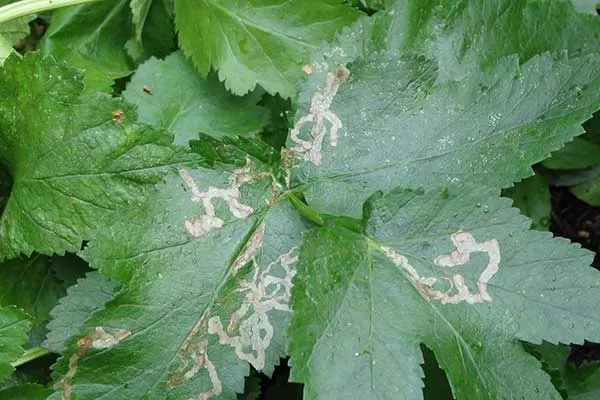
Inspect plants, treat them to prevent diseases and repel pests, and follow agronomic recommendations.
Positive and negative qualities
Growing this crop is a simple task that even a novice gardener can handle. However, it's important to carefully consider its advantages and disadvantages. The Bodrost variety has many advantages:
Among the disadvantages, summer residents note only increased requirements for soil nutrition.
Reviews
Celery Bodrost is an excellent choice for those looking for a reliable, high-yielding variety with excellent flavor. It exhibits excellent qualities and produces juicy, flavorful greens, but requires proper and regular care. Even those just beginning their vegetable gardening journey can successfully cultivate it.