
Zador lettuce is a variety that has quickly gained popularity and become a favorite among gardeners across our country. It's easy to grow, has a pleasant flavor, and excellent taste. Its juicy and crisp leaves are a healthy addition to the daily diet. It's important to provide the plant with proper care and follow the recommendations.
Description of the plant and origin
The greens are rich in healing properties and contain vitamins B, A, PP, and C, as well as trace elements such as molybdenum, iodine, manganese, copper, boron, and iron. In many regions, they are successfully cultivated year-round: outdoors in spring, summer, and fall, and indoors in winter.
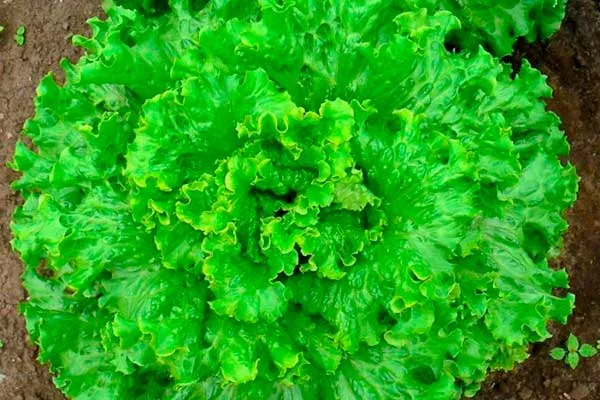
This leafy variety was developed in 2012 by a team of breeders: N. N. Klimenko, S. V. Maksimov, A. N. Khovrin, and O. A. Elizarov. It was specifically bred for use in salads.
- ✓ Resistance to bolting under optimal growing conditions.
- ✓ Ability to quickly recover after harvesting.
Features of appearance and taste
The plants have large, fan-shaped leaves with a delicate green texture. They are medium-sized, with a diameter of 38 to 42 cm and a height of approximately 28 to 32 cm. The weight of a single head of cabbage ranges from 350 to 370 g.
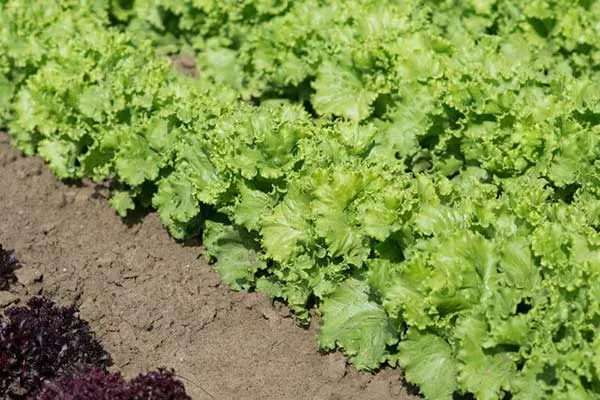
The leaves have a pleasant taste, without bitterness, with a wavy edge and a slight bubbly surface.
Characteristics of the culture
This mid-season variety matures in 42-47 days, yielding approximately 4.1 kg per square meter. It is cold-hardy and prefers temperatures between 16 and 18°C for optimal growth.
Under high temperatures and in dry climates, the plant may flower quickly, which reduces its yield.
Growing in open ground from seeds
The crop grows best in areas previously used for potato or cabbage cultivation, especially if the soil is enriched with organic fertilizers. Although this variety is undemanding regarding soil type, it does not tolerate alkaline and clay soils.
- ✓ The optimal soil pH should be in the range of 6.0-7.0 to ensure nutrient availability.
- ✓ The soil must have good drainage to avoid water stagnation and root rot.
Helpful tips:
- High content of humus and minerals promotes better seed germination.
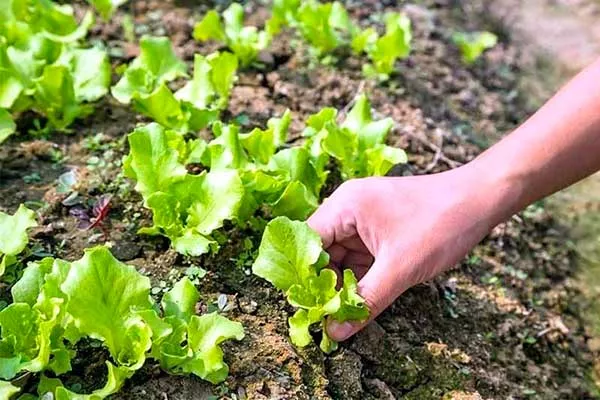
- Sowing should be done early, in late April or early May. Sow in rows, spacing rows 20 cm apart and seeds 1.5 cm apart. Seedlings emerge at temperatures as low as 2°C, and active growth occurs at 20 to 22°C.
Lettuce is a long-daylight plant, so it's important to provide it with sufficient light and moisture. Insufficient moisture can cause the leaves to become rough and the plant's flavor to deteriorate.
Growing from seedlings
This method promotes an earlier harvest. To achieve this, sow the seeds approximately 3-4 weeks before you plan to transplant them outdoors. The optimal time for this is late March or early April.
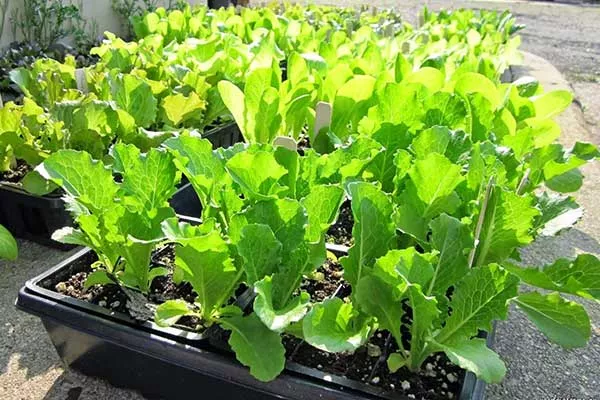
The main stages of growing seedlings:
- The soil mixture should be light and nutritious. Use prepared soil or mix garden soil with peat and humus. Treat the soil with a weak solution of potassium permanganate to prevent diseases.
- Spread the seeds over the surface, lightly covering them with a thin layer of soil (about 0.5 cm). Cover the containers with plastic wrap or glass to create greenhouse conditions.
- Bring the containers indoors and store at 18–20°C until seedlings emerge (usually 5–7 days). Afterward, reduce the temperature to 16–18°C to prevent the seedlings from stretching.
- Lettuce is a sun-loving plant, and seedlings require additional lighting, especially in the early spring months. Daylight hours should be approximately 12-14 hours.
- Provide moderate watering—the soil should be moist but not waterlogged. Use settled, room-temperature water.
- When the seedlings have 4-5 true leaves and the danger of frost has passed, transplant them outdoors in late April or early May. Space the plants in beds 20-25 cm apart between rows and about 15 cm between plants to ensure adequate light and airflow.
Lettuce grown from seedlings allows you to enjoy fresh, vitamin-rich greens earlier and is suitable for a variety of climates, including regions with cool springs.
Further care
To achieve generous and consistent harvests, it's important to give your plants some attention and care. Follow standard gardening practices.
Watering
Watering should be generous, as insufficient soil moisture will cause bolting to occur earlier. Spray the lettuce with settled water approximately every 1-2 days. If the lettuce container is located on a south-facing surface, watering may be necessary more frequently, but less frequently in winter.
Avoid overwatering, as this can cause root rot and lower leaves. If you're growing lettuce on a windowsill, humidify the air and mist the leaves periodically with a spray bottle.
Top dressing
Fertilize every 1.5 to 2 weeks using a fertilizer formulated for indoor plants. Since this is a fast-growing plant, it thrives in fertile soil without additional fertilizer. Be careful not to overdo it with nitrogen fertilizers, as lettuce can accumulate nitrates.
The use of substances based on potassium iodide helps to increase the iodine content in the leaves.
Loosening
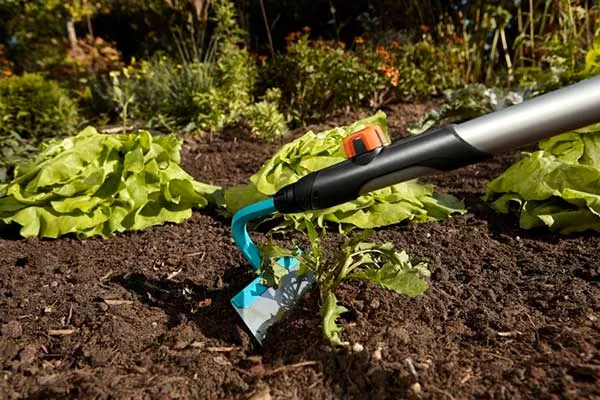
Lettuce has a delicate, shallow root system, so loosening the soil under the seedlings is not recommended to avoid damaging the roots.
Harvesting
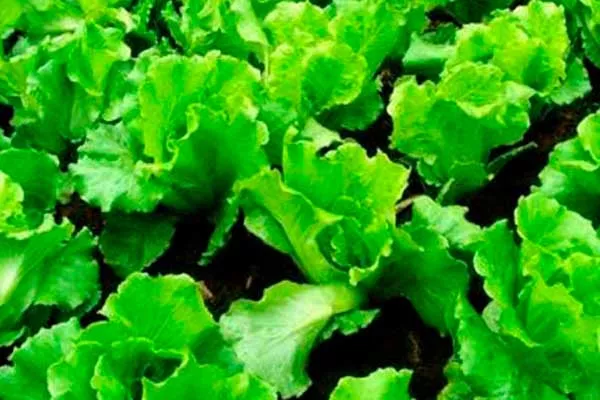
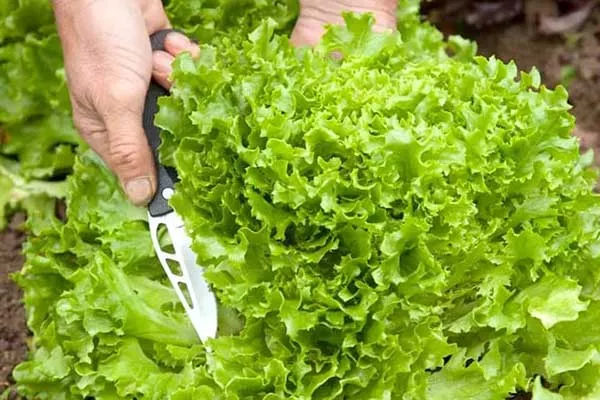
The plants grow quickly, so you'll be able to enjoy the greens in just a few weeks. Pluck off leaves as needed or pull out the plants by the roots. After 20-35 days, the lettuce will begin to sprout, after which remove them and sow new seeds. Repeat this process every 10 days.
Diseases and pests
The Zador lettuce plant has a strong immune system, but if not properly cared for, it can suffer from various problems. It's important to begin treatment promptly:
| Disease/Pest | Description | Methods of protection |
| Gray mold | Caused by the fungus Botrytis, it attacks the entire plant, causing brown spots to appear. It develops in high humidity and cloudy weather. | Practice crop rotation, remove affected leaves, and keep the area clean. |
| White rot | It attacks leaves and stems, forming water-soaked spots covered with a white coating. It affects plants growing close to the ground. | Rotate crops, remove damaged plants, and practice deep plowing. Avoid growing crops in heavy, acidic soils. |
| Downy mildew (peronosporosis) | Yellow spots appear on the upper side of the leaf, and a white coating appears on the underside. The spots turn brown, and the leaves dry out. This disease develops in conditions of high humidity. | Use healthy seeds and treat them with a seed dressing. Don't plant too densely, and follow the planting pattern. |
| Marginal burn | Rot affects the entire plant, and it dies. It develops due to excess nutrients in the soil. | Apply fertilizer correctly, especially nitrogen, and water regularly. Remove diseased plants and debris. |
| Powdery mildew | Affects bushes, where a white, powdery coating appears. Plant growth is stunted. Seed plants are particularly susceptible. | Remove infested areas and plant debris. |
| Salad fly | The 7-8 mm long insect damages the seed pods by laying eggs on the inflorescences. The larvae destroy the seeds. | Use Fosfamide when larvae appear. Destroy damaged inflorescences. |
| Salad stem aphid | These pests are grayish-green or dark gray in color. They suck the sap from flowers, stems, and leaves, causing them to discolor and curl. | Spray the plantings with infusions of onion peel, dandelion or potato tops. |
| White-striped filly | The locust insect, 13-21 mm long, damages leaves and stems, leaving large holes. | Remove perennial weeds and treat the area with a solution of Karbofos. |
| Naked slugs | They attack leaves, making holes in them. They are especially active in the evening and at night. | Place beer cans, collect and destroy slugs. |
Reviews
Zador lettuce is an excellent choice for those who value not only flavor but also disease resistance and ease of care. It's ideal for growing both outdoors and in greenhouses, delighting with a bountiful harvest. Both novice and experienced gardeners can easily cultivate it.