
Great Lakes lettuce is an excellent choice for both beginner and experienced gardeners. Its low-maintenance nature and tolerance to storage conditions make this variety easy to grow. After trying it once, many include it in their annual planting list. With proper agronomic practices, productivity can be significantly improved.
Introduction to the variety
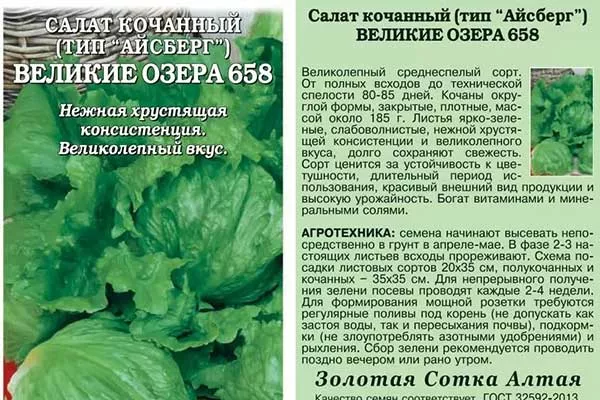
The plant ripens in approximately 75-90 days after sowing. Yields can reach 3-5 kg per square meter with proper care.
This variety has a rich composition and many beneficial properties, making it an excellent addition to a healthy diet:
- Due to its low calorie content, the leaves are suitable for dietary nutrition and weight control.
- Vitamins A and C help protect the body from free radicals, slowing down the cellular aging process.
- High content of vitamin K and calcium helps strengthen bone tissue, reducing the risk of osteoporosis.
- Potassium and magnesium support normal heart function by helping regulate blood pressure.
- Vitamin C and antioxidants help the body fight infections by improving immune defenses.
- Dietary fiber helps normalize the functioning of the gastrointestinal tract, improving food absorption and preventing constipation.
- Phosphorus supports healthy teeth and bones.
Great Lakes salad is a healthy product that is suitable for daily consumption, supporting health and overall well-being.
Description of appearance and taste
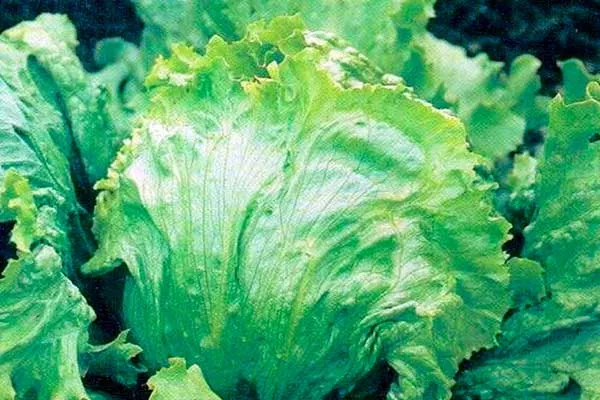
The plant has large, rounded green leaves with slightly wavy edges and a slightly bubbly surface. The heads are spherical with a tightly closed base. This makes the variety suitable for long-distance transport and long-term storage. The leaves are prized for their crisp texture.
Planting and growing
Choose a sunny, well-ventilated area protected from stagnant moisture. The crop grows best in light, fertile soils with a neutral or slightly acidic pH. To improve fertility, prepare the beds in advance by fertilizing them with organic matter in the fall.
- ✓ The optimal soil temperature for sowing should not be below +10°C to avoid delayed germination.
- ✓ To prevent fungal diseases, ensure good air circulation around the plants, avoiding dense plantings.
Follow these important guidelines:
- Pre-soak the seeds in warm water for 12 hours for better germination.
- Dig over the area, remove weeds, and add organic fertilizer such as humus or compost. Level the soil and lightly moisten it before sowing.
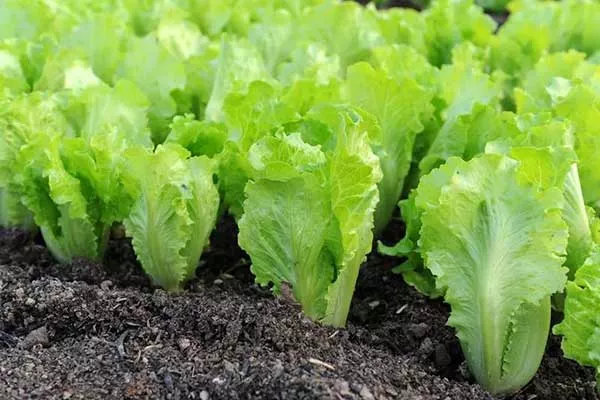
- Plant the seeds 1-1.5 cm deep in furrows spaced 30-40 cm apart. Sow when the soil temperature reaches 10-12°C. Cover with a layer of loose soil and compact lightly. The first shoots will appear in 7-10 days. Thin them out to 25-30 cm apart.
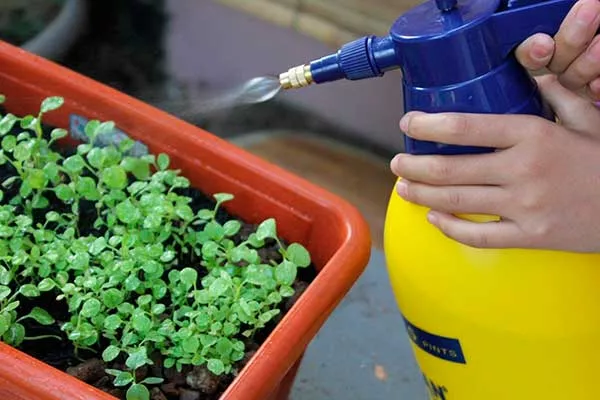
Take care of your plants to ensure a bountiful harvest. Follow these simple care steps:
- Watering. Regular and proper watering is the key to juicy, crisp leaves. Water moderately, being careful not to overwater the soil. Maintaining moisture is especially important during dry periods, applying warm water at the roots and avoiding dripping onto the surface. Water in the morning or evening.
- Top dressing. Two to three weeks after germination, apply organic fertilizer—an infusion of mullein or bird droppings. Subsequently, feed the cabbage heads every two to three weeks using complex mineral fertilizers or an infusion of wood ash.
- Weeding and loosening. Loosening the soil improves root aeration and helps prevent crusting. After each watering, loosen the soil and remove weeds to prevent them from choking out lettuce growth. Timely weeding helps prevent competition for nutrients and moisture.
To protect crops from pests and diseases, follow these steps:
- Ventilate greenhouses regularly to prevent fungal diseases.
- Use fungicides at the first sign of diseases such as powdery mildew or fusarium.
- Remove affected plants to prevent the spread of infection.
- To control aphids and caterpillars, use insecticides or biological products.
- Treat the plantings with folk remedies, for example, infusions of garlic or tobacco.
- Mulch the soil to prevent slugs.
Following these simple rules will allow you to obtain a rich and high-quality harvest that will delight you with its taste and freshness.
Reviews
Great Lakes is one of the most popular varieties of iceberg lettuce, recognized by gardeners for its high productivity, low maintenance, and excellent flavor. It is especially prized for its good shelf life and the ability to be transported without losing its appearance or flavor. Minimal care is essential for bountiful harvests.