
Typhoon lettuce is a popular leafy green variety that appeals to gardeners for its low maintenance and high yield. Its crisp, juicy leaves and delicate flavor make it popular both fresh and in various salads. It matures quickly and has a strong immune system, but requires proper care.
Introduction to the variety
Bred in 2004 by Zosim Sergeyevich Vinogradov and Alexander Anatolyevich Kushch. It is a mid-season variety – harvested 50-60 days after germination.
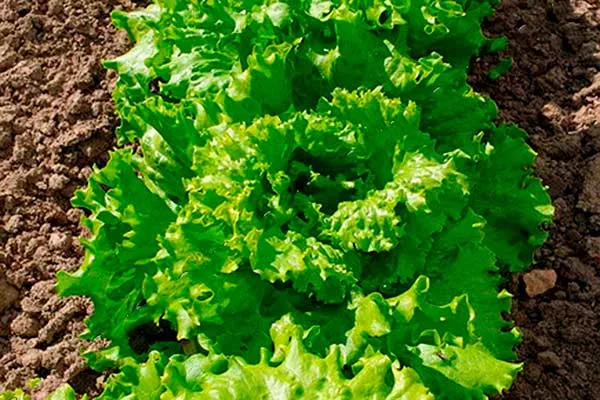
Description of appearance and taste
The bush reaches a height of about 20 cm, with a diameter of up to 27 cm. The weight of one plant is approximately 220 g.
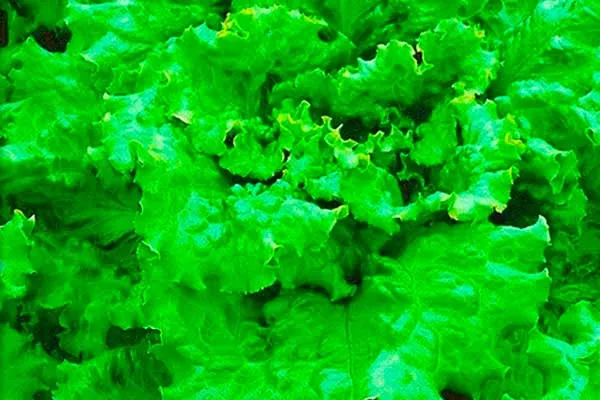
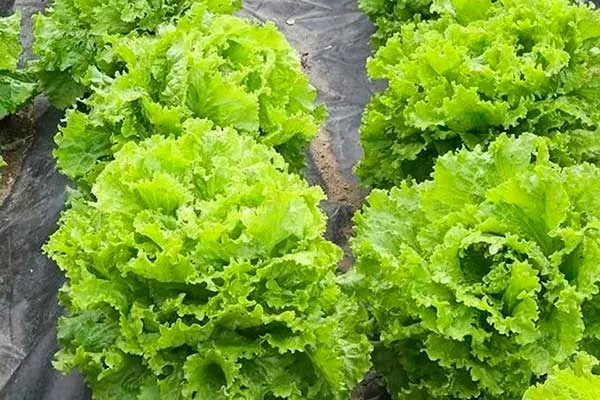
The rosette is semi-erect, composed of large, obliquely triangular leaves. They have wavy edges and a slightly bubbly texture, and are dark green in color. The flavor is delicate and pleasant, without bitterness.
Usage
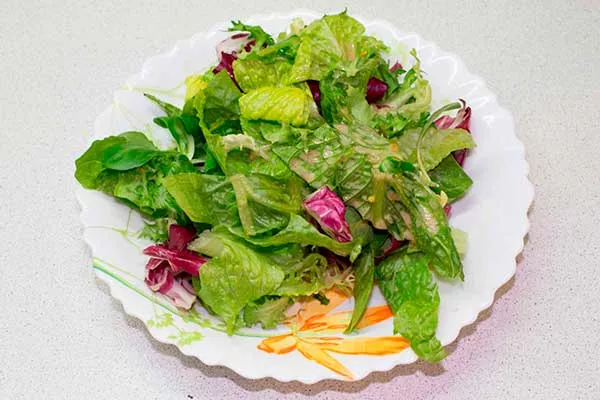
Typhoon is ideal for fresh salads. It pairs well with a variety of ingredients, creating light and nutritious dishes. The leaves are often added to sandwiches, burgers, wraps, and as a garnish for meat or fish dishes. They are used to garnish dishes and as a base for appetizers.
Planting lettuce
The crop is easy to grow both outdoors and in a greenhouse. With proper cultivation, a high yield and high-quality product are guaranteed.
Planting date
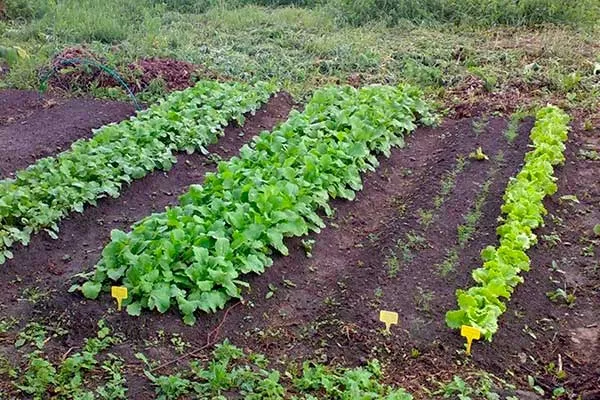
It's a cold-hardy crop that grows best in moderate temperatures. Depending on the region, begin sowing in late April or early May, when the soil warms to 5–8°C.
In greenhouse conditions, sow seeds as early as March. For a continuous harvest, repeat the process every 2-3 weeks until autumn.
Landing site
The plant prefers sunny locations, although it can also grow in partial shade. It's best planted in beds that receive at least half-day sun.
The leaves are sensitive to extreme heat, so provide shade during particularly sunny periods or grow it in areas with partial shade.
Required soil
The soil should be loose, well-drained, and sufficiently moist. Typhoon prefers slightly acidic or neutral soils (pH 6-7).
If the soil is too heavy or compact, first dig it up and improve it by adding organic fertilizers.
- ✓ Optimum soil temperature for sowing: +5…+8°C.
- ✓ Distance between plants: 15-20 cm, between rows: 20-25 cm.
Soil composition and planting hole size
Add 5-6 kg of humus or compost per square meter of bed. Make the seeding holes shallow, about 1-2 cm, as lettuce seeds are small and don't require deep planting. Leave about 20-25 cm between rows and 15-20 cm between plants.
Preparing and sowing seeds
Before planting, treat the seedlings with a weak solution of potassium permanganate or a growth stimulant to improve germination. Step-by-step instructions:
- Sow the seeds in furrows to a depth of about 1 cm.
- Cover with a thin layer of soil.
- Moisten gently.
When growing from seedlings, first place the seeds in separate containers, and then, after several leaves appear, transfer them to open ground.
Agrotechnical subtleties
Caring for the crop is simple, but it requires regular attention to ensure a high-quality harvest. The bushes grow quickly and are sensitive to environmental conditions, so it's important to provide them with the right conditions at every stage of development.
Follow standard agricultural practices:
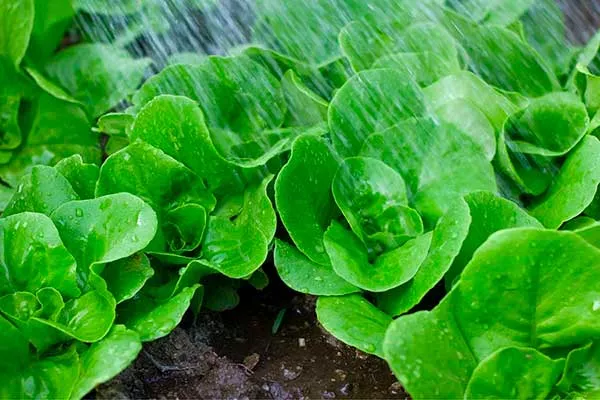
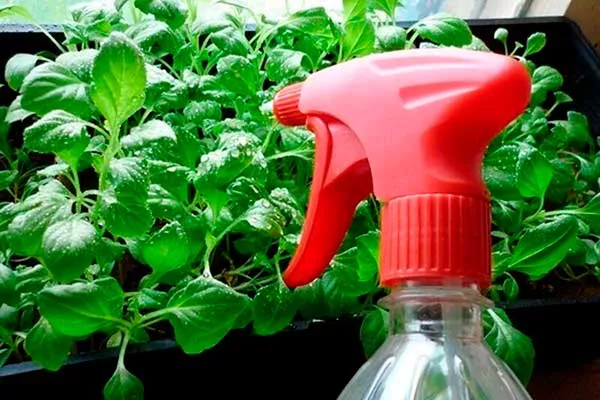
- Watering. Provide ample and regular watering, especially during active growth. Insufficient moisture can cause toughness and a loss of flavor. Apply water to the roots in the morning or evening, avoiding contact with the surface, to prevent disease.

- Top dressing. To ensure vigorous growth and lush leaves, lettuce requires nutrients. Two weeks after planting, apply organic fertilizer, such as mullein or chicken manure infusion.
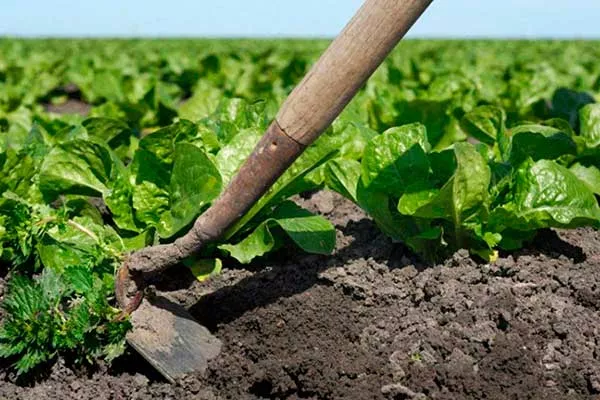
Use complex mineral fertilizers containing nitrogen, phosphorus, and potassium. Nitrogen promotes foliar growth, phosphorus strengthens the root system, and potassium improves overall plant health. Avoid overfeeding to avoid nitrate buildup. - Weeding and loosening. Regularly remove weeds, which can rob the plant of nutrients and moisture. Loosen the soil after watering to improve airflow to the roots and prevent a hard crust from forming on the surface. Do this carefully to avoid damaging the roots.
To obtain large, succulent leaves, thin the seedlings, leaving sufficient space (10-20 cm) between plants. This will improve air circulation and ensure access to light and nutrients. Use the thinned plants while they are young and tender.
Diseases and pests of lettuce
The crop has a strong immune system, but if improperly cared for, it can be susceptible to insect attacks and diseases, which can significantly reduce yields and degrade leaf quality. To maintain health, it's important to promptly identify problems and take control measures:
| Disease/Pest | Signs | Reasons | Treatment |
| Downy mildew (peronosporosis) | Yellow spots that later turn brown. A grayish-white coating forms on the underside. | Over-watering, insufficient ventilation, sudden temperature fluctuations. | Treatment with fungicides Ridomil Gold or Profit Gold. |
| Gray mold | Wet brown spots appear, which become covered with a grey fluffy coating. | High humidity and dense plantings. | Removing infected parts, spraying with fungicides Fundazol or Topsin-M. |
| White rot | Wet spots with a white coating appear at the base of the stem, and the plants quickly wither. | Over-watering of the soil, high temperatures. | Getting rid of affected plants, treating with fungicides Hom, Ordan. |
| Fusarium | Yellowing and wilting leading to complete death. | Infection entering through the root system. | Disinfection of the soil before planting, treatment with fungicides Previkur, Topsin. |
| Aphid | Leaf curling. Small green or black insects are visible on the surface. | It feeds on the sap of bushes, weakening them. | Use garlic infusion, tobacco dust, or soap solution. For severe infestations, insecticides such as Aktara and Inta-Vir are effective. |
| Slugs | Perforated areas and slimy marks on the surface. | A damp and shady environment encourages the spread of pests. | Setting up traps (for example, beer traps) around the beds, using granules against slugs (Groza). |
| Mealybug | White flaky coating, growth retardation. | It feeds on plant sap, which causes them to weaken. | Manual collection, treatment with soap solution or insecticides. |
| Method | Efficiency | Period of application |
|---|---|---|
| Garlic infusion | High against aphids | At the first signs of damage |
| Tobacco dust | Average against aphids and mealybugs | Before planting and when pests appear |
| Soap solution | Low against slugs | When pests appear |
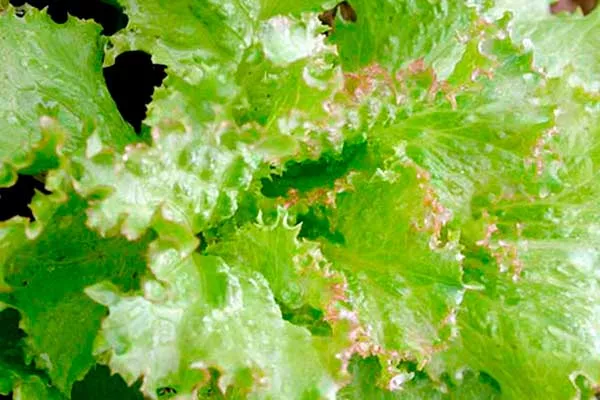
Perform preventative procedures:
- Do not plant the crop in the same place for several years in a row.
- Remove weeds and plant debris that may serve as a source of infection.
- Maintain the correct humidity level and regularly ventilate the greenhouse or shelter.
- Use biological methods of protection – infusions of garlic and onion peels.
- Grow repellent plants (mint, garlic) nearby.
Following these guidelines will help minimize the risk of disease and pest attacks, ensuring healthy lettuce growth and a consistent harvest.
Reviews
Typhoon lettuce is an excellent choice for those who want a reliable and tasty harvest without the hassle. It easily fits into any menu, adding freshness and crunch to dishes. Thanks to its resistance to adverse conditions and diseases, this variety is becoming increasingly popular among gardeners and farmers. With proper care, productivity can be increased.