
Santoro lettuce is one of the most popular and sought-after varieties. Its pleasant flavor and delicate texture make it ideal for culinary experiments. It is disease-resistant and requires minimal effort to grow. Proper care is essential to ensure bountiful harvests.
Description of the plant
Bred by Rijk Zwaan in the Netherlands in 2010, this butterhead cabbage variety is suitable for both fresh consumption and processing. It has a medium ripening period and is highly productive, yielding approximately 5.2 kg per square meter.
Features of appearance and taste
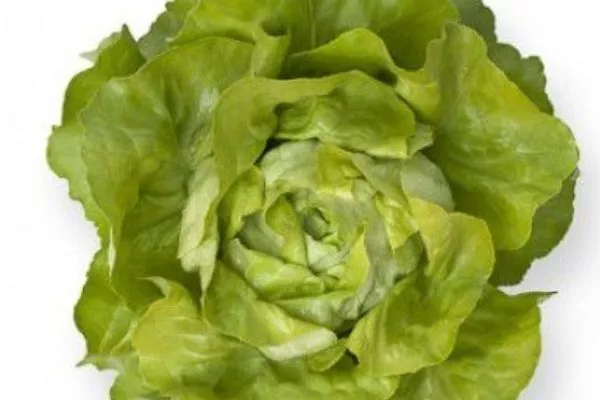
The plant reaches a height of approximately 15 cm and a diameter of up to 32 cm. The weight of a single head ranges from 400 to 600 g. The rosette is semi-erect, with medium-sized, rounded leaves. They are light green in color, and the margins are slightly wavy with fine notches. The surface is slightly bubbly.
- ✓ The leaves have a slightly wavy edge with small cuts.
- ✓ The surface of the leaves is slightly bubbly.
The head is large and wide, with a closed structure and medium density. The flavor is delicate. The leaves are widely used in cooking:
- salads;
- rolls;
- sandwiches;
- side dishes;
- burrito;
- cocktails;
- snacks.
Santoro lettuce leaves are ideal for a variety of culinary experiments and can enhance the flavor and texture of a variety of dishes.
Agricultural technology for cultivation and care
Choose a sunny location for the plant, although it thrives in light partial shade. Ideally, it should receive 4-6 hours of sunlight per day. The location should be protected from strong winds to prevent damage to the delicate leaves.
- ✓ The pH level should be strictly within 6-6.8 to prevent chlorosis.
- ✓ The soil must contain at least 4% organic matter to provide nutrients.
Ideally, light, organically rich, and well-drained soils are preferred. Sandy loam and loamy soils are suitable. The optimal pH is 6-6.8. Check the acidity and, if necessary, add lime or ammonium sulfate to adjust.
Sow seeds outdoors in early spring, when the soil temperature reaches 5-10°C. For a fall harvest, plan for late summer. Distribute seeds among seedlings 4-6 weeks before planting.
Step-by-step algorithm:
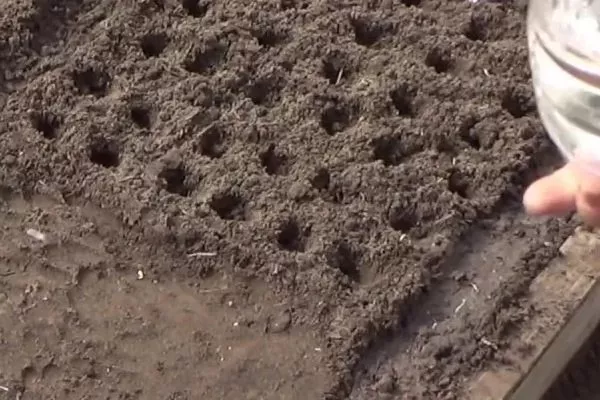
- Dig over the area and remove weeds.
- Add organic fertilizer (compost or humus) and mix thoroughly into the top layer of soil.
- Make furrows at a distance of 20-30 cm from each other.
- Sow the seeds to a depth of 1-2 cm and cover them with soil.
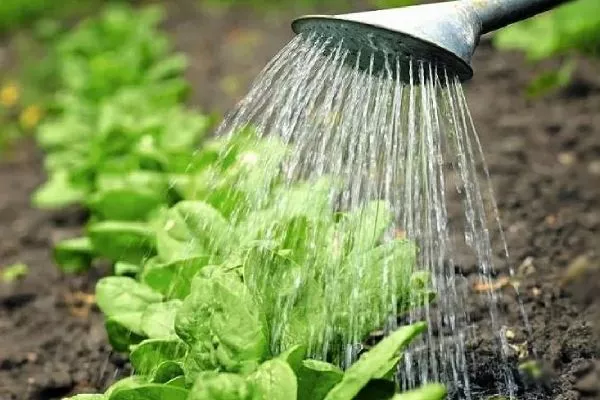
- Water the beds with warm water.
Caring for your crop is the key to bountiful harvests. Follow these basic care procedures:
- Keep the soil moist by watering regularly, especially in hot weather.
- Remove weeds to avoid competition for nutrients.
- If the plantings are too dense, thin them out, leaving a gap of 15-20 cm between seedlings.
- Two to three weeks after sowing, apply the first fertilizer with complex mineral or organic fertilizers (such as herbal infusions). Repeat every three to four weeks, depending on the condition of the cabbage heads.
- After watering, loosen the top layer of soil to improve aeration and prevent crust formation.
- Regularly inspect plants for signs of disease or pests (e.g., aphids, slugs, powdery mildew). Use infusions of garlic, pepper, or soap. Plant companion plants (e.g., calendula) that repel pests.
- If damaged or yellowed leaves appear on the heads of cabbage, remove them to improve the light access to healthy areas.
Reviews
Santoro lettuce is an excellent solution for those looking for a quick and easy harvest. Its strong immunity, low maintenance, and numerous positive characteristics make it ideal for large-scale cultivation. Thanks to its excellent taste and versatility, abundant yields are guaranteed, provided it receives proper care.