
Growing Odessa Kucheryavets lettuce not only brings the joy of harvesting fresh, tasty leaves straight from your own garden, but also a health benefit. Rich in vitamins and microelements, this lettuce variety is a true treasure for those striving for a healthy lifestyle. The key is to provide it with proper care.
Description of the variety
Odessa lettuce is a mid-early semi-headed variety. It is characterized by a lack of characteristic bitterness, rapid growth, and disease resistance. This variety is distinguished by its ability to be sown year-round and its excellent frost resistance.
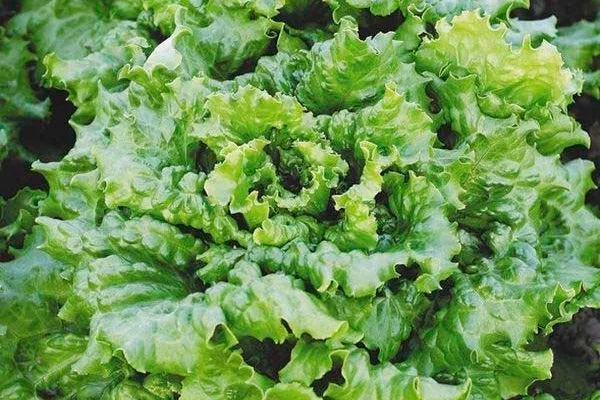
The harvest retains its quality over a long period of storage. This variety's visually appealing rosette of leaves makes it not only a tasty treat but also a beautiful decorative element for the garden.
Characteristics of leaves
The green leaves of the Odessa curly-leafed kale have a juicy and slightly crunchy flavor. During the growing season, starting from the seed, a rosette of light-green leaves forms, reaching a diameter of 35 cm. Each kale weighs between 180 and 210 g.
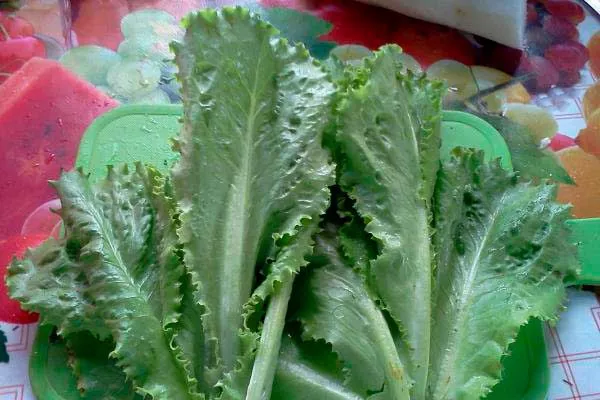
Useful properties of lettuce
Among the many varieties of lettuce, Odessa Kucheryavets stands out due to its high mineral content. This lettuce is a true treasure trove of nutrients, especially rich in iron, making it a recommended product for combating anemia.
Other characteristics of the variety:
- Lettuce leaves contain important "building materials" for cells, such as calcium, magnesium, phosphorus and sulfur.
Microelements (zinc, manganese, cobalt, and copper) have antioxidant properties, promoting skin rejuvenation and combating free radicals in the body. Potassium plays an important role in maintaining salt balance. - Lettuce leaves are rich in soft dietary fiber, which stimulates the activity of all parts of the intestine.
- Vitamins A, C, PP and folic acid, which are not present in sufficient quantities in the body, can be replenished with the help of this variety of lettuce.
Advantages and disadvantages
Before you start growing this variety of lettuce in your garden, familiarize yourself with its positive and negative aspects.
Another negative point is the need for regular watering: although lettuce is moderately drought-tolerant, regular watering is required to ensure optimal growth.
Application
Salads are the most common way to use lettuce. The juicy, fresh leaves are ideal for creating a variety of salads with vegetables, cheese, mushrooms, nuts, and sauces.
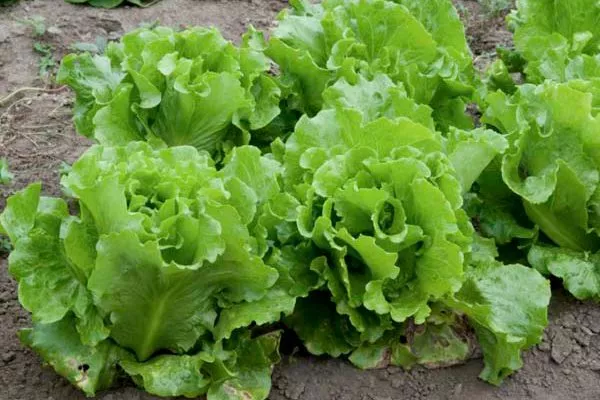
Where and why are lettuce leaves used:
- Sandwiches and burgers. Lettuce leaves are a great addition to sandwiches and burgers, adding texture and freshness. They can also be used as a bread substitute, making meals lighter and lower in calories.
- Side dish for dishes. Salads make a great side dish to main dishes, adding not only flavor but also nutrition. They can be fried, baked, or served in a wide variety of prepared dishes.
- Green smoothies. Lettuce leaves pair beautifully with fruits and berries in green smoothies. They're a great way to boost your vitamin and mineral intake.
- Side dish for fish and meat. Salads can be a great complement to fish or meat dishes. The light and refreshing greens will enhance the flavor of the main dish.
- Vegan and vegetarian dishes. Salads often form the basis of vegetarian and vegan dishes, providing the body with nutrients and variety in the diet.
- Soups and hot dishes. Salads can be added to soups or side dishes to add freshness and extra flavor.
- Decorative ornament. Lettuce leaves are often used as a decorative element when serving dishes. They give dishes an appetizing and attractive appearance.
The versatility and nutritional value of salad make it an essential part of a varied and healthy diet.
Features of cultivation
Growing Odessa Curly Lettuce is a process that requires attention and care. With proper care, it generously rewards with its magnificent flavor and nutritional properties.
Growing methods
There are various ways to grow this wonderful vegetable: planting in a greenhouse, sowing in open ground, or growing on a balcony or windowsill. Each method has its own advantages.
For example, growing herbs indoors allows you to enjoy fresh greens year-round. Using a greenhouse allows you to harvest earlier, and growing them outdoors is feasible even for those just starting out in gardening.
Planting dates for crops
Odessa Curly Lettuce can withstand light frosts, so it's recommended to sow it immediately after the soil warms up slightly. This process can begin as early as mid-April.
- ✓ Optimum temperature for seed germination: +15°C to +20°C.
- ✓ The seed sowing depth should not exceed 1-2 cm to ensure uniform germination.
To ensure a constant supply of healthy greens, plant at two-week intervals. For an early harvest, plant lettuce in a greenhouse starting March 1st. Its high cold tolerance allows for winter sowing, starting in early November.
To prevent seedlings from sprouting, thoroughly mulch the soil with peat. In the spring, when the weather warms up, the seeds germinate, ensuring an early harvest. You can grow lettuce indoors at any time of year.
Preparing the garden bed
When grown outdoors, Odessa curly-leaf lily prefers indirect sunlight. If exposed to direct sunlight, the plant inevitably begins to form a flower stalk. After this, the leaves become inedible due to their excessive bitterness.
Excessively shaded areas can promote nitrate accumulation in green foliage. When planting lettuce, enrich the soil with organic matter. It's recommended to apply fertilizer in the fall at a rate of 10 kg per square meter. The substrate should be porous and have a neutral pH. Loosen the soil thoroughly.
Open ground sowing technology
To disinfect lettuce seeds and ensure a healthy harvest, soak them in a weak solution of potassium permanganate for 15 minutes. After soaking, rinse thoroughly and dry lightly.
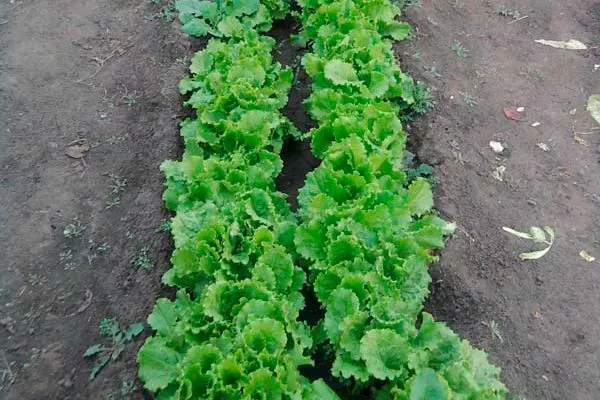
In the prepared area, make furrows at 20 cm intervals, planting the seeds 1-2 cm deep. You can sow in a continuous row, which will require subsequent thinning, or at 15-20 cm intervals for more favorable rosette development.
Care
Basic care includes weeding, loosening the soil, and moderate watering. With proper substrate preparation, additional fertilizing may not be necessary.
Agrotechnical measures:
- Moderate watering. Lettuce requires moderate watering. Keep the soil moist, avoiding overwatering, especially in the root zone.
- Temperature Mode. For optimal growth and development of lettuce, maintain the temperature no higher than +20°C.
- Weeding. Weed regularly to avoid competition for nutrients and moisture.
- Loosening the soil. Periodically loosen the soil around the plants to ensure the roots have access to oxygen.
- Top dressing. Lettuce does not require abundant fertilizing, especially with high-quality soil preparation.
By following these care recommendations, you can get a healthy and tasty harvest of Odessa Curly Lettuce.
Protection from diseases and pests
Start by selecting high-quality, healthy seeds to prevent the introduction of potential diseases from the start. Practice crop rotation to prevent pathogen buildup in the soil. Avoid planting lettuce in the same location every year.
- Inspect plants regularly for signs of pests, especially during active growth periods.
- At the first signs of damage, treat the plants with biological insecticides, preferably in the evening.
Ensure good ventilation around plants to reduce the risk of fungal diseases. Regularly inspect plants for pests such as aphids and mites. Use soft wood chips or biological insecticides to control them.
Apply preventative treatments to plants using organic or chemical products according to the instructions. Proper spacing and planting promote good air circulation, which helps prevent the spread of diseases.
Harvesting
Harvesting can begin 65-75 days after the first shoots emerge. Cut the rosette of leaves almost at the root. Productivity ranges from 2.7 to 5.0 kg per square meter.
Harvest as the heads form, preferably early in the morning. It's recommended not to wash the cut head to prevent rapid spoilage. Store the lettuce in the refrigerator, wrapped in plastic beforehand, to ensure freshness for up to six weeks.
Growing on a balcony or windowsill
Homegrown greens can effectively compensate for vitamin deficiencies in the spring. The growing process is quite simple. Flower pots over 10 cm tall work well as planting containers.
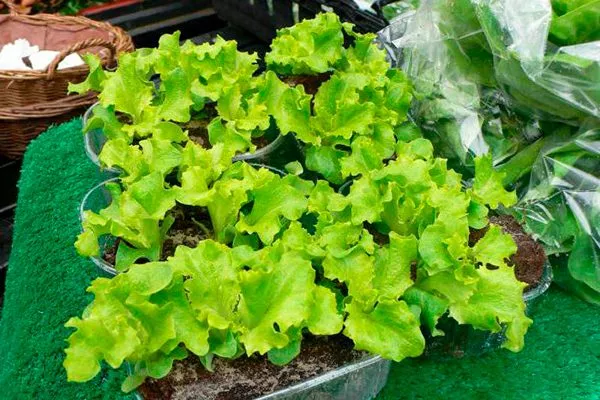
To prepare the soil, mix equal parts humus or peat, sand, and garden soil. Ensure a drainage layer of at least 3 cm is present.
Step-by-step instructions:
- Make 2-3 cm deep indentations in the filled container.
- Place 1-2 seeds in each hole.
- Cover them with soil and water thoroughly.
Reviews from those who planted
The Odessky Kucheryavets lettuce is a unique variety that boasts not only exquisite flavor but also excellent nutritional value. Growing greens is a fascinating pastime for those who enjoy fresh vegetables straight from their own garden. For successful lettuce cultivation, it's especially important to devote sufficient attention to its care.