
Lollo Rossa lettuce is an annual vegetable and a variety of the popular lettuce. This variety is 95% water, but this doesn't stop it from being a leader among its peers in terms of beneficial mineral content.
Description and characteristics
The second name of Lollo Rossa (Lollo Rossa Lettuce), popular among the people, is “coral”, it received this name due to the bizarrely cut leaves, reminiscent of coral reefs in appearance.
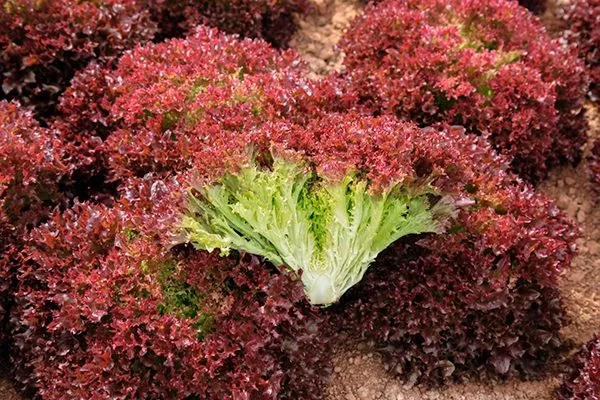
Brief description and characteristics of the culture:
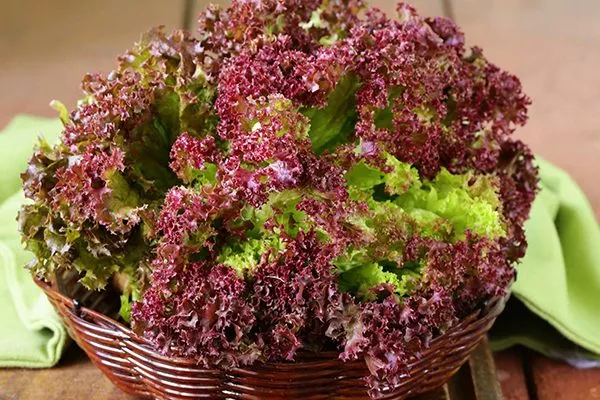
- Head of cabbage. It has an oval shape and small size, collected from serrated leaves, reaching a height of 20-25 cm;
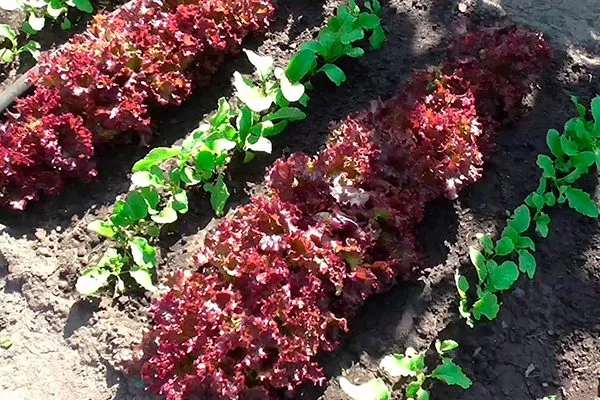
- Leaf colorThe leaves are green in the center, with burgundy-brown edges. The green gradually fades to white at the base of the rosette.
- Taste: Richly nutty with a hint of bitterness. The bitterness is concentrated primarily at the base.
- Caloric content: 16-17 kcal per 100 g.
- Weight: one head of cabbage weighs 200-400 g, one leaf – up to 10 g.
- Ripening period: 5-7 weeks.
- ✓ High content of vitamin C, which makes it especially useful during the period of acute respiratory viral infections.
- ✓ It has a nutty flavor with a slight bitterness that is not typical for other lettuce varieties.
Similar varieties
| Name | Leaf color | Taste | Ripening period |
|---|---|---|---|
| Lollo Rossa | green in the center, burgundy at the edges | richly nutty with a slight bitterness | 5-7 weeks |
| Lollo Bionda | yellow-green | less bitter | 5-7 weeks |
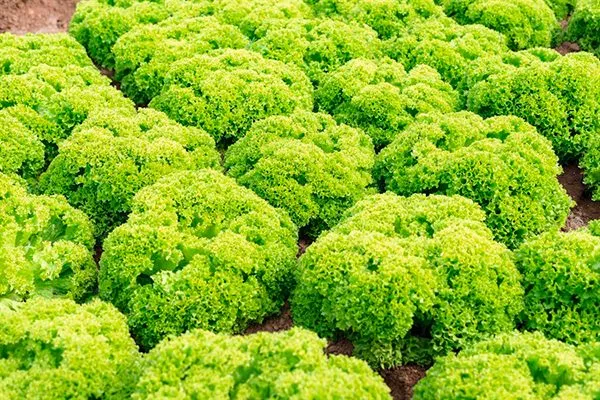
Along with Lollo Rossa, gardeners also grow Lollo Bionda lettuce. It differs from the Lollo Rossa variety primarily in its leaf color. This lettuce's leaves are yellow-green rather than burgundy. The leaf color influences the lettuce's flavor—the latter are less bitter.
History of appearance
Lollo Rossa lettuce has been cultivated in Europe since the early 20th century. Italians were the first to cultivate it, and it later made its way to the United States, where it became widely used in fast food recipes. Today, this lettuce is widely grown in Russia.
Application
Lolla rossa is widely used in salads and other dishes. Its soft, fluffy leaves add not only nutritional value and an attractive appearance, but also volume to dishes.
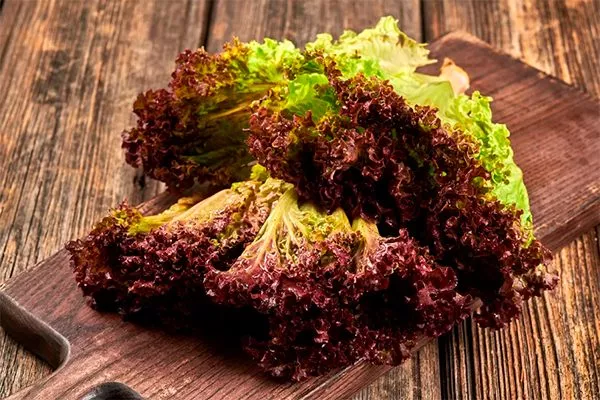
Coral lettuce is versatile and pairs well with a wide variety of foods. It complements meat, fish, and various vegetables beautifully. The lettuce leaves not only enhance and enhance the flavors of other ingredients but also add a decorative touch.
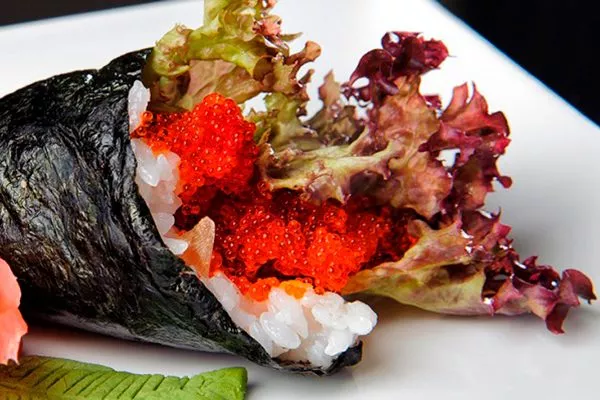
A classic recipe using Lola Rossa: lettuce leaves are mixed with cherry tomatoes, drizzled with olive oil, and seasoned with spices. It's the perfect light dinner or side dish. Lettuce leaves are also used in sandwiches, burgers, sandwiches, and appetizers.
Benefits and harms
Lollo Rossa lettuce contains many vitamins A, B, C, and K, as well as potassium, zinc, phosphorus, sodium, magnesium, copper, and fiber. The leaves also contain ascorbic acid and beta-carotene.
Beneficial properties:
- high iron content helps to increase hemoglobin in the blood;
- recommended for diabetes, as it normalizes water metabolism and removes salts from the body;
- improves mental abilities and memory;
- has anti-inflammatory effect;
- improves immunity;
- speeds up metabolism and helps you lose weight;
- thanks to its high potassium content it strengthens the heart muscle;
- when consumed in large quantities, it helps to remove fecal stones;
- relieves symptoms of gastritis and peptic ulcer;
- calms the nervous system no worse than valerian.
Coral lettuce is very high in vitamin C. It's recommended to eat it during flu season. It's also beneficial for those with hypertension, diabetes, and thyroid disease.
Pros and cons
The crop has many advantages, due to which it is actively grown by gardeners, small farmers and large producers.
Planting in open ground
The variety is quite frost-resistant and unpretentious, so there are no problems with growing it.
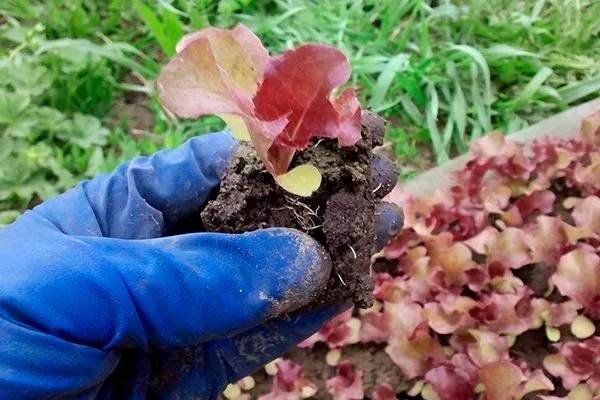
- ✓ Optimum soil temperature for seed germination: +15…+18°C.
- ✓ Regular watering is necessary to prevent bitterness of the leaves: 1 liter of water per bush twice a week.
Growing site requirements:
- The optimal soil is loose, nutritious, slightly acidic or neutral; moist and swampy soils are suitable;
- good sunlight, no large trees nearby;
- there should be no drafts.
Seeds can be sown without pre-germination. However, to speed up germination, soak them in Epin or Zircon.
To get regular lettuce throughout the warm season, plant it every two weeks. In southern regions, sow the seeds until early August, and in other regions, until mid-July.
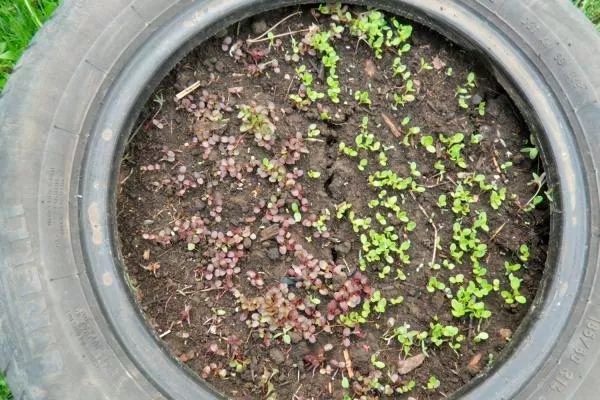
Disembarkation order:
- Prepare the area for planting. Clear it of stones and debris, and dig it thoroughly. Fertilizing is not necessary, but if the soil is poor, you can add compost and wood ash at a rate of 10 liters and 0.5 liters per square meter, respectively.
Apply fertilizer to the soil two weeks before planting. After applying the fertilizer, water the area. - Dig the beds, keeping intervals of 25-30 cm between them.
- Sow the seeds, deepening them by 1-1.5 cm.
Plant lettuce when the outside temperature reaches +15…+18°C.
Care Features
In order for lettuce to grow and develop, producing a good harvest, it requires certain care.
How to care for lettuce:
- Water your lettuce based on the air temperature and rainfall. Don't let the soil dry out. In a moderate climate, two waterings a week are sufficient. One liter of water is required per plant. If you don't water your lettuce, it won't be juicy and crisp.
- After 4-5 leaves appear, weed. At the same time, thin the beds. Leave 5 cm between adjacent seedlings.
- Loosen and weed the beds periodically, removing weeds. Loosen the soil about every 10 days to prevent a crust from forming on the soil after watering and rain.
If your soil is highly acidic, apply lime. Adding lime (300 g per square meter) will lower the soil's acidity and create optimal conditions for lettuce growth.
How to grow at home?
Coral lettuce is great because it can be grown year-round, using a variety of soil types. Plastic or wooden boxes, containers, and spacious pots with drainage holes are all suitable for growing.
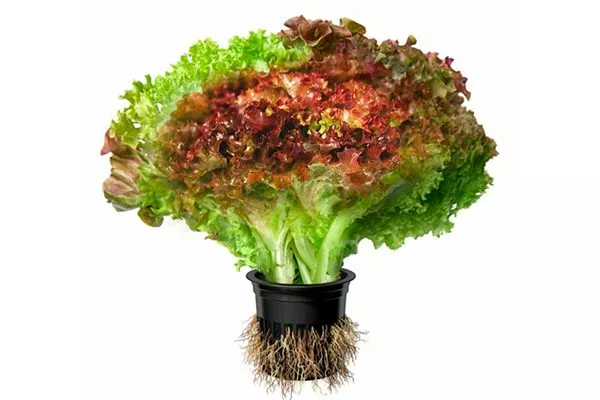
How to grow lettuce at home:
- Place a 3-4 cm thick layer of drainage material at the bottom of the pot. Use any suitable material—expanded clay, vermiculite, etc.
- Fill the container with soil, either prepared or taken from the garden. Be sure to disinfect the soil by soaking it in pink potassium permanganate.
- Fill the pot with soil, leaving 2-3 cm from the edges.
- Sow seeds at intervals of approximately 2 cm. The distance between rows (if the container is large enough) should be 20 cm. Carefully cover the seeds with a thin layer of soil or sand. Lightly compact it.
- Place the containers with planted lettuce on trays that collect excess water.
- Cover the top of the plantings with a transparent material, such as cling film or glass.
Transfer the container with the seeds to a warm room where the temperature is maintained in the range of +15…+28°C.
How to care for crops at home:
- Ventilate the mini-greenhouse every 2-3 days.
- After the first shoots appear, remove the film or glass and move the box closer to the light.
- Thin the seedlings, leaving them 2 cm apart. Once the first leaves appear, increase the spacing to 5 cm.
- Water the seedlings once a day or once every 2 days. Use a spray bottle for moisture.
- If leaf growth is slow, add fertilizer to the soil. Fertilize as often as possible every two weeks.
Storage options
Fresh lettuce leaves can be stored on the bottom shelf of the refrigerator for 4-5 days. Freezing lettuce is not recommended, as it loses both flavor and appearance after defrosting. It's also not recommended to leave lettuce in direct sunlight, as it will dry out very quickly.
If you buy lettuce with a container filled with soil, it can be stored for quite a long time. If you buy individual leaves or a head of lettuce without soil, rinse them immediately under running water, dry them with paper towels, and only then store them in a cool place.
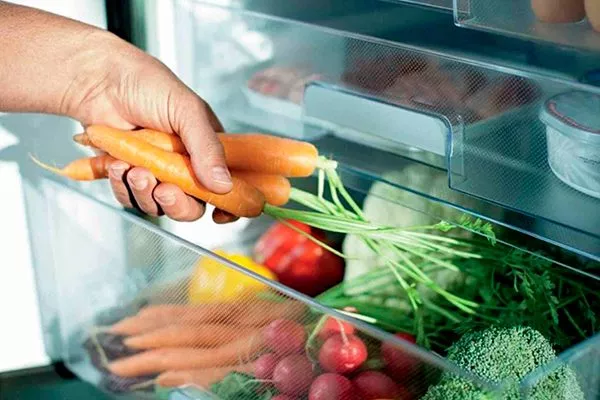
Lollo Rossa is not recommended for long-term storage or freezing, but if desired, it can still be prepared, and this can be done in various ways.
Options for preparing Lollo Rossa salad:
- Pickling. Prepare the marinade using any preferred recipe. For every liter of liquid, add a couple of bunches of lettuce leaves. Tear the lettuce into pieces, pour the marinade over it, and press it down. Once the liquid has cooled, seal the container and store it in a cool place.
- Canning. The leaves are washed, dried, and torn into suitable pieces. They are then fried in vegetable oil, adding salt, sugar, vinegar, and spices to taste. The mixture is transferred to a steamed jar and sealed.
- Freezing. This method of preserving the salad doesn't preserve its visual appeal, but it does preserve its nutrients. The leaves are thoroughly washed and torn into pieces, placed in ice cube trays, covered with water (boiled or purified), and placed in the freezer.
The frozen cubes are transferred to a bag and used as needed. The leaves in this form are suitable for preparing hot dishes, but they are not suitable for salads.
Use in folk medicine
Lollo Rossa lettuce is used not only in cooking, but also in folk medicine.
How to use Lollo Rossa salad:
- A decoction of the leaves can be used to treat sunburn and relieve skin inflammation.
- A mask is made from a dozen crushed leaves to moisturize the skin. Add 3 tablespoons of sour cream to the crushed salad and mix thoroughly. Apply the mask to the face weekly, keeping it on for about 15 minutes.
- By mixing a spoonful of lemon juice and vegetable oil with mashed lettuce, you get a nourishing mask that tones and refreshes the skin.
Interesting facts
Lolla rossa lettuce is a healthy and delicious vegetable that easily becomes a favorite garden herb. For those just planning to plant or buy ready-made lettuce, it's worth learning a few details about it.
Interesting facts:
- Don't cut lettuce with a knife. It must be torn into pieces by hand. Contact with metal causes the leaves to lose their original flavor. This is why salad is not served in metal bowls.
- Salad leaves spoil within just a few hours after being served. They become soft and lose their appearance and flavor. Therefore, there's no point in refrigerating uneaten salad.
- For storage, lettuce (not processed, not torn into pieces) is stored in a completely dry form, since moisture spoils the taste and appearance of the leaves.
- Perfectly ripe lettuce has a greenish-brown color. If the leaves are completely burgundy, it's overripe.
Lollo Rossa is a delicious, healthy, and beautiful salad that can be eaten every day. It's versatile and always useful when preparing a variety of dishes or when setting the table.