
The Levistro lettuce variety attracts lovers of fresh greens with its luxurious, corrugated leaves, delicious, juicy, and very aesthetically pleasing. This healthy and beautiful vegetable is ideal for healthy eating and will enhance any dish, including meat, fish, and baked goods.
General information about the culture
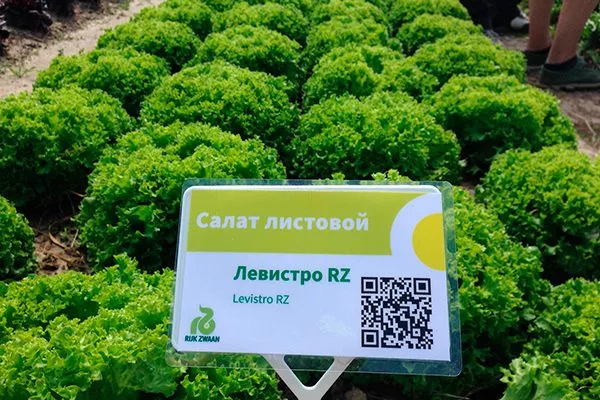
Levistro - This mid-early lettuce is similar to the popular semi-headed leafy variety Lolla Bionda, known for its succulent, crinkled leaves.
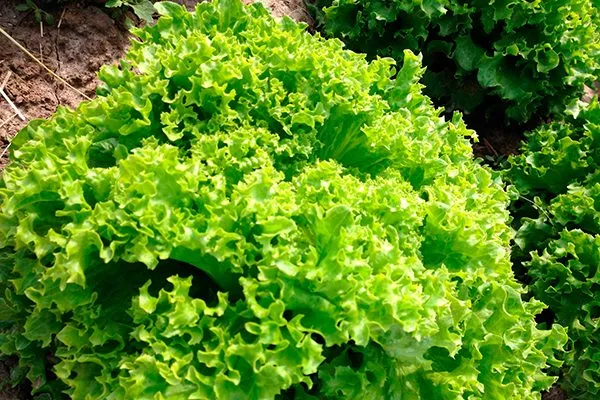
Levistro lettuce has dense, glossy, and attractive leaves. This semi-headed plant has a semi-erect or appressed rosette, well-closed underneath.
This variety is best suited for year-round outdoor cultivation—from early April to September. Indoors, it can be grown year-round.
Specifications:
- socket height - 30 cm;
- diameter - 33 cm;
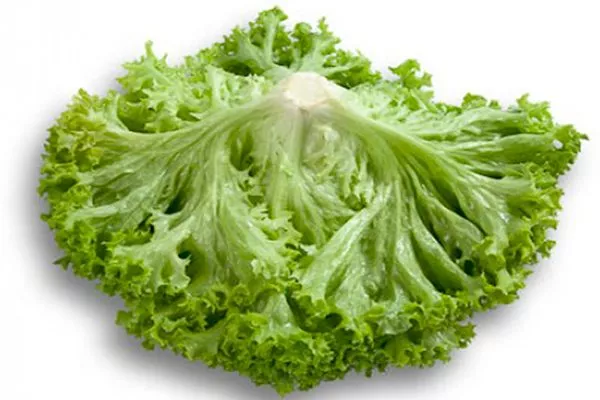
- leaves - medium-sized, round-flat, green, bubbly, wavy at the edges;
- the consistency of the leaves is crispy;
- leaf rosette weight - up to 700 g;
- yield - up to 7 kg/sq.m
The Levistro variety was added to the State Register in 2010. It is recommended for cultivation in the Northern, Northwestern, Central, Volga-Vyatka, North Caucasian, Middle Volga, Lower Volga, Ural, West Siberian, East Siberian, and Far Eastern regions.
Beneficial properties of Levistro
Levistro salad is rich in vitamins and microelements, including folate, which regulates metabolism and the functioning of the nervous system and brain. It's especially rich in calcium and iron, as well as vitamins A, C, and B9.
Benefits of Levistro salad:
- has a beneficial effect on the visual apparatus;
- removes toxins from the body;
- reduces cholesterol levels;
- increases the level of hemoglobin in the blood;
- reduces salt deposits;
- regulates water exchange;
- helps to normalize and lose weight;
- strengthens the walls of blood vessels;
- promotes cell regeneration;
- stimulates digestion.
The caloric content of salad is 12 kcal per 100 g.
Application
Lettuce leaves are eaten at any time of day, and they can be eaten raw, boiled, stewed, or fried. The daily norm is 100 g of lettuce; 50 g is enough for children. The leaves are chopped by hand, not with a knife—this method of "chopping" releases less juice, and the flavor of the dish is more delicate.
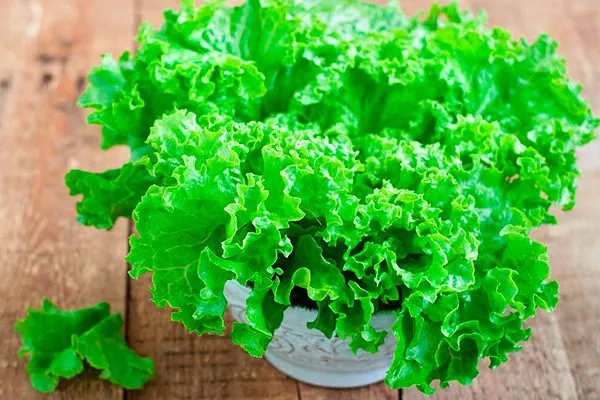
The salad goes perfectly with:
- meat, bacon, chicken;
- fried mushrooms;
- eggs;
- nuts;
- vegetables.
Lettuce is used as a base for salads, and is also indispensable in burgers, wraps, and other appetizers. Lettuce leaves can be used as a garnish or as an additional ingredient in soups, sauces, and other dishes.
Advantages and disadvantages
Before planting Levistro lettuce in your garden, it's worth evaluating all its benefits. To fully understand whether this variety is suitable for your intended purposes, you also need to
Growing technology
To ensure that Levistro lettuce fully reveals its varietal characteristics and produces a good yield, it is important to plant and grow it correctly.
Site requirements
To ensure a good yield, delicious taste, and beautiful appearance, Levistro lettuce requires favorable growing conditions. Its requirements are few, primarily related to light and soil quality, both of which significantly impact the yield and flavor of the greens.
- ✓ The soil pH level should be strictly within the range of 6.0–7.0, deviations can lead to poor absorption of nutrients.
- ✓ The soil should be well drained, but not too sandy to avoid drying out quickly.
What should the area for planting lettuce be like?
- Lighting. The beds should be well-lit, so choose the sunniest spot on the plot. When growing indoors, place the containers on south- and southeast-facing windowsills.
- Earth. It should be sufficiently fertile, with a slightly or neutral acidity (pH 6.0–7.0). Soil type greatly affects soil moisture, and ultimately, the health of the lettuce. Avoid adding fertilizer to the soil immediately before planting, as lettuce grows quickly and its greens will accumulate nitrates, which are very harmful to the plant. The best option is to add organic matter (humus or compost) in the fall, before tilling.
Loamy, black earth, sandy, and carbonate soils are suitable for growing lettuce. Clay soils are unsuitable due to waterlogging—they will cause lettuce roots to rot. Poorly drained soils lose moisture quickly, causing the crops to dry out. - Predecessors and neighbors. Lettuce grows best after zucchini, cucumbers, early cabbage, and potatoes. Radishes, cabbage, and horseradish can be grown next to lettuce—lettuce repels cruciferous flea beetles, which are a major nuisance to these crops. Spinach, peas, tomatoes, and onions are also considered good companions for lettuce. Planting levistro near it will repel aphids.
Planting dates
Levistro lettuce tolerates cool temperatures well and continues to grow during colder weather. It even survives sub-zero temperatures, so seeds can be sown both in early spring and in late winter.
Lettuce, however, doesn't tolerate heat as well. Summer temperatures encourage bolting, which impairs the taste and appearance of the lettuce. If lettuce is grown on a windowsill, it can be damaged by hot air from radiators.
Approximate sowing dates:
- early varieties are sown in spring - in April-May;
- late-ripening and mid-season varieties - from April to mid-June;
- In autumn, sowing is done at the end of October or the beginning of November.
To ensure fresh lettuce is on the table all season long, it is recommended to sow it every week and a half until mid-August.
Site preparation
Prepare the soil for planting lettuce in advance - in the fall if planting is done in the spring, and several months before sowing if in the fall.
How to prepare the site:
- Dig the area up to the depth of a shovel, adding rotted manure or compost (10 liters per 1 sq.m.) while digging.
- Before sowing, simultaneously with loosening the soil, add 1 teaspoon of potassium sulfate and 1 tablespoon of superphosphate per square meter of the plot. In acidic soils, add 1-2 tablespoons of nitrophoska and 0.2 kg of dolomite flour per square meter.
Seed preparation
Before sowing, mix the seed with sand (2:1). The seeds can be sown dry or soaked in water for 24 hours. Using wood ash infusion instead of water will enrich the seeds with micronutrients.
How to prepare an ash infusion for soaking:
- Mix 2 tablespoons of ash with 150 ml of water.
- Mix the solution thoroughly and leave for 2 days.
- Strain and use to soak seeds.
Landing
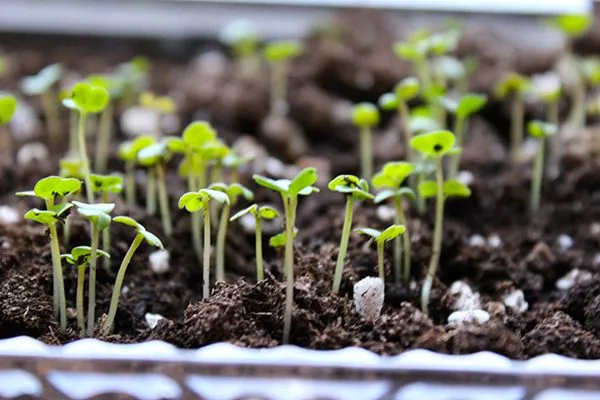
Sow seeds in moistened soil, making furrows 0.5-1 cm deep beforehand. The width between adjacent rows is 15-20 cm. Place the seeds in the furrows (at intervals of 7-10 cm), cover with loose soil, and compact lightly. Seedlings can emerge even at temperatures as low as 5°C. Germination is slower at temperatures of 20°C and above.
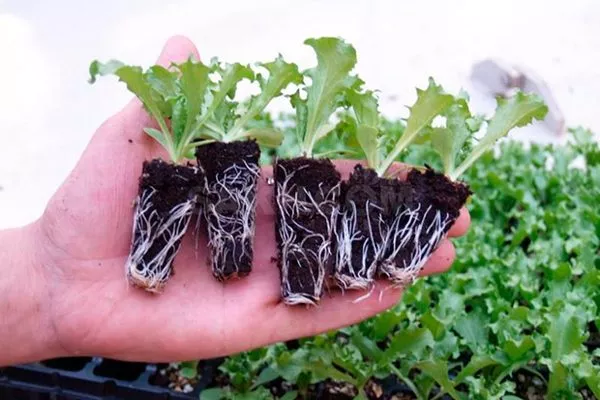
Once the seedlings begin to emerge en masse, thinning begins. Levistro is a semi-heading variety, so the optimal distance between adjacent plants should be about 10 cm. Experts recommend thinning the seedlings twice.
The sowing described above is called spot sowing, it is usually used when the number of seeds is limited, in addition to it there is also dense sowing.
Features of dense sowing:
- Allows you to get the first greens in a short time.
- The seeds are sown in pre-prepared beds at intervals of 3 cm. The distance between rows is 10 cm.
- There's no need to thin the lettuce; it produces plenty of leaves, and the first harvest can be picked in just 5 weeks. The second harvest is ready after 6 weeks.
You can't sow lettuce in dry soil, as the plants will quickly bolt and become bitter.
If you plan to grow lettuce for sale, it's recommended to use the semi-seedling method. This allows you to harvest quickly.
Planting lettuce using the semi-seedling method:
- Sow prepared seeds in pots up to 3 cm deep.
- When the seedlings with the first cotyledon leaves appear, carefully remove 3 to 5 seedlings along with the soil. Plant them in a bunch in the prepared furrows.
Care
To get a large, high-quality lettuce harvest that meets all varietal characteristics, it is important to care for it properly.
How to care for Levistro lettuce:
- Water. The amount of moisture received determines the juiciness of the leaves and the size and density of the resulting semi-heads. It is recommended to water the lettuce at the roots to avoid dripping onto the leaves, as this can cause burns. Drip irrigation is the optimal irrigation method.
On average, lettuce is watered once a week, in the morning or evening. Once the semi-heads begin to grow, watering is reduced slightly to prevent rot. In hot weather, it's best to water lettuce at night to prevent necrosis. - Fertilize. If the soil is poor, supplementation with phosphorus, calcium, nitrogen, potassium, and magnesium is necessary. This helps grow lettuce with crisp, juicy leaves. It's recommended to fertilize the crop with organic matter once or twice per season. Apply this during watering. Suitable fertilizers include:
- bird droppings solution (1:20);
- fermented herbal infusion;
- vermicompost;
- mullein solution (1:10).
- Loosen. After watering, the lettuce is loosened and weeded. Lettuce leaves quickly suppress weeds, so loosening the soil between the rows is only necessary.
- Diseases and pests. In high humidity, lettuce can be susceptible to fungal diseases, such as gray or white mold, downy mildew, and powdery mildew. Lettuce leaves can also be attacked by snails and slugs, which must be removed manually. Aphids can also attack the crop, but spraying an infusion of dandelion leaves, onion peels, or potato tops can help prevent their occurrence.
Harvesting
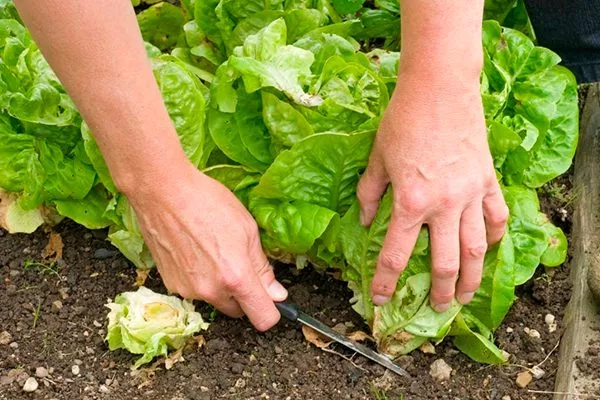
Lettuce is best harvested in the morning, when the leaves are especially fresh and juicy. Use a sharp knife to cut. Watering the plants before harvesting is strictly prohibited, as washing the lettuce leaves is also prohibited, as this can cause them to rot during transportation and storage.
- ✓ The leaves should be firm and crisp, indicating they are fresh and have been properly cared for.
- ✓ No signs of rot or necrosis on the leaves, which is critical for long-term storage.
Growing lettuce in a greenhouse
Lettuce is an undemanding crop, so even beginners can grow it in a greenhouse.
The best time for growing in a greenhouse:
- September-December;
- January-April.
Lettuce can be planted in a greenhouse using either seeds or seedlings. It can be grown in any type of greenhouse, including glass, polycarbonate, and plastic.
Levistro lettuce is a beautiful, vitamin-rich crop that's very easy to grow and a valuable food product. By planting this lettuce variety in your garden, you'll have healthy and beautiful leaves every day that will complement and enhance any dish.