
Arugula (rocket), or indau, is a herbaceous plant from the Brassicaceae family with a rich, spicy flavor. Due to its high content of vitamins, macro- and micronutrients, this green annual is cultivated in most European countries, the Americas, Asia, and Russia. This article will help you choose the right arugula variety for your garden and how to properly grow it from seed.
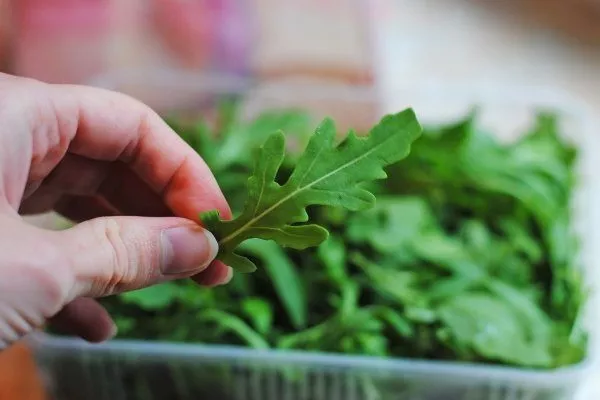
Brief description of the plant
Cultivated arugula is a compact plant growing 30-60 cm tall with a sparsely pubescent, branched stem. Depending on the variety, the leaves can be large and fleshy, or medium, thin, and delicate. Wild plants have narrower, more elongated leaves. The lower lyrate leaves form a rosette.
Arugula is grown both in the southern regions and the central zone, as well as in places with a rather harsh climate.
Indau blooms from May to July with yellow or white flowers with purple veins. The flowers are obovate, slightly sinuate. The plant is considered a good honey plant. The fruit is a sword-shaped pod containing two rows of light brown seeds.
Which type of arugula should I choose?
| Name | Growing season | Cold resistance | Taste |
|---|---|---|---|
| Poker | 35-40 days | Yes | Mustard-olive |
| Sicily | 28-30 days | Yes, up to -6°C | Walnut |
| Rococo | 3-4 weeks | Yes | Spicy and hot |
| Corsica | 1 month | No | Nut-mustard |
| Coltivata | 2 weeks | No data | Gentle |
| Spartacus | 20-25 days | No data | Spicy |
| A curiosity | 2 weeks | No data | Spicy |
If you want to harvest aromatic greens as early as possible, choose early-ripening varieties, which have a growing season of three weeks. Mid-season varieties will need about one to one and a half months to develop their green mass.
To ensure that this vitamin-rich greenery continues to delight you in your favorite dishes, plant arugula at intervals of two weeks. The following varieties of Indau sativa have proven to be the best:
- Poker – a mid-early variety, biological maturity occurs 35-40 days after germination. The plant height can reach 60-70 cm, with a rosette diameter of 20 cm. The variety is characterized by the mustard-olive flavor of the leaves and their high commercial quality. Poker is suitable for winter sowing.
- Sicily Sicilia is a frost-hardy, mid-season variety with a growing season of 28-30 days. The foliage is bright green, with a distinct nutty flavor. The bush grows to a height of no more than 60 cm, with a rosette diameter of 12-15 cm. Sicilia can withstand temperatures down to -6°C (-6°F) without loss of foliage quality, and it will produce shoots in extreme heat and drought.
- Rococo – an early salad crop with a strong, spicy, pungent aroma. This variety is distinguished by its wide, dark green leaves. The rosette height does not exceed 20 cm. The plant is productive and cold-resistant. Harvesting takes place 3-4 weeks after emergence.
- Corsica Corsica is a mid-season variety; the greens are ready for consumption a month after the first shoots emerge. The leaves are smooth, lyrate-shaped, and dark green. The rosette reaches 60-65 cm in height. Corsica has a nutty-mustard aftertaste and a subtle spicy aroma. The variety bolts quickly when moisture is insufficient and in extreme heat.
- Coltivata – a highly productive Dutch variety of arugula. The plant is early maturing, with leaves ready to eat within two weeks of emergence. The bush is compact, with a rosette height of approximately 20-25 cm. The leaves are large and rounded, and the flowers are creamy.
- Spartacus – an early-ripening variety bred for outdoor cultivation. The plant's growing season lasts 20-25 days. The leaves are smooth, oval, and medium-sized. The rosette is slightly raised, reaching 60 cm in height. The flavor is spicy and pleasant.
- A curiosity – a fast-growing green crop, with a growing season of about two weeks from germination. The leaves are lyre-shaped, dense, and juicy. The bush grows up to 22 cm tall. The young leaves have a piquant, spicy flavor.
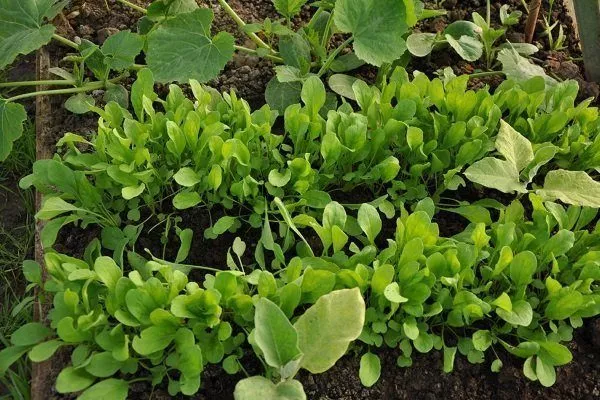
variety "Poker"
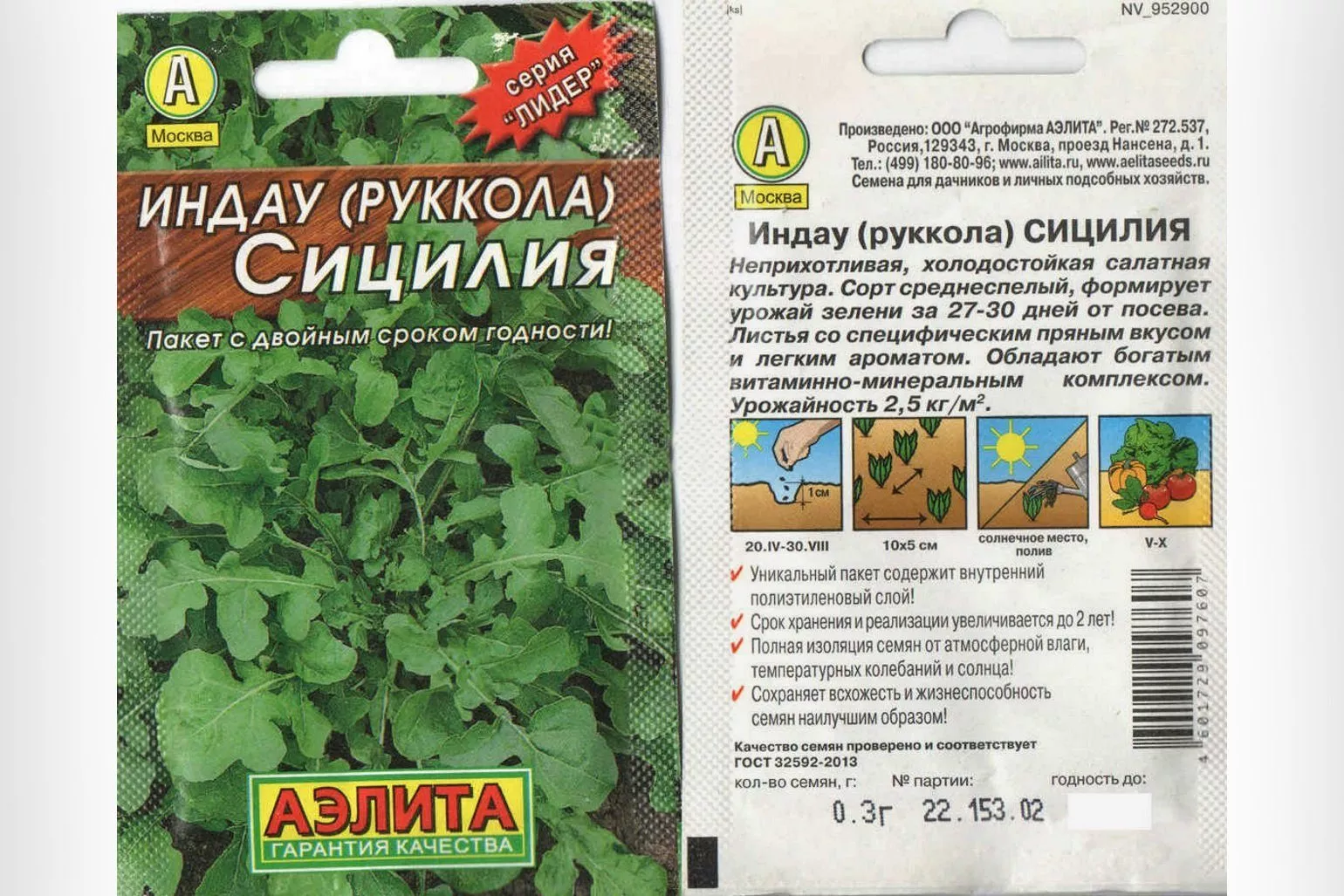
variety "Sicily"
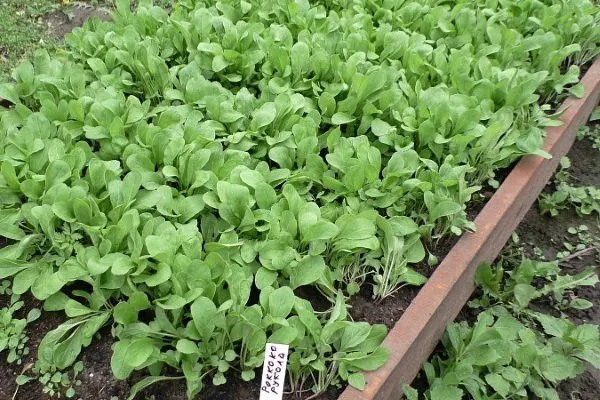
variety "Rococo"
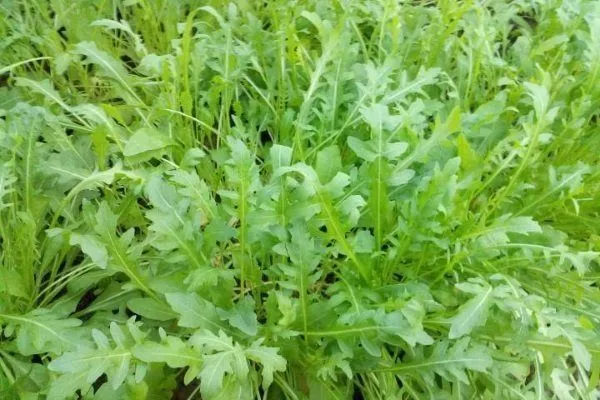
variety "Corsica"
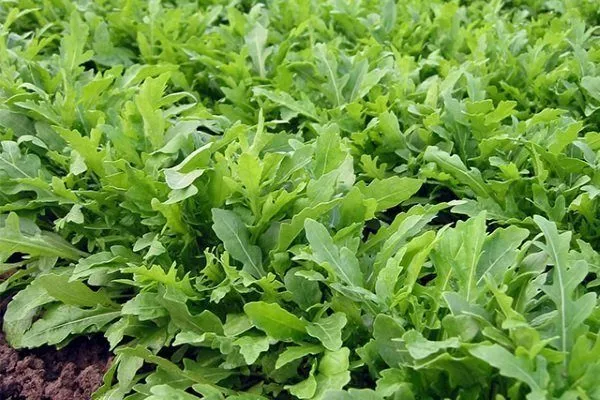
variety "Koltivata"
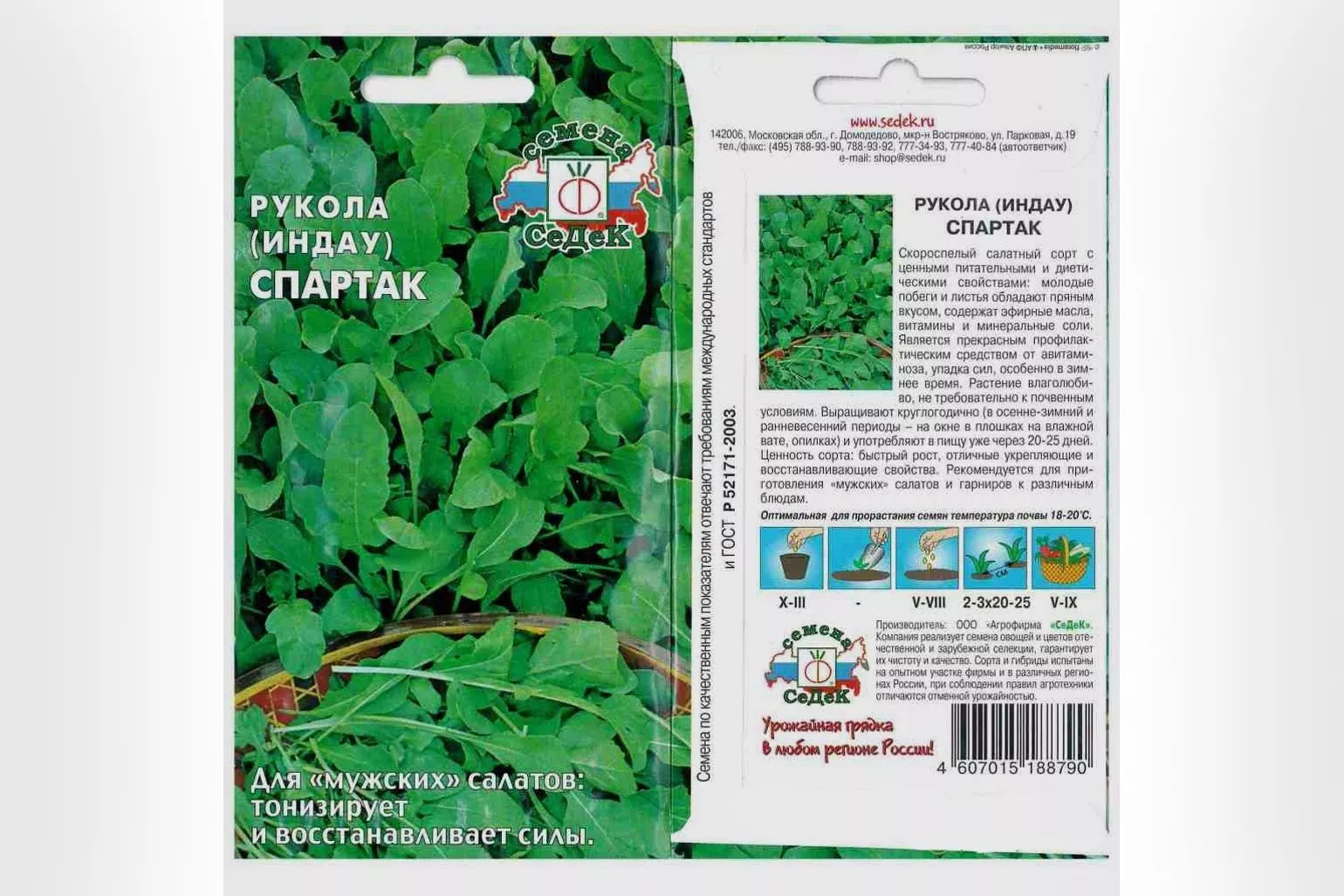
variety "Spartak"
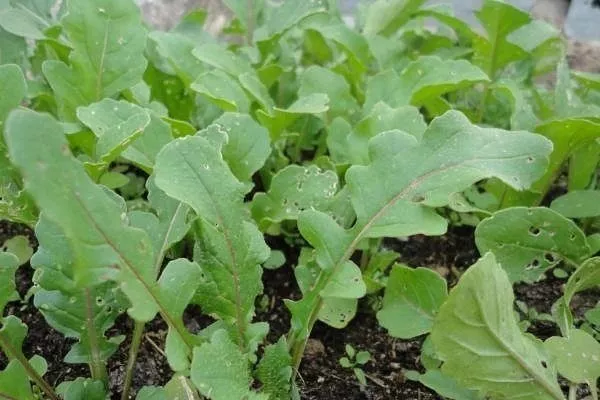
variety "Dikovina"
Timing of sowing arugula seeds in open ground
Indau seeds are sown outdoors in April and August. The plant thrives in warm conditions, so when planting in spring, wait until the air temperature reaches 8-10 degrees Celsius. Under favorable weather conditions, sprouts will emerge within 3-5 days after sowing.
Returning frosts will not damage young shoots, since indau can withstand short-term frosts down to -6 degrees without cover.
Arugula should be sown in August, when the summer heat subsides. For western regions, this is the first ten days of the month, and for southern regions, the second and third. Experienced gardeners note that greens planted in spring have juicier, crispier leaves. When planted in the fall, the greens are more voluminous, but not as juicy.
Rules for planting a plant in a garden bed
The plant doesn't tolerate intense sunlight, so avoid open areas. Ideally, it'll be sunny until midday and receive some shade during the hot afternoon hours.
Arugula isn't picky about soil, but grows best in areas with light, well-fertilized soil with a neutral pH. Acidic clay soils are unsuitable for planting salad greens, so they should be deacidified with lime beforehand.
Avoid choosing areas with high groundwater levels, as over-watering of the root system significantly increases the risk of fungal diseases.
Seed preparation
To ensure uniform germination of indau seedlings within 5 days, the seeds must be properly prepared before sowing. By purchasing seeds from reputable manufacturers in specialized stores, you can be assured of their quality. They are often already treated, so there is no need to disinfect them.
Some gardeners prefer to buy seeds from the market or from neighbors. In this case, they must be disinfected. Pre-sowing seed treatment is carried out with a 3% hydrogen peroxide solution:
- heat the peroxide to 40 degrees;
- pour the solution over the seeds for 7-10 minutes;
- drain the solution;
- Dry the seeds on a napkin.
If the quality of the seeds is suspect, they can be germinated before sowing:
- soak the seed material in Epin solution for 2 hours;
- Place the seeds on a damp cloth and wrap them up;
- Place the package in the container and close it with a lid;
- Move the homemade greenhouse to a warm place.
With this method of germination, the seeds will sprout in just a couple of days, after which they can be sown in the soil.
Soil preparation
Prepare the soil for the arugula planting in the fall. First, dig the area thoroughly and remove weeds. Add 3 kg of compost, 15-20 g of potassium chloride, and 20 g of superphosphate per square meter. Dig the area again and water it.
In early spring, urea is added to the soil at a rate of 15 g per square meter. In areas with highly acidic soil, 300-500 g of quicklime per square meter should be added to reduce acidity. Immediately before planting, the soil is loosened and leveled.
Arugula planting pattern in open ground
The method for planting arugula in open ground is not much different from the methods for sowing any other greens:
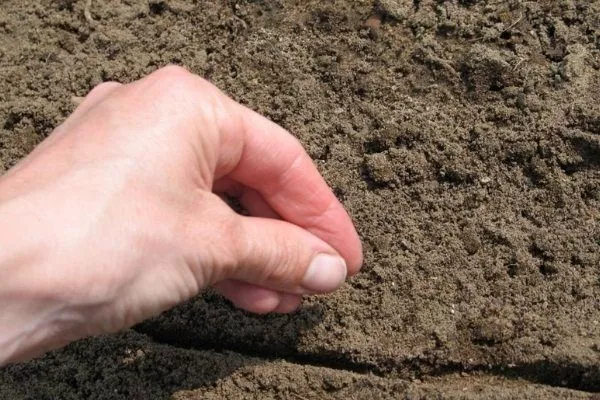
- On the prepared area, make furrows no more than 1.5 cm deep and water them thoroughly.
- Leave a distance of about 30 cm between rows.
- Sow seeds 5 cm apart.
- Cover the beds with soil and compact it lightly.
- If there is a high risk of recurrent frosts, cover the crops with film at night, remembering to remove it during the day.
Good and bad predecessors
Arugula is best grown after vegetable crops such as potatoes, peas, pumpkin, carrots, or tomatoes. It's not recommended to plant greens in beds previously occupied by radishes, turnips, cabbage, or horseradish. Arugula should be returned to its original location no sooner than after four years.
Caring for arugula after planting
Arugula is an easy-to-grow plant, so if planted correctly, you won't need to spend too much time caring for it. All you need to do is provide the young greens with ample water, regularly remove weeds, and loosen the soil.
Once the seedlings emerge, thin out the plants. When two true leaves emerge, remove excess shoots, leaving a distance of 5-7 cm. Thin again when four true leaves emerge. Leave approximately 15 cm between the new plants.
Temperature
The optimal temperature for indau development is 18-20 degrees Celsius. At lower temperatures, the plant's growth and development slows, and the growing season is significantly extended.
When prolonged frosts occur, it is necessary to immediately construct a shelter over the beds using polyethylene film or any other covering material.
- ✓ Leaves become bitter and tough when there is a lack of moisture.
- ✓ Premature flowering indicates stress from high temperatures or long daylight hours.
Excessively high temperatures also negatively impact plant growth. Bushes may bloom prematurely, especially varieties susceptible to bolting.
Furthermore, elevated temperatures during active growth lead to a reduction in flavor. Arugula leaves lose their juiciness, becoming coarse and tasteless. This problem can be solved by placing a special shading film over the area.
Watering
Arugula is a moisture-loving plant, so it requires frequent, abundant watering. The soil around the roots should always be moist, but not stagnant. The plant does not tolerate waterlogging. In regions with hot summers, water daily; in cooler climates, water 3-4 times a week.
If there is a lack of moisture, the leaves of the indau become bitter and unfit for consumption.
Weeding and loosening
To improve oxygen and moisture penetration to the root zone, the soil around the bushes should be loosened regularly. This is easiest to do immediately after watering, using a hoe or fork. Removing weeds is also essential, as they can crowd the plantings and some can even negatively affect the flavor of salad greens.
Try to remove weeds by the roots, otherwise they will soon reappear. If you are not a frequent visitor to your garden, mulch Cover the beds with hay or grass. This will not only inhibit weed growth but also help retain moisture in the root zone for longer.
Top dressing
Experts have different opinions regarding the need for fertilizer under arugula plantings. This is because the plant actively absorbs nitrates and other harmful substances from the soil. Since arugula has a short growing season, the accumulated toxins don't have time to fully decompose.
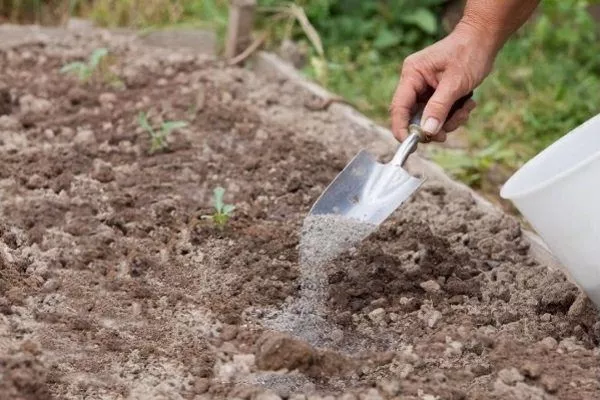
If you prepared the area in advance before planting greens, the fertilizer applied will be sufficient for a bountiful harvest. In poor soils where the plants are not growing well, you can use a 1:10 solution of chicken manure for additional fertilizer.
What diseases does arugula have?
Arugula is susceptible to certain fungal diseases, especially if the plant isn't properly cared for. The main ones are:
- Fusarium. The affected plant begins to chlorinate, then whitish spots appear on the leaves, and turgor decreases. Over time, the leaves begin to dry out, the stem darkens, and the above-ground portion dies completely. Fusarium wilt is incurable, so affected plants are removed and burned.
- Peronosporosis. The appearance of reddish-brown, dry spots on the upper surface of the leaves indicates the onset of a fungal disease. A faint powdery coating can be seen underneath. The leaves wrinkle and dry out. Fungicide treatments are ineffective, so affected bushes should be removed.
- Verticillium wilt. The fungus enters the plant through small cracks, which often form after damage to the roots during soil loosening. In the initial stages, the disease shows no symptoms. During the period of active green growth, yellow and whitish spots appear on the leaves, which quickly spread throughout the plant. An affected arugula plant can completely wilt within a day. If you notice signs of the disease, immediately remove the plant from the garden bed and burn it.
The essential oils present in the plant's leaves repel many pests. However, arugula can sometimes fall prey to flea beetles and cabbage moths. The former can severely damage young indau greens, leaving small holes. To combat these pests, cover the plantings with any non-woven garden material. As a preventative measure, sprinkle the bushes with wood ash.
| Method | Efficiency | Notes |
|---|---|---|
| Wood ash | High against cruciferous flea beetle | Requires reapplication after rain |
| Wormwood tincture | Average against cabbage moth | Regular use is required |
Moths also love to feast on fresh, spicy leaves. You can protect arugula from them using folk remedies, such as treating the plants with wormwood infusion. To prepare it, chop the wormwood and boil it for 10 minutes in a small amount of water. Cool and dilute with water in a 1:1 ratio.
Harvesting greens
Young arugula leaves should be cut as they grow, choosing the widest and longest ones. Harvest regularly, avoiding leaving the leaves on the plant for too long, as they become tougher over time. The optimal length for a ripe leaf is 8-10 cm.
After flowering, the flavor of salad greens noticeably declines. Some gardeners recommend removing the buds to prolong the harvest. Arugula is eaten fresh, as this preserves all its vitamins. In the refrigerator, greens can be stored for up to 4 days.
Harvesting arugula seeds
Long daylight hours and insufficient watering cause arugula to shed its flowers quickly. By leaving a few flowering plants in the garden at the end of July, you can harvest the ripened seeds by early fall. It's recommended to store them in glass containers or special zip-lock bags. Arugula seeds can be stored for 3-4 years without losing their viability.
Arugula is an easy-to-grow plant that requires ample watering and frequent tilling. With proper planting, you'll reap a bountiful harvest of this savory herb without any additional fertilizer. By sowing the seeds at different times, you'll have a healthy, vitamin-rich salad on your table all summer long.