
Rubin lettuce is a popular variety among gardeners, who appreciate not only its decorative qualities but also its fresh flavor. It is characterized by good productivity and excellent flavor. With proper and timely care, it will yield generous harvests and strengthen the plant's immune system.
Introduction to the variety
Rubin is an oak-leaf variety that is excellent for fresh salads, sandwiches and light snacks.
Greens have a rich composition that has a beneficial effect on health:
- Vitamin A necessary for improving the condition of the skin and vision.
- Vitamin C – a powerful antioxidant that strengthens the immune system and helps the body fight free radicals.
- Vitamin K plays a key role in blood clotting and maintaining bone health.
- Vitamin E protects cells from oxidative stress.
Greens contain many minerals: potassium, calcium, magnesium, iron, and folate. Potassium normalizes blood pressure, calcium and magnesium strengthen bones, and iron helps prevent anemia. Folate is important for proper cell development and is especially beneficial for pregnant women.
Useful properties of greens:
- Effectively fights infections and inflammatory processes.
- Normalizes bowel function and prevents constipation.
- Prevents the development of osteoporosis.
- It has mild diuretic properties, removing excess fluid and toxins.
- Lowers cholesterol levels and maintains normal blood circulation, reducing the risk of cardiovascular diseases.
The ripening period is approximately 40-45 days, making it an early to mid-season variety. Yields reach approximately 1.9 kg per square meter, making it economically viable to grow.
Description of appearance and taste
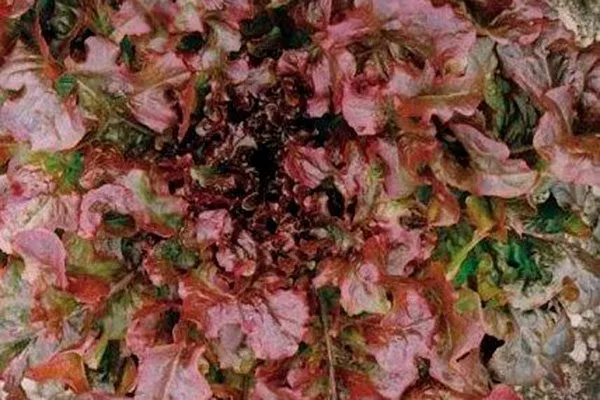
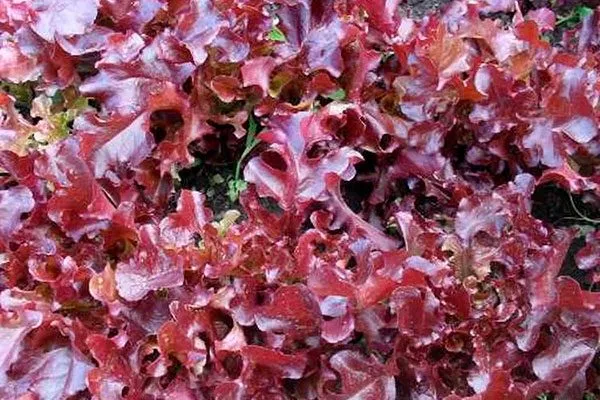
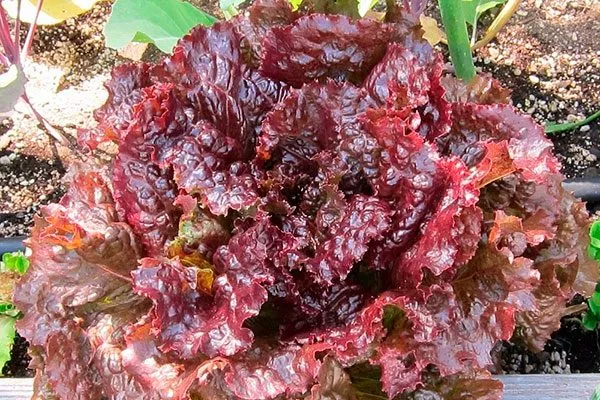
The plant grows up to 20 cm in height and reaches a diameter of 35 cm. The weight of a single head varies from 175 to 200 g. The rosette is semi-erect, the leaves are medium-sized and obovate in shape, they are dark red at the edges and green in the center.
Agrotechnical subtleties
Growing vegetables is not only rewarding but also fun. For successful growth, choose a sunny spot with light, fertile soil. Before planting, prepare the area for cultivation.
- ✓ Soil pH should be between 6.0-7.0 for optimal nutrient absorption.
- ✓ The soil must have good drainage to avoid water stagnation and root rot.
Step-by-step instructions:
- Prepare the beds by digging the soil to a depth of about 20 cm.
- Add humus or compost to improve the nutritional value of the soil.
- Make furrows 1-2 cm deep at a distance of 25-30 cm from each other.
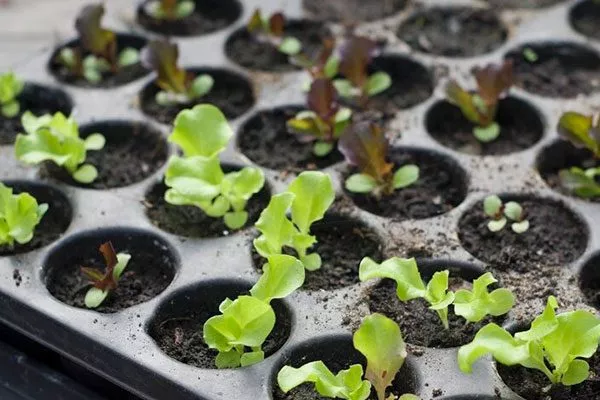
- Sow the seeds, leaving 10-15 cm between them to ensure normal plant development.
- Sprinkle the planting material with a thin layer of soil and carefully water it with warm water.
| Fertilizer type | Period of contribution | Efficiency |
|---|---|---|
| Organic (humus, compost) | Before landing | High, improves soil structure |
| Mineral (NPK) | 2 weeks after germination and a month later | High, fast absorption |
After the event, provide timely care for the seedlings. Follow simple agricultural practices:
- Water plants regularly, especially during dry periods, to keep the soil moist.
- Loosen the soil between rows to improve root aeration.
- Thin out seedlings so that plants do not shade each other.
- Fertilize twice per season: the first time 2 weeks after germination, the second time a month later.
The crop has a strong immune system, but it can be susceptible to various diseases and pests, which can reduce yields and degrade foliage quality. To prevent problems and protect your foliage, begin treatment promptly:
| Pest/Disease | Symptoms | Control measures |
| Downy mildew (peronosporosis) | Yellowish spots appear, which over time become covered with a grey coating. | Use fungicides Fitosporin or Alirin-B. Garlic infusion is effective (add 30 g of crushed garlic to 1 liter of water, let it steep for 24 hours, and then spray the plants). |
| Gray mold | It is accompanied by a gray fluffy coating, which leads to rotting of the leaves. | Topaz and Fundazol will help solve the problem. Treat the greens with an infusion of onion peels (50 g per 1 liter of water, leave for 24 hours, then use). |
| White rot | The bushes become covered with a white coating and begin to rot. | The disease can be controlled by using HOM or Ordan. As a preventative measure, dust the foliage with wood ash. |
| Aphid | Tiny insects cover the undersides, sucking out the sap. The leaves curl and turn yellow. | Remove infected areas and spray healthy plants with Aktara or Inta-Vir. The best folk remedy is a soap solution with wood ash added (30 g of ash and 10 g of laundry soap per 1 liter of water). |
| Slugs | They eat leaves, leaving holes and slime on the surface. | Products like Groza or Meta are effective. Sprinkle the bushes with ground pepper and set beer traps. |
| Cruciferous flea beetle | After them, small holes are formed. | Karbofos or Fufanon are the best solutions for control. Dust with tobacco dust or ash. |
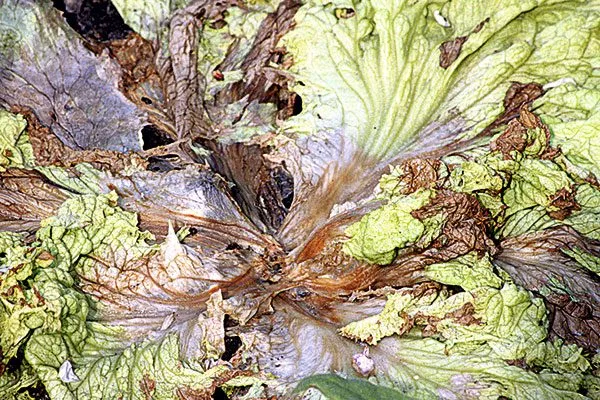
As a preventative measure, sow seeds in healthy, prepared soil. Loosen the soil regularly and avoid overwatering.
Reviews
Rubin lettuce is a good choice not only for experienced gardeners but also for beginners. It doesn't require any special care, so growing it is straightforward. Proper care and suitable growing conditions will yield a bountiful harvest of juicy, delicious greens.