
Romaine lettuce is a key ingredient in many dishes and salads, and is also used medicinally due to its valuable nutrients. Growing it is not difficult, but there are a few important nuances and recommendations that will help you achieve a bountiful harvest.
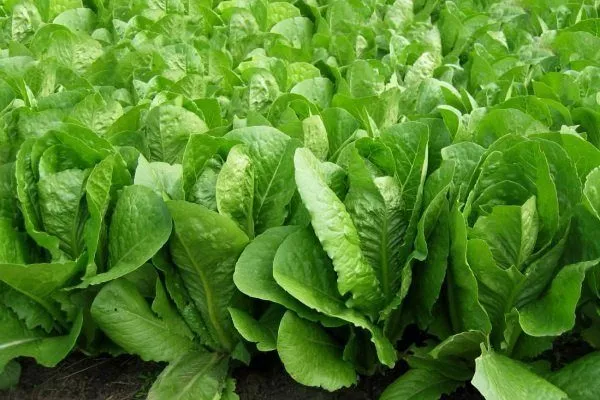
Romaine lettuce
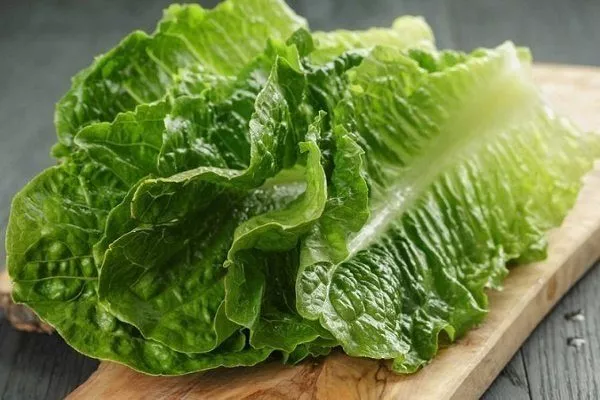
The delicious taste of Romaine lettuce allows you to experiment with healthy cooking
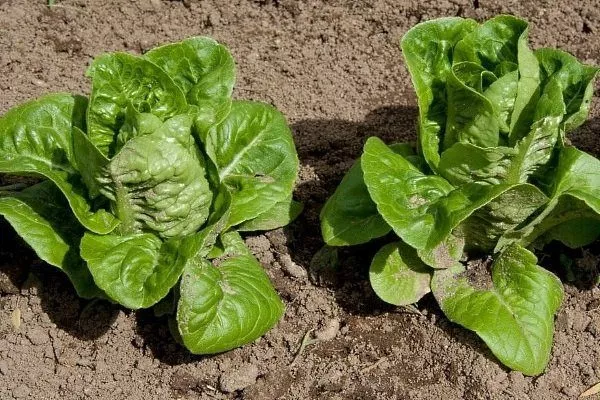
Due to its low calorie content, Romaine lettuce is very popular among calorie-conscious people.
History of origin
This plant has a fascinating origin. Its use began in ancient Rome, hence its name. Romaine lettuce was first discovered around 5,000 years ago. It was used not only in cooking but also in medicine—the plant boasts numerous medicinal properties thanks to its rich composition. Today, romaine lettuce is known worldwide: it's used in salads, added to appetizers, and some Italians stew it, as their ancestors did.
Biological features
Romaine lettuce is low in calories – only 17 kcal per 100 g.
100 g of product contains:
- 1.8 g protein;
- 1.1 g fat;
- 2.7 g carbohydrates.
Romaine also contains many useful components: vitamins of various groups, phosphorus, iron, magnesium and zinc.
Advantages and disadvantages
Romaine is the fastest ripening variety among other crops. Key advantages include:
- a short growing season - approximately 65 days, which means lettuce can be grown in almost any season;
- long shelf life – heads of cabbage can be kept in the refrigerator for up to 35 days;
- the possibility of growing lettuce from seeds;
- the possibility of collecting multiple harvests;
- benefit;
- interesting taste;
- Romaine is resistant to subzero temperatures and can be grown even during frosts. However, when cold weather sets in, it is recommended to insulate the plantings to preserve the plant's ability to grow.
However, there are some disadvantages to this culture. These include:
- demanding of soil and temperature conditions (this is due to the location of the root system);
- Lack of watering can also affect the taste – the salad becomes bitter and unsuitable for consumption.
Features of cultivation
To reap a bountiful harvest of lettuce, it is crucial to carefully observe all the nuances of growing the crop.
Choosing a location
The choice of location determines the quantity and quality of the harvest. By choosing a site with poor soil for lettuce, a gardener risks producing lettuce with a dull flavor and little nutritional value.
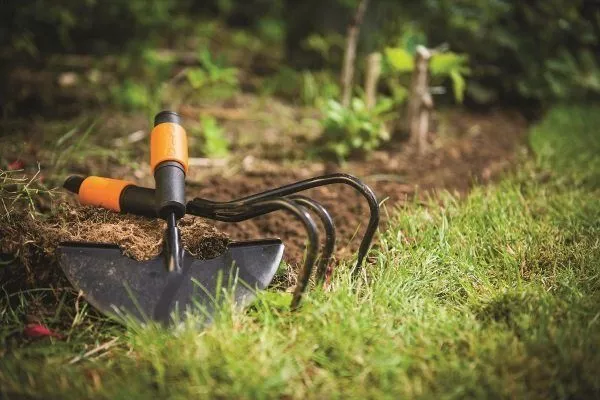
Choose a sunny planting site with slightly acidic soil (to address this, add lime or chalk). The best predecessors for this plant are grain or row crops. Also remember: this lettuce thrives on moisture. If your site has clay soil, ensure proper drainage.
- ✓ Soil pH should be between 6.0-6.5 for optimal growth.
- ✓ The soil must contain at least 3% organic matter to provide essential nutrients.
Soil preparation
Before planting the seeds, prepare the soil by adding 2.5 kg of compost per square meter. This will help the lettuce grow quickly and become stronger. However, avoid using chloride or potassium fertilizers, as these can cause poor growth and disease.
Seed preparation
It's best to buy seeds from specialized stores—they maintain the necessary humidity level and a specific temperature regime to preserve the quality of the product.
Before direct planting, it is recommended to bubbling and pelleting the planting material.
Bubbling is a process that accelerates seed growth. The procedure is as follows:
- A day before planting, the seeds are immersed in a container filled 70% with a solution of microelements.
- A hose is immersed in the container (it is better to use an oxygen pump, like in aquariums), and the air supply is turned on.
- This event takes approximately 15 hours.
It is necessary to monitor the planting material - if the seeds begin to sprout, the procedure is stopped.
Pelleting is also required. This procedure involves coating the planting material with a special mixture that will increase germination and speed up germination, and reduce the risk of disease. It's performed as follows:
- The planting material must be soaked in a solution of mullein (in a ratio of 1:10).
- Then place the seeds in a container.
- Add the paneer mixture. It is prepared from:
- 0.6 kg of peat;
- 0.3 kg of humus;
- 0.1 kg dry mullein;
- 15 g superphosphate.
- The mixture is added to the jar and the container is shaken.
- When the seed material has swollen a little, it needs to be taken out and dried.
- Before planting, the seeds should also be moistened so that they germinate faster.
When planting, it is advisable to mix the seeds with sand - this will make subsequent weeding and culling of plants much easier.
Sowing seeds
Seeds are planted in mid-March, when temperatures reach above freezing. The distance between plants depends on the size of the plant. If you plan to plant small heads of cabbage, leave about 40-45 cm of space between rows—ideally, each plant should have at least 9 square meters of garden space. If the plants are too close together, you won't be able to harvest a good crop.
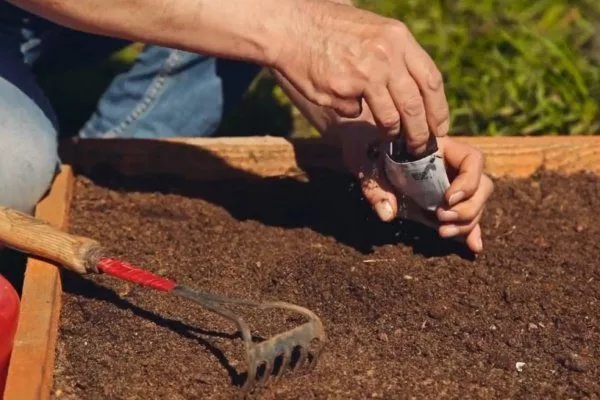
The seeding hole should be approximately 1.5 cm deep and 0.5 cm in diameter. To create the best possible growing conditions, use a screwdriver to make holes of the appropriate size.
Growing Romaine Lettuce Seedlings
There are two methods for growing lettuce seedlings. You can choose the ideal option based on your location and growing conditions.
The first method is traditional and easy to implement:
- Seeds for seedlings are planted from mid-March to early April.
- For planting, it is better to choose small containers.
- The planting material is buried in the soil to a depth of about 1 cm, with a free distance of about 5 cm between the seeds.
- After planting, the soil is moistened.
- During the germination process, loosen the soil several times, remembering to water the young plants. To accelerate growth, the temperature should be around 20 degrees Celsius.
- When the first shoots appear, the temperature is reduced to +10 degrees during the day and about +8 degrees in the evening.
- After a week, the temperature should be raised to +18 degrees, and the humidity level should be around 60%.
- Transplantation of young plants is carried out approximately one month after planting the planting material.
This method is used when growing late varieties of lettuce - it will speed up the development of the crop.
To prepare the substrate, you need to use a composition consisting of:
- 800 g of peat;
- 4.5 kg of mullein;
- 20 g sawdust.
For each cubic meter of mixture, add 1.5 kg of superphosphate and ammonium nitrate, 0.5 kg of potassium chloride, 2 g of sodium borate and copper sulfate.
All components are added to the soil 25-35 days before planting. Subsequent care includes all the steps listed above.
Caring for Romaine Lettuce
Once the seedlings have emerged, it is crucial to follow all care procedures – both the quantity and quality of the harvest depend on this.
Watering
Watering depends on weather conditions and temperature. Romaine thrives on moisture—the slightest hint of drying out will cause the lettuce to wilt.
It's recommended to water in furrows to avoid damaging the delicate plant. A minimum of 15 liters of water per square meter (assuming proper drainage is provided) is required.
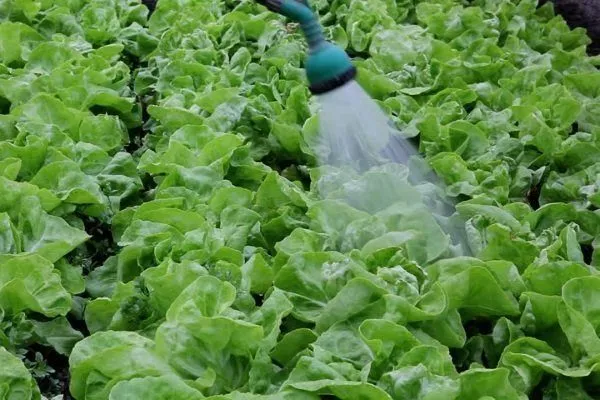
The plant needs watering most a week before harvesting, which allows for an increase in the size of the heads.
Weeding and loosening
At the initial stage, it's necessary to loosen the soil and clear the bed of weeds. During the growing season, the row spacing should be loosened at least three times and weeded the same number of times. This is necessary to ensure the plant's root system receives the oxygen it needs for normal development.
Top dressing
Fertilizing is an important element of growing romaine lettuce. When planting, add a comprehensive mineral supplement to the soil. However, this crop accumulates nitrates, so don't overdo it with nitrogen fertilizers—keep them to a minimum.
Subsequently, compost or humus is added again, but if they were added when sowing seeds into the soil, this step can be skipped.
Thinning lettuce
The first thinning is done two weeks after germination. The distance between seedlings depends on the maturity stage. For example, when planting early-ripening lettuce, leave at least 15 cm between the plants. If you're planting mid- or late-ripening lettuce, leave about 25 cm of space between the plants.
When deciding to grow romaine, remember that the yield depends on the quality of thinning. At the same time, diseased plants should be discarded.
Possible diseases and pests
Romaine is susceptible to a wide variety of diseases and pests. Without proper and timely treatment, these can quickly destroy the plant.
- Downy mildewThe disease affects not only the green parts but also the seed. It manifests itself as dark spots and small dots on the leaves. It can be treated with fungicides (Gliokladin, Fitosporin-M). A home remedy that can be used is a sulfur solution (dissolve 50 g of sulfur in 10 liters of water).
- Gray moldA fungal disease that affects the green parts of lettuce. Symptoms include brown spots and a gray coating at the affected areas. It's best to use fungicides for control. The most popular is Topaz.
- White rotAffects the above-ground parts. Symptoms include the appearance of water-soaked, odorless spots. It can be treated with any fungicide, although after using the chemicals, the lettuce may absorb harmful substances. Therefore, you can either cut off the affected areas or treat them with a mixture of potassium permanganate and chalk.
- SeptoriaThe main symptom is spots with dark dots on the leaves. At the first sign of this, it is recommended to use fungicides or copper-based products.
- Marginal necrosisThis is a physiological pathology, the main symptoms of which are darkening of the tissue. The main causes of this problem are improper care and temperature fluctuations. Gardeners need to normalize the temperature and increase soil moisture.
- Salad flyThis is a small insect, up to 1 cm long and ash-colored. The fly's larvae destroy the lettuce crop. Control: Treat lettuce with phosphamide.
- Lettuce aphidAffects all green parts of lettuce. When damaged, leaves curl, and signs of mosaicism appear. A solution of phosphamide or an infusion of onion skins is ideal for treating lettuce aphids.
Harvesting
This lettuce is harvested at different times and in several ways, the choice of which depends on the variety and purpose of the romaine.
The first method involves harvesting a second crop. First, you need to determine the ripeness of the lettuce. To do this, press your finger into the core of the plant. If it feels firm, you're ready to harvest. Once ripeness is determined, use a sharp tool to cut the lettuce plants down to ground level, leaving the rest in the soil.
After about three weeks, 4-5 leaves will appear on the bushes, after which the harvest is repeated. This method will increase the yield by approximately 1.5 times.
Experienced gardeners recommend tying the lettuce heads two weeks before harvesting to ensure the leaves are tightly packed together. This will ensure the heads are firm and will remove bitterness from the leaves.
The second method involves harvesting the lettuce in one go. When the romaine is ripe, trim the lettuce completely, removing all the leaves that aren't suitable for cooking. These, along with the roots, should be chopped and dug into the soil—lettuce accumulates a large amount of minerals. Once decomposed, these remains will make excellent fertilizer.
The third method is used to obtain seed material. However, it is not suitable for eating lettuce. Seed collection begins when the plant's leaves turn brown and "flying spots" form on the leaves. Some gardeners collect seeds from all plants at once, while others prefer to proceed in stages.
After harvesting, the seeds are threshed and laid out to dry. They are then cleaned of debris at least twice using a sieve.
The video below explains everything about romaine lettuce, from eating to storing:
Gardener reviews of romaine lettuce
Romaine lettuce is a tasty and healthy vegetable. Growing it in Russia isn't difficult, despite its origins in Italy. However, there are a few key points to consider to ensure a bountiful harvest of this delicious lettuce.