
Rapunzel is a little-known name for a leafy plant among Russian gardeners, but it has been popular in Western European countries for over a century. Residents there eat it just like the familiar salad leaves we eat. They love this plant for its vitamin-rich greens, delicious flavor, numerous medicinal properties, and high nutritional value.
Introduction to the variety
Rapunzel is not related to lettuce. This plant belongs to a different family, the Valerianaceae. It is grown for its edible leaves, which are comparable in taste, vitamin content, and nutritional value to salad greens, and even superior in many ways.
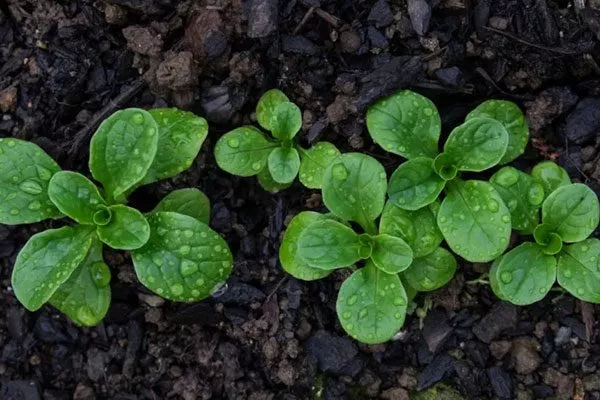
This popular garden crop abroad is renowned for its cold hardiness, undemanding nature, and very strong immune system. It goes by various names. In Germany, it's known as rapunzel or winter salad. In other countries, it's called differently:
- Valerian (vegetable)
- valerianella;
- field salad;
- field salad;
- corn salad or corn salad;
- maunitsa;
- lamb salad;
- corn salad.
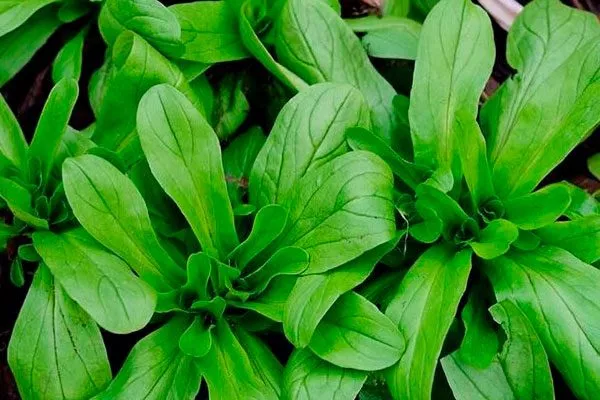
You can also find foreign varieties suitable for our climate on sale:
- Dutch broadleaf;
- Cyril;
- Duplex;
- False-leaved;
- Trianon;
- Printmaking.
What is corn salad?
| Name | Ripening period | Frost resistance | Disease resistance |
|---|---|---|---|
| The Little Prince | 50-60 days | High | High |
| Field impromptu | 55-65 days | Average | High |
| Dutch broadleaf | 60-70 days | High | Average |
| Cyril | 50-55 days | High | High |
| Duplex | 65-75 days | Average | Average |
| False-leaved | 70-80 days | Low | Average |
| Trianon | 55-65 days | High | High |
| Printmaking | 60-70 days | High | High |
- ✓ 'Little Prince': high frost resistance and disease resistance.
- ✓ 'Field Impromptu': average frost resistance, but high resistance to diseases.
Rapunzel is a herbaceous plant that is essentially a weed. Even before it became a vegetable crop, European farmers discovered it in grain fields. Rapunzel is native to the Mediterranean region and gradually spread throughout Europe and Asia.
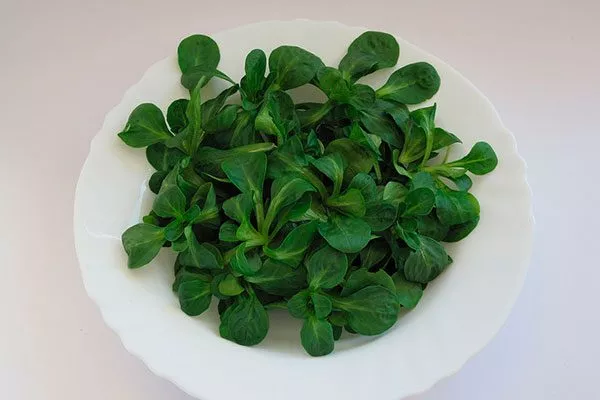
Valerianella's culinary use began in the 17th century. The plant, long eaten by the poor, found its way to the French King Louis XIV as a salad and was much appreciated. Since then, the weed has become a delicacy.
Today, field salad is very popular in many European countries:
- France;
- Switzerland;
- Germany;
- England;
- Italy;
- Netherlands.
It grows as a perennial thanks to its frost resistance and hardiness in zones 5-8. It can be grown as an annual in any climate. Its greens are among the first leafy crops to ripen, immediately after the snow melts. They are harvested until late autumn, when other salads are no longer on our tables.
Description of appearance and taste
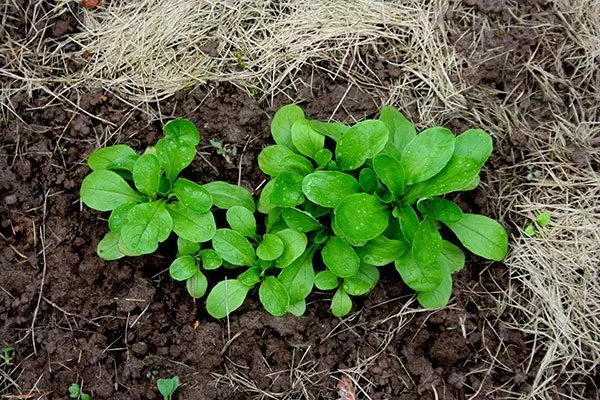
Valerianella plants are characterized by a small, spreading rosette of numerous leaves and strong roots that do not extend deep into the soil. Their distinctive external features include:
- height: 20-30 cm;
- stem: thin, delicate, grooved below, smooth and slightly pubescent in the upper part;
- foliage: green, whole, oblong spoon-shaped, with a glossy sheen;
- inflorescences: semi-umbel, flat, consist of small five-petal flowers of a bluish-white color (the period of transition from the rosette phase to the appearance of a flower-bearing shoot in the plant is short);
- fruit: yellow achenes that have an irregular round-ovoid shape and a ribbed surface.
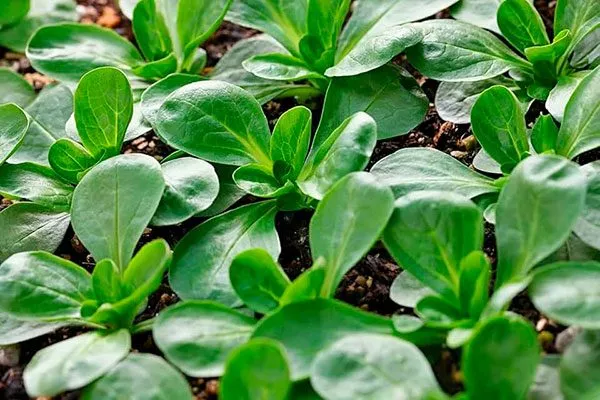
Rapunzel is a useful vegetable garden plant. Thanks to its powerful, well-developed roots, it perfectly loosens the soil and slows the leaching of nutrients. Foreign farmers often grow it in garden beds as a green cover.
Corn salad is grown for its greens. The leaves, which are slightly sweet, are edible. They are distinguished by their delicate texture, juiciness, nutty flavor with a slight tartness, and spicy aroma. Once the plant has flowered, the foliage becomes inedible: bitter, tough, and fibrous.
Culinary uses
The tender young leaves of valerian are widely used in cooking. They are used fresh, unprocessed, to make a delicious salad. They pair beautifully with many salad dressings:
- mayonnaise;
- sour cream sauce;
- mustard;
- white yogurt;
- lemon juice;
- vegetable oil, especially olive or pumpkin seed.
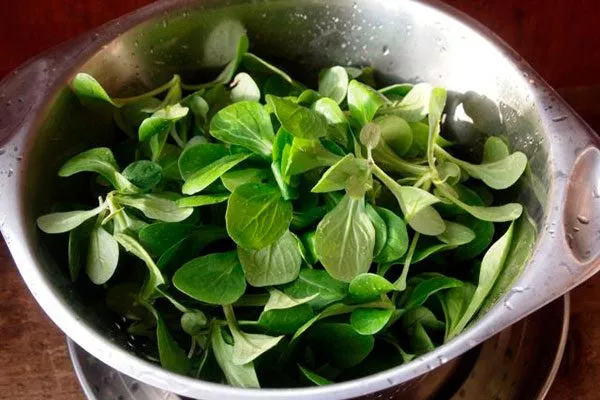
Housewives mix rapunzel with other salad greens, celery, onions, boiled beets, apples, and citrus fruits. The plant beautifully enhances the flavor of meat, fish, ground chicken, mushrooms, and edible chestnuts. It's considered a particularly successful combination with chicory salad and nuts.
Old, tough corn lettuce leaves that have lingered in the garden for a week (but harvested before flowering) have also found their way into home cooking. Housewives cook them like spinach. They make an excellent side dish. To achieve this, the greens are heat-treated:
- boil;
- extinguish;
- fry;
- steamed.
Old greens can be added to green soups, cabbage soup and borscht, vegetable stews, and used to prepare an original pesto sauce.
Use one of the popular recipes for making a delicious and healthy valerian salad.
Recipe No. 1
Take the ingredients:
- corn salad (young leaves) - 300 g;
- onions - 1 head;
- olive oil - 2 tbsp;
- boiled eggs - 3 pcs.;
- salt, pepper - to your liking.
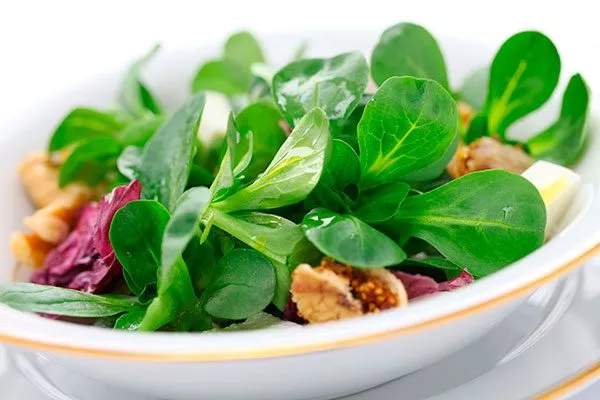
Wash the lettuce leaves and let them dry on a paper towel. Slice the onion into thin rings and the eggs into small cubes. Combine the lettuce leaves with the onion rings and egg slices in a deep bowl. Dress the salad with vegetable oil. Season with salt and pepper and serve immediately.
Recipe #2
To prepare the salad, stock up on the following ingredients:
- valerianella greens - 500 g;
- onions - 1 head;
- lemon juice - 2 tbsp;
- vegetable oil - 4 tbsp;
- mustard - 1 tbsp;
- salt, sugar - to taste.
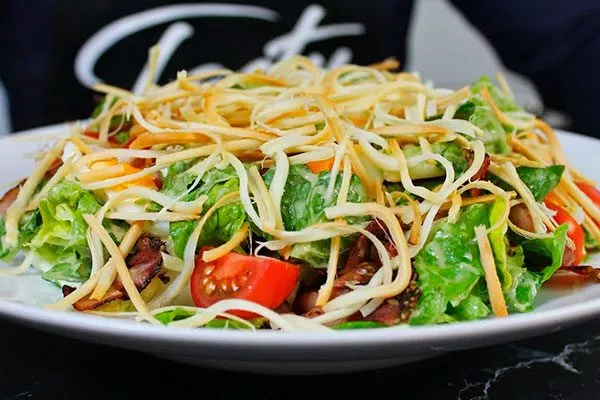
Wash the lettuce leaves, dry them, and tear them by hand. Combine them in a deep bowl with the onion, sliced into rings or half rings. Mix gently.
Prepare the salad dressing by combining vegetable oil, mustard, and lemon juice. If desired, you can add 2 crushed garlic cloves for a tangy flavor. Season the dressing with salt and sugar. Pour it over the vegetables.
Beneficial properties
Rapunzel is a plant with a rich chemical composition and numerous healing properties. Its greens contain many substances beneficial to the human body:
- vitamins (carotene, ascorbic acid, tocopherol, thiamine, riboflavin, pyridoxine, folic and nicotinic acid);
- minerals (potassium, phosphorus, magnesium, iron, calcium, sodium, iodine);
- essential oils.
The product is low in calories and fat-free. Its vitamin C content (58-60 mg/100 g) surpasses that of lemons (53 mg/100 g). Its leaves contain large amounts of rutin (40 mg/100 g), iodine (62 mg/100 g), and carotene (6 mg/100 g). Spring greens are especially rich in these nutrients.
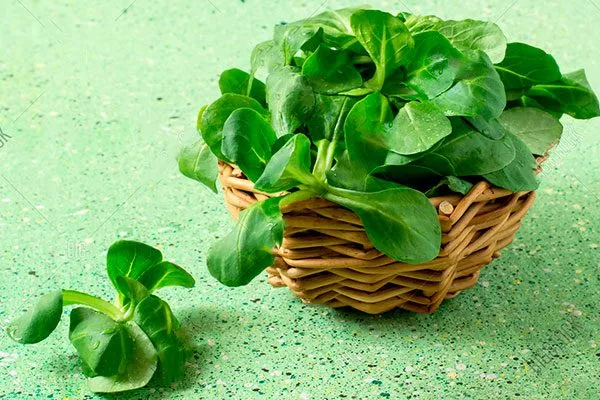
Corn salad surpasses other leafy greens in vitamin and mineral content. Eating it fresh offers numerous health benefits:
- strengthening the immune system;
- calming effect on the gastric mucosa;
- cell regeneration;
- antioxidant effect;
- strengthening the nervous system;
- stress and anxiety relief;
- improved mood;
- relief from insomnia;
- wound healing properties;
- tonic effect.
The plant is used in folk medicine to treat vitamin deficiencies and kidney disease. It is beneficial for people suffering from obesity, depression, sleep disorders, and those weakened by prolonged illness. It also has aphrodisiac properties.
Characteristics
The ripening period for vitamin-rich corn salad is 50-70 days after the first sprouts emerge. They appear 8-12 days after sowing. Under unfavorable growing conditions, the harvest ripens later, on the 80th day.
Rapunzel possesses many excellent characteristics that will surely allow this green crop to win the love of domestic gardeners and become widespread throughout the Russian Federation:
- good yield - from 1.3 kg to 1.8 kg of leaves from 1 sq. m of garden bed or from 500 kg to 1000 kg of greens from 1 hectare in industrial cultivation (one plant produces up to 250 g of harvest);
- excellent frost resistance - plants grown in perennial culture can withstand temperatures down to -15°;
- unpretentiousness in care;
- increased resistance to diseases (the exception is powdery mildew, which valerianella is susceptible to when grown in a greenhouse);
- resistance to damage by harmful insects.
Growing
Rapunzel is easy to grow from seed. Even a novice gardener can handle this task. The plant is easy to grow and produces abundant vitamin-rich greens in almost any conditions: in an open garden bed, in a greenhouse, or in a pot on a windowsill. It is often grown from seedlings.
Gardeners practice sowing corn salad in different seasons to have a healthy leafy vegetable on their table from early spring to late fall:
- before winter (with this method of cultivation the crop behaves as a biennial);
- in spring;
- in the second half of summer.
Timing of sowing field lettuce
If you're planning to grow valerianella in your garden, remember that it doesn't tolerate heat. The plant blooms quickly in high temperatures. Sow the seeds so that the weather remains consistently cool for 2-3 months after sowing. Otherwise, the harvest will be meager and of poor quality.
The most optimal times for sowing are as follows:
- first half of April – spring sowing;
- from the last week of March to April 5 - to obtain seedlings;
- from the end of July to mid-August - late summer sowing to obtain leafy vegetables in late summer/early autumn;
- September – winter cultivation of crops, allowing for a harvest in April.
- ✓ Optimum temperature for seed germination: +5°C to +18°C.
- ✓ Need for protection from direct sunlight during midday hours.
Necessary conditions
To ensure your corn salad delights you with an abundance of juicy and delicious greens, provide it with favorable growing conditions. Set aside a plot of your garden with the following characteristics:
- sunny or in light shade at midday;
- windless, protected from drafts;
- level or raised (a raised bed is especially good for late summer sowing);
- without stagnant moisture, since the plant cannot withstand over-watering;
- with well-drained soil of any type, having a pH of 6.5-7.0.
Valerianella thrives in fertile soil. Mung bean salad will benefit from the same fertilizer you applied to your garden soil when growing other summer crops. It's especially good to plant it in August where bush beans or lettuce were previously grown (in the same summer).
Prepare the plot for spring corn salad planting in the fall. Dig the soil, clear it of weeds, and enrich it with fertilizer:
- rotted compost - 2-3 kg per 1 sq. m;
- ammonium nitrate - 7 g per 1 sq. m.
Valerian seeds require a long dormant period. Don't use fresh seed for sowing. Use seed collected several years ago. It retains its viability for up to 5 years. The seeding rate for this crop is 15-30 g per square meter. The seeds germinate well in cool, moist soil.
Sowing field lettuce into the soil
Begin sowing field lettuce seeds in an open bed in April, waiting until the soil warms to 10°C at a depth of 5-7 cm. Planting is also possible in May and the first week of June. When planting row by row, follow a 20x10 cm pattern:
- sowing step - 1-1.5 cm;
- row spacing: 20-35 cm;
- seeding depth - 1-2 cm;
- the distance between plants after thinning is 10-15 cm.
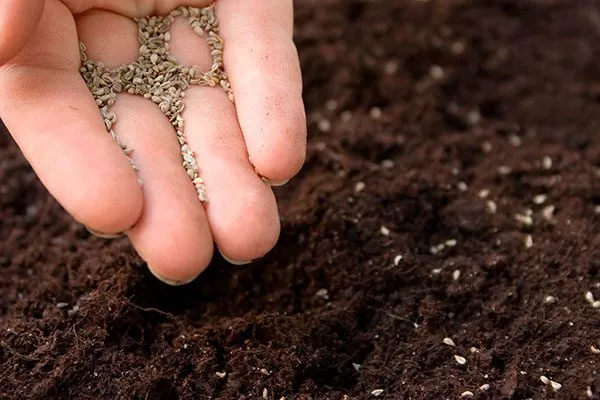
You can also sow valerianella by placing three seeds in each hole or by scattering the seeds loosely across the bed. Once the seedlings emerge, be sure to thin the plantings. Leave 15 cm between plants.
To harvest vitamin-rich greens in early spring, sow them before winter in August. Before the first frost, the plants will develop a pair of true leaves. To protect them from freezing, cover the plantings in the fall. Use the following materials for this purpose:
- straw;
- spruce branches.
Field lettuce can also be grown in protected ground conditions. In late summer, use the vacated greenhouse to sow the greens' seeds.
Growing field lettuce from seedlings
Rapunzel can also be grown from seedlings. Sow the seeds from March 25th through the first ten days of April. Use wooden or plastic boxes to grow the seedlings. Keep them on a glassed-in balcony. Seedlings can also be grown in a greenhouse.
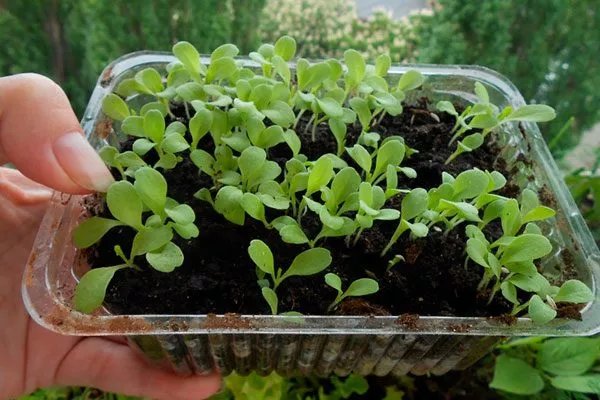
Observe the seeding rate: 4-5 g per 1 sq. m. Embed the seeds into the nutritious soil mixture filled with the boxes to a depth of 0.5 cm.
Maintain a temperature regime favorable for growing Varianella seedlings:
- +18-20°С — until sprouts emerge;
- +12° – until the first leaf opens.
Once the seedlings have two true leaves, move them to the greenhouse. Seven to 10 days before transplanting, harden them off by increasing ventilation and lowering the temperature in the room where you keep the seedling trays.
Plant the seedlings in a greenhouse, maintaining a distance of 5 cm between plants. Provide a comfortable temperature for their growth and development in the artificial shelter:
- +16-18° — during the daytime;
- +10° — at night.
After 50-70 days from the emergence of sprouts, selectively cut off the rosettes.
On the windowsill
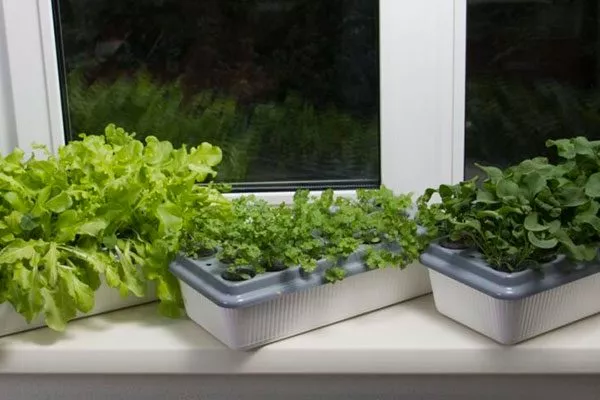
You can also grow the crop indoors throughout the year, picking the tender leaves as they grow. Sow corn lettuce seeds in a container filled with nutritious commercial potting mix or moist garden soil enriched with compost. The container should retain moisture and ensure good drainage.
Specifics of caring for field lettuce
Rapunzel requires proper cultivation. With proper care of the leafy crop, you'll reap a bountiful harvest of vitamin-rich greens. This includes the following procedures:
- ThinningThin out your field lettuce for the first time after the seedlings emerge. Leave 2-3 cm between each sprout. Then, thin out the lettuce as needed, increasing the distance between plants to 10-15 cm.
- WateringThe plant loves moisture, but avoids overwatering. Water the seedlings once every 2-3 days using a watering can with a strainer. As the plant matures, water less frequently—once every 7 days.
- LooseningLoosen the soil in the garden bed twice per season. Allow 10 days between applications.
- WeedingRemove weeds from your lettuce bed as they grow. If you neglect this procedure, harmful weeds will overwhelm your crop, depriving it of nutrients and moisture.
- FertilizationFertilizer may not be necessary if valerianella seeds were sown in well-fertilized soil. If the lettuce grows in poor soil, water the seedlings with a urea or ammonium nitrate solution. The recommended application rate is 5-10 g per square meter of bed.
Feeding green crops with fresh manure or high-nitrogen fertilizers is not recommended. Nitrates will accumulate in their leaves and become unfit for consumption.
Harvesting and storage
Rapunzel is ready for harvesting 50-70 days after the first sprouts emerge. Don't keep the lettuce in the garden for too long, as the plants quickly fade. The leaves of the flowering plant are not edible (they are tough, fibrous, and bitter).
Cut off the outer leaves of the rosette when they reach a height of 7 cm. It is also acceptable to cut the entire plant along the stem after 6-8 leaves have appeared. Follow the procedure correctly:
- Carefully fold the rosette leaves together.
- Cut the stem using a sharp knife at a height of 2–5 cm above the ground surface.
After cutting, salad greens will grow back. If the planting is busy, thin them out periodically, cutting the rosettes flush with the soil.
To keep corn salad juicy, fresh, and firm for as long as possible, store it properly at home:
- Place a bunch of herbs in a jar filled with cold water;
- Sprinkle the field salad with water, wrap it in a plastic bag and place it in the vegetable compartment of the refrigerator.
Common problems when growing valerianella
When growing corn salad, gardeners sometimes encounter the following complications:
- Invasion of slugs and snailsThis problem occurs when growing lettuce in warm climates. When grown in cooler conditions, pests are less likely to bother the crop due to their reduced activity due to the cold.
- Attack of aphids on salad bedsThe complication is observed with poor plant care or when valerian is grown in conditions favorable for the parasite (warm and damp).
- The appearance of black spots on the leavesThis is how rust manifests itself. Experienced gardeners use a safe remedy like salicylic acid to combat the fungal infection.
- Formation of a velvety white coating on the leaves. He indicates that the plant is infected with powdery mildew. This problem often occurs when growing crops in greenhouses. Apply Fitosporin-M at the first signs of the disease.
Positive and negative qualities
Rapunzel has many virtues for which it is loved by farmers in many countries around the world:
Reviews
Rapunzel is the name of a leafy plant native to the Mediterranean, rich in vitamins, delicious, and productive. It is widely grown in European countries and used in cooking. It is gradually gaining popularity in our country as well. It's an excellent choice for those looking to diversify their menu with a healthy product characterized by a wonderful, piquant, nutty flavor.