
Rafael is a popular lettuce variety that has earned the recognition of gardeners and cooks for its excellent characteristics. It combines excellent flavor, disease resistance, and ease of cultivation. With proper care and minimal attention, you can grow large quantities of firm, juicy lettuce.
History of origin
This modern lettuce variety was developed in 2015 by the Dutch company Rijk Zwaan Zaadteelt en Zaadhandel BV. It belongs to the Romaine variety and is intended for sale as compact heads, individually packaged, or separated into leaves. It is suitable for processing.
Introduction to the variety
The culture is rich in vitamins and minerals, which make it beneficial for health. It contains:
- Vitamins: A, C, K, groups B (B1, B2, B6, B9). Vitamin A supports vision and the immune system, vitamin C strengthens the immune system and promotes iron absorption, and vitamin K is important for bone health and blood clotting.
- Minerals: potassium, magnesium, calcium, iron, phosphorus. Potassium normalizes blood pressure, magnesium and calcium have a beneficial effect on bones and muscles, and iron is important for the formation of hemoglobin.
- Antioxidants: protect cells from damage caused by free radicals and reduce the risk of chronic diseases.
- Dietary fiber: improve digestion, support gut health and promote feelings of fullness.
Thanks to its low calorie content and high water content, Rafael salad helps manage weight and maintain hydration. It's ideal for a healthy diet, improves metabolism, and promotes overall strength.
Ripens 45-50 days after sowing. Yields up to 5 kg per square meter. Resistant to diseases and pests, it's easy to care for and suitable for both open ground and greenhouse cultivation. It transplants well, allowing for cultivation throughout the season.
- ✓ High resistance to powdery mildew and other fungal diseases.
- ✓ The ability to regenerate after cutting, which allows you to harvest several times per season.
Description of appearance and taste
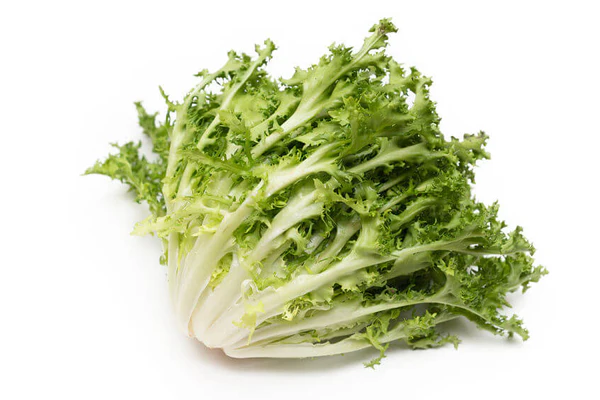
The lettuce forms an erect or semi-erect rosette of large, obovate leaves. They are dark green, with smooth edges and a bubbly, shiny surface.
The head is closed, round, and medium-dense. The flavor is delicate and pleasant, without bitterness.
Culinary uses
The greens are used in a variety of salads and pair well with vegetables, fruits, meat, and seafood. The leaves are added to soups, hot dishes, and sandwiches.
Growing
Raphael can be grown from both seeds and seedlings. For seedlings, sow seeds in February-March, and for outdoor planting, sow from April to June.
Step-by-step algorithm:
- Choose a site with adequate sunlight and protection from the wind.
- Prepare the soil by adding compost or humus.
- Sow seeds 1-1.5 cm deep with 20-25 cm between rows.
- Once the seedlings emerge, thin the plants, leaving 10-15 cm between them.
Planting care:
- Water regularly to keep the soil moist.
- Feed the lettuce with organic fertilizers once every 2-3 weeks.
- Remove weeds and loosen the soil around the plants.
Harvesting and storage
When the leaves reach about 10 cm in length, begin harvesting. Do this carefully, using sharp scissors to avoid damaging the plants. The heads can be harvested repeatedly throughout the season, as new leaves will grow in the place of the cut ones.
Positive and negative qualities
Reviews
Rafael lettuce delights with its pleasant taste and texture. Even beginners with little experience can easily grow these greens. Easy care, high disease resistance, and repeated fruiting are the best qualities of this variety. Bountiful harvests are possible with minimal care.